DbcultAccessing Vault...
6.4/10
Senior Film Conservator
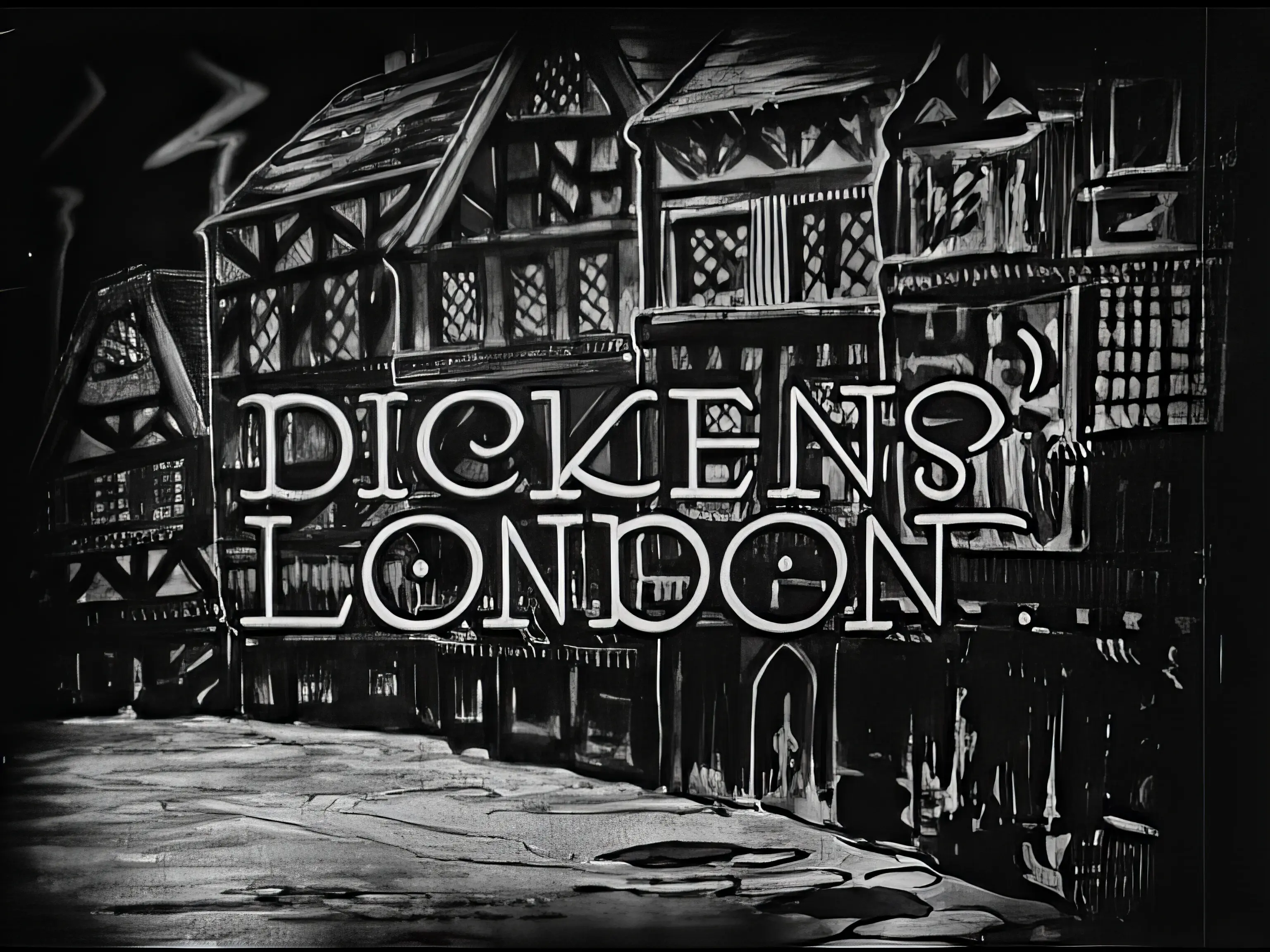
A definitive 6.4/10 rating for a film that redefined the boundaries of cult cinema. Wonderful London: Dickens' London remains a cornerstone of transgressive art.
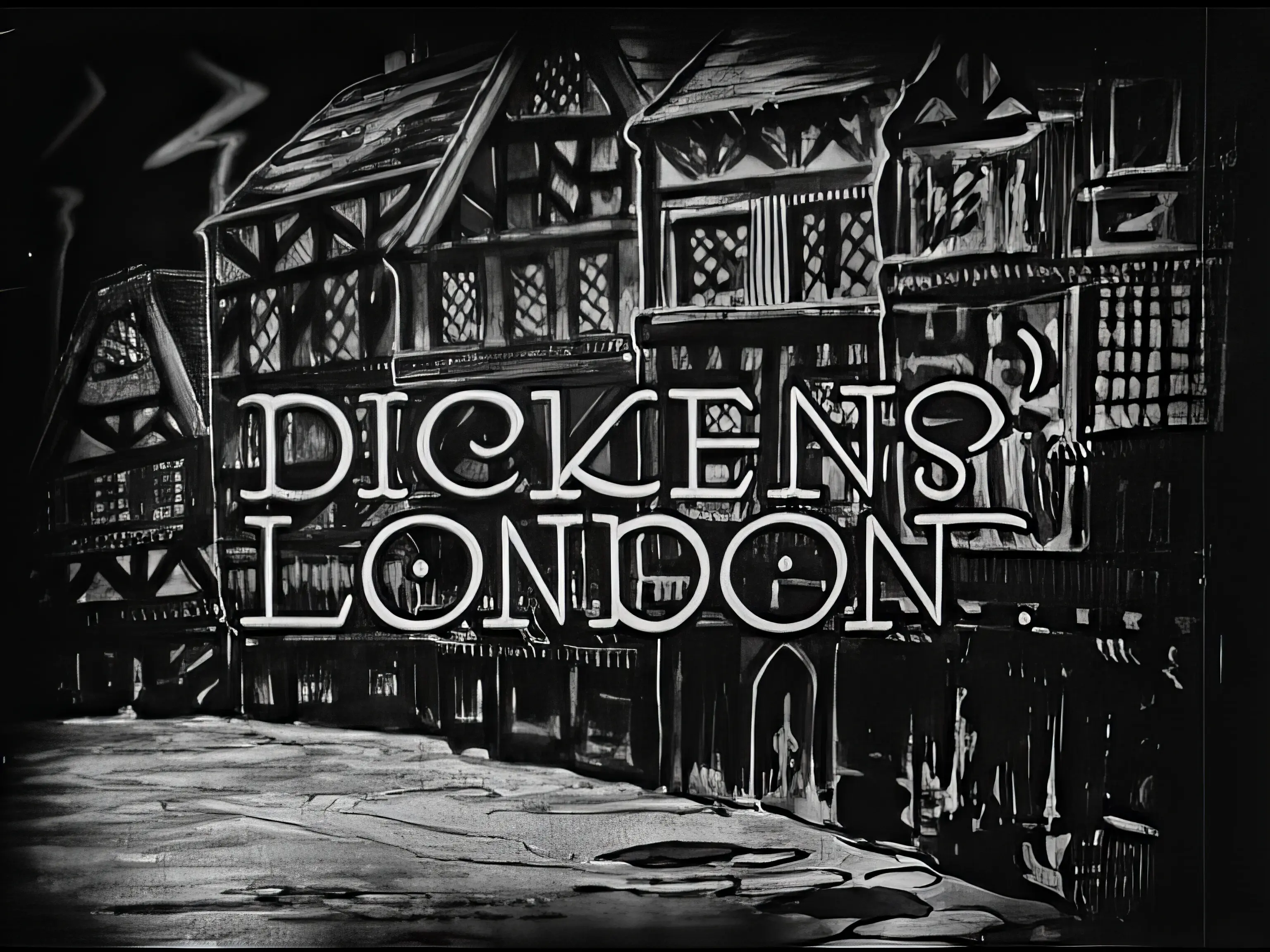
There's a peculiar magic woven into the fabric of "Wonderful London: Dickens' London," a cinematic endeavor that transcends mere historical documentation to become a vibrant, living elegy for one of literature's most formidable titans. Far from a conventional narrative, this film embarks upon a deeply evocative journey, inviting its audience to perceive London not merely as a sprawling metropolis, but as a vast, open-air museum, perpetually animated by the spectral echoes of Charles Dickens and his immortal creations. It is a masterful exercise in historical imagination, a visual poem that asserts the enduring power of place in shaping our collective literary consciousness. The vision, presumably guided by the artistic sensibilities of Frank Miller and Harry B. Parkinson, manages to imbue stone and mortar with an almost sentient quality, transforming static architecture into dynamic protagonists in a timeless drama.
In an era where urban landscapes relentlessly reinvent themselves, often at the expense of their historical soul, this film posits a defiant counter-narrative. It acknowledges the inevitable march of progress, the regrettable demolition of countless antique structures, yet steadfastly insists on the persistence of memory. The camera becomes a reverent guide, navigating the labyrinthine streets to unearth those sacred locales that stubbornly resist the tide of modernity, standing as tangible links to Dickens’ prolific genius. This isn't just a tour; it's an archaeological dig into the cultural psyche of London, seeking out the very bedrock upon which literary legends were forged. The framing of these shots, the subtle shifts in perspective, all contribute to a feeling of rediscovery, as if we, the viewers, are the first to stumble upon these hallowed grounds, even as countless footsteps have preceded ours. The film, in its quiet dignity, reminds us that true history isn't just recorded; it's felt, breathed, and imagined within the very spaces where it unfolded.
The pilgrimage begins, quite fittingly, at The Old Curiosity Shop, nestled quaintly at 14 Portsmouth Street. This isn't just a building; it's a portal. As the lens lingers on its timeworn facade, one can almost discern the faint, melancholic figures of Grandfather and Little Nell, their poignant meeting in the doorway a scene indelibly etched into the collective literary imagination. The film’s brilliance lies in its ability to transcend the visual, prompting a deeper, almost synesthetic experience. We don't just see the shop; we feel the weight of its history, the pathos of its fictional inhabitants. It’s a testament to the power of suggestion, masterfully deployed, that the viewer can almost conjure Dickens himself, a corporeal presence, emerging from its shadowy interior, perhaps contemplating a new character, or refining a nascent plot twist. This sequence is a profound reminder that literature, at its most potent, imbues inanimate objects with profound emotional resonance, transforming brick and mortar into narrative vessels.
The journey continues, leading us away from the immediate commercial bustle, into the more contemplative residential quarters that nurtured Dickens' unparalleled creativity. Off Marylebone High Street stands a house, unassuming yet monumental, where countless words coalesced into literary masterpieces. Subsequently, the lens shifts to 48 Doughty Street in Bloomsbury, another hallowed abode, a crucible where other seminal works took shape. These aren't just addresses; they are sanctuaries of inspiration, silent witnesses to the Herculean labor of creation. The film understands that to truly appreciate the literary output, one must acknowledge the environment that fostered it. It’s a subtle nod to the biographical context, recognizing that the very walls absorbed the anxieties, the triumphs, and the relentless dedication of the author. The cinematography here is understated, allowing the weight of history to speak for itself, relying on the viewer's recognition of these places as more than just buildings, but as extensions of Dickens' very being, echoing with the ghost of his quill scratching against paper.
Then, the atmosphere darkens, shifting from domestic tranquility to the more shadowy, foreboding underbelly of the city. We are drawn beneath the imposing, tenebrous arches of the Adelphi. Here, the film masterfully evokes the sense of urban anonymity and the quiet despair that often permeated Dickens' narratives. The very stones seem to whisper tales of solitude and struggle, and it becomes effortlessly plausible to imagine David Copperfield, a figure forever synonymous with a journey of self-discovery through hardship, passing through these very shadows. This segment is a brilliant example of how the film uses specific locations to illustrate broader thematic concerns present in Dickens' oeuvre: the harsh realities of London life, the stark contrasts between opulence and destitution, and the individual's often-isolated struggle within a vast, indifferent city. The visual language here is stark, the shadows deep, mirroring the moral ambiguities often explored in the author's most profound works, painting a vivid picture of the city as both a stage and an active participant in its inhabitants' fates.
The narrative then lightens, albeit with a persistent undercurrent of historical reverence, as it guides us to locales famously immortalized in The Pickwick Papers. We visit the venerable Cliffords Inn, a bastion of legal history and quaint charm, followed by the rustic appeal of The Spaniards Inn, and finally, the grandeur of The Golden Cross Hotel. These aren't merely points of interest; they are vibrant backdrops against which the boisterous adventures and genial camaraderie of the Pickwick Club unfolded. The film
IMDb 6.3
1927
Community
Log in to comment.