DbcultAccessing Vault...
6.1/10
Senior Film Conservator
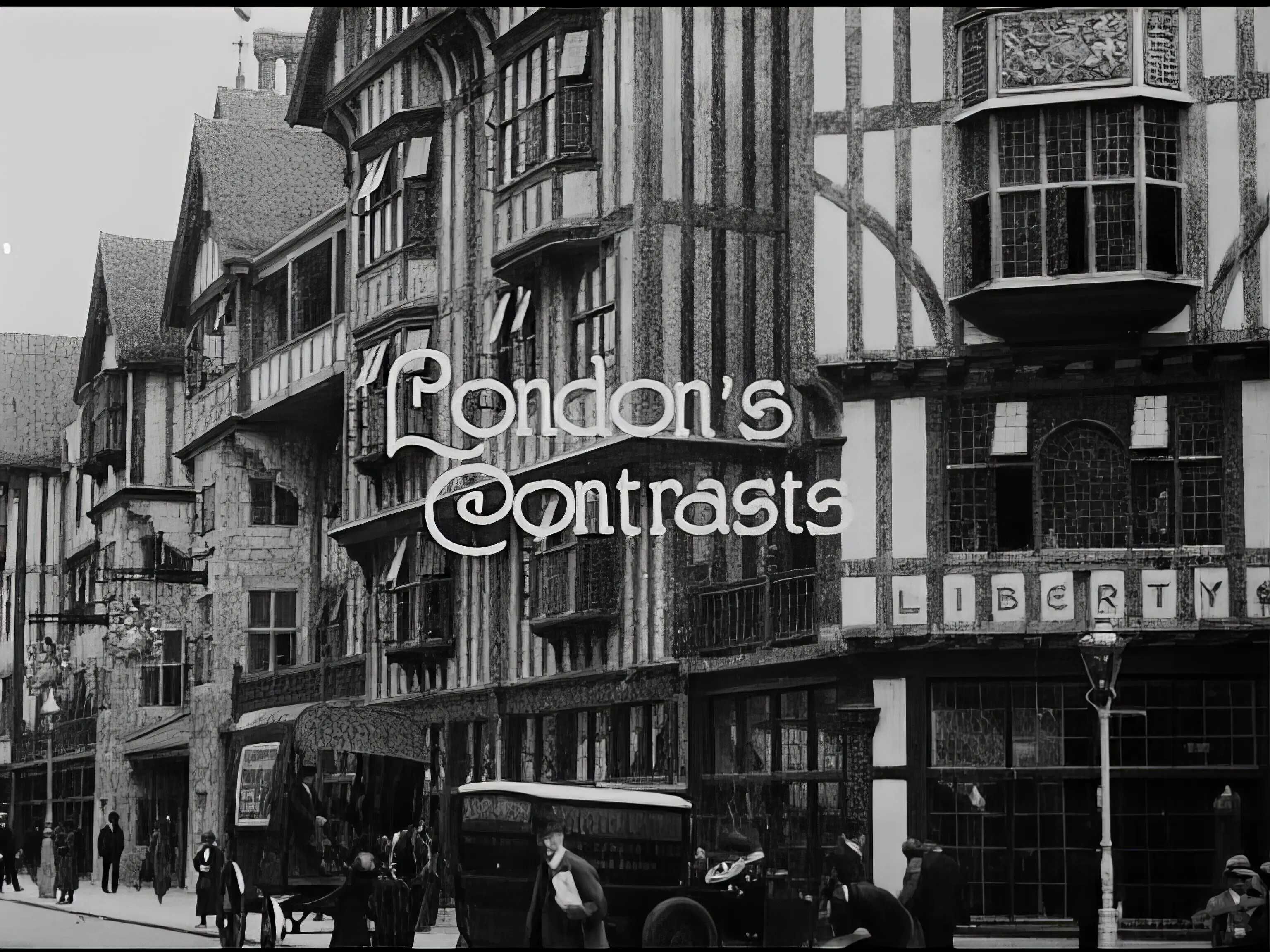
A definitive 6.1/10 rating for a film that redefined the boundaries of cult cinema. Wonderful London: London's Contrasts remains a cornerstone of transgressive art.
The film 'Wonderful London: London's Contrasts' presents a multifaceted depiction of the city, intertwining the narratives of diverse characters whose lives are intricately bound to the socio-economic landscape of London. The story unfolds against a backdrop of striking urban vistas, capturing the grandeur and the grim reality that define the modern metropolis.
Set in the early 1920s, the film introduces us to Frank Miller, a young artist struggling to make a name for himself in the competitive art world of London. His journey is intertwined with that of Harry B. Parkinson, a working-class laborer whose life is marked by relentless toil and the constant threat of unemployment. Their paths intersect and diverge, reflecting the broader themes of ambition, survival, and the stark contrasts of the urban environment.
The screenplay, a collaboration between Henry Miller and George Bernard Shaw, is a masterclass in weaving together disparate threads of human experience. The dialogues are sharp and incisive, reflecting the socio-political climate of the time while delving into the personal struggles of its characters. Shaw’s influence is particularly evident in the philosophical underpinnings of the narrative, which often touch upon the existential dilemmas faced by London's inhabitants.
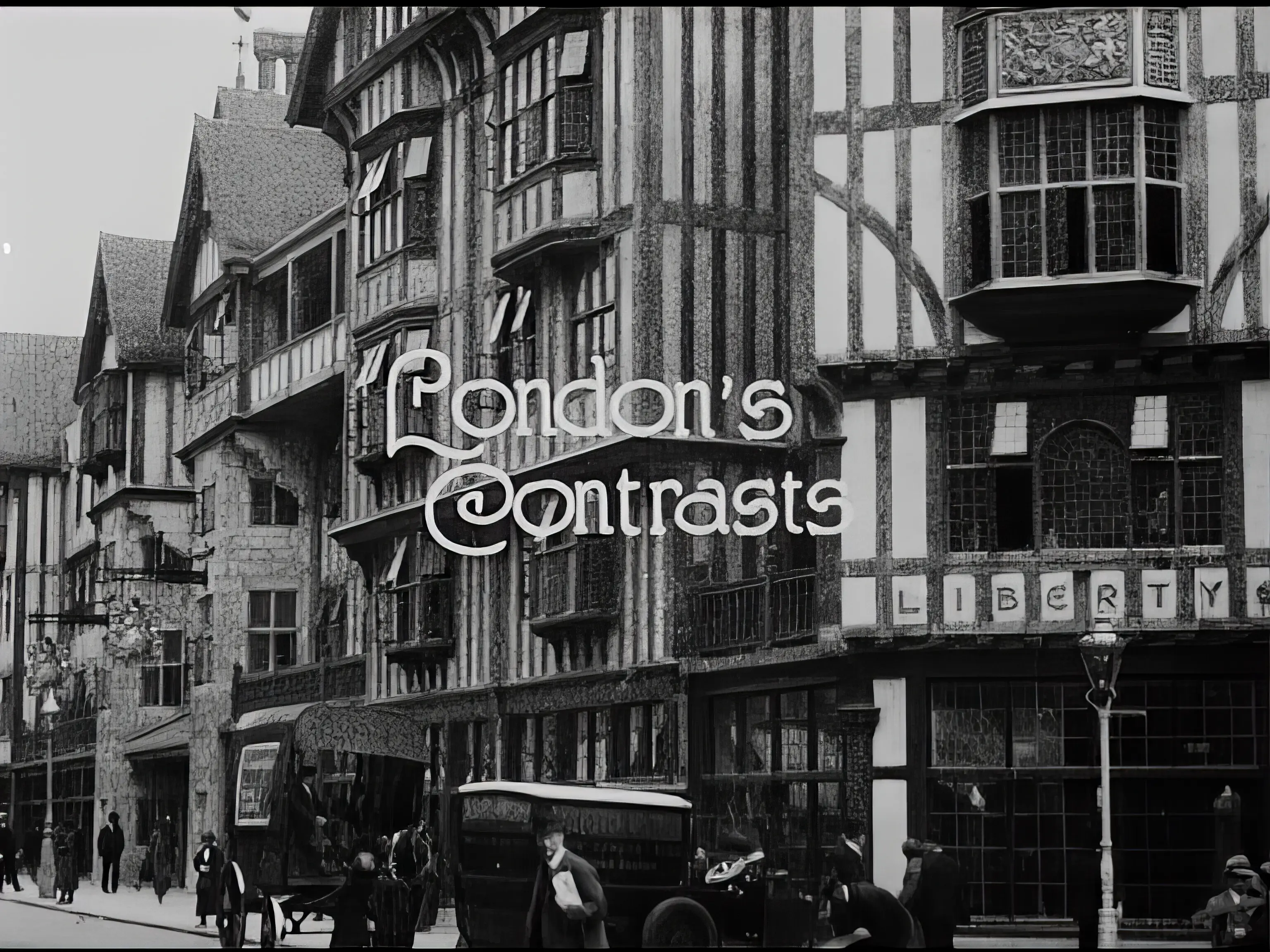
Visually, 'Wonderful London: London's Contrasts' stands out for its innovative use of cinematography. The film’s director, a visionary in his own right, employs a technique that seamlessly blends the grandeur of the city’s landmarks with the intimate details of everyday life. Wide shots of the city skyline juxtapose with close-ups of characters’ faces, creating a vivid contrast between the broader socio-political landscape and the individual human stories.
The cinematography is not merely illustrative but also serves as a character in its own right. The use of light and shadow, particularly in the scenes set during the evening, adds a layer of depth to the narrative. The interplay of natural light and artificial illumination creates a visual metaphor for the artificiality of societal constructs and the elusive nature of happiness and fulfillment.
Supporting cast members, including those who portray the working class and the upper echelons of society, bring a layer of authenticity to the film. Their performances are nuanced and layered, adding depth to the overall narrative. The character of Mrs. Parkinson, Harry’s wife, is a particularly compelling figure, navigating the dual roles of homemaker and advocate for social justice. Her character arc is a testament to the resilience of the human spirit and the enduring impact of personal choices on one’s destiny.
The film's exploration of themes such as social inequality, the pursuit of happiness, and the search for identity in a rapidly changing society is both timely and timeless. It resonates with contemporary viewers, prompting reflection on the enduring human condition and the myriad ways in which individuals adapt to the challenges of modern life.
'Wonderful London: London's Contrasts' is not just a film about a city; it is a profound commentary on the human experience. The cinematic techniques employed, from the innovative use of light to the intricate narrative structure, contribute to a viewing experience that is both visually stunning and intellectually stimulating. It stands as a testament to the power of cinema to capture the essence of a place and the lives that are lived within it.
For those interested in the intersection of art and urban life, 'Wonderful London: London's Contrasts' offers a rich and rewarding exploration. It is a film that challenges viewers to look beyond the surface and consider the deeper truths that underpin the human experience. Whether viewed as a historical document or a work of art, it remains a compelling and thought-provoking piece of cinema.
It is worth noting that 'Wonderful London: London's Contrasts' shares thematic and stylistic similarities with films like 'The Wild Woman' and 'The Challenge,' both of which delve into the complexities of human nature and societal constructs. However, it stands out for its unique approach to narrative structure and its focus on the urban landscape as a central character.
In conclusion, 'Wonderful London: London's Contrasts' is a film that deserves a place in the pantheon of cinematic achievements. It is a work of art that transcends its time and speaks to the universal human experience. Its intricate narrative, thought-provoking themes, and visually stunning cinematography make it a must-watch for any film enthusiast.
IMDb —
1926
Community
Log in to comment.