DbcultAccessing Vault...
Cult Review
Senior Film Conservator
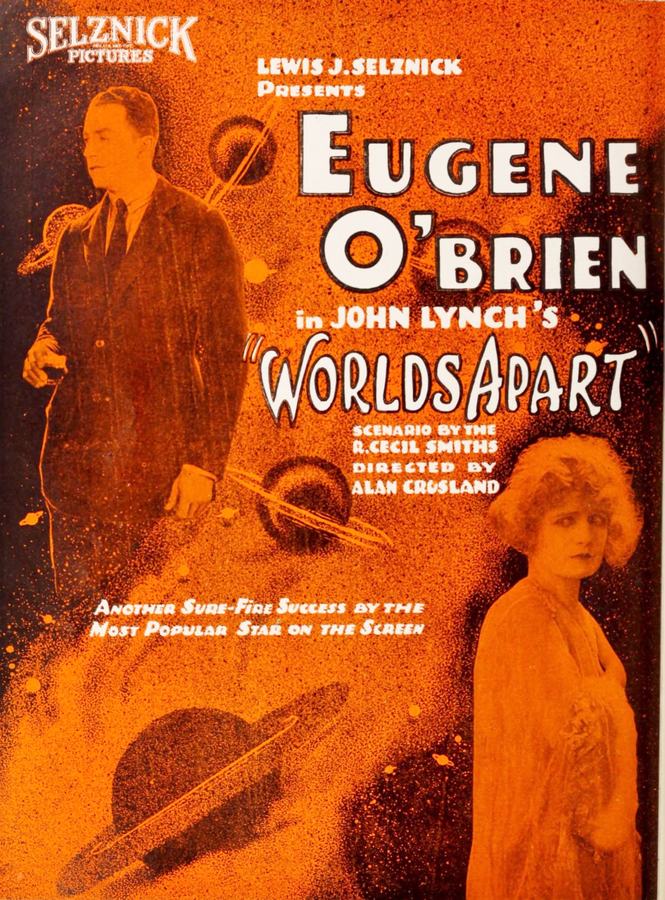
Spoiler-rich excavation ahead; enter the mausoleum at your own peril.
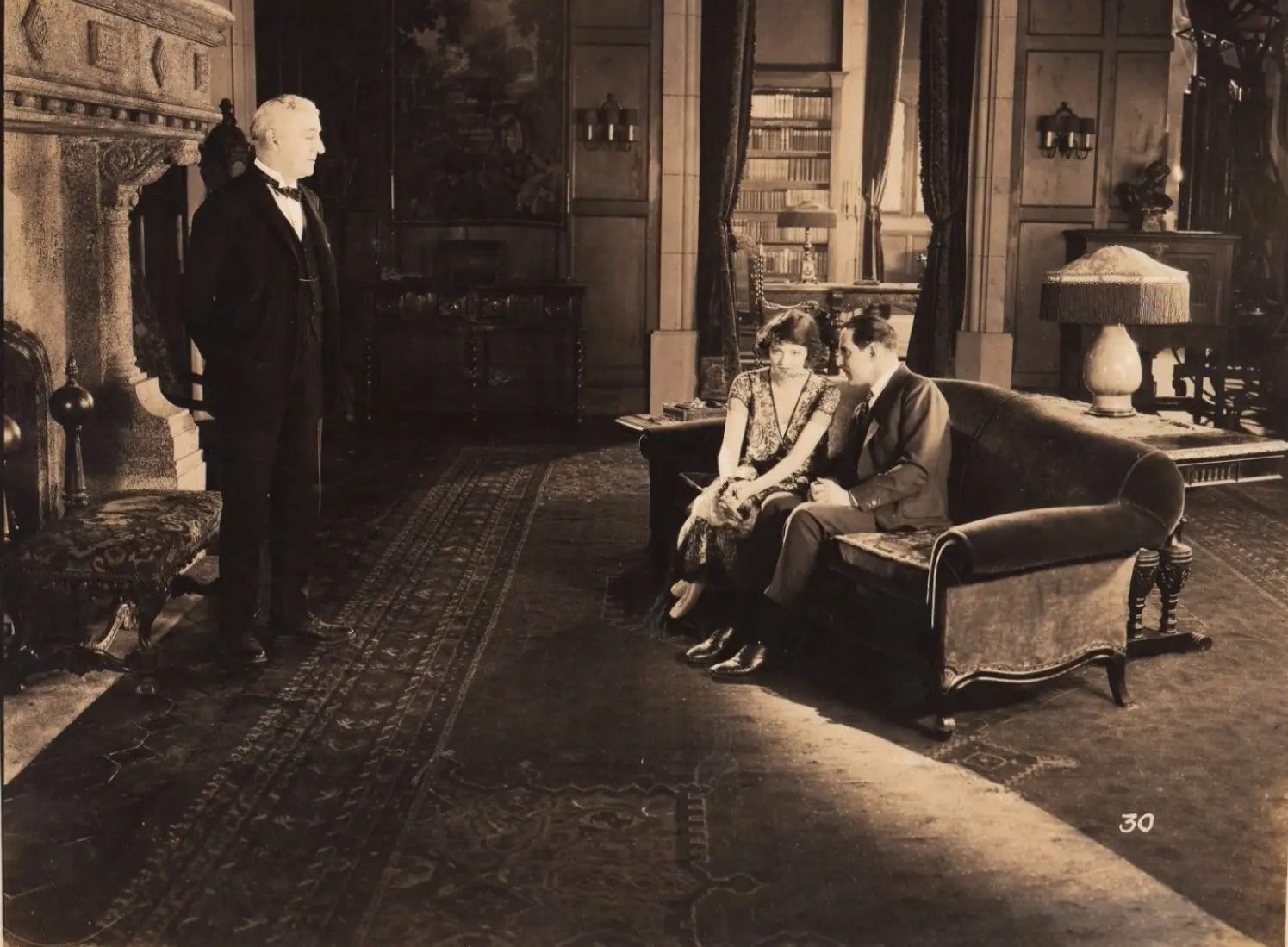
The film’s five-act spine arcs like a cathedral’s flying buttress—each stone rib pressing against the next until transcendence or collapse feels inevitable. Lynch and Smith refuse the melodramatic cliché of sin-and-slap; instead they braid three fault lines—class contempt, marital estrangement, and paternal shame—until every embrace carries aftershock. Notice how spatial politics map psychology: Hugh’s west wing, all mahogany and stag heads, exhales masculine failure; Elinor’s east suite, papered in willow pattern, shelters a china-delicate despair. Between them yawns a nave of unhoovered carpet where footsteps echo like accusations.
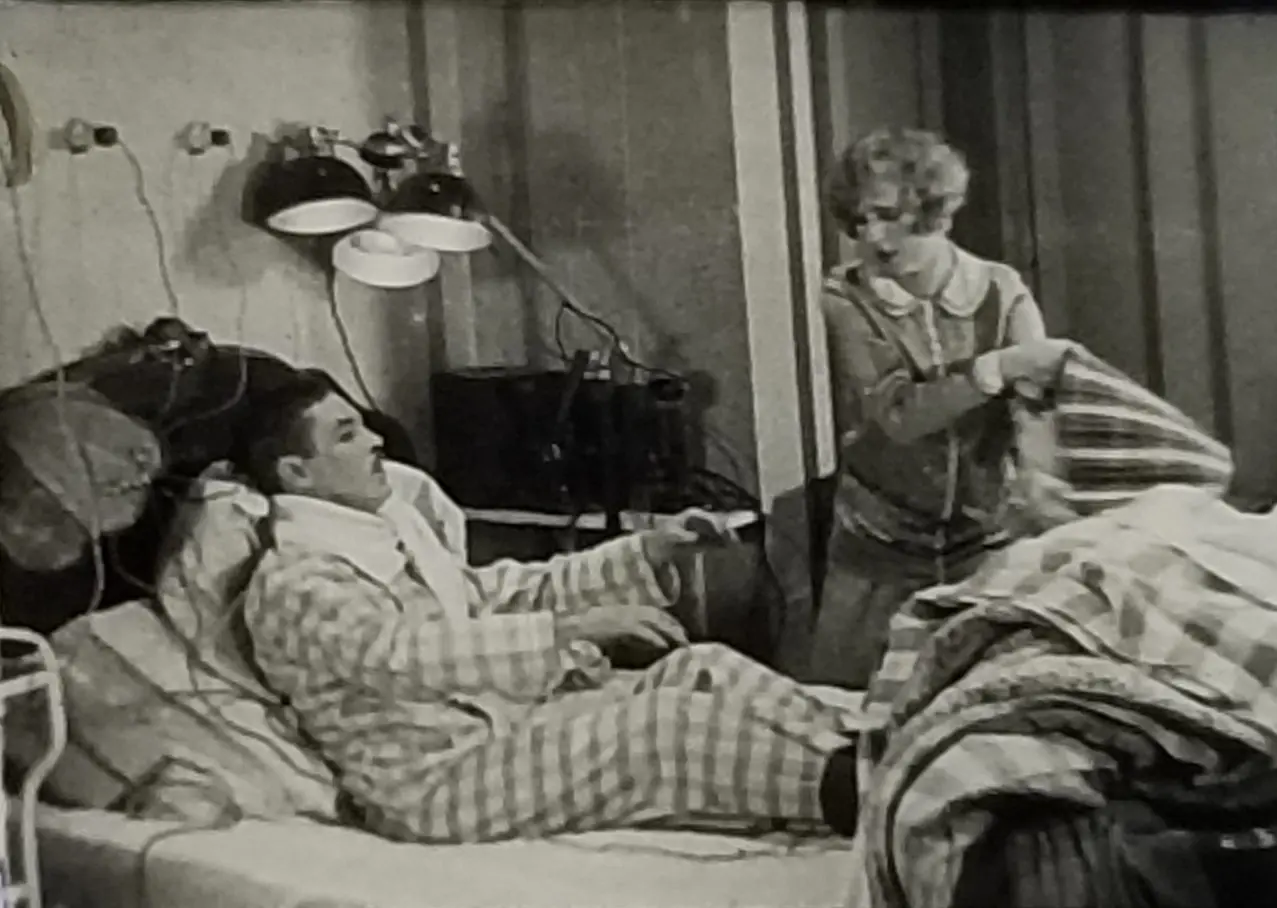
Cinematographer George Webber treats chiaroscuro not as ornament but as forensic evidence. When Elinor’s veil drags across the river stones, moonlight slices the gauze into living barcodes—every thread a ledger of debts unpaid. Compare this to the opium-den sequence: a sulfuric yellow lamp floats above Harley’s face, carving cavernous hollows that prefigure the skull beneath. The camera tilts fifteen degrees, just enough to quease equilibrium without alerting censors who already side-eyed the “yellow peril” locale. Intertitles arrive sparingly, haiku-cut: “Silence married her—yet the groom was absent.” Each card burns white on ebony, a cigarette hole through the viewer’s cuff.
Eugene O’Brien’s Hugh carries the stunned mien of a man who has read his own suicide note in tomorrow’s newspaper; watch how his shoulders climb toward his earlobes whenever Phyllis enters frame, as though the body itself tries to hide inside the tuxedo. Olive Tell’s Elinor is no wan Ophelia—her near-drowning leaves her eyes preternaturally bright, pupils dilated like someone who has seen the backstage of the world and can’t unsee it. When she murmurs “My father’s blood is my dowry,” the line lands with the thud of a dropped lead type. Warren Cook’s Lester exudes polo-field entitlement: even his cigarette holder angles like a coronation sceptre. Yet the performance is flecked with panic—note the micro-twitch when Harley’s name surfaces, a hairline crack in the porcelain mask.
Unlike Testimony where womanhood operates as courtroom currency, Worlds Apart weaponizes matrimony itself. Phyllis commodifies affection; Elinor weaponizes pity; Marcia barter’s narcotic oblivion for complicity. Men, meanwhile, wield capital, blade, and finally silence—Hugh’s ultimate gift to Elinor is the suppression of Harley’s confession, a mercy wrapped in blackmail. The film knows that in 1917, a woman’s word remains conditional upon a man’s discretion.
Contemporary exhibitors often commissioned bespoke scores, but surviving ledgers suggest the original accompaniment favoured solo cello threading Saint-Saëns’ “Le Cygne” through Sousa marches—an incongruity that mirrors the film’s tonal whiplash. Modern restorations overlay a minimalist drone; I prefer a smoky jazz 78rpm crackle beneath, as if the story oozes out of a Victrola abandoned in a speakeasy. Try it: the moment Hugh barges into the den, let Bessie Smith wail—suddenly the Limehouse fog feels like blues incarnate.
Stack it beside The Eyes of Mystery and you’ll see how both trade in ocular motifs, yet Worlds Apart prefers the averted gaze—truth surfaces only when someone refuses to look. Against His Conscience His Guide, the moral gyroscope here spins erratic; no bedside prayer redeems the sinner, only the bureaucratic accident of prison gates swinging open. And while Romance dilutes sin with ecclesiastical candlelight, this picture lets guilt fester in gaslamp shadows.
Only a 35mm nitrate dupe at Cinémathèque Française survived the 1965 MGM vault blaze; a 4K scan premiered at Pordenone 2019, where the tints—amber for interiors, viridian for exteriors—were reinstated per 1917 continuity notes. Streaming? Criterion Channel rotated it last autumn, but as of this post you’ll need a VPN to sniff it on SilentEraVault.eu—region-locked, English intertitles, French over-titles. Physical media: Flicker Alley hints at a 2025 Blu-ray with Tony Dame’s new score; preorder blood is in the water.
Great art doesn’t moralize; it metastasizes. Days after viewing, I caught myself counting wing-spans in my own apartment—hallways suddenly felt like negotiation zones. The picture’s true coup is its refusal to grant catharsis: when Hugh and Elinor clasp hands in the final tableau, the iris-in closes not on redemption but on détente, two exiles sharing a passport of mutual damage. That, ultimately, is why Worlds Apart outlives its century: it captures marriage as a cold war fought with frozen smiles, a skirmish where victory means surviving the treaty you signed against yourself.
Verdict: Imperfect, indispensable, and as sharp as the cracked edge of a nitrate reel.
IMDb 7
1933
Community
Log in to comment.