DbcultAccessing Vault...
5/10
Senior Film Conservator
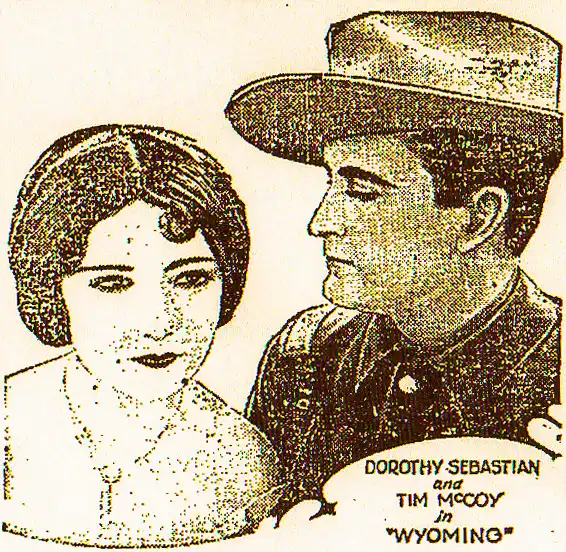
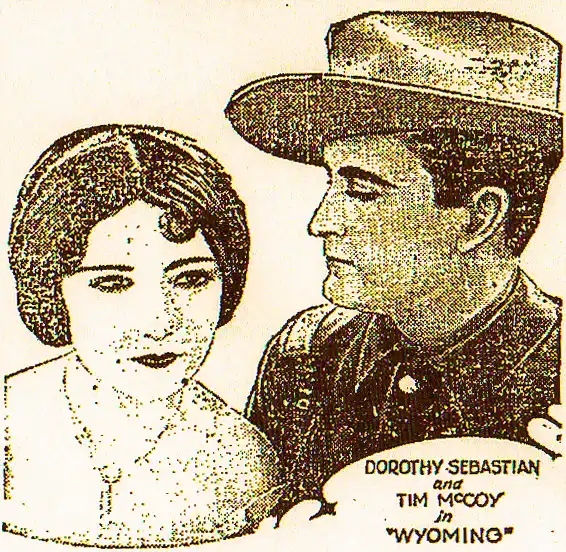
A definitive 5/10 rating for a film that redefined the boundaries of cult cinema. Wyoming remains a cornerstone of transgressive art.
Look, if you're not already a silent film enthusiast, Wyoming (1928) probably isn't going to be the one to convert you. But for those who genuinely appreciate the particular rhythm of early Hollywood westerns, or just want to see Tim McCoy doing his thing, there’s some curious charm here. If you’re expecting anything resembling modern pacing or subtle performances, you’ll likely find yourself checking your watch and wondering if this is really how people spent their Saturday nights.
The film opens with Tim McCoy as Jim McWade, riding into what feels like the archetypal dusty frontier town. The wide shot of him approaching, with the sun low and kicking up dust, it’s a classic image. You can almost feel the movie trying to establish him as the quintessential silent cowboy hero from the first frame. His stoic gaze is pretty much his only expression throughout, which works for the 'strong, silent type' but doesn't leave much room for, well, anything else.
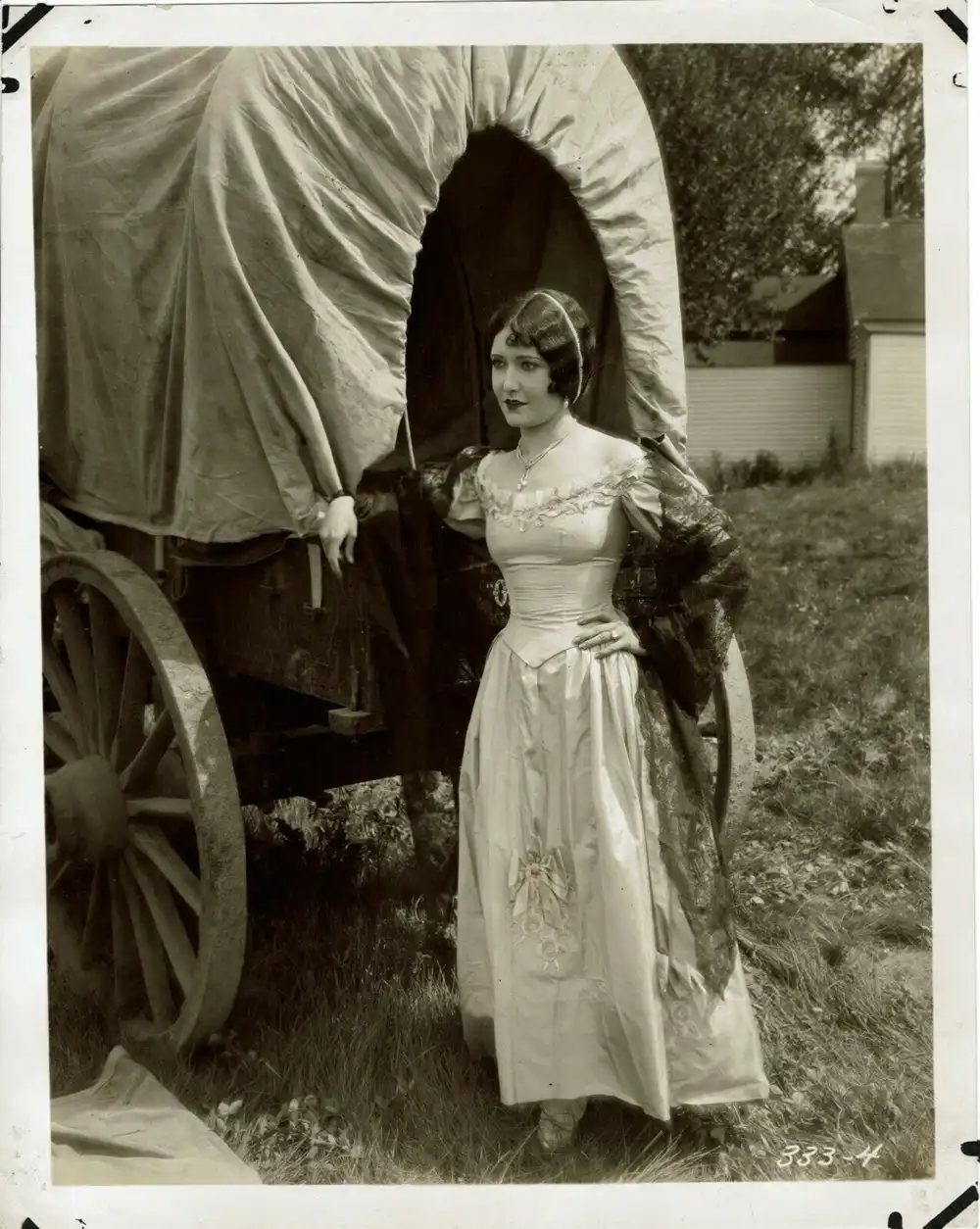
Dorothy Sebastian, as Anne, the romantic interest, has a tougher job. Silent film acting often called for big gestures, but her emotional range feels a little limited to wide-eyed concern and determined pouting. There's a scene where she confronts her father about his outlaw activities, and her face contorts into this dramatic mask of betrayal. It’s a lot. You can feel the effort, but it doesn't quite land as genuinely heartbreaking. More like a performance of heartbreak.
The intertitles are plentiful. Sometimes they feel like they’re doing too much heavy lifting, explaining motivations that the actors could have, or should have, conveyed visually. Other times, they’re almost poetic, giving you a brief moment to absorb the mood before the next galloping scene.
Pacing is a real mixed bag here. The initial setup, introducing McWade and the blossoming romance with Anne, moves along at a decent clip. But then the middle section, once the outlaw plot really kicks in, just sort of meanders. There are prolonged sequences of horse chases across open plains. Lots of dust, lots of running. It feels like the director, W.S. Van Dyke, got a good shot of horses galloping and decided to just let the camera roll a little longer than necessary.
The crowd scenes sometimes have this oddly empty feeling. Like in the town saloon, there are a few distinct characters, but the background extras just sort of stand there. Not much bustling. It's not always convincing as a lively frontier settlement.
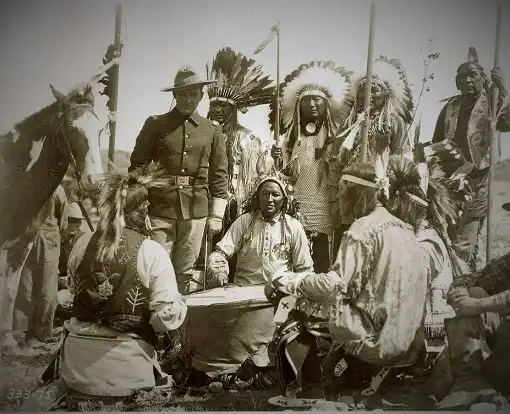
One particular shot stuck with me: a close-up of a Native American elder, played by Chief John Big Tree, observing the settlers. His face is weathered, his eyes seem to hold a whole history. It’s a fleeting moment, but it’s powerful. It cuts through some of the more simplistic portrayals elsewhere in the film, offering a glimpse of something deeper than the script probably intended.
The film tries to tackle the conflict between the settlers and the Cheyenne, but it's handled pretty clumsily. It’s mostly through the lens of McWade trying to broker peace, which, given the era, feels a bit like a token effort rather than a deep dive into the complexities. The motivations of the Cheyenne characters, beyond 'they're unhappy with the settlers,' aren't really explored. They're more plot devices than fully realized people.
There is a genuinely sweet moment, though, between McWade and a young Native American boy, played by Goes in the Lodge. They share a small, wordless exchange of understanding after a tense situation. It’s brief, but it has more emotional weight than some of the more dramatic, over-acted scenes. It suggests a potential for connection that the broader narrative mostly ignores.
The costumes are mostly what you'd expect for a silent western. Cowhide vests, big hats, bandanas. Nothing too wild. Though Anne’s riding outfit always looks remarkably clean, even after a dusty pursuit. A small detail, but it pulls you out of the 'gritty West' illusion for a second.
The ending feels a little rushed. After all that slow build-up and those extended chases, the resolution of the various conflicts – the outlaw father, the tribal dispute, the romance – all ties up rather quickly, almost perfunctorily. It’s like the movie suddenly remembered it had a runtime to hit.
So, is Wyoming a hidden gem? Not really. It’s more of a historical curiosity. It’s interesting to see the tropes of the Western genre solidify in these early films. It's got some moments, especially those wide-open landscape shots and a few quiet interactions, that hint at what the genre would become. But it's also got plenty of the awkwardness and melodrama that defined the silent era. If you’re into that, great. If not, maybe rewatch The Slaver for something a bit more focused, or just skip it.
IMDb —
1920
Community
Log in to comment.