DbcultAccessing Vault...
7/10
Senior Film Conservator
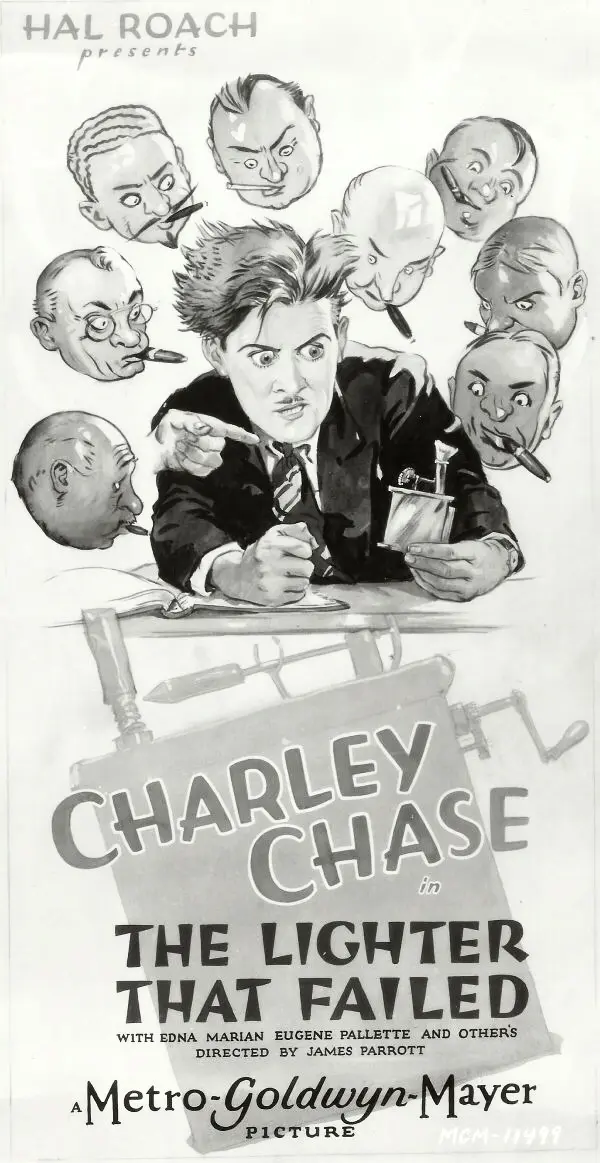
A definitive 7/10 rating for a film that redefined the boundaries of cult cinema. The Lighter That Failed remains a cornerstone of transgressive art.
Is The Lighter That Failed worth your time nearly a century after its release? Short answer: Yes, but only if you appreciate the specific, rhythmic architecture of the silent-era gag. It is a film for those who find humor in the slow, agonizing descent from minor inconvenience to total destruction. It is not for viewers who require narrative complexity or high-stakes emotional drama.
1) This film works because it understands the psychology of the 'tinkerer'—that male urge to fix something until it is completely destroyed.
2) This film fails because the supporting characters feel like props rather than people, serving only to push Charley toward his inevitable doom.
3) You should watch it if you want to see a pioneer of the 'awkward comedy' genre at the absolute top of his physical game.
Yes, The Lighter That Failed is a essential viewing for students of physical comedy. It represents a specific moment in 1927 when the Hal Roach studios were refining the 'everyman' persona that would later influence modern sitcoms. While it lacks the grand scale of a Buster Keaton feature, its intimacy makes the comedy feel strangely relatable even today. We have all been Charley, stubborn and sweating over a piece of technology that refuses to cooperate.
The core of this film is the lighter itself. It is a tiny, silver antagonist. Charley Chase doesn't play a buffoon; he plays a rational man driven to irrationality. This is a crucial distinction that many modern comedies miss. When Chase picks up a pair of oversized pliers to fix a delicate mechanism, we aren't laughing because he's stupid. We are laughing because we recognize the desperation. He wants the lighter to work because his dignity depends on it.
The pacing is deliberate. Director Leo McCarey (though uncredited, his influence is felt) and writer H.M. Walker build the tension through repetition. Every time a family member offers advice, the stakes rise. It’s a rhythmic pattern of: attempt, fail, advice, escalation. This is a sharper, more focused brand of humor than what we see in The Fight or the more dramatic Conflict.
Consider the scene where Chase begins using kitchen utensils. It is absurd. It is illogical. But in the moment, Chase sells it with a focused intensity that makes you believe he thinks a butter knife is the solution to a flint problem. This is the 'Roach touch'—grounding the absurd in the mundane. It’s a far cry from the western tropes of Red Courage or the romantic leanings of Pretty Lady.
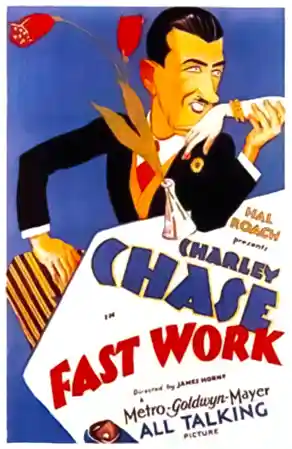
While Lloyd had his glasses and Keaton had his stone face, Chase had his mustache and his lanky, nervous energy. He was the king of the polite disaster. In The Lighter That Failed, his performance is surprisingly subtle for 1927. Watch his eyes when the lighter finally 'clicks' but doesn't spark. There is a micro-expression of betrayal there that is pure gold. It’s a level of acting nuance you don't always find in films like The Dog and the Thief.
The supporting cast, featuring the legendary Eugene Pallette, provides the necessary friction. Pallette, even this early in his career, had a screen presence that demanded attention. His interactions with Chase create a social pressure that forces Charley to keep trying. He can't look like a failure in front of his family. This social anxiety is the engine of the plot. It’s more effective than the broad strokes found in That's My Daddy or the youthful energy of The Collegians.
I have a debatable opinion: Charley Chase was actually a better technical actor than Harold Lloyd. While Lloyd was the better stuntman, Chase understood the 'cringe' factor long before Ricky Gervais or Larry David. The Lighter That Failed is essentially an episode of 'Curb Your Enthusiasm' set in the 1920s. He is a man trapped by social expectations and his own refusal to admit defeat.
The cinematography by George Stevens (who would go on to direct 'Shane') is functional but clever. The camera stays tight on the lighter, making the object feel like a character. When the gasoline enters the frame, the lighting shifts. There is a palpable sense of danger. The final sequence, where the house catches fire, is handled with a chaotic energy that feels dangerous. It’s a sharp contrast to the more static, stage-like feel of Her Awful Fix.
The use of 'Buddy the Dog' is another highlight. Animal actors in the 20s were often used for cheap gags, but here, the dog acts as the silent witness to Charley’s stupidity. The dog’s reactions often mirror the audience’s disbelief. It’s a sophisticated use of a secondary character that adds a layer of irony to the destruction. This is a film that knows exactly what it is. It doesn't try to be the epic Frontier of the Stars or the mysterious The Mysterious Mr. Tiller. It is a comedy of errors, and it wears that badge proudly.
"The Lighter That Failed proves that the smallest spark of an idea can lead to a massive comedic explosion, provided you have a comedian who knows how to fan the flames."
Pros:
Cons:
The Lighter That Failed is a triumph of small-scale filmmaking. It doesn't need the mystical elements of The Mystic or the dark atmosphere of Kinder der Finsternis to make an impact. It relies on the universal truth that humans are often their own worst enemies. It works. But it’s flawed. The charm lies in its simplicity and the sheer commitment of Charley Chase to the bit.
If you are looking for a quick, 20-minute masterclass in how to build a gag, this is it. It’s a reminder that before there were special effects and high-concept plots, there was just a man, a broken lighter, and a very bad idea involving gasoline. It’s a spark of genius that ends in a blaze of glory.
IMDb —
1923
Community
Log in to comment.