DbcultAccessing Vault...
6.1/10
Senior Film Conservator
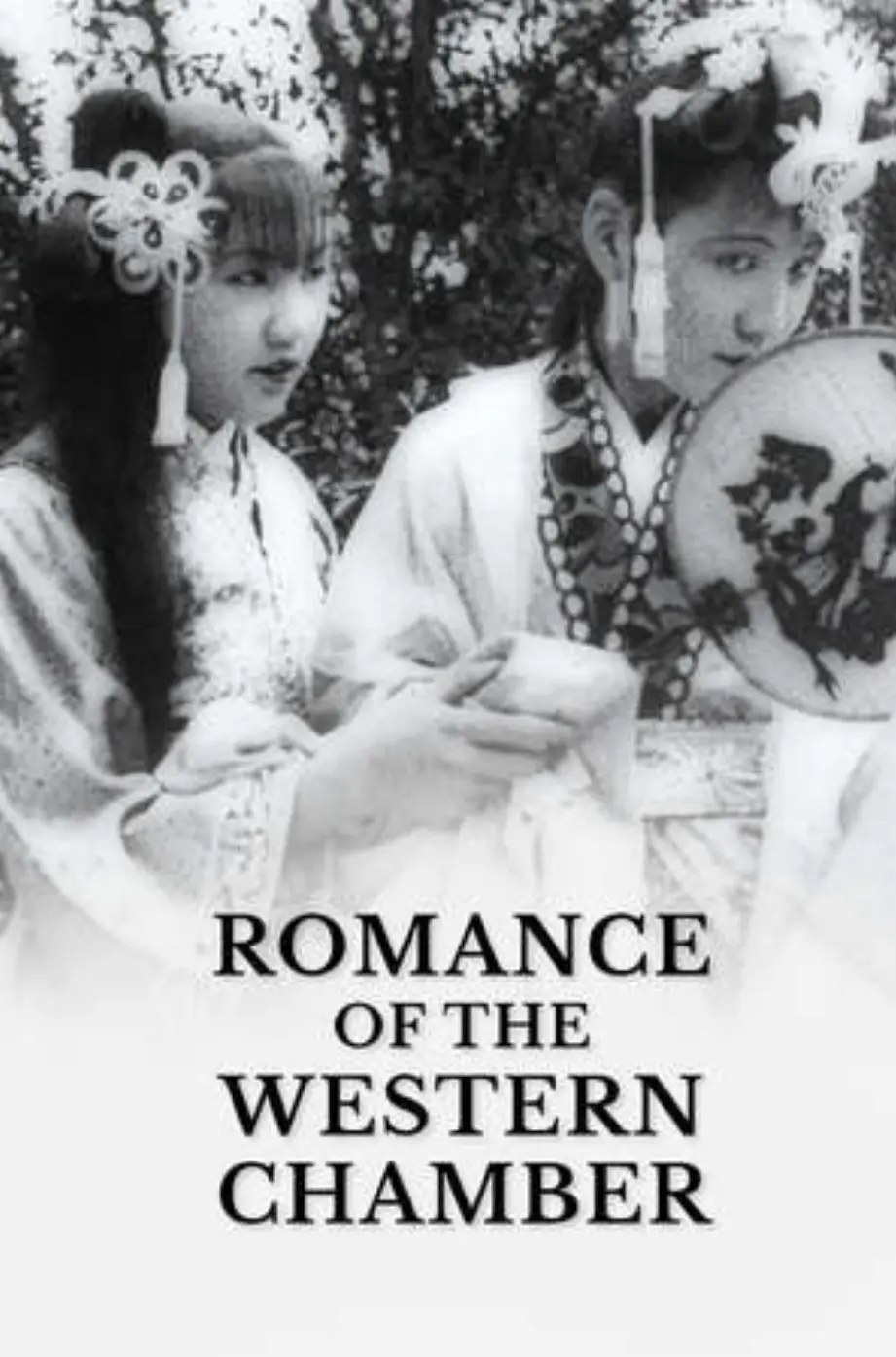
A definitive 6.1/10 rating for a film that redefined the boundaries of cult cinema. Xi xiang ji remains a cornerstone of transgressive art.
Is "Xi xiang ji" a film worth seeking out in today's crowded cinematic landscape? Short answer: yes, but with significant caveats that demand a particular kind of viewer engagement.
This film is undoubtedly for cinephiles interested in the foundational narratives of Chinese cinema and those who appreciate historical context over modern pacing. Conversely, it is decidedly not for audiences seeking fast-paced plots, high production values, or easily digestible moral lessons.
Let's get straight to the point about "Xi xiang ji."
"Xi xiang ji" is more than just a simple romance; it’s a quiet act of cinematic rebellion. At its heart lies the audacious narrative of a young couple who choose to forge their own marital path, bypassing the entrenched, non-negotiable parental consent required by their society. This isn't merely a plot point; it's a thematic declaration, a challenge to the very fabric of traditional Chinese familial authority.
The film, penned by Hou Yao and Shipu Wang, takes the well-known story and imbues it with a sense of urgent, almost dangerous intimacy. The act of consummating their marriage, without the sanctioned rituals and blessings, transforms a private moment into a public defiance, even if that defiance is initially hidden. It posits love not as a gentle acquiescence, but as a revolutionary force capable of disrupting centuries of custom.
Consider the profound implications of such a decision in that cultural context. Marriage was often an alliance between families, a pragmatic arrangement, not solely a union of hearts. The couple's choice to prioritize their personal bond above this societal framework would have been scandalous, threatening the very order of their world. The film, therefore, is less a romantic idealization and more a stark portrayal of the courage required to claim personal agency in a system designed to suppress it.
This narrative, stripped of modern embellishments, forces the audience to confront the core conflict directly. It’s not about grand gestures or dramatic escapes, but the quiet, internal struggle and the ultimate, private decision that carries monumental public weight. It’s a powerful testament to the enduring human desire for self-determination, even in the face of overwhelming tradition.
Directing an early film like "Xi xiang ji" presented unique challenges, and Hou Yao navigates them with a pioneering spirit. The film's direction, typical of its era, likely relies on static camera work and long takes, allowing the narrative to unfold with a deliberate, almost theatrical pacing. This isn't the dynamic, kinetic filmmaking we see in later works like The Prisoner of Zenda or even contemporary European productions.
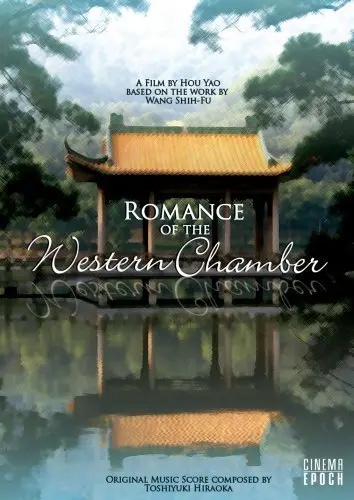
Instead, Yao's vision appears focused on clarity of storytelling and the emotional weight of the central dilemma. The depiction of the couple's clandestine union, for instance, would have been handled with extreme subtlety, relying on suggestion and implication rather than explicit imagery. A lingering shot on clasped hands, a shared glance, or a closed door would have communicated volumes to an audience attuned to such nuanced cues.
The choice of framing and composition would have been critical in conveying power dynamics. Perhaps a low-angle shot on disapproving parents, or a tight two-shot of the lovers against an expansive, indifferent landscape. These simple yet effective techniques were the bedrock of early cinematic language, and Yao's work here serves as a valuable document of that nascent artistry.
While the film's technical prowess might not dazzle a modern viewer, its directorial intent is clear: to tell a story of profound social consequence with the tools available. It's a testament to the ingenuity required to translate complex narratives onto the screen in an era when the medium itself was still finding its voice. Yao's direction, though constrained, provides a window into the thematic concerns that captivated early Chinese filmmakers.
The acting in "Xi xiang ji" is a fascinating study in the performance styles prevalent during the early days of cinema. Actors like Cho-cho Lam and Lin Chuchu, likely drawing from theatrical traditions, would have relied on expressive physicality and clear facial expressions to convey emotion, especially if the film was silent or an early talkie with limited sound fidelity.
The challenge for these performers was immense. Without the benefit of extensive dialogue or sophisticated sound design, every gesture, every shift in posture, and every nuanced look had to communicate the internal turmoil and defiant love of their characters. Consider the scene where the couple decides to consummate their marriage; it would have demanded a delicate balance of vulnerability, resolve, and underlying tension from Lam and Chuchu.
The supporting cast, including names like Yinlan. Li, Liu Huamin, and Cijiang Ge, would have been crucial in establishing the rigid societal backdrop against which the central romance plays out. Their portrayals of parental disapproval or community expectation, even if broadly drawn, would have amplified the stakes for the protagonists. The weight of tradition, embodied by these characters, would have been palpable.
While modern audiences might find some performances to be overly dramatic or understated, it's essential to view them through the lens of their historical context. These actors were pioneers, developing a new craft. Their work in "Xi xiang ji" offers valuable insight into how emotions were portrayed on screen before the advent of method acting or advanced cinematic techniques. It’s less about naturalism and more about effective communication within the medium's nascent capabilities.
The cinematography of "Xi xiang ji," while basic by today's standards, would have been instrumental in establishing the film's tone and conveying its narrative. Expect static, wide shots that capture entire scenes, giving the audience a sense of theatricality rather than immersive realism. Close-ups, if used, would have been sparing and highly impactful, perhaps to highlight a significant emotional beat on Cho-cho Lam's face as she contemplates her bold choice.
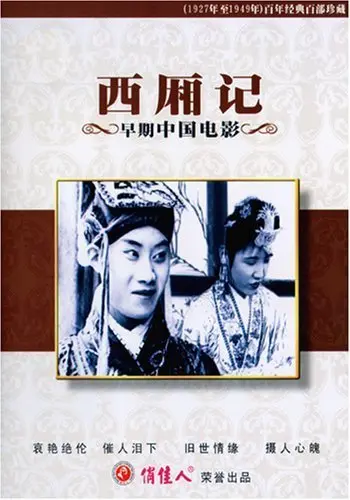
The pacing is likely to be slow and deliberate, a characteristic of early cinema where narrative unfolded with a measured rhythm, allowing audiences to absorb the tableau-like compositions. This contemplative pace, while potentially challenging for modern viewers accustomed to the rapid cuts of films like Children of the Whirlwind, serves to emphasize the gravity of the couple's decisions and the weight of their societal rebellion. Every moment feels earned, every choice deliberate.
The tone of the film is a fascinating blend of romantic yearning and quiet subversion. It's not a boisterous comedy, nor is it a tragic melodrama in the vein of A Woman Who Sinned. Instead, there's an underlying tension, a sense of forbidden fruit that permeates the atmosphere. The visual style, with its often stark, high-contrast imagery (if black and white), would have amplified this dramatic tension, creating a sense of inevitability around the lovers' fate.
It’s crucial to remember that this film was made in an era of nascent technology. Special effects were non-existent, and even basic lighting techniques were still being refined. The beauty of "Xi xiang ji" therefore lies not in its visual spectacle, but in its ability to tell a compelling, culturally significant story using the most fundamental cinematic language. It is a document of defiance.
The true genius of "Xi xiang ji" lies not in its artistic polish, which is admittedly rudimentary by contemporary standards, but in its sheer audacity. It represents a crucial moment in Chinese cinematic history, demonstrating an early willingness to adapt traditional narratives and infuse them with modern (for its time) thematic interpretations. By focusing on a couple who defy parental authority, the film implicitly critiques the rigid social structures of its era.
Its legacy is perhaps more academic than popular. It's a film that historians and scholars of East Asian cinema point to as a foundational text, a testament to the early exploration of complex human relationships on screen. While it might not have the widespread recognition of some later Chinese films, its importance as an artifact of cultural and cinematic evolution is undeniable. It paved the way, however subtly, for future narratives that would continue to challenge societal norms.
Comparing it to other films of its period, like perhaps Shadows or Such a Little Queen from the Western world, highlights both universal narrative themes and distinct cultural approaches. While Western cinema was also grappling with new narrative forms, "Xi xiang ji" provides a unique lens into how these universal struggles were articulated within a specifically Chinese context. It’s less a love story in the Western sense and more a quiet protest disguised as romance, a bureaucratic rebellion of the heart.
It reminds us that cinema, from its earliest days, has been a powerful medium for reflecting and, at times, reshaping cultural values. "Xi xiang ji" stands as a testament to this power, a brave early voice in a cinematic tradition that would grow to become globally influential. It works. But it’s flawed. And that’s precisely why it remains so fascinating.
Yes, for a specific audience. It offers a rare glimpse into early Chinese cinema and its societal commentary. If you value historical context and groundbreaking narrative themes, it holds significant value. However, modern viewers seeking fast-paced entertainment or high production quality may find it challenging. It's an important historical artifact, not a casual watch.
"Xi xiang ji" is not a film for everyone, nor does it pretend to be. It is a vital, if somewhat challenging, piece of cinematic history that speaks volumes about its era's social anxieties and burgeoning artistic freedoms. Its importance lies not in its entertainment value for a modern audience, but in its audacious thematic content and its position as a foundational text. For those willing to engage with its historical context and appreciate its pioneering spirit, it offers a profoundly insightful, if austere, viewing experience. It's less a film to be passively enjoyed and more one to be studied and respected. It works. But it’s flawed. And that’s precisely why it remains so fascinating.

IMDb —
1934
Community
Log in to comment.