DbcultAccessing Vault...
Cult Review
Senior Film Conservator
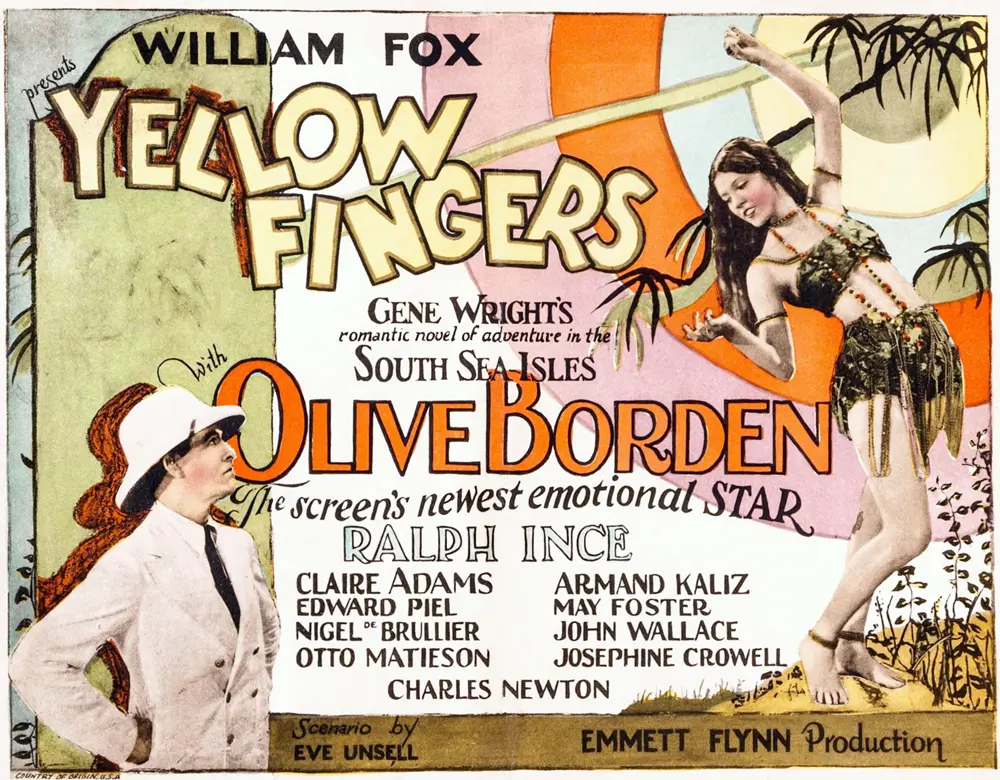
Short answer: Yes, but with reservations. Yellow Fingers, a 1924 silent film set in the south seas, offers a compelling narrative and strong performances, making it worth watching for history buffs and silent film enthusiasts. However, it falls short in certain areas, such as pacing and character development, which can be a drawback for more modern audiences.
Who should watch it: Fans of silent films, those interested in early 20th-century storytelling, and those looking for a unique viewing experience.

Who should skip it: Contemporary viewers seeking a more polished cinematic experience or those uninterested in silent films.
Yellow Fingers tells the story of Captain Shane, a respected trader in the south seas, who takes care of Saina, the half-caste daughter of his deceased business partner. The plot thickens as Saina overhears Captain Shane expressing love for a white girl, leading to a series of events that culminate in her plotting to hand the girl over to an evil Chinese master criminal. The film stars Nigel De Brulier and Olive Borden, with a supporting cast that includes Armand Kaliz, May Foster, and Ralph Ince.

The performances in Yellow Fingers are strong, particularly those of Nigel De Brulier as Captain Shane and Olive Borden as Saina. De Brulier brings a commanding presence to the role of Captain Shane, while Borden captures the complexity of Saina's character, from her innocent beginnings to her dark transformation. The supporting cast, including May Foster and Ralph Ince, also deliver solid performances, adding depth to the story.
Under the direction of Frank Gardner, Yellow Fingers benefits from a well-paced narrative and effective use of visual storytelling. The film's cinematography is particularly noteworthy, with stunning shots of the south seas and a visually rich depiction of the Chinese master criminal's lair. However, the film's pacing can be slow at times, which may not appeal to modern viewers accustomed to faster-paced narratives.
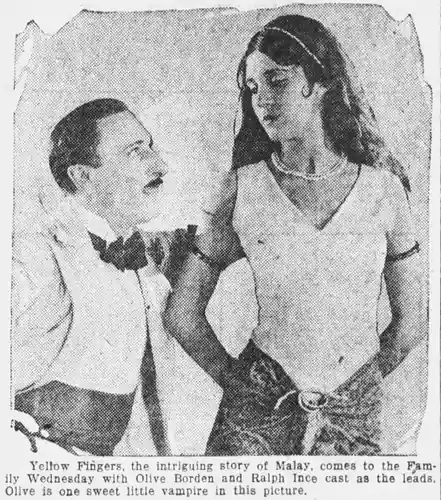
The plot of Yellow Fingers is engaging, with a mix of romance, betrayal, and action. The film's tone is primarily serious, with moments of tension and drama that keep the audience engaged. However, the tone can feel somewhat heavy-handed at times, with some scenes relying too heavily on exposition and dialogue to convey the story's events.
When compared to other silent films of the era, such as Turn About or Paradise Garden, Yellow Fingers stands out for its strong performances and visually rich cinematography. However, it may not match the polish and sophistication of later silent films, such as Das Milliardentestament.

Short answer: Yes, but with reservations. Yellow Fingers is a compelling silent film that offers a unique viewing experience, but its pacing and tone may not appeal to all audiences.
Yellow Fingers works because of its strong performances and visually rich cinematography. The film's storytelling is engaging, with a mix of romance, betrayal, and action that keeps the audience engaged. However, it fails because of its slow pacing and heavy-handed tone, which can be off-putting for modern viewers. You should watch it if you are a fan of silent films or interested in early 20th-century storytelling.

Yellow Fingers is a worthwhile film for those interested in silent cinema and early 20th-century storytelling. While it may not be as polished as later films, its strong performances and visually rich cinematography make it a compelling watch. However, its slow pacing and heavy-handed tone may not appeal to all audiences, so it's worth considering your personal preferences before watching.
Yellow Fingers is a worthwhile film for those interested in silent cinema and early 20th-century storytelling. While it may not be as polished as later films, its strong performances and visually rich cinematography make it a compelling watch. However, its slow pacing and heavy-handed tone may not appeal to all audiences, so it's worth considering your personal preferences before watching.
IMDb 6.7
1934
Community
Log in to comment.