DbcultAccessing Vault...
6.5/10
Senior Film Conservator
A definitive 6.5/10 rating for a film that redefined the boundaries of cult cinema. Yellow Lily remains a cornerstone of transgressive art.
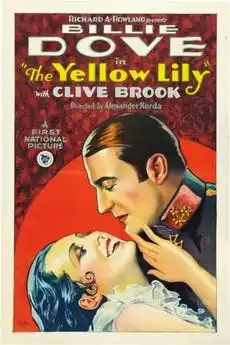
If you have a soft spot for the last gasps of the silent era—the ones where everyone looks like they’re made of porcelain and the sets are dripping with shadows—Yellow Lily is fine. It’s not a masterpiece. It’s a movie for people who like to watch Clive Brook look mildly inconvenienced by his own wealth. If you want a fast-paced plot, you’ll probably be checking your watch by the twenty-minute mark.
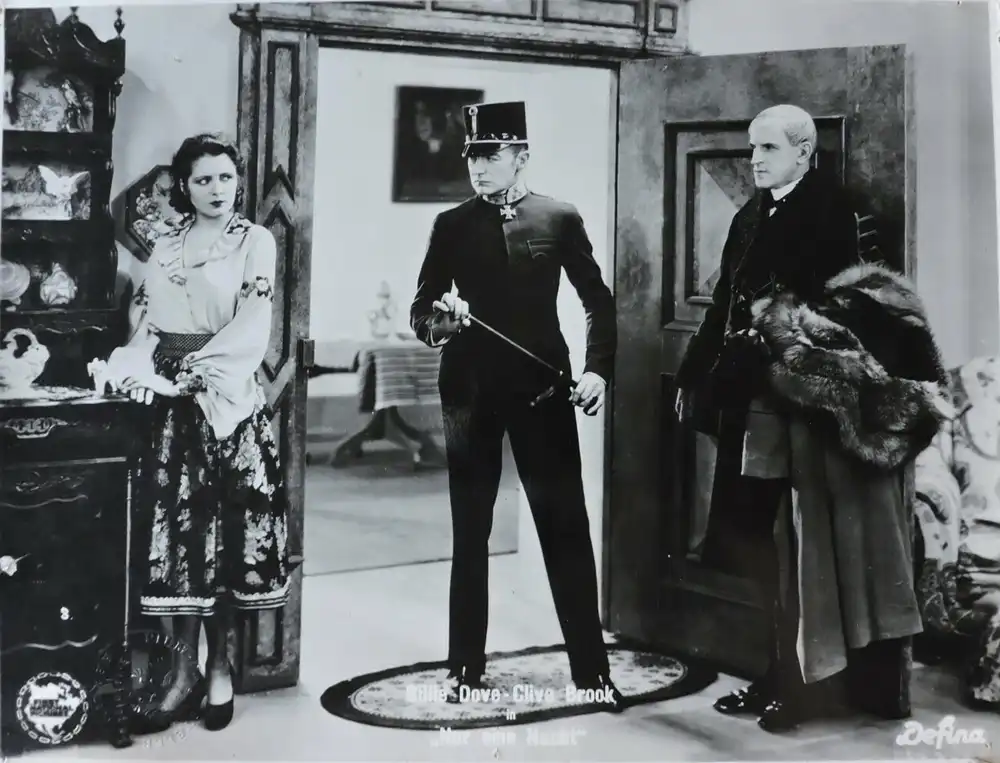
There’s this specific shot early on where Alexander is at his hunting lodge. The lighting is doing a lot of heavy lifting. He’s supposed to be this legendary debauchee, but Brook plays him with such stiff, British reserve that he looks more like he’s waiting for a bus than planning a scandal. He has this way of holding a cigarette that feels like it was rehearsed for three hours in front of a mirror. He doesn't look like a man who has ever actually had a wild night in his life.
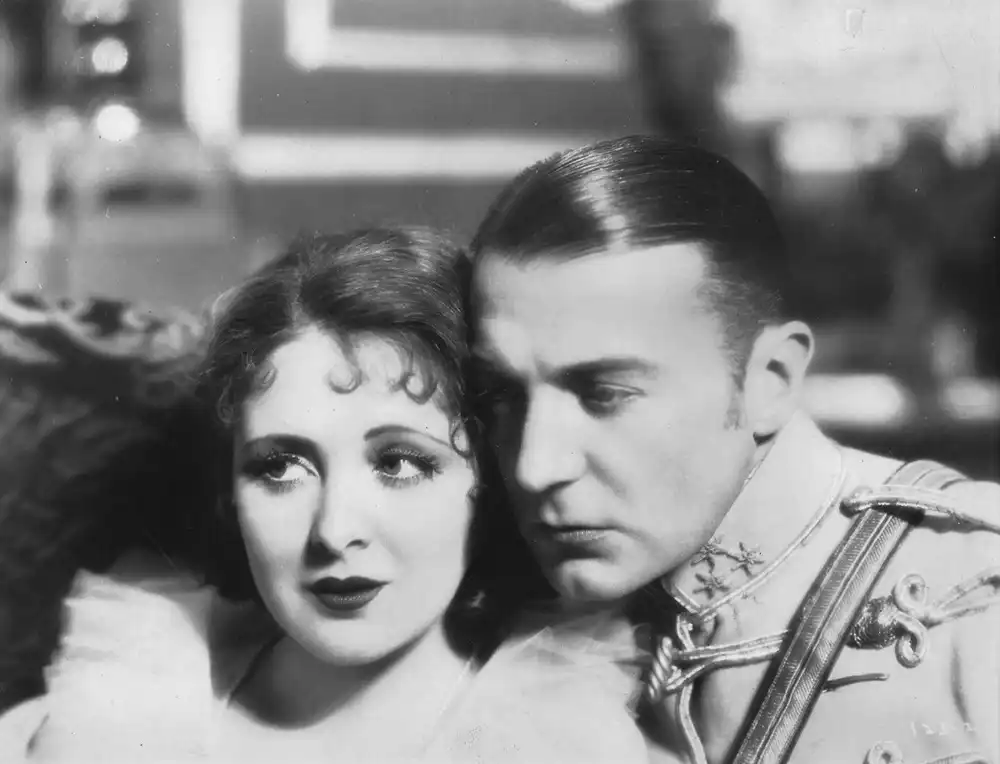
Billie Dove as Judith is the real reason this thing stays afloat. She has that 1920s glow that feels almost radioactive. There’s a moment where she’s standing by a window, and the light hits the side of her face, and for about five seconds, the movie stops being a generic melodrama and actually feels like art. Then her brother walks in and ruins the vibe.
The brother, Eugene, played by Nicholas Soussanin, spends most of his screen time looking like he just smelled something bad. He’s the doctor, so he knows 'the ways of the world,' which in movie terms means he’s there to stop anyone from having fun. His warnings to Judith are delivered via these massive, wordy intertitles that feel like they’re shouting at you. The chemistry between him and Dove is weirdly cold; you don't really buy them as siblings who care about each other, just two people who happen to live in the same house and disagree about Archdukes.
I noticed a weird edit during the dinner scene. One second, a glass is half-full, the next it’s empty, then it’s full again. It’s the kind of thing you only catch if you’re bored with the dialogue—or lack thereof. It makes the whole sequence feel slightly disjointed, like they were rushing to finish before the sun went down. The extras in the background of the village scenes also have this habit of staring directly into the camera for a split second before remembering they’re supposed to be 'peasants.'
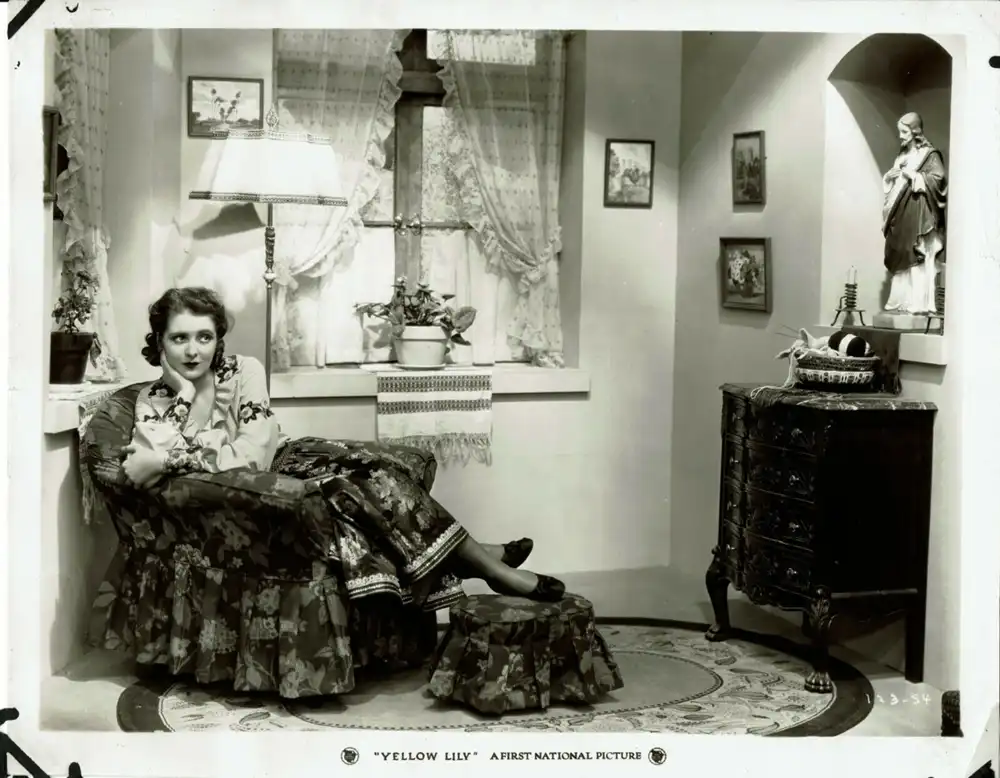
Gustav von Seyffertitz is in this, which is a win. He has a face that was built for silent cinema—all sharp angles and suspicious eyes. He doesn't have to do much; he just stands there and the tension goes up by twenty percent. He’s much more interesting than the lead, honestly.
The 'Yellow Lily' itself is a bit on the nose. Judith is the lily. Alexander is the guy who wants to pick the lily. It’s laid on thick. There’s a shot of a literal lily that lingers for so long it starts to feel like a commercial for a florist. We get it. She’s pure.
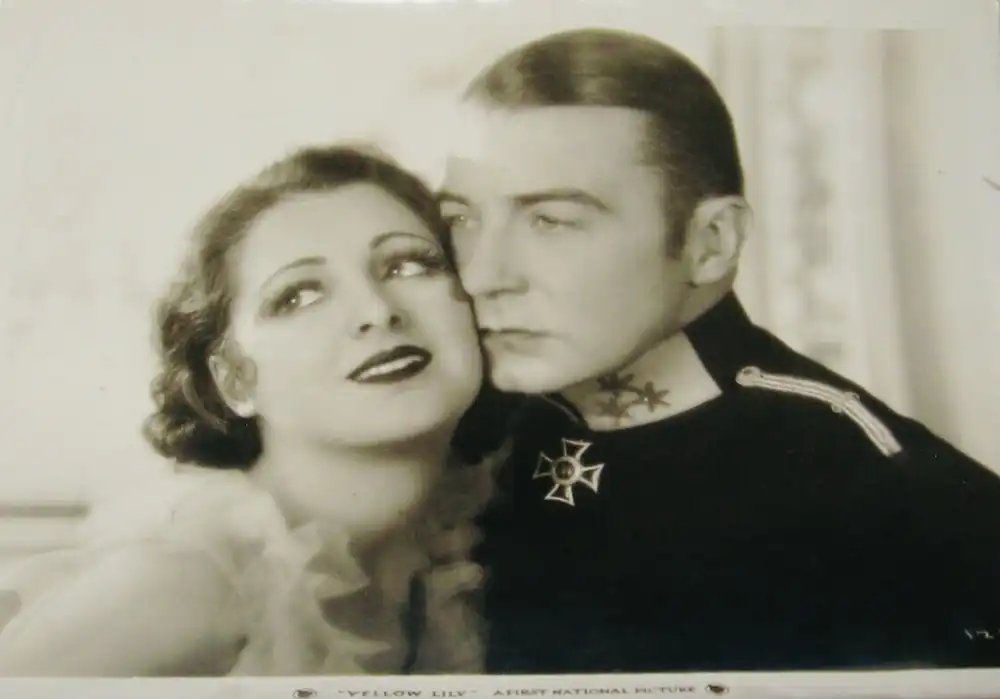
I kept thinking about the costumes. The uniforms are so stiff. You can see Clive Brook struggling to turn his head because the collar is so high. It adds to the character—this sense of being trapped by his own rank—but I suspect it was just uncomfortable for the actor. He looks like he's being choked by his own prestige in every single scene.
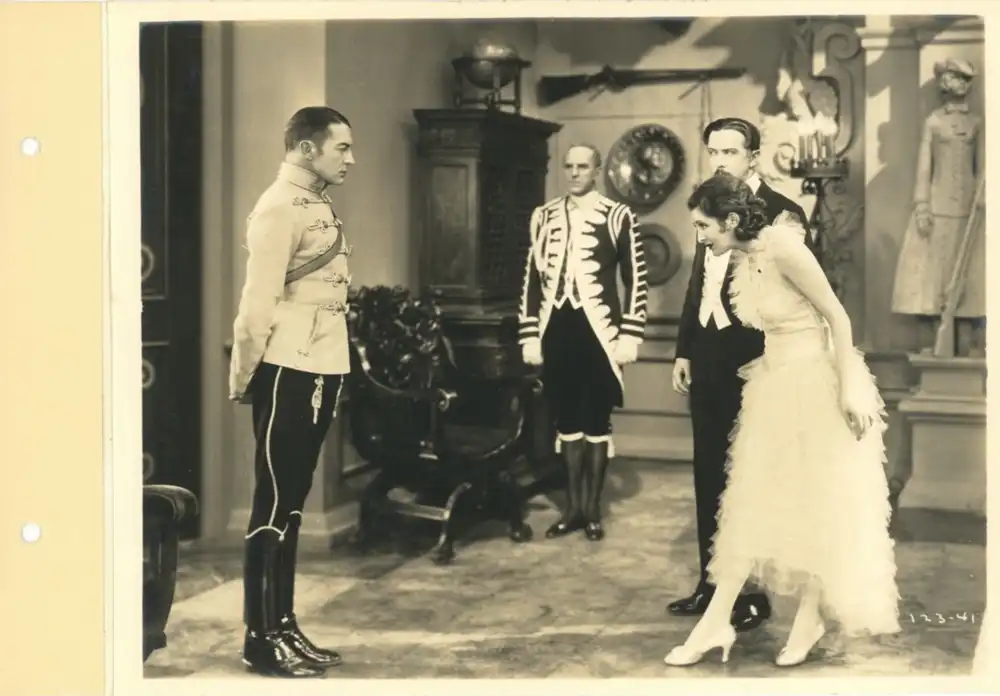
The hunting lodge scenes have this weirdly empty quality. There are all these servants moving in the background, but they feel like ghosts. They don't seem to have any life outside of waiting for Alexander to drop a glove. It makes the romance feel very isolated, like it's happening in a vacuum. It lacks the lived-in texture of something like Rue de la paix, which handled its atmosphere with a bit more grace.
There's a scene where Judith rejects him, and she does this thing with her hands—clutching her throat—that feels very 'acting with a capital A.' It’s the kind of silent movie gesture that hasn't aged well, but in the moment, you can tell she's really selling it. The movie gets noticeably better once it stops trying to be a grand tragedy and just lets the two of them stare at each other.
The ending is what you’d expect. It’s that 1928 style where everything has to be resolved with a grand gesture that feels a bit unearned. It’s a bit silly, but by that point, you’re either in for the ride or you’ve already turned it off. It’s a movie for a rainy Sunday when you don’t want to think too hard, you just want to look at beautiful people in big hats and high collars. It’s not essential viewing, but for Billie Dove fans, it’s a nice enough way to spend ninety minutes.
IMDb —
1921
Community
Log in to comment.