DbcultAccessing Vault...
Cult Review
Senior Film Conservator
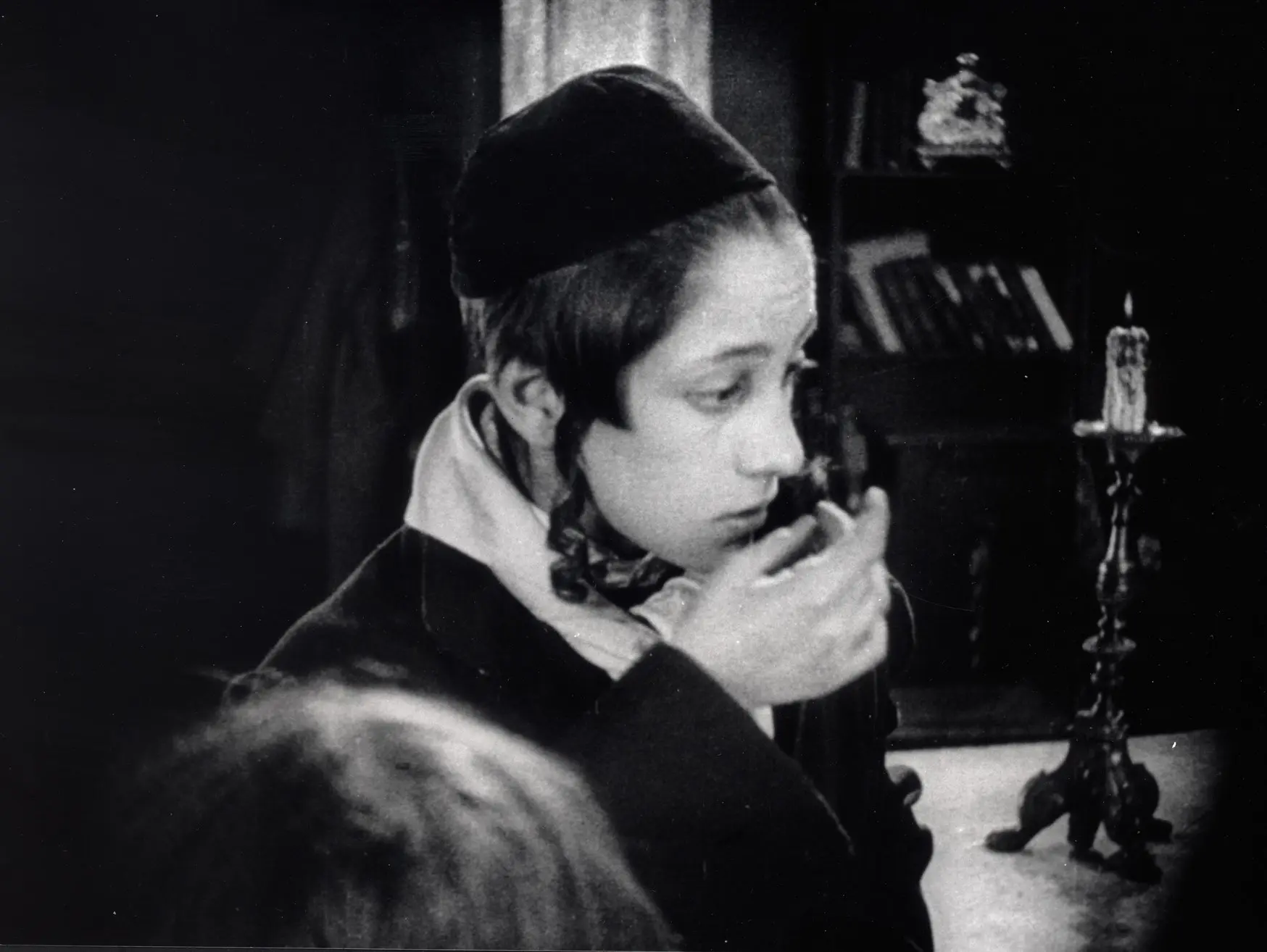
Is Henry Roussel's 1920s drama, La terre promise, still worth your time in an age of instant gratification and hyper-realistic effects? Short answer: yes, but with significant caveats. This is a film for those who appreciate the foundational artistry of early cinema, particularly its capacity for raw, emotional storytelling conveyed through gesture and light. It is decidedly not for viewers accustomed to fast pacing, explicit dialogue, or unambiguous resolutions.
Roussel’s work is a relic, certainly, but one that hums with a quiet, enduring power, offering a window into the anxieties and hopes of a bygone era. For the patient and the historically inclined, it offers profound insights into human resilience and the elusive nature of dreams, echoing the timeless struggles of migration that persist even today.

In 'La terre promise,' Roussel crafts a deeply human story, stripping away the comfort of dialogue to lay bare the universal pangs of hope, migration, and the often-brutal collision of aspiration with reality. The film follows Jacques and Marie, portrayed with remarkable earnestness by Pierre Blanchar and Raquel Meller, as they forsake their impoverished European village for the fabled 'promised land.' This isn't merely a geographical move; it's a desperate leap of faith into the unknown, fueled by the era's pervasive narrative of economic opportunity and a fresh start.
What Roussel masterfully captures is the stark contrast between the idealized vision and the harsh truth. The 'promised land' is not paved with gold but with grit and grime, its promise often a mirage shimmering just beyond reach. The early scenes of their village, rendered in a melancholic chiaroscuro, evoke a sense of inevitable departure, while the later urban landscapes, with their towering, impersonal structures and suffocating tenements, immediately signal a loss of intimacy and community, replaced by the isolating anonymity of the metropolis. They face not only demanding factory work but also the subtle, corrosive effects of cultural alienation and the language barrier.

The film works because it taps into a timeless human experience: the yearning for a better life and the sacrifices made in its pursuit. It fails because its reliance on broad melodramatic strokes, while typical of its era, occasionally dilutes the nuanced social commentary it strives to achieve, sometimes feeling more like a cautionary tale than a complex character study. You should watch it if you are prepared to engage with cinema as a historical artifact, willing to decipher emotions from exaggerated gestures and derive meaning from the interplay of light and shadow, rather than explicit verbal cues.
To truly appreciate 'La terre promise,' one must contextualize it within the burgeoning art form of early 20th-century cinema. Roussel, alongside his cinematographer, employs techniques that were both innovative and standard for the period, creating a visual language rich in symbolism. The camera often lingers on faces, allowing the actors' expressions to carry the narrative weight, a testament to the power of non-verbal communication.
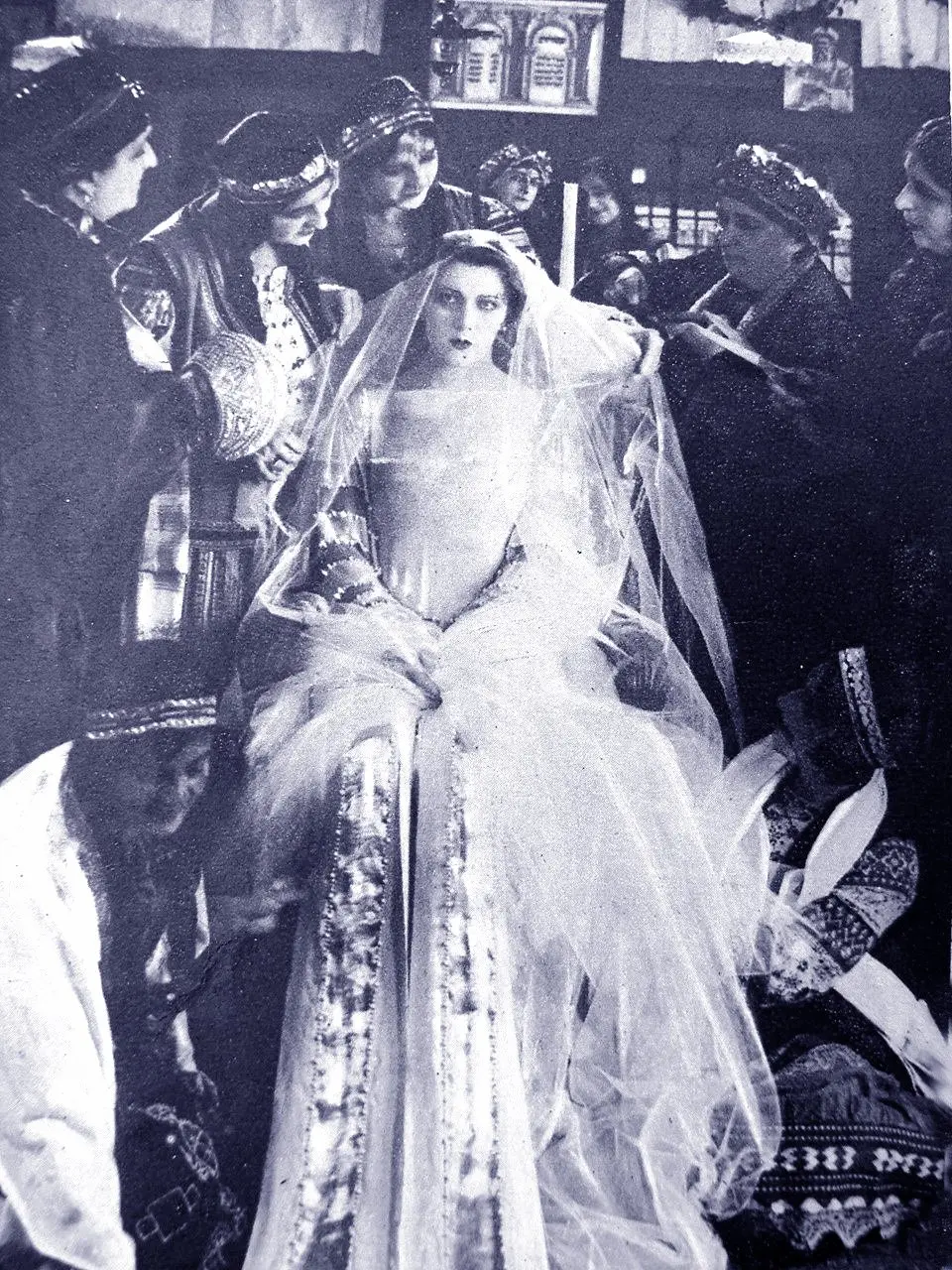
Consider the scene where Jacques first encounters the squalor of his new factory job. The camera, rather than simply showing the grim conditions, focuses on Blanchar's eyes – wide with a mixture of shock and dawning despair. This close-up, a relatively bold choice for the time, communicates volumes without a single intertitle. It's a moment of profound realization, an unspoken 'Oh, so this is it.' Similarly, Roussel's use of iris shots to punctuate particularly devastating revelations, slowly closing in on a character's face, intensifies the emotional impact, drawing the viewer into their private anguish.
The use of parallel editing is also notable, particularly in sequences contrasting the couple's idyllic memories of their homeland with the brutal reality of their new life. A quick cut from a sun-drenched pastoral scene to a dimly lit, crowded tenement apartment speaks volumes about their lost innocence and the crushing weight of their present circumstances. This kind of visual juxtaposition, while common now, felt potent and groundbreaking then, effectively conveying the emotional chasm between expectation and reality.
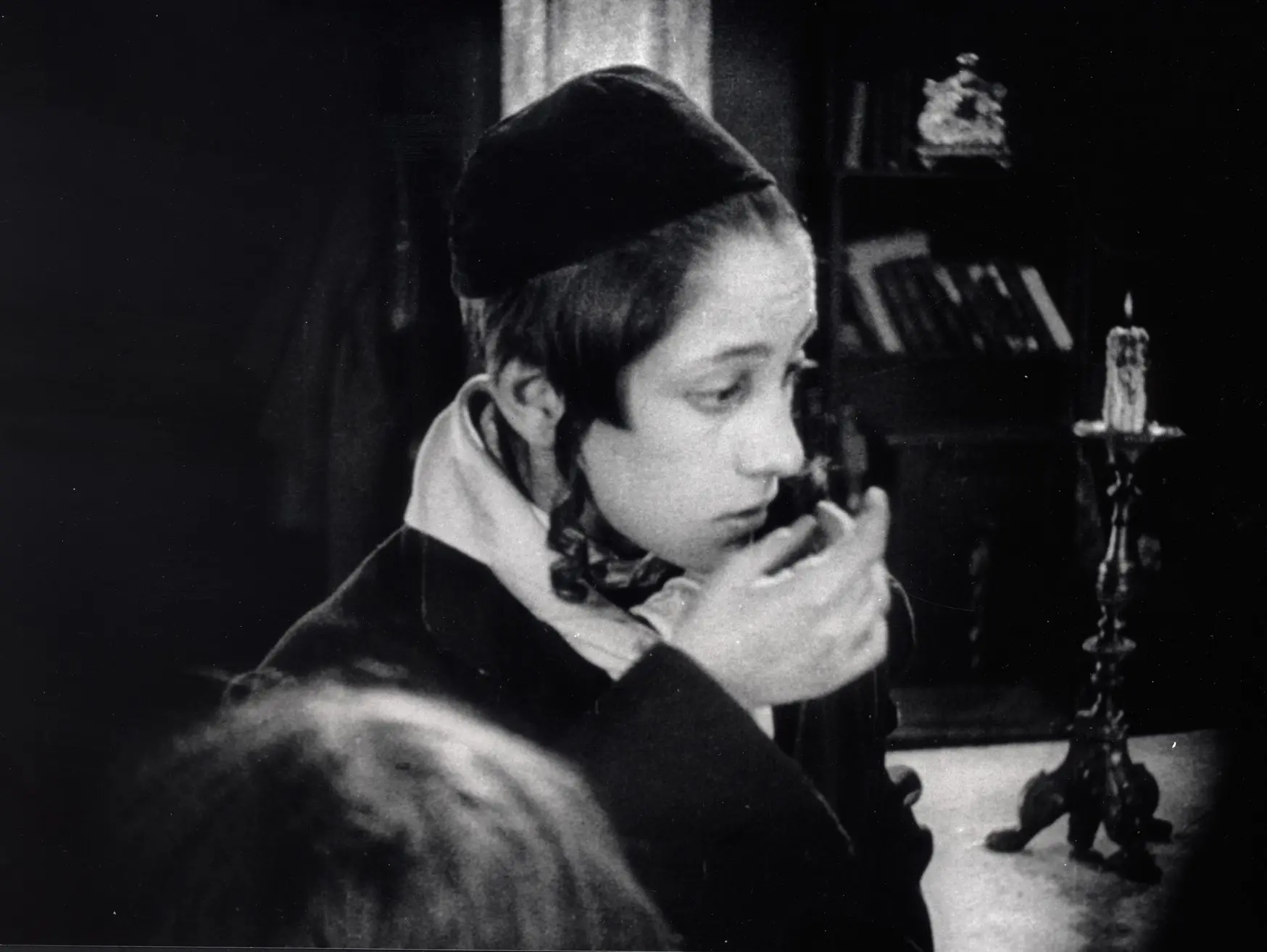
The strength of 'La terre promise' rests heavily on the shoulders of its lead performers, Pierre Blanchar and Raquel Meller. Blanchar, as Jacques, embodies the archetypal hopeful immigrant, his initial idealism slowly giving way to a weary resignation. His performance is a masterclass in silent suffering, his posture and gait gradually reflecting the burdens he carries. There’s a particular scene where he attempts to write a letter home, his hand trembling, his brow furrowed in concentration – a small, intimate moment that speaks volumes about the chasm between his current reality and the image he wishes to project to his family, a heartbreaking attempt to maintain a façade of success.
Meller, as Marie, is equally compelling, her expressive eyes conveying a spectrum of emotions from quiet strength to profound heartbreak. She avoids the pitfalls of over-the-top theatricality that plagued some silent film actresses, instead opting for a more nuanced portrayal. Her reaction to their first meal in the 'promised land' – a meager, unappetizing dish – is subtle, a slight downturn of the lips, a flicker of disappointment in her gaze, far more effective than any grand gesture. The silent chemistry between Blanchar and Meller is palpable; their shared glances and comforting touches convey a deep, unspoken love that becomes their only true anchor in a sea of despair.
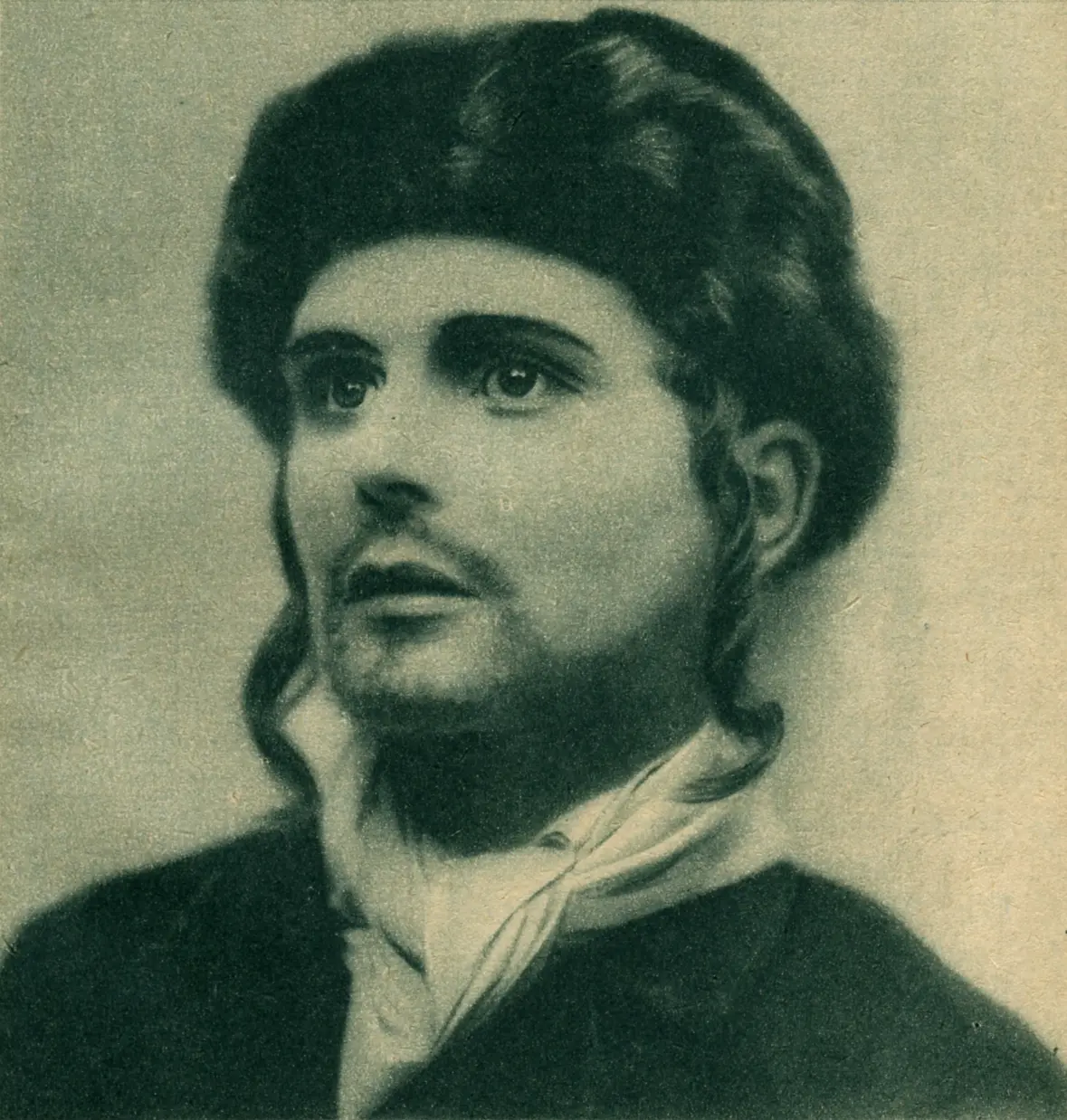
The supporting cast, including Jean Rauzena and Max Maxudian, contribute to the tapestry of the new world's harshness, often portraying figures of authority or exploitation with a chilling detachment. While their roles are less developed, they serve as crucial antagonists, embodying the systemic indifference faced by the protagonists, making their struggle feel even more insurmountable.
Henry Roussel’s direction is characterized by a deliberate pace and a clear thematic focus. He isn't interested in sensationalism for its own sake but in exploring the psychological toll of migration and the erosion of the human spirit under capitalism. The film’s tone is consistently melancholic, punctuated by brief, almost desperate, bursts of optimism that are quickly extinguished. This consistency, while sometimes challenging for modern audiences, is a strength, ensuring the film's message resonates deeply.
Roussel makes a bold statement, arguing that the true 'promised land' is not a physical place but an internal state of resilience and the unwavering bond of love. This is a debatable point, as some might argue that the film ultimately portrays a world where external forces are too overwhelming for internal strength alone to conquer. Yet, it’s a powerful stance, especially for a film of its era, suggesting that hope can persist even in the direst circumstances. Unlike the more straightforward adventure narratives prevalent at the time, such as the serialized thrills of The Bull's Eye, Roussel opts for a deeply personal, almost ethnographic study of human endurance, elevating his work beyond mere entertainment.
The film’s pacing, while slow by today's standards, allows the audience to fully immerse themselves in the characters' plight. Every hardship, every small victory, feels earned. Unlike the rapid-fire narrative of something like The Charm School, where plot points are delivered briskly, 'La terre promise' asks you to sit with its characters, to feel their struggle, to experience the relentless march of time and circumstance alongside them. This deliberate rhythm is central to its emotional impact, building a pervasive sense of dread and quiet determination.
The cinematography in 'La terre promise' is arguably its most enduring artistic achievement. The film utilizes light and shadow not just for mood, but as an active participant in the storytelling. The grim, industrial landscapes of the new city are
IMDb 7.3
1926
Community
Log in to comment.