DbcultAccessing Vault...
6.3/10
Senior Film Conservator
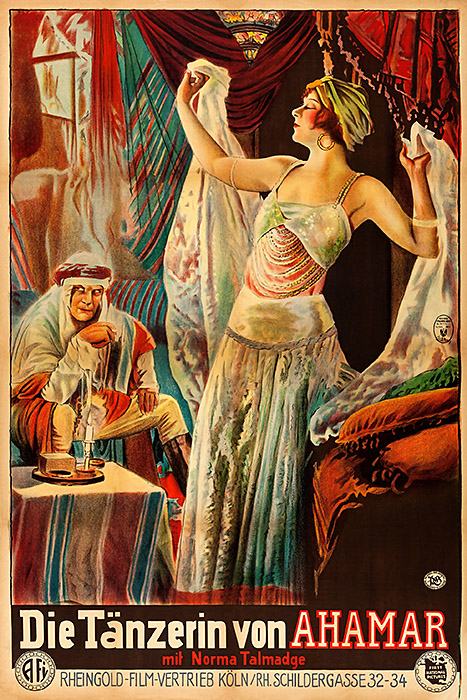
A definitive 6.3/10 rating for a film that redefined the boundaries of cult cinema. The Song of Love remains a cornerstone of transgressive art.
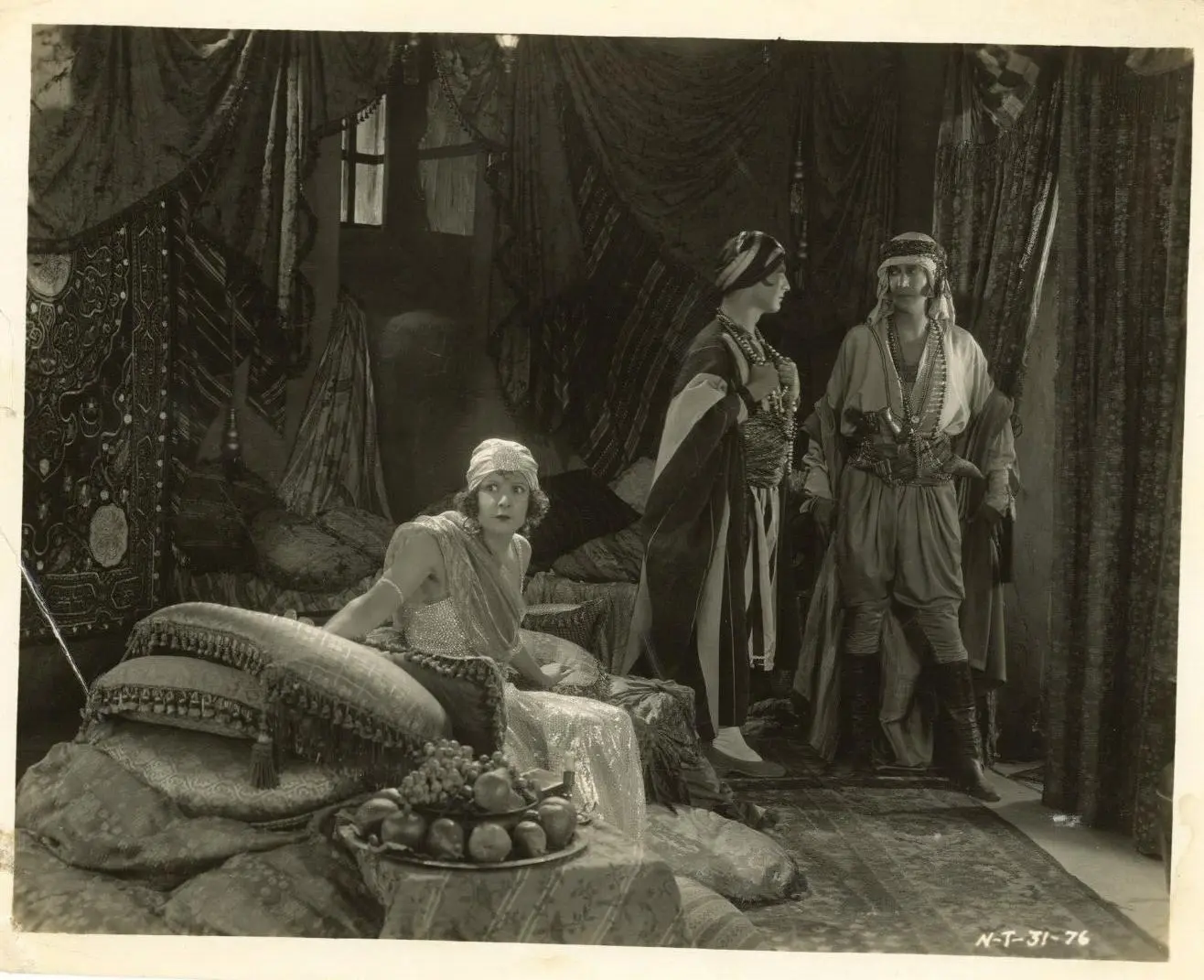
In the pantheon of silent cinema, few genres evoked as much visceral fascination as the "desert romance." Yet, to categorize The Song of Love (1923) as a mere byproduct of the post-Valentino craze would be a reductive oversight. This film, directed by Chester M. Franklin and Frances Marion, operates on a frequency of high-octane melodrama that leverages the immense star power of Norma Talmadge to explore themes of loyalty, espionage, and cultural hybridity. Unlike the more grounded domesticity found in The Shop Girl, this production flings its audience into a stylized North Africa, where the stakes are measured in blood and geopolitical stability.
Norma Talmadge’s portrayal of Noormhal is a masterclass in silent-era physicality. Often criticized for a perceived lack of range in her earlier works, here she demonstrates a feral intensity that contrasts sharply with her urban roles. Her movements are undulating and purposeful, reflecting a character who is both a victim of her environment and its most astute observer. When compared to the psychological nuances found in The Master Mind, Talmadge’s performance in this desert epic feels more primal, more urgent. She doesn't just act; she inhabits the kinetic desperation of a woman caught between the iron-clad traditions of her tribe and an intoxicating, dangerous love for a foreign interloper.
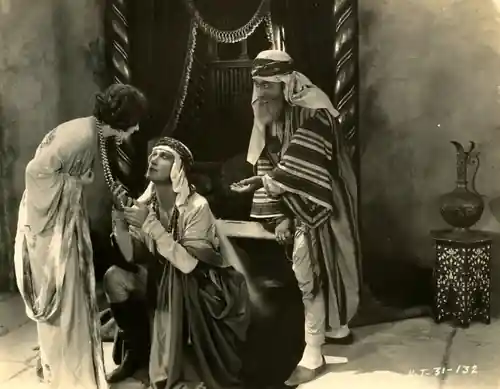
Joseph Schildkraut, as Raymon, provides the necessary counterweight. His performance is one of calculated restraint, a stark departure from the histrionics often associated with 1920s leading men. He plays the French agent with a brooding intelligence that suggests a world of internal conflict, much like the characters seen in The Hidden Law. The chemistry between Talmadge and Schildkraut is not merely romantic; it is a collision of worlds. Their interactions are filmed with a focus on lingering gazes and subtle shifts in posture, allowing the subtext of their forbidden union to breathe through the screen.
The cinematography of The Song of Love is nothing short of revolutionary for its time. The use of natural light to capture the vast, oppressive beauty of the desert creates a sense of scale that dwarfed many of its contemporaries. The shadows in the Tuareg camps are deep and menacing, hinting at the clandestine plots being hatched against the French colonial forces. This visual depth is reminiscent of the atmospheric tension in Zapugannii burzhui, where the environment itself becomes a character in the unfolding drama.
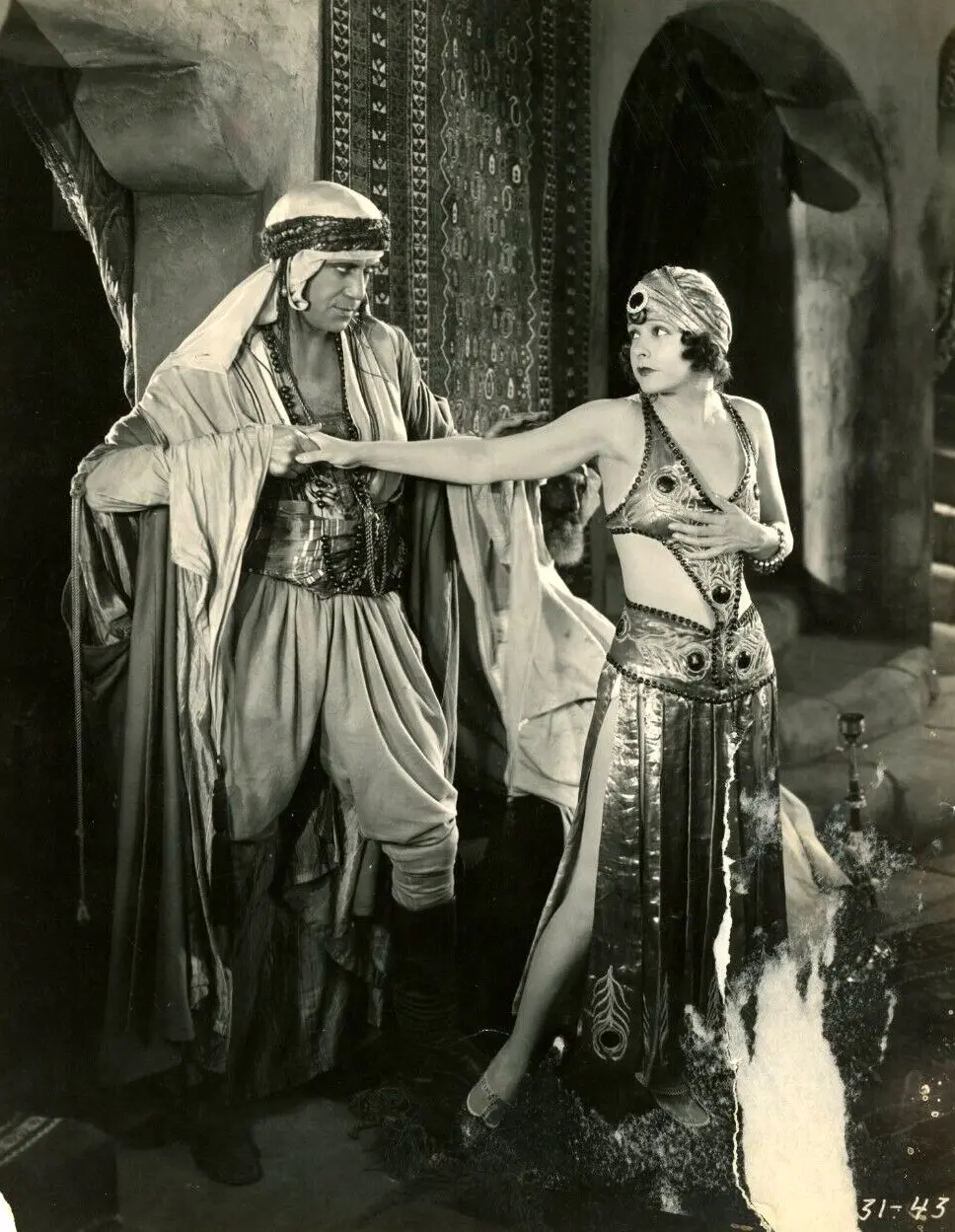
Frances Marion’s screenplay—adapted from Margaret Peterson’s novel—is a lean, muscular piece of writing. Marion, a titan of the silent era, understood that in a visual medium, dialogue cards should be sparse and evocative. She crafts a narrative that moves with the relentless pace of a sandstorm. While films like Sa gosse focused on the intimate, domestic struggles of the heart, The Song of Love expands its canvas to include the macro-political. The insurrection led by Ramar (Arthur Edmund Carewe) is not just a plot device; it is a reflection of the era’s anxieties regarding the crumbling of empires and the rise of nationalist fervor.
In the broader context of 1923 cinema, The Song of Love sits at a fascinating intersection. It possesses the raw action of The Double O, yet retains the moral complexity of Sealed Lips. The film’s exploration of sacrifice and the "fallen woman" who finds redemption through bravery is a recurring motif in Talmadge’s filmography, notably echoed in The Eternal Question. However, the desert setting provides a unique crucible for these themes. The isolation of the dunes strips the characters of their societal veneers, forcing them into a state of emotional honesty that is rarely seen in urban dramas like A Daughter of the City.
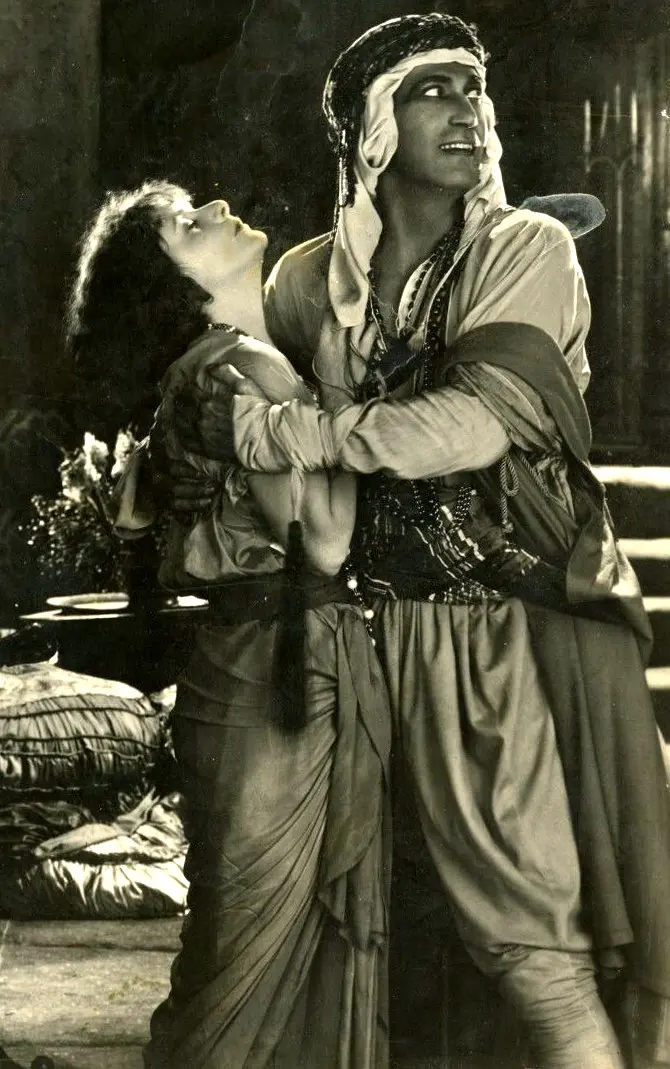
One must also consider the supporting cast, who populate this world with a vivid, if sometimes stereotypical, energy. Arthur Edmund Carewe’s Ramar is a formidable antagonist, exuding a quiet menace that is far more effective than the mustache-twirling villains of The Red-Haired Cupid. The ensemble, including Albert Prisco and James Cooley, creates a sense of a living, breathing community within the desert, making the eventual conflict feel personal rather than abstract. This attention to world-building is what separates a masterpiece from a mere genre exercise like The Tame Cat.
The climax of the film—a frantic race against time as Noormhal attempts to thwart the rebel ambush—is a triumph of editing and stunt work. The choreography of the desert chase sequences rivals the intensity of Pardon My Glove, yet it is imbued with a much higher emotional stakes. As the sun beats down on the fleeing lovers, the tinting of the film shifts to a harsh, golden hue, heightening the sense of peril. This use of color to manipulate the audience’s physiological response was a hallmark of high-budget silent features, and here it is used with surgical precision.
The resolution of the film avoids the saccharine endings common in films like The Policeman and the Baby. Instead, it leaves the audience with a sense of bittersweet triumph. Noormhal has saved her love, but at the cost of her identity and her homeland. It is a sophisticated conclusion that acknowledges the inherent tragedy of her position. This narrative bravery is what aligns the film more closely with the epic sensibilities of God and the Man, where the protagonists are often at the mercy of forces much larger than themselves.
Viewing The Song of Love through a modern lens requires a nuanced understanding of 1920s Orientalism. While the film certainly indulges in the exoticization of the Tuareg people, it also grants its central female character a level of agency that was progressive for the period. Noormhal is the architect of the film’s resolution; she is the one who perceives the danger, she is the one who acts, and she is the one who ultimately decides the fate of the mission. In this regard, she stands in stark contrast to the more passive heroines of A Daughter of the Poor.
The collaboration between Frances Marion and Norma Talmadge remains one of the most fruitful partnerships of the silent era. Their ability to elevate what could have been a standard adventure story into a poignant character study is the reason why The Song of Love continues to resonate with cinephiles today. It is a film that demands to be seen on a large screen, where the grandeur of the Algerian dunes and the expressive power of Talmadge’s face can be fully appreciated. It is a vibrant, pulse-pounding testament to the artistry of a bygone age, proving that even in the silence, a song of love can be deafeningly powerful.
Ultimately, the film serves as a bridge between the simplistic melodramas of the 1910s and the sophisticated, psychologically complex epics of the late silent period. It challenges its audience to look past the surface-level thrills of the "desert chase" and consider the deeper implications of cross-cultural empathy and the heavy price of loyalty. For those seeking a definitive example of Norma Talmadge at the height of her powers, The Song of Love is an essential, unmissable experience that defies the passage of time with its sheer emotional velocity.
IMDb —
1929
Community
Log in to comment.