DbcultAccessing Vault...
5.2/10
Senior Film Conservator
A definitive 5.2/10 rating for a film that redefined the boundaries of cult cinema. Yerkir Nairi remains a cornerstone of transgressive art.
If you are looking for a plot with a hero and a villain, you should probably skip this one. This is a movie for people who like to look at old textures and grainy black-and-white landscapes. History nerds will probably love it, but anyone expecting a story like The Adventures of Robinson Crusoe will be very confused.
It’s called Yerkir Nairi, which means Land of Nairi. That’s an old, poetic name for Armenia. The movie was made to show how great the first ten years of Soviet rule were. So, yeah, it is a propaganda film. But it’s a pretty one.
Amo Bek-Nazaryan directed it, and you can tell he really loved the way the light hit the mountains. He doesn't just show you a factory; he shows you the dust dancing in the air inside the factory. It’s those little things that make it feel human. Even if the message is forced, the camera doesn't lie about how beautiful the place is.
The first half is mostly ruins. There are these huge, crumbling stone walls and old churches that look like they’ve been there forever. It reminds me of the vibe in The Colosseum in Films, where the camera just sits and stares at history. There’s no rush. The silence in these scenes feels heavy.
Then, the movie gets loud—well, visually loud. Suddenly, there are tractors. So many tractors. Soviet movies from this era are obsessed with tractors. It’s like they thought a tractor was the most beautiful thing ever made. 🚜
There is one shot of a group of farmers looking at a new machine. They look so uncomfortable. You can tell the director told them to smile and look impressed, but they just look like they want to go back to work. It’s a very honest moment in a movie that’s trying to be a commercial.
I noticed that the film quality is pretty bad in some parts. There are scratches that look like rain falling over the desert. Honestly, I kind of liked it. It made the whole thing feel like a dream someone had a long time ago. It’s definitely not as polished as something like Bucking Broadway.
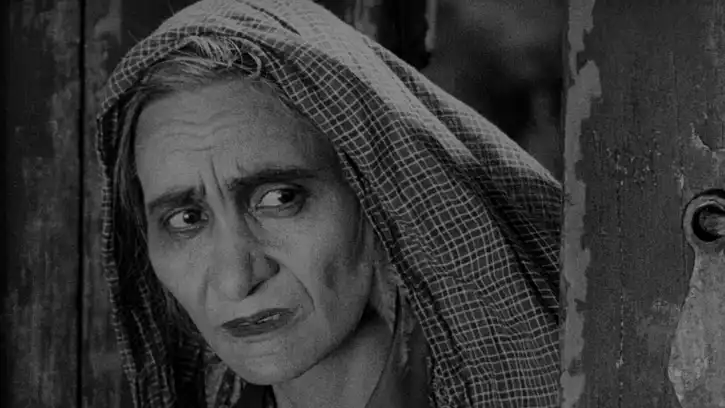
The faces of the old men in the village are incredible. They have these deep, deep wrinkles that look like the maps of the mountains they live on. One guy just stares into the lens for a few seconds too long. It’s awkward but also the best part of the movie. You wonder what he was thinking about the guy holding the camera.
The editing is actually really fast sometimes. It’s that old Soviet montage style where they cut between a spinning wheel and a person’s eyes. It’s supposed to make you feel excited about industry. It mostly just made me a little dizzy. But it shows that Bek-Nazaryan knew what he was doing with the rhythm.
There’s a part where they show new buildings going up in Yerevan. It’s weird to see a city being born out of mud and old stones. Everything looks so raw. It’s not like watching a travel video; it feels more like watching someone's old home movies they found in an attic. 🏠
Is it boring? Sometimes, yeah. If you don't care about how a canal is built, you might find yourself checking your phone. I definitely zoned out during the third or fourth shot of a water pipe. But then a shot of a mountain goat or a snowy peak comes on, and it’s breath-taking again.
It’s not a mystery or a thriller like Tih Minh. It doesn't have any twists. The ending is exactly what you expect: more progress, more flags, more happy people. But the texture of the film is what matters. It’s about the grit and the stones of Armenina (yes, I know I spelled that wrong, but that's how it felt—a bit messy).
I think the most interesting thing is how the movie treats the past. It shows the old ruins as something sad and dead, but the camera lingers on them with so much affection. It’s like the director couldn't help himself. He wanted to show the future, but he was clearly in love with the past.
You can find this online if you look hard enough. It’s short, so it won’t take up your whole afternoon. Just don't go in expecting a masterpiece of storytelling. Go in expecting to see a world that doesn't exist anymore. It’s a ghost of a movie, and those are usually the ones worth watching at least once. 🎞️
One last thing: the music in the version I watched was this weird, looping folk music. It didn't always fit. Sometimes it was way too happy for a shot of a barren desert. But that’s part of the charm of watching these old archival finds. Nothing is perfect, and that’s why it feels real.
IMDb —
1914
Community
Log in to comment.