A definitive 6.8/10 rating for a film that redefined the boundaries of cult cinema. You Never Know Women remains a cornerstone of transgressive art.
Is You Never Know Women a silent film that still commands attention in today's rapid-fire cinematic landscape? Short answer: yes, but with significant caveats that demand a particular kind of viewer. This 1926 drama, steeped in the melodramatic allure of the circus, offers a fascinating window into early filmmaking and human emotion, making it a compelling watch for cinephiles and those curious about the silent era, yet it will undoubtedly test the patience of viewers accustomed to modern pacing and explicit dialogue.
It's a vibrant, if occasionally overwrought, spectacle for those who appreciate the artistry of visual storytelling and the raw power of unspoken emotion. Conversely, if your cinematic palate leans towards fast cuts, complex narratives driven by dialogue, or contemporary psychological realism, this might feel like an arduous journey rather than an escapist delight.
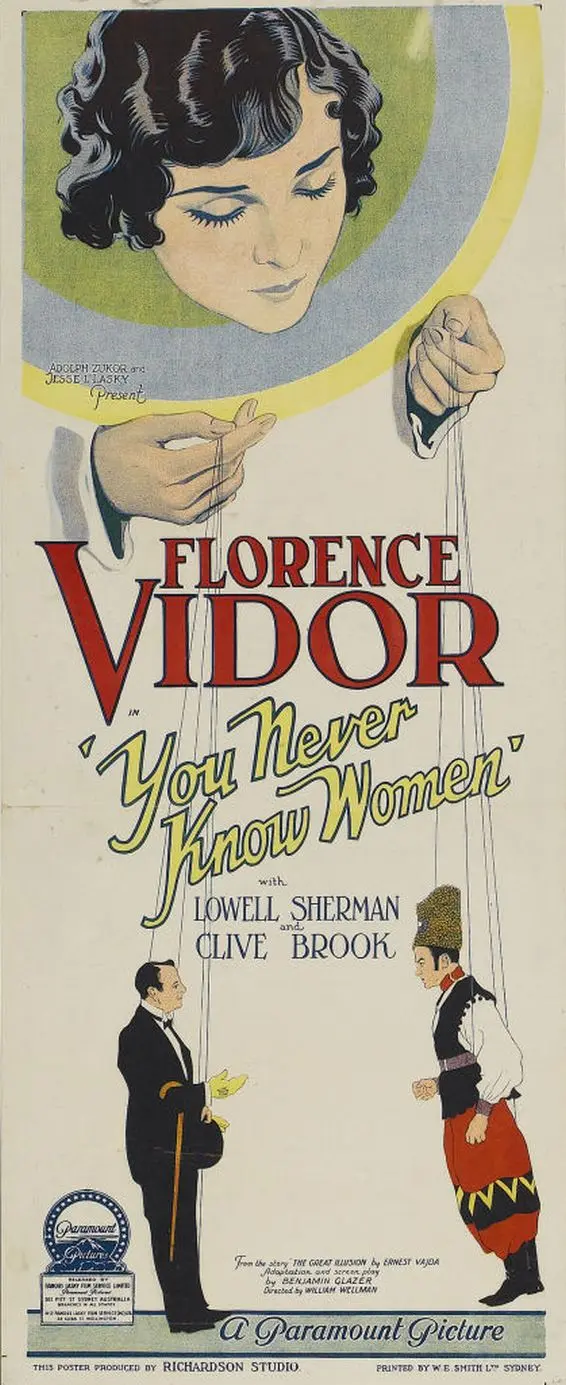
Scene from You Never Know Women
Cinematic perspective: Exploring the visual vocabulary of You Never Know Women (1926) through its definitive frames.
This film works because: Its visual poetry and the raw, unadulterated emotional performances transcend the lack of spoken dialogue, creating a surprisingly immersive experience.
This film fails because: Its reliance on silent-era melodrama can feel dated, leading to moments of emotional excess that might not resonate with contemporary sensibilities.
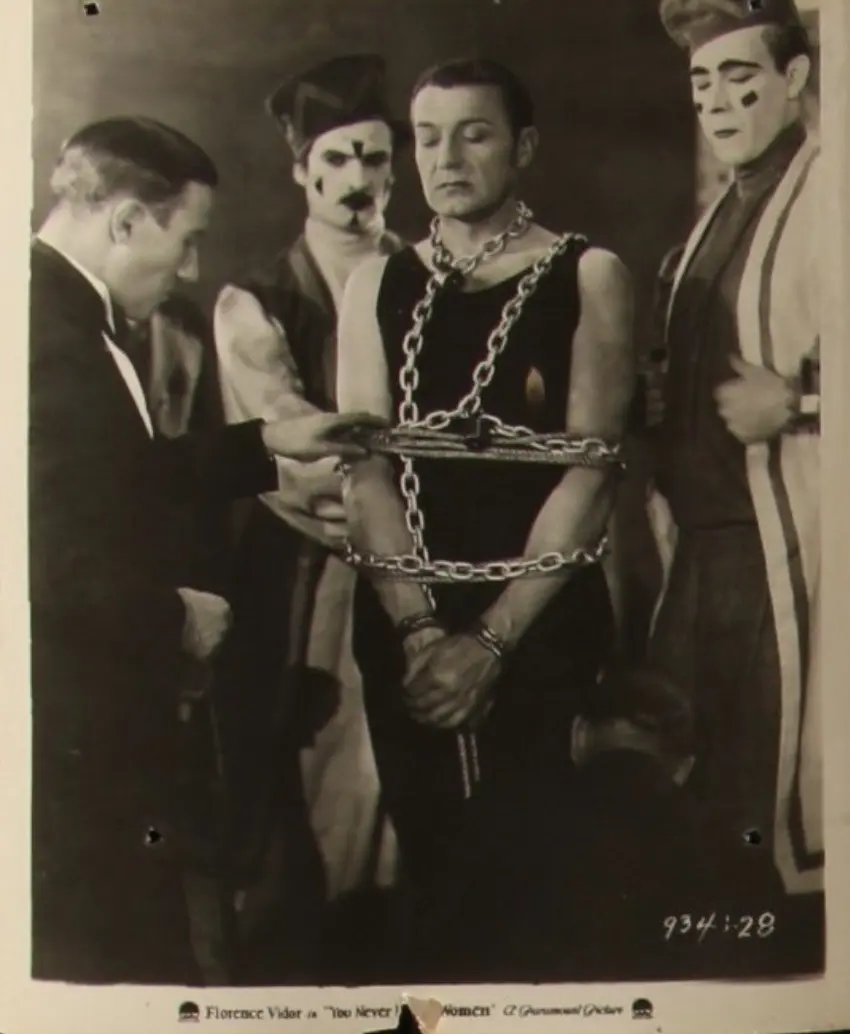
Scene from You Never Know Women
Cinematic perspective: Exploring the visual vocabulary of You Never Know Women (1926) through its definitive frames.
You should watch it if: You are a student of film history, a lover of the circus aesthetic, or someone who values the unique challenges and triumphs of silent-era storytelling.
Stepping into the world of You Never Know Women is like opening a time capsule to a forgotten era of cinematic romance. The film, a product of 1926, plunges us into the vibrant, often perilous, backdrop of a circus troupe, weaving a tale of passion, jealousy, and the inherent unpredictability of the human heart. It’s a bold assertion for any silent film to claim enduring relevance, but this particular drama possesses a kinetic energy and emotional core that, despite its age, still manages to captivate. It forces viewers to engage differently, to read faces and gestures, to interpret the unspoken.
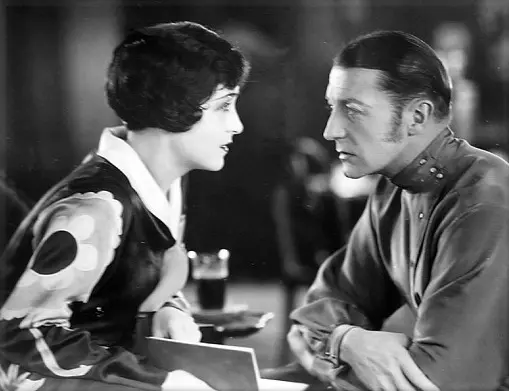
Scene from You Never Know Women
Cinematic perspective: Exploring the visual vocabulary of You Never Know Women (1926) through its definitive frames.
The Circus as a Canvas: A World of Illusion and Raw Emotion
The most immediate and striking element of You Never Know Women is its setting. The circus, in all its chaotic glory, is not merely a backdrop; it is a character in itself, pulsing with life and danger. From the opening frames, the filmmakers immerse us in a world of trapeze artists, strongmen, and clowns, each frame bursting with a visual energy that feels both fantastical and grittily real. The cinematography, while constrained by the technology of its time, masterfully captures the spectacle. We see the dizzying heights of the big top, the intricate rigging, the vibrant costumes, and the stark contrast between the performers' dazzling stage personas and their often somber off-stage realities.
There’s a palpable sense of community, but also of intense, claustrophobic competition. The camera often lingers on the faces of the performers, showing their concentration, their fear, and their triumphs. One particularly memorable sequence involves a high-wire act where the tension is almost unbearable, not just because of the physical danger, but because the emotional stakes of the love triangle are woven into the performance itself. It's a brilliant narrative device, transforming a mere stunt into a metaphor for the characters' precarious emotional balance. This isn't just a film about a circus; it's about how the circus shapes the souls who inhabit it.
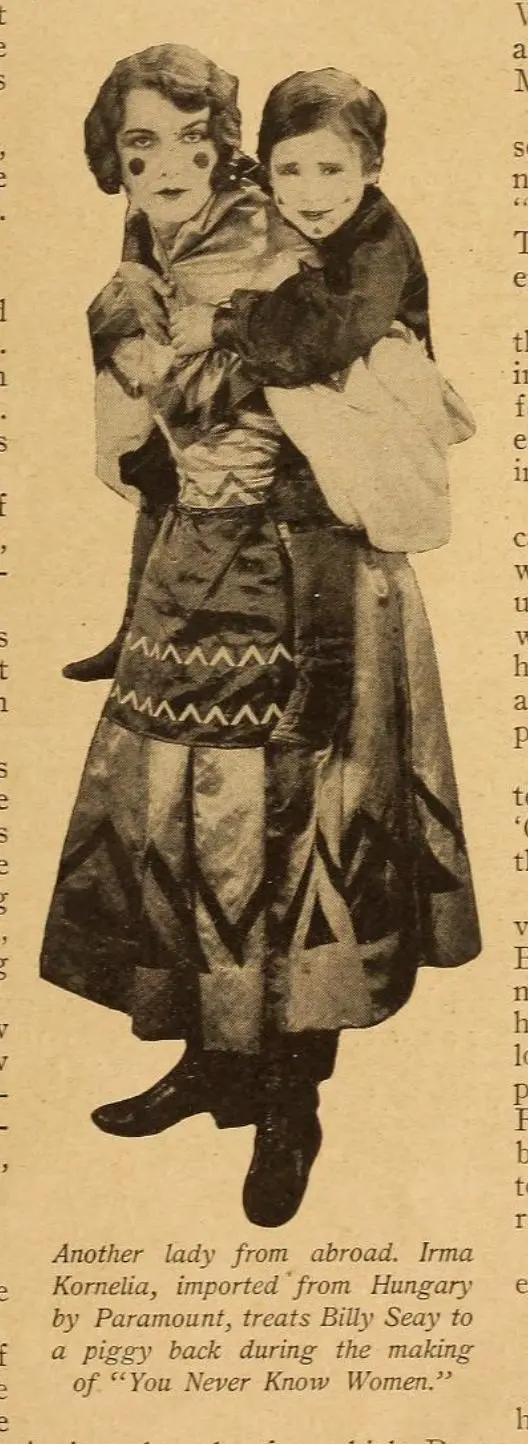
Scene from You Never Know Women
Cinematic perspective: Exploring the visual vocabulary of You Never Know Women (1926) through its definitive frames.
The visual language employed here is remarkably sophisticated for its era. The use of shadow and light, particularly in the intimate backstage moments, creates a dramatic chiaroscuro effect that heightens the emotional intensity. The filmmakers understood that without spoken dialogue, every visual cue had to carry immense weight. The flickering gaslights, the dusty canvas, the opulent yet temporary dressing rooms – all contribute to a rich, immersive atmosphere. It’s a world that feels lived-in, authentic, and utterly enthralling, a testament to the meticulous production design and the clear artistic vision guiding the project. This aesthetic commitment elevates the film beyond a simple melodrama, imbuing it with a genuine sense of time and place.
The Heart of the Matter: Passion, Jealousy, and Unspoken Desires
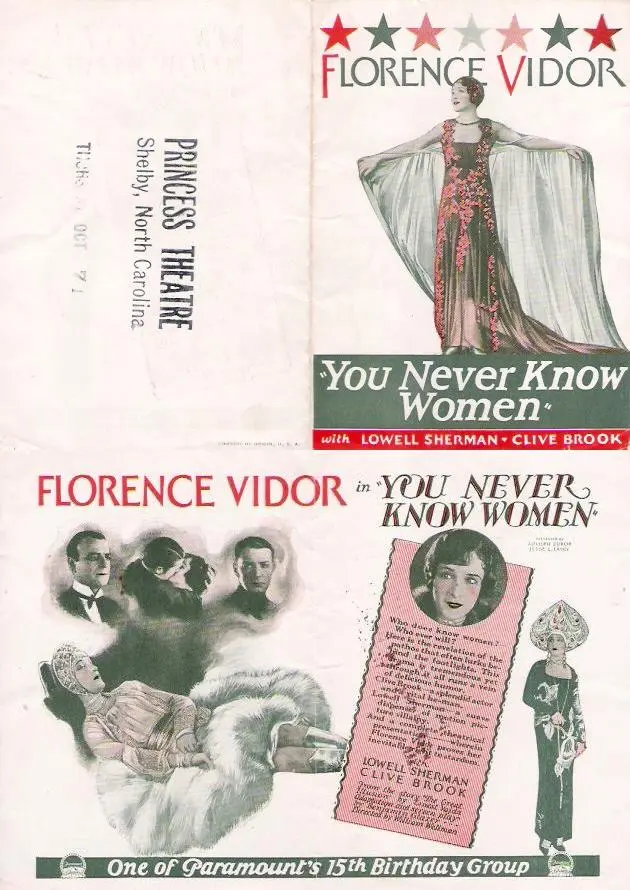
At its core, You Never Know Women is an exploration of a classic love triangle, yet it’s rendered with a complexity that feels surprisingly modern for a silent film. The central figure, a captivating dancer played by Florence Vidor, finds herself torn between two distinctly different men. On one side, there’s the charismatic, perhaps reckless, strongman (Joe Bonomo, a physical marvel who embodies raw masculine power). On the other, the more refined, enigmatic, and possibly manipulative ringmaster (Clive Brook, whose nuanced expressions speak volumes). This dynamic is the engine of the narrative, driving much of the film’s emotional conflict and dramatic tension.
Florence Vidor delivers a performance that is nothing short of mesmerizing. Her ability to convey deep emotion – joy, despair, confusion, and longing – purely through facial expressions and body language is extraordinary. There’s a scene where she watches one of her suitors perform, and her face transitions through a spectrum of emotions, from admiration to fear to a subtle, almost imperceptible