DbcultAccessing Vault...
6.2/10
Senior Film Conservator
A definitive 6.2/10 rating for a film that redefined the boundaries of cult cinema. Young Desire remains a cornerstone of transgressive art.
If you're into silent films, especially those with a bit of melodrama and a carnival setting, Young Desire might be a fun afternoon watch. For anyone expecting modern pacing or, you know, sound, you'll probably find this a bit of a slog. It’s got that old-school charm, though, if you’re patient enough for it.
The movie is about a sideshow dancer, Ruth, played by Alice Lake. She’s part of this traveling carnival, doing her routine. You see her there, with the feathers and the stage makeup. It feels very much like an era piece, right down to the slightly dusty looking tents.
Ruth falls for this rich guy, Jim (William Janney). He's handsome, of course. A classic setup, really. Carnival girl meets wealthy dude, a tale as old as time, or at least as old as early Hollywood. Their first meeting, it’s all very coy glances and polite smiles. You can practically hear the subtle, dramatic violins in your head.
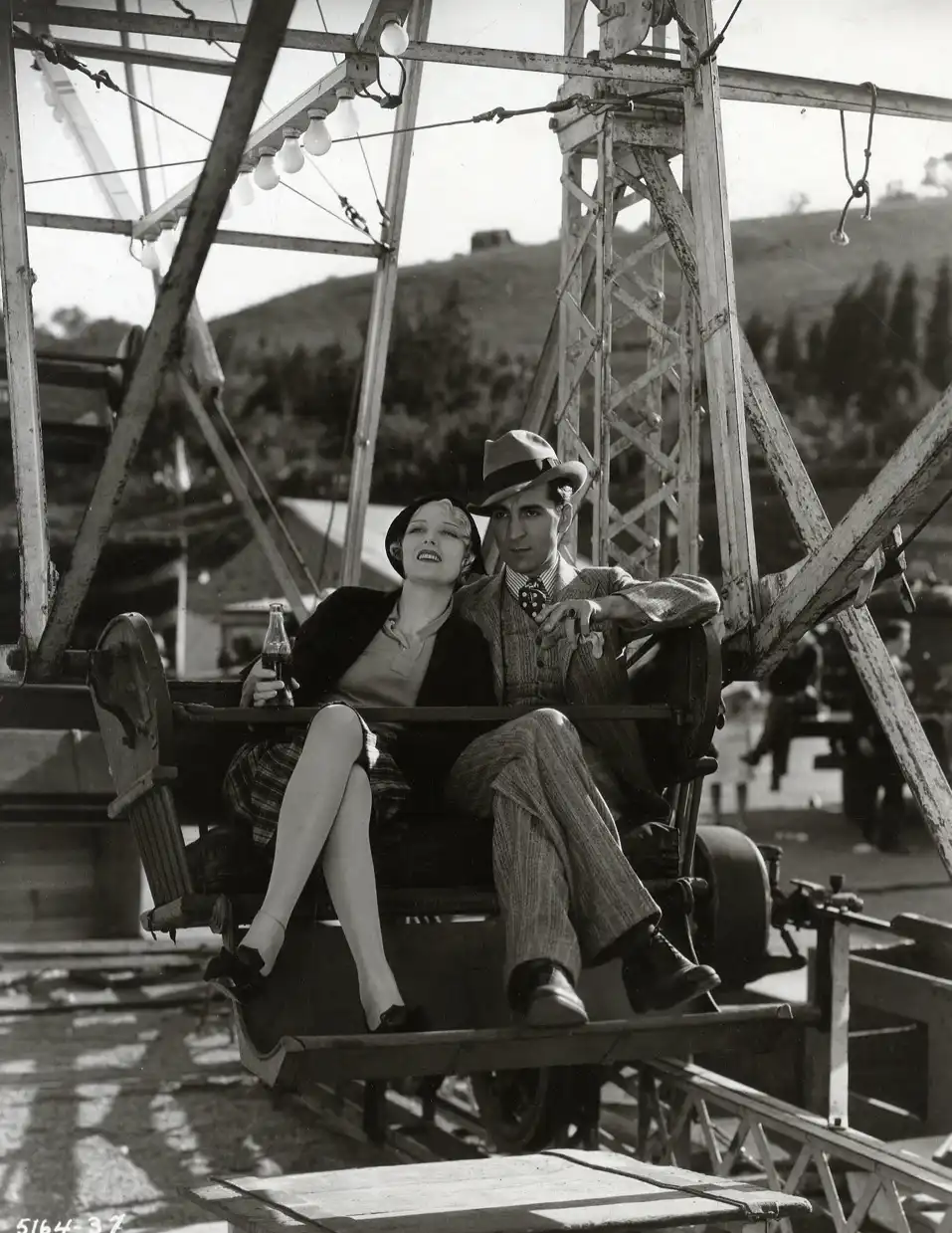
There's this other character, Mrs. Walling, played by Florence Dudley. She’s Jim's mother. And, oh boy, she’s exactly what you’d expect from a disapproving society matron in a silent film. Her expressions are all in the eyebrows and the tight lips. No mistaking her feelings, that's for sure. 🤨
One scene, Ruth is dancing, and the camera just... stays on her for a beat too long. You get a real sense of the performance, but also the grind of it. Not exactly glamorous, you know? It’s not just about the love story, but also her world, the grit of it. Or what they show of the grit, anyway.
Jim’s character, sometimes he just stands there. He’s supposed to be smitten, but the acting from Janney feels a bit stiff next to Lake’s more expressive movements. She’s really trying to convey emotion through her whole body, as silent actors did. He’s just… a handsome face, mostly.
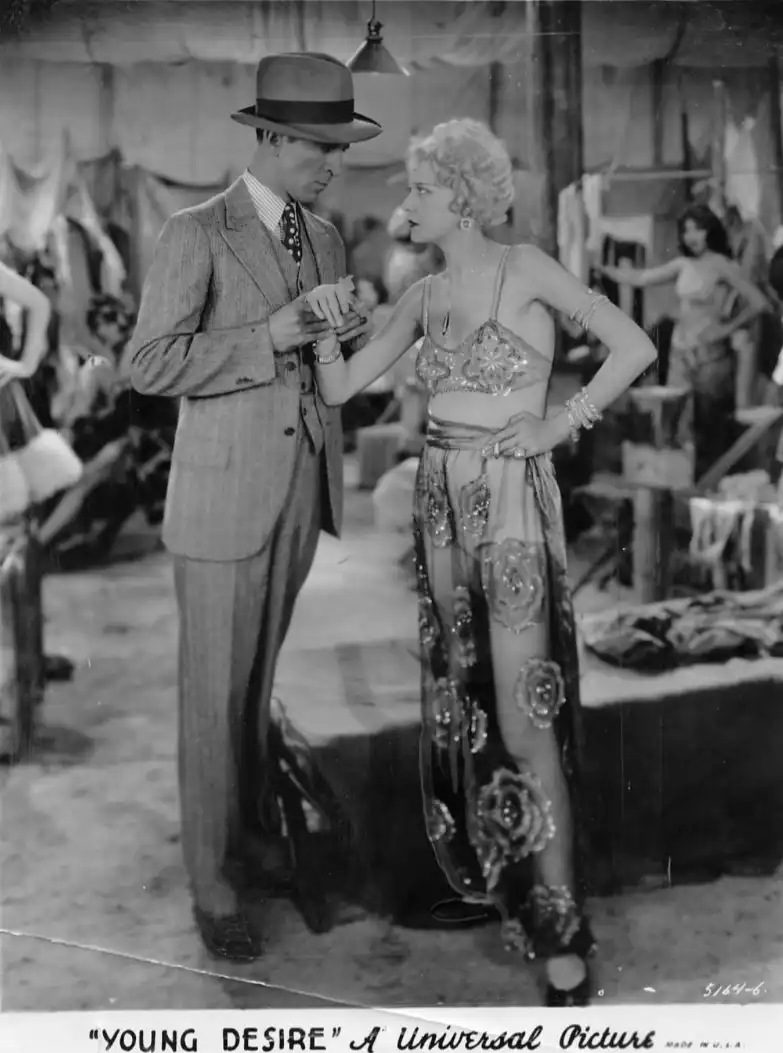
The carnival scenes are pretty neat. Lots of background extras bustling about. One shot, I swear, there's a guy in the background just staring straight at the camera. Happens fast, but I caught it. Little things like that make these old films feel kinda raw. Like you're peering into the past. 🕰️
The drama builds, naturally, because of their different social classes. Mrs. Walling is constantly trying to break them up. There's a moment where she practically hisses at Ruth, all without a sound, of course. It’s very clear what she thinks of the whole situation. Her disapproval is a major character, honestly.
And then there's a misunderstanding. Because, of course, there is. It involves another woman, and Ruth sees something she shouldn't. The way Lake’s face crumples, it’s quite effective. You really feel for her in that moment. It's a classic silent film trope, but she sells it.
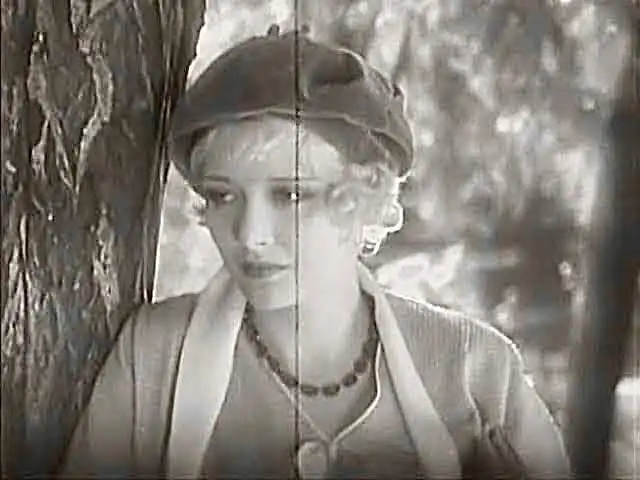
The film moves at a pace that might feel slow to modern viewers. Sometimes an intertitle will appear, and you read it, and then the characters just stand there, processing it for a bit. It’s not a criticism, just how these things were done. You settle into it eventually. Or you don't. 🤷♀️
There are some really nice shots of the carnival at night. The way the lights gleam, even in black and white, it gives it a certain magic. A bit like a dream. Even if the actual story is fairly predictable, these visual touches make it worth seeing.
The ending, without giving it away, wraps things up pretty neatly. It’s satisfying in that old-fashioned, Hollywood way. You know how these romances usually go. It doesn't break new ground, but it gives you what you came for. A bit of closure, a happy-ish ending.
So, yeah, it's not going to change your life. But if you have an hour or so, and you want to see a genuine piece of cinema history, with a good performance from Alice Lake carrying the emotional weight, give it a shot. It's a reminder of how stories were told before sound took over. And sometimes, that is enough.

IMDb —
1924
Community
Log in to comment.