
DbcultAccessing Vault...
5.8/10
Senior Film Conservator
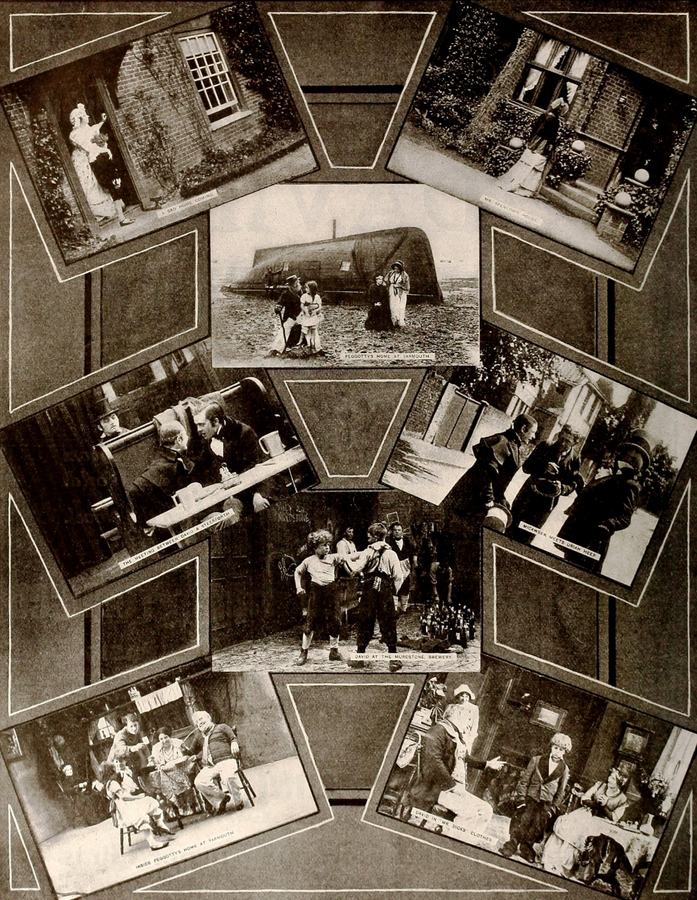
A definitive 5.8/10 rating for a film that redefined the boundaries of cult cinema. David Copperfield remains a cornerstone of transgressive art.
Imagine, if you can, the smell of nitrate stock smoldering in a Camden projector while outside the cinema a fog thick as butcher’s paper swaddles London gas-lamps. Inside, a boy—no older than the century—clutches a cardboard ticket stamped David Copperfield and feels the word orphan become flesh. That is the primal pact Thomas Bentley’s 1913 one-reeler makes with its audience: to transmute ink into heartbeat, 19th-century sentiment into 20th-century shadow-play.
We cinephiles often speak of “lost” films, but few talk about the nearly-lost: prints that survive only because a Brighton janitor used them as draft excluders. David Copperfield is one such miracle—scuffed, splice-scarred, yet miraculously viewable on the BFI’s digitized 2K scan. What you see is not pristine; what you feel is pristine. Reginald Sheffield’s Copperfield quivers between dogged resilience and paper-thin fragility, his eyes two rain-puddles reflecting the electric carbon arc. Every intertitle, hand-lettered in copperplate, feels like a note passed in class from Charles Dickens himself.
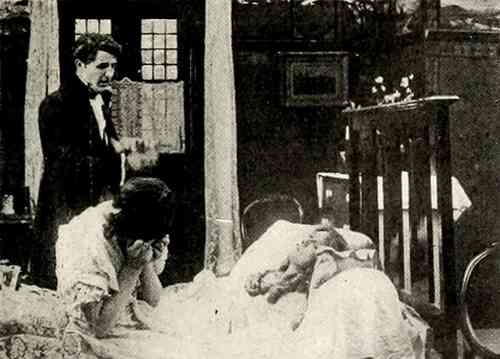
Bentley, a former stage actor, understood that cinema’s first language is faces. He parks the camera at mid-distance—never so close we gag on theatrical greasepaint, never so far we lose micro-shivers of cheek-muscle. Look at the sequence where young David, banished to the bottling factory, trudges across a set scarcely deeper than a pub billiard table. Bentley back-lights the actors with kliegs daubed in amber gelatin, so the Thames seems to glow inside the boy’s ribcage. Expressionism before Expressionism was a marketing handle.
Alma Taylor’s Agnes is less the novel’s Protestant angel than a war-time nurse who has seen too many men bleed out; she delivers consolation with the weary clarity of someone who no longer expects gratitude. Kenneth Ware’s Wilkins Micawber, all mutton-chop and aphoristic bounce, owes more to Keystone’s improvised chaos than to Victorian propriety—yet somehow the anachronism exhilarates rather than jars. The result is a Dickens adaptation that feels, dare one whisper, hip.
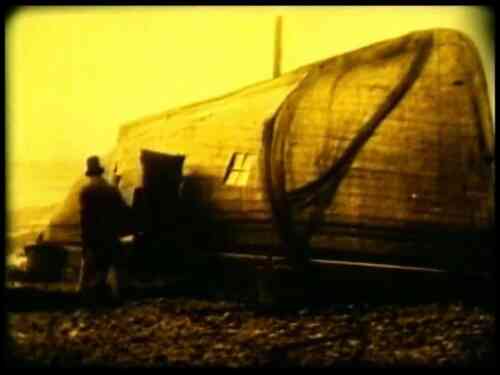
Condensing 900 pages into roughly 65 minutes demands the brutality of a surgeon sawing bone without chloroform. Bentley’s strategy: excise subplots like Barkis’s courtship, retain emotional beats like the death of Dora (here filmed as a single iris-in on a lifeless porcelain doll). You emerge not with Cliff-Notes fatigue but with the after-shock of lived experience. Compare it to the elephantine sprawl of Les Misérables from the same decade, and Bentley’s film feels like a haiku carved on a prison wall—sparse, urgent, immortal.
1913 Britain was busy birthing welfare legislation yet still shipped toddlers to Canada as “home boys.” By foregrounding the commodification of childhood—note the factory overseer who clocks David’s labor in half-pennies—Bentley smuggles social critique past the censors. The film’s most radical shot: a slow fade from David’s blood-blistered fingers to a close-up of a ledger column titled Profit. In that dissolve, Dickensian sentiment mutates into Marxist indictment without a single intertitle preaching politics.
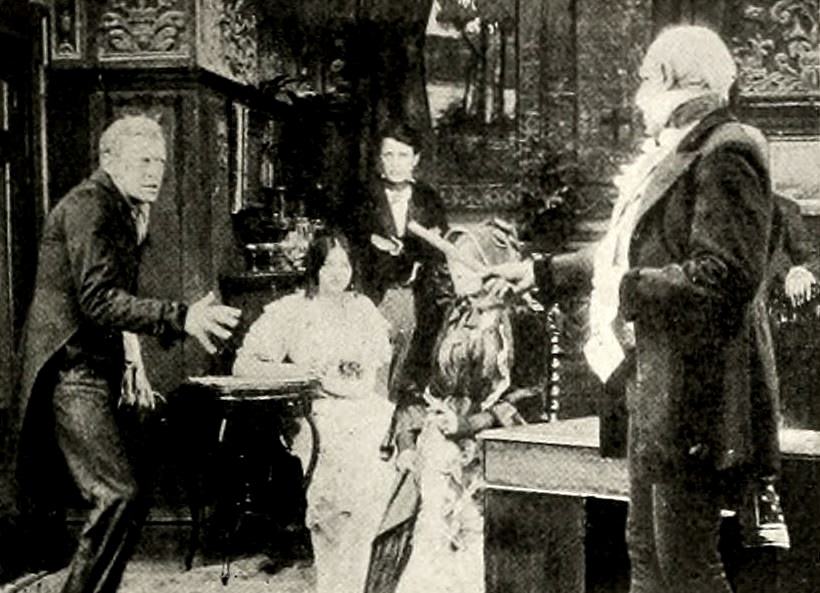
Bentley’s chiaroscuro anticipates the tenebrism of The Cheat (1915); his use of real London fog rivals the elemental pessimism of Dante’s Inferno (1911). Yet unlike the sprawling pageantry of Cleopatra or the martial clamor of 1812, Copperfield’s epic is interior, a storm mapped on a child’s face rather than on battlefields.
Most archival screenings slap on generic salon-piano. Do yourself a favor: cue Ralph Vaughan Williams’s The Lark Ascending during David’s first glimpse of the Kent coast. The violin’s long suspensions mirror the boy’s cautious optimism; when the melody finally resolves on a major chord, Copperfield’s shoulders square as if music itself adopted him.
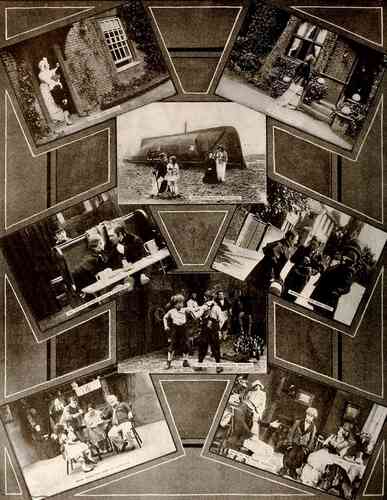
Dora, often derided as a porcelain ninny, here becomes a study in pre-war feminine performance: her flouncy dresses are armor against a world that auctions women to the highest bidder. Agnes’s final close-up—lips parted, eyes glistening—offers not victorious love but exhausted rescue, as if she too must now parent this man-boy she has waited decades to wed. Bentley grants them interiority that even the 1935 MGM talkie denied.
Fast-forward to 2020s prestige television: every limited series trumpets “we’re novelistic.” Bentley got there first, proving cinema could binge Dickens before bingeing was a verb. The film’s DNA threads through Oliver Twist (1909) and Jane Eyre (1910), but its emotional shorthand feels eerily predictive of 21st-century auteurs like Chloé Zhao who trust landscape to speak where dialogue fails.
If you crave the kinetic slapstick of The Flying Circus or the blood-sport thrills of The Corbett-Fitzsimmons Fight, stay away. But if you want to witness the moment when British cinema learned that faces could be paragraphs and silence could be a scream, press play. Just ensure your room is cold enough for candle-flicker to frost your breath; the film deserves the shiver.
As the end-title iris closes on Copperfield’s patched-together family, the screen does not fade to black; it fades to tobacco-brown, like a letter left too near the fire. That is the tint of memory itself—brittle, warm, half-burnt, yet refusing to combust entirely. In 1913 audiences wept into high collars. In 2024 we pixel-pushers may sniffle into mechanical keypads. The orphan’s journey from inkwell to hard-drive is complete, and the world, though still indifferent, feels briefly habitable.