DbcultAccessing Vault...
6.8/10
Senior Film Conservator
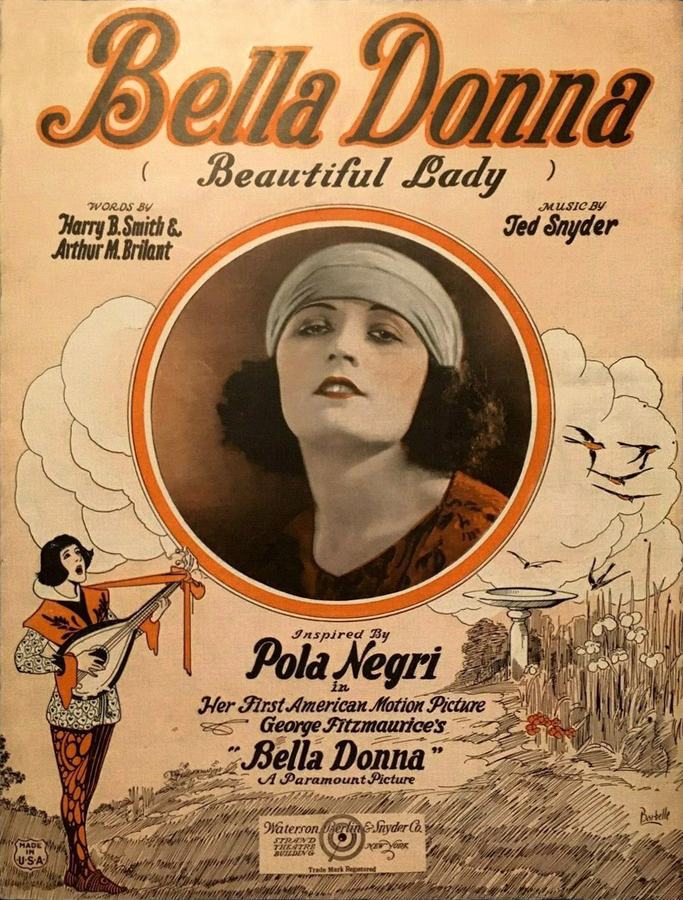
A definitive 6.8/10 rating for a film that redefined the boundaries of cult cinema. Bella Donna remains a cornerstone of transgressive art.
When the silent era birthed a film that could simultaneously enchant and unsettle, few titles managed the delicate balance as deftly as Bella Donna. Directed by a team of visionaries and anchored by Pola Negri’s magnetic performance, the 1923 drama unfolds like a tapestry woven from silk, sand, and the inexorable pull of desire. The narrative, adapted from Robert Hichens’ novel and refined by screenwriters James B. Fagan and Ouida Bergère, transports viewers from the fog‑laden alleys of London to the scorching expanse of Egypt, where the desert becomes a character in its own right—silent, relentless, and unforgiving.
At its core, Bella Donna is a study in the economics of affection. Nigel Armine (Conrad Nagel), a gentleman of modest means and grand aspirations, represents the archetypal British expatriate seeking validation through possession. His marriage to Bella (Pola Negri) is less a union of hearts than a transaction of power, a motif that reverberates throughout the film. Bella, portrayed with a blend of vulnerability and lethal charm, is not merely a seductress; she is an embodiment of the exotic other—an embodiment that both captivates and threatens the patriarchal order.
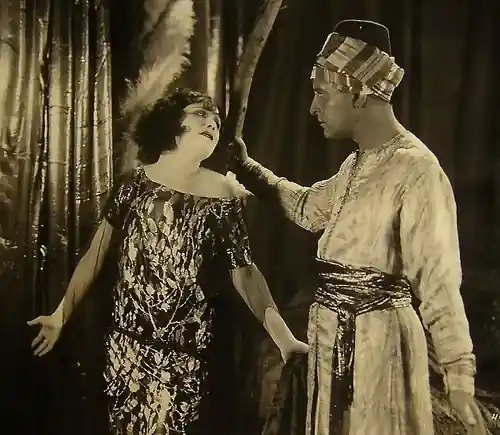
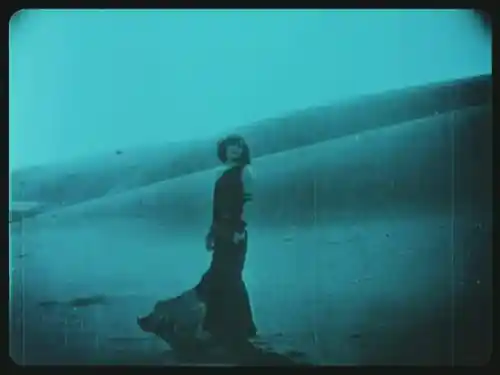
The desert setting amplifies this tension. The relentless sun, the shifting dunes, and the ever‑present horizon serve as metaphors for Bella’s insatiable yearning for freedom. When she encounters Baroudi (Antonio Corsi), a brutish yet undeniably magnetic figure, the film pivots from a domestic drama to a feverish exploration of primal desire. Baroudi’s raw masculinity stands in stark contrast to Nigel’s refined, albeit impotent, civility, creating a triangle that is as much about cultural clash as it is about personal betrayal.
Pola Negri’s performance is the film’s beating heart. Her eyes—smoldering, calculating, yet occasionally flickering with genuine melancholy—communicate volumes in the absence of dialogue. The subtle tilt of her head, the languid flick of a silk scarf, the way she lingers in the frame as the camera pans across the desert, all convey a layered interiority that few silent‑era actors could achieve. Negri’s chemistry with Conrad Nagel is deliberately strained; their scenes together are marked by a palpable distance, underscoring the marriage’s hollowness.
Antonio Corsi, as Baroudi, brings an imposing physicality that borders on the theatrical, yet his moments of tenderness toward Bella reveal a hidden complexity. The juxtaposition of his coarse exterior with fleeting glimpses of vulnerability adds depth to the otherwise one‑dimensional “brute.” Supporting performances—Claude King as the weary yet loyal servant, Adolphe Menjou’s cameo as a suave expatriate, and Lois Wilson’s brief yet poignant appearance—populate the narrative with a rich tapestry of secondary voices, each contributing to the film’s atmospheric density.
The cinematography, orchestrated by a then‑emerging master of light, exploits the stark contrast between the black‑and‑white medium and the vibrant world it seeks to portray. Night scenes are bathed in chiaroscuro, with silhouettes of palm fronds casting intricate patterns across Bella’s face, symbolizing the entanglement of her fate. Daylight exteriors employ wide‑angle lenses to capture the vastness of the desert, rendering the characters minuscule against the endless horizon—a visual reminder of their existential insignificance.
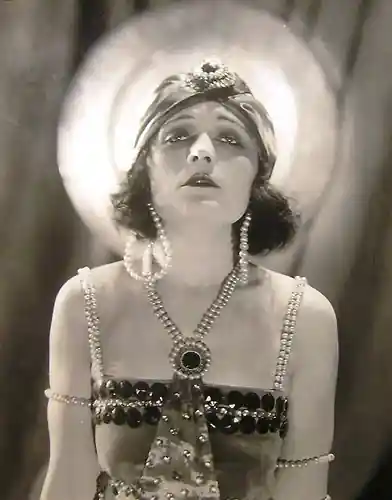
The film’s set design, though constrained by studio limitations, cleverly utilizes painted backdrops and practical props to evoke an authentic Egyptian ambience. The use of authentic Egyptian textiles, combined with the strategic placement of hieroglyphic motifs, lends an air of verisimilitude that would impress modern audiences accustomed to high‑budget period pieces.
Bella Donna’s pacing oscillates between languid, almost hypnotic sequences and sudden bursts of tension. The early act, wherein Nigel escorts Bella to their new home, unfolds at a measured tempo, allowing viewers to absorb the cultural dissonance. The middle act, dominated by Bella’s affair with Baroudi, accelerates, employing rapid intercutting of intimate moments and looming threats—an early precursor to the montage techniques later popularized by Soviet filmmakers.
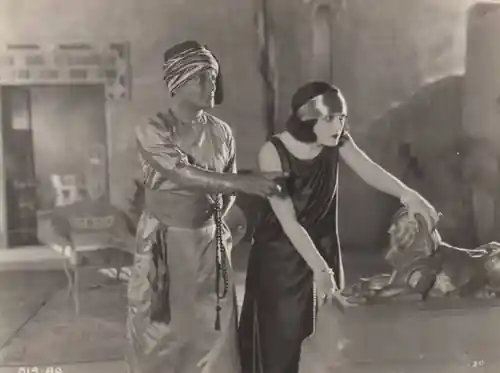
The climax, a confrontation set against a sandstorm, is both literal and figurative. As the wind howls and the dunes shift, Bella’s resolve shatters, exposing the fragility of her constructed identity. The storm serves as a narrative device that erases the boundaries between characters, forcing them into a raw, unmediated confrontation that is as much about survival as it is about moral reckoning.
When positioned alongside contemporaneous works such as A Woman of Pleasure or the later melodrama Which Woman?, Bella Donna distinguishes itself through its nuanced portrayal of female agency. While many silent‑era dramas relegated women to passive objects, Bella Donna grants its heroine a dangerous autonomy, albeit one that ultimately leads to tragic consequences. This ambivalence mirrors the cultural anxieties of the 1920s, a period marked by shifting gender norms and the burgeoning discourse on sexual liberation.
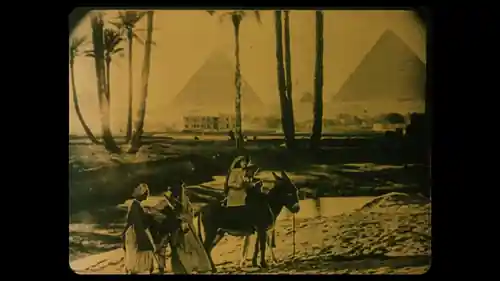
The film’s influence can be traced in later cinematic explorations of exoticism and the “dangerous woman” trope, notably in the 1930s noir classics. Its visual motifs—desert landscapes, opulent interiors, and the interplay of light and shadow—echo in the works of directors like Josef von Sternberg and later, in the lush cinematography of Lawrence of Arabia. The thematic preoccupation with the clash between Western propriety and Eastern mystique also foreshadows the narrative tensions found in Lovetime and Mystic Mush.
In an era before synchronized sound, Bella Donna relies on the potency of visual storytelling. Intertitles are sparingly employed, allowing the actors’ gestures to convey subtext. The film’s musical accompaniment, historically performed live in theaters, would have been a blend of Middle Eastern motifs and Western orchestration, further underscoring the cultural dichotomy at play.
The absence of spoken dialogue forces the audience to engage more intimately with the mise‑en‑scene. A lingering close‑up of Bella’s hand brushing a silk veil becomes a moment of revelation; a lingering shot of Baroudi’s clenched fists hints at suppressed violence. This reliance on visual nuance elevates the film beyond mere melodrama, positioning it as a study in the language of the body.
Upon its release, Bella Donna garnered mixed reviews. Critics praised Negri’s magnetic screen presence but lamented the film’s perceived moral ambiguity. Contemporary scholars, however, have revisited the work through a feminist lens, interpreting Bella’s actions as a subversive commentary on the limited avenues available to women seeking autonomy in a patriarchal world.
Modern restorations have revealed the film’s original color tinting—a subtle sepia wash applied to desert scenes, intended to heighten the sense of otherworldliness. This discovery has sparked renewed interest among cinephiles, prompting screenings at major film festivals and scholarly panels.
Bella Donna endures as a cinematic artifact that transcends its silent‑film origins. Its exploration of desire, power, and cultural collision remains resonant, inviting audiences to contemplate the complexities of agency within oppressive structures. The film’s aesthetic brilliance—its chiaroscuro lighting, its evocative desert vistas, and its daring narrative choices—cements its status as a cornerstone of early 20th‑century cinema.
For those seeking a film that marries visual poetry with psychological depth, Bella Donna offers an unforgettable journey. It stands as a testament to the silent era’s capacity to convey profound narratives without uttering a single word, reminding us that sometimes, the most powerful stories are whispered in shadows and sand.
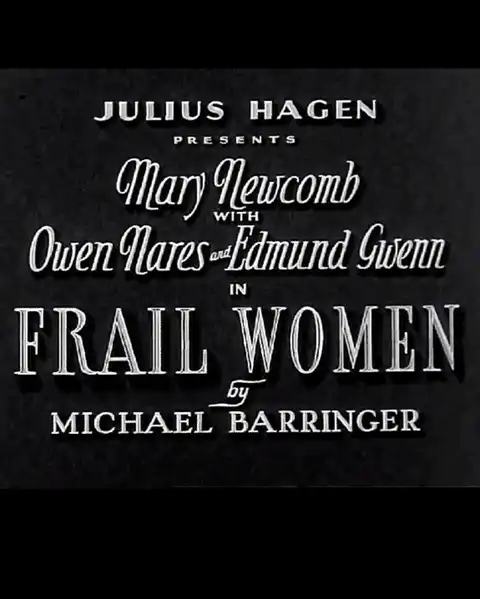
IMDb 5.9
1932
Community
Log in to comment.