DbcultAccessing Vault...
7.1/10
Senior Film Conservator
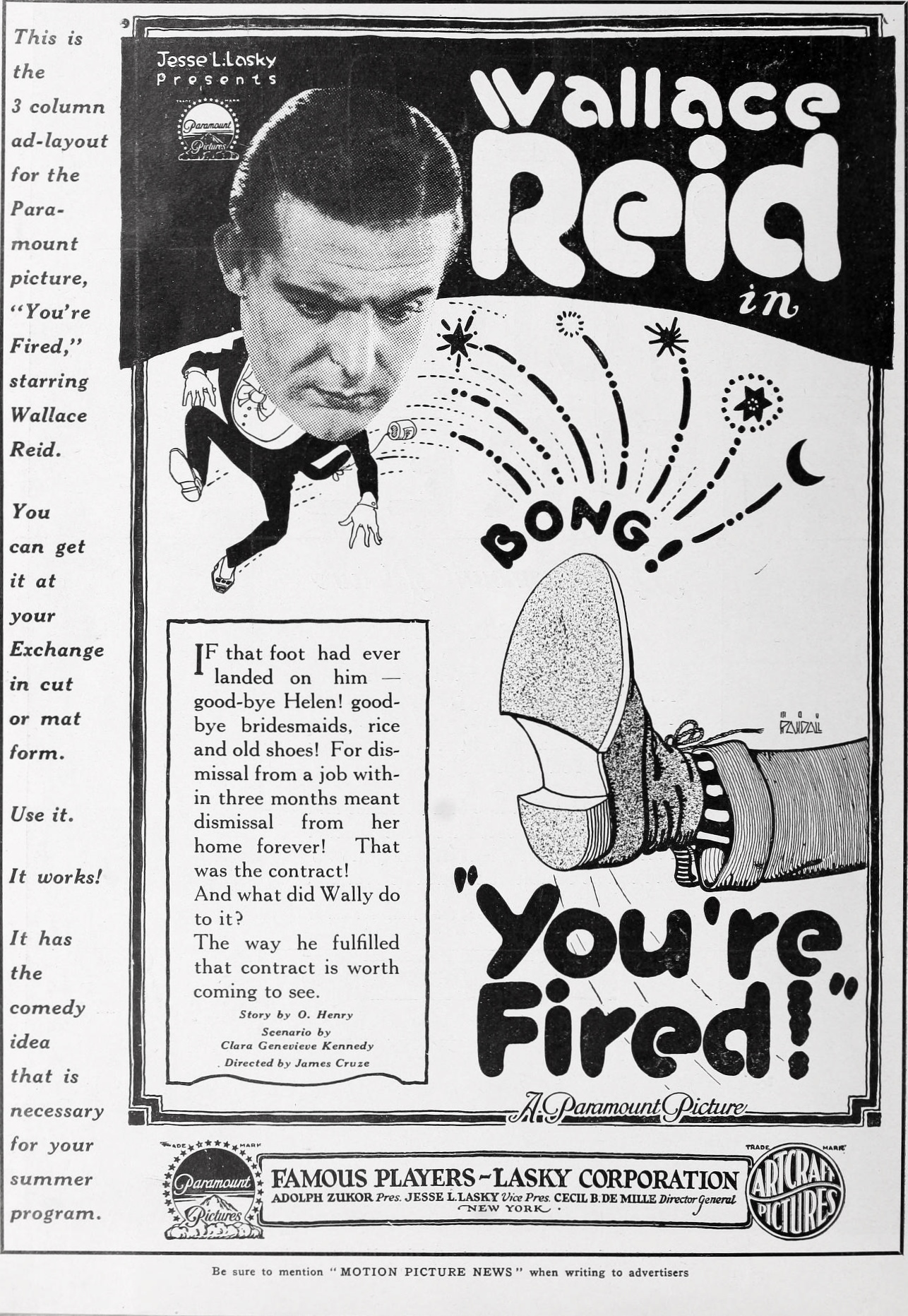
A definitive 7.1/10 rating for a film that redefined the boundaries of cult cinema. You're Fired remains a cornerstone of transgressive art.
Stepping back into the annals of cinematic history, one encounters films like "You're Fired" (slug: youre-fired), a delightful testament to the enduring appeal of silent-era romantic comedies. This film, a charming concoction of societal expectations, personal transformation, and a dash of corporate intrigue, provides a fascinating glimpse into the narrative sensibilities of its time. Far from being a mere historical curiosity, it offers a surprisingly resonant exploration of themes that continue to captivate audiences today: the proving of one's worth, the pursuit of love against seemingly insurmountable odds, and the timeless struggle between idleness and industry. Its narrative, while perhaps simplistic by modern standards, is executed with a verve and clarity that speaks volumes about the storytelling prowess of early cinema.
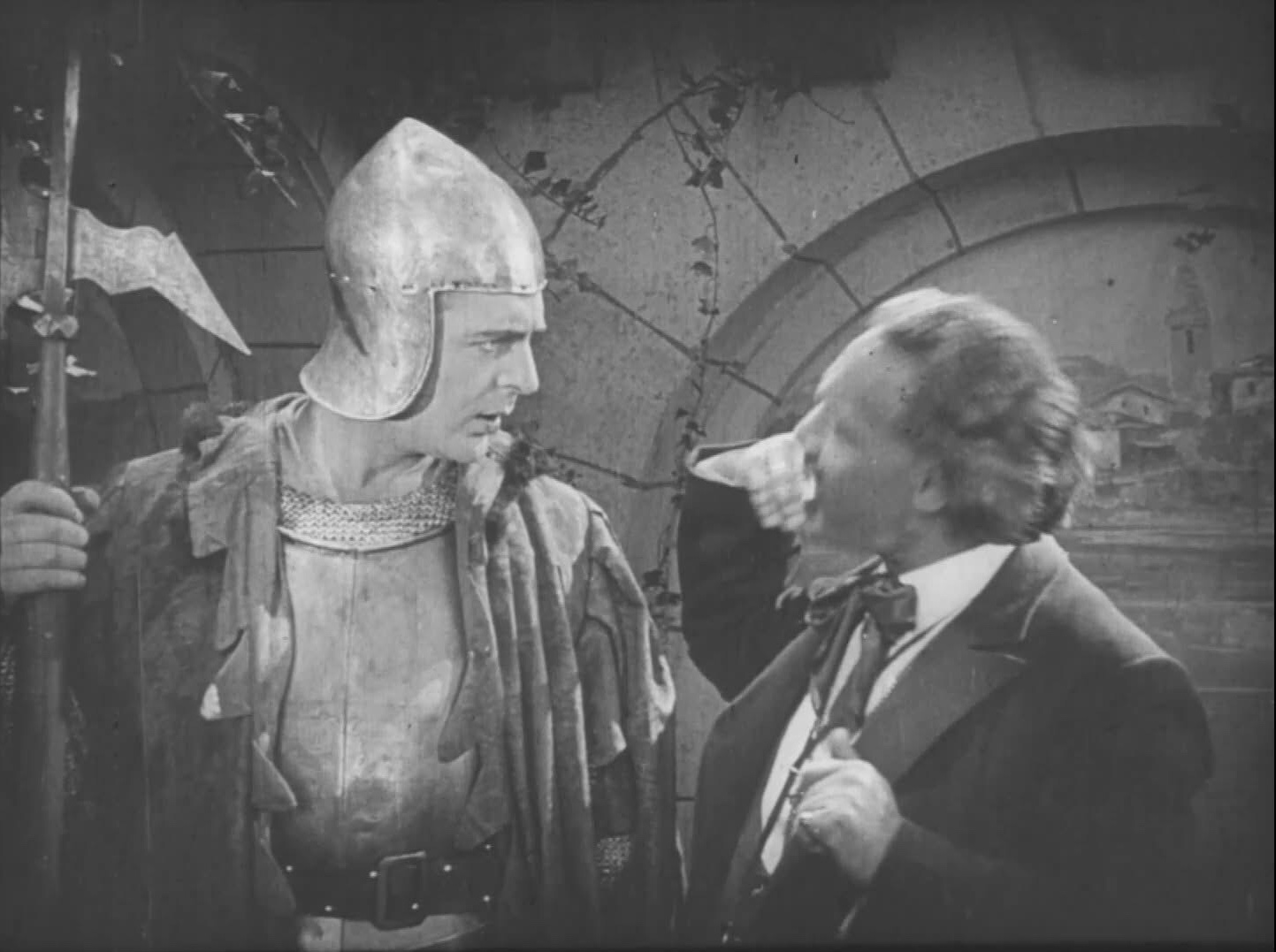
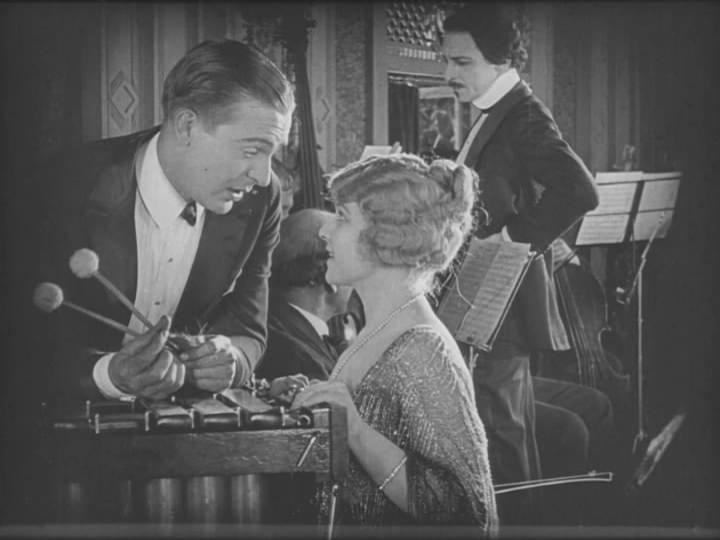
At the heart of "You're Fired" lies a premise as old as storytelling itself: a suitor's quest to earn his beloved's hand. Here, the challenge is set by Gordon Rogers, a formidable railroad magnate, portrayed with a stern yet ultimately benevolent gravitas. His daughter, Helen, a spirited and independent young woman embodied by Julia Faye, has fallen for Billy Deering, Jr., a scion of wealth whose primary occupation appears to be idleness. Gordon, wary of Billy's lack of ambition, issues an ultimatum: Billy must secure and maintain a job for a full month. This seemingly straightforward condition ignites the film's central comedic engine, propelling Billy into a series of increasingly absurd vocational escapades. William Lesta, as Billy, delivers a performance that balances aristocratic nonchalance with a burgeoning determination. His initial attempts at employment are a masterclass in comedic futility, showcasing a character who is clearly out of his element yet possesses an underlying charm that keeps the audience rooting for him. The humor here is largely situational, stemming from Billy's fish-out-of-water predicaments, whether he's fumbling as an office clerk or comically attempting to master a xylophone, each role abandoned just moments before the inevitable dismissal. This episodic structure of his job-hopping not only provides ample opportunity for physical comedy but also subtly charts Billy's slow, reluctant evolution from dilettante to a man grappling with responsibility.
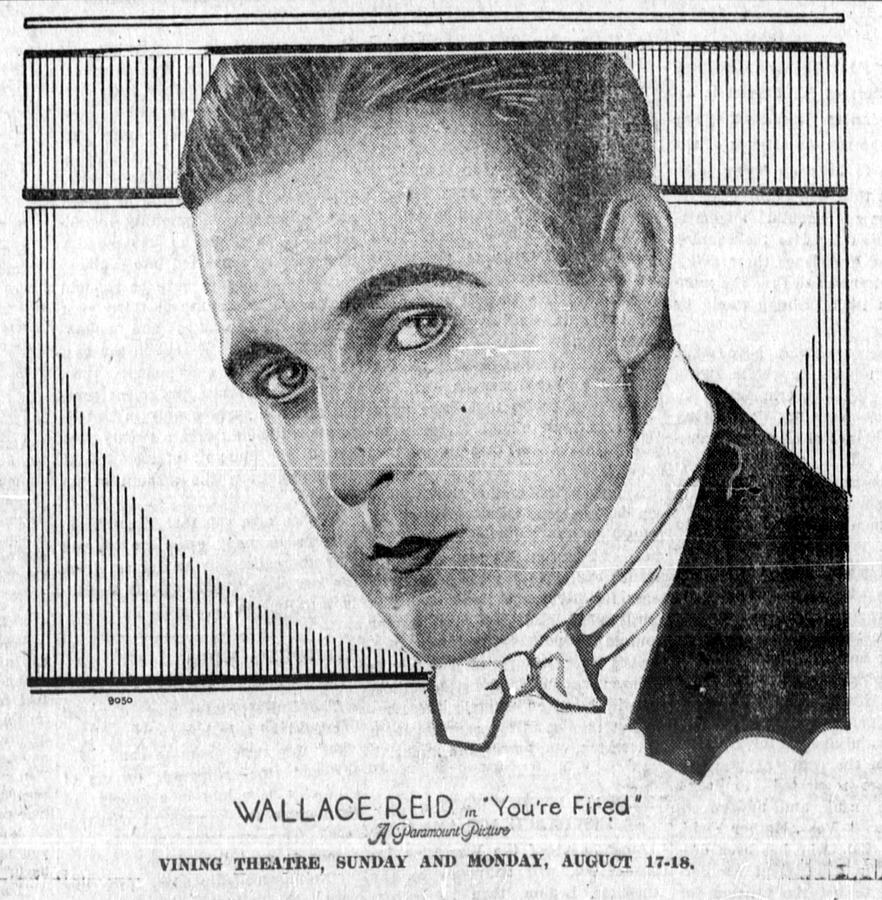
The narrative takes a particularly amusing turn when Billy, in his latest attempt to fulfill Gordon's decree, finds himself employed in a restaurant, tasked with impersonating a knight in shining armor, posing as a static decoration. This peculiar role, demanding absolute stillness and a poker face, becomes the stage for one of the film's most memorable sequences. It is here that Gordon, Helen, and Billy's romantic rival, Tom, unexpectedly enter the establishment. The tension as Helen, with her keen eye, begins to suspect the identity of the armored figure is palpable and genuinely funny. Julia Faye's portrayal of Helen is not merely that of a damsel in distress; she is observant, intelligent, and possesses a playful spirit. Her near-recognition of Billy, and his frantic internal struggle to maintain his disguise while under her gaze, creates a wonderfully awkward and endearing moment of romantic suspense. This scene, more than any other, highlights the film's adeptness at blending lighthearted farce with genuine emotional stakes. The presence of Tom, the rival, adds another layer to the romantic entanglements, though his character quickly veers into more nefarious territory, moving beyond mere romantic competition to outright villainy.
Beyond the comedic romance, "You're Fired" cleverly weaves in a subplot of corporate intrigue, elevating the stakes beyond a simple wager. Gordon Rogers is on the cusp of a significant railroad merger, a deal that unfortunately places him in direct conflict with Tom's uncle, an "unprincipled financier." This introduces a darker, more cynical element to the narrative, contrasting sharply with Billy's relatively innocent comedic struggles. Tom, motivated by the promise of a substantial cash reward, becomes determined to steal critical documents related to this merger. This shift in Tom's character from a romantic nuisance to a corporate saboteur adds a surprising layer of depth to the film, pushing it beyond a mere domestic comedy into the realm of light thriller. It also provides Billy with an opportunity to prove himself not just as a diligent employee, but as a man of integrity and resourcefulness. The film, in its depiction of Gordon's business dealings, offers a subtle commentary on the cutthroat world of early 20th-century commerce, where fortunes could be made and lost on the whims of powerful men and the machinations of unscrupulous individuals. The writers, Clara Genevieve Kennedy and O. Henry, demonstrate a keen understanding of how to intertwine personal dramas with larger societal forces, making the stakes feel both intimate and expansive.
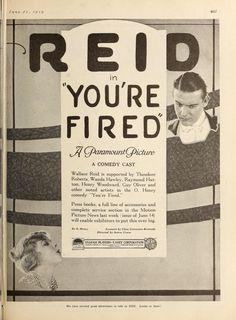
The success of any silent film hinges significantly on the expressive capabilities of its cast, and "You're Fired" is no exception. William Lesta, in the role of Billy Deering, Jr., navigates his character's journey with a nuanced blend of comedic timing and burgeoning sincerity. His physical comedy during the various job stints is genuinely amusing, yet he also conveys the underlying shift in Billy's character—from reluctant participant to earnest contender for Helen's affection. Julia Faye, as Helen, is radiant and provides a strong counterbalance to Lesta's character. She is not a passive object of affection but an active participant in the story, her intelligence and charm evident in every frame. The chemistry between Lesta and Faye, though conveyed through gestures and glances rather than dialogue, is palpable and contributes significantly to the film's romantic appeal. Theodore Roberts, as the imposing Gordon Rogers, delivers a performance that perfectly encapsulates the stern, yet ultimately fair, patriarch. His presence commands respect, and his eventual softening towards Billy feels earned. Raymond Hatton, as Tom, effectively portrays the smarmy rival, his motivations becoming increasingly transparent and villainous as the plot unfolds. The supporting cast, including Wanda Hawley and Lillian Mason, contribute to the film's vibrant tapestry, each playing their part in the episodic structure that defines Billy's trials. The ability of these actors to convey complex emotions and comedic nuances without spoken words is a testament to their craft and the unique demands of silent cinema.
While specific directorial credits are sometimes obscured by the collaborative nature of early filmmaking, the execution of "You're Fired" demonstrates a clear understanding of visual storytelling. The pacing, though deliberate by today's standards, allows for the full development of comedic situations and character reactions. The use of intertitles is judicious, providing necessary exposition and dialogue without overwhelming the visual narrative. The cinematography, typical of the era, prioritizes clarity and framing that allows the actors' expressions and physical actions to convey the story. There are no extravagant camera movements or complex edits, but rather a focus on effective scene composition that guides the viewer's eye. The transitions between Billy's various jobs are handled with a briskness that maintains momentum, preventing the episodic nature from feeling disjointed. The production design, particularly in the restaurant scene with the knight costume, is imaginative and contributes significantly to the film's charm. It's a film that understands its medium, leveraging the strengths of silent cinema to deliver a cohesive and engaging experience.
Placing "You're Fired" within the broader context of early 20th-century cinema reveals its distinct place in the evolving landscape of film. Its blend of romantic comedy and light adventure finds parallels in other works of the era. For instance, films like Young Romance often explored similar themes of courtship, societal pressures, and the eventual triumph of love, albeit perhaps with different narrative mechanisms. Where "You're Fired" leans into the comedic trials of employment, "Young Romance" might focus more on class distinctions or familial obstacles. Similarly, one might draw comparisons to films like Wild Oats, which could potentially delve into the consequences of idleness and the journey towards responsibility, echoing Billy's initial character arc. However, "You're Fired" distinguishes itself through its specific comedic premise of a month-long employment challenge and the clever integration of corporate espionage into a romantic plot. It avoids the overt melodrama of some contemporary dramas or the broad slapstick of pure comedies, instead finding a comfortable middle ground that prioritizes character development within a humorous framework. It's a film that, while perhaps not reaching the epic scale of a The Birth of a Nation or the profound artistry of a The Goddess, offers its own brand of accessible entertainment and thoughtful commentary on social norms. The relative simplicity of its production, contrasting with the grander spectacles of its time, highlights the era's diverse cinematic offerings, where compelling narratives could emerge from straightforward premises.
The film builds to a satisfying climax where all the disparate threads—Billy's employment challenge, the burgeoning romance with Helen, and the corporate intrigue—converge. Billy's perseverance in his restaurant job, despite the humiliation and the near-misses, culminates in his fulfilling the thirty-day mandate. This achievement alone would have been enough to satisfy Gordon's condition, but the narrative cleverly elevates Billy's triumph by having him simultaneously expose Tom's nefarious scheme to steal the merger documents. This dual victory is crucial; it demonstrates that Billy has not only learned the value of honest labor but also possesses the moral fortitude and quick thinking to protect those he cares about, and by extension, Gordon's business interests. The unmasking of Tom is handled with a sense of dramatic flair that feels earned, providing a clear resolution to the villainous subplot. Gordon's subsequent consent to Billy and Helen's marriage is not merely a formality but a recognition of Billy's newfound maturity and proven character. It's a moment of unqualified triumph, sealing the romantic comedy with the expected happy ending, but one that feels genuinely merited by the protagonist's journey. The film, in its resolution, champions the virtues of hard work, integrity, and genuine affection over inherited wealth and deceit.
"You're Fired" may not be a cinematic epic, nor does it strive for profound philosophical statements. Instead, its strength lies in its unpretentious charm, its engaging characters, and its well-crafted narrative that blends humor, romance, and a touch of suspense. It is a film that reflects the entertainment values of its era, providing audiences with escapism and a reassuring affirmation of traditional virtues. For modern viewers, it serves as an excellent entry point into the world of silent cinema, showcasing how compelling stories could be told without the benefit of synchronized sound or complex special effects. The performances remain vibrant, the comedic situations still elicit chuckles, and the underlying message of personal growth and integrity continues to resonate. It's a reminder that good storytelling transcends technological limitations, and that the human desire for love, acceptance, and purpose is a universal constant. The film, with its clever premise and satisfying resolution, stands as a charming relic, a small but significant piece in the vast mosaic of early Hollywood, proving that sometimes, all it takes is a month on the job to win a fortune—and a heart. Its legacy is not in revolutionizing film, but in perfecting a particular brand of lighthearted, moralistic entertainment that continues to hold a certain quaint appeal for those willing to look beyond the spoken word.
IMDb 6.9
1928
Community
Log in to comment.