DbcultAccessing Vault...
Cult Review
Senior Film Conservator
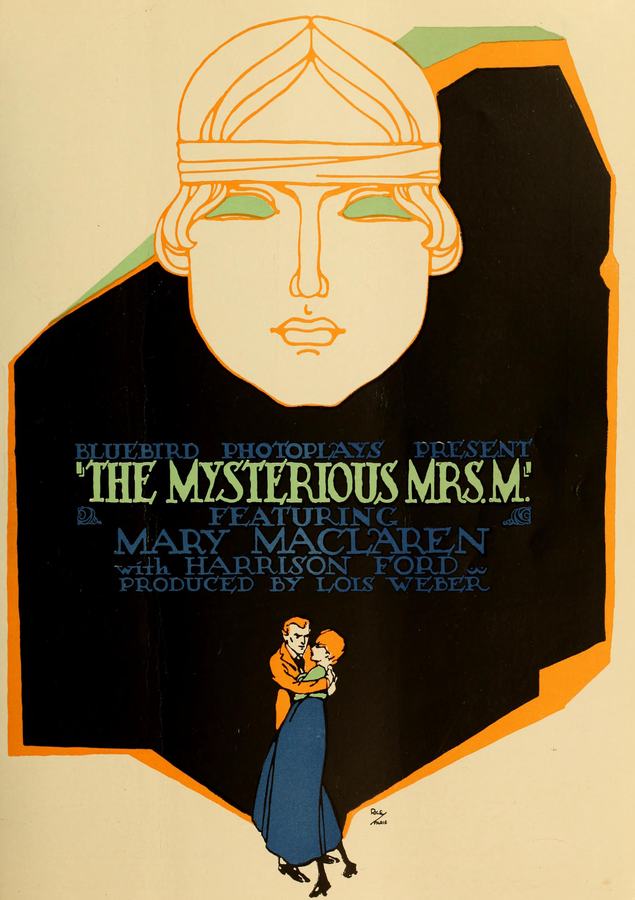
There's a particular kind of magic that emanates from the silent era, a cinematic language built not on dialogue but on the profound power of gesture, expression, and the subtle interplay of light and shadow. The Mysterious Mrs. Musslewhite is a sterling example of this artistry, a film that takes a seemingly straightforward premise and twists it into a captivating exploration of human psychology, the fragility of life, and the insidious nature of deception. At its core, the narrative introduces us to a young man, whose existence, one might surmise, had been largely unremarkable, perhaps even bordering on the monotonous. His world, however, is irrevocably shattered by a chilling pronouncement from a psychic: an unyielding prophecy of his imminent demise.
This fateful declaration acts as a powerful catalyst, plunging our protagonist into an existential crisis of profound depth. Faced with what he believes to be an inescapable destiny, his perspective undergoes a radical, almost alchemical transformation. The mundane fabric of his daily routine, once taken for granted, now shimmers with a newfound luminescence. He begins to scrutinize the world around him with an intensity previously unknown, discovering beauty in the fleeting moments, savoring experiences with a desperate, almost ravenous appetite. This segment of the film, driven by the expressive prowess of actors like Harrison Ford (the silent film star, not the modern icon, mind you), is a masterclass in conveying internal struggle and profound emotional shifts without a single spoken word. Ford, through his nuanced physicality and piercing gaze, portrays the protagonist’s journey from quiet despair to an almost feverish embrace of life with compelling authenticity. We witness his affairs being meticulously ordered, not out of resignation, but out of a desire to leave a legacy, to ensure his brief remaining time is lived with purpose and joy. It’s a powerful memento mori, executed with a delicate touch that resonates deeply, urging us to consider our own relationship with mortality.
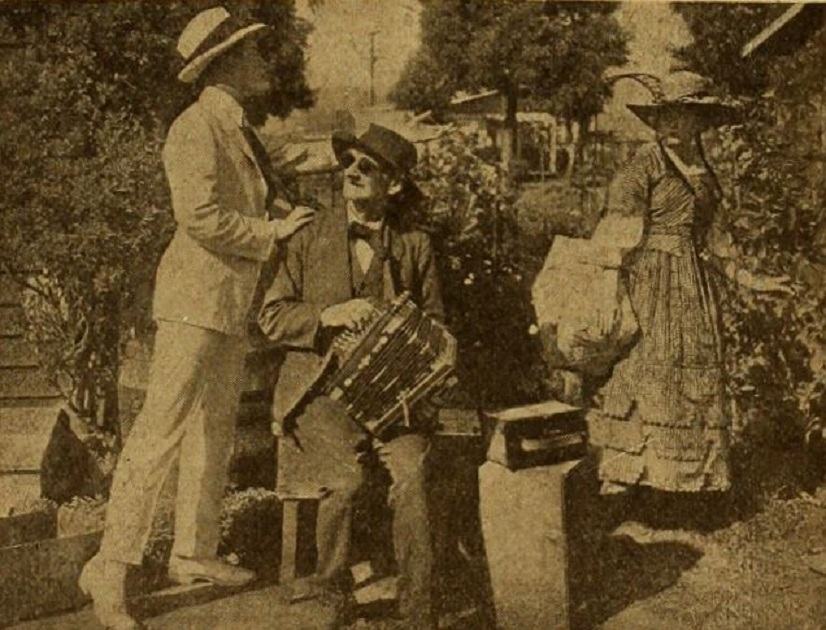
Yet, the true genius of The Mysterious Mrs. Musslewhite lies in its audacious narrative pivot. The appointed hour of death, anticipated with a mixture of dread and acceptance, arrives and then, crucially, passes without incident. The protagonist lives. This unexpected reprieve, however, isn't a cause for unbridled celebration. Instead, it ushers in a new, far more unsettling form of dread. The initial relief quickly curdles into a gnawing suspicion, a chilling realization that his near-death experience might not have been a cosmic joke or a mere miscalculation, but a meticulously orchestrated deception. The film cleverly transitions from a poignant drama about mortality to an intricate psychological thriller, forcing the protagonist, and by extension, the audience, to re-evaluate everything that has transpired. Who would orchestrate such a cruel charade? And more importantly, why? This shift is where the title character, the elusive Mrs. Musslewhite, implicitly steps from the shadows, her presence looming large even before her direct involvement is fully revealed. The narrative implies a mastermind, a puppeteer pulling strings, turning the protagonist's life into a macabre game. The film, in this regard, shares a thematic kinship with works like The Mysteries of Souls, delving into the labyrinthine corridors of the human psyche and the shadowy motives that can drive individuals to manipulate others.
The casting, featuring talents like Frank Brownlee, Mary MacLaren, and Arthur Forde, undoubtedly contributes to the film's rich tapestry of suspicion and intrigue. Each actor, operating within the constraints and expressive freedoms of silent cinema, would have been tasked with conveying layers of motivation—be it genuine concern, calculated malice, or bewildered confusion—through subtle glances, exaggerated gestures, and precise body language. Mary MacLaren, often known for her roles as ingenues or women of strength, could have played a crucial role in either aiding the protagonist's investigation or, more chillingly, being an unwitting (or even complicit) pawn in the grand scheme. The ensemble creates an atmosphere thick with ambiguity, where trust is a fleeting commodity and every smile could mask a hidden agenda. The film’s strength lies in its ability to keep the audience guessing, mirroring the protagonist's own escalating paranoia as he navigates this new, treacherous landscape.
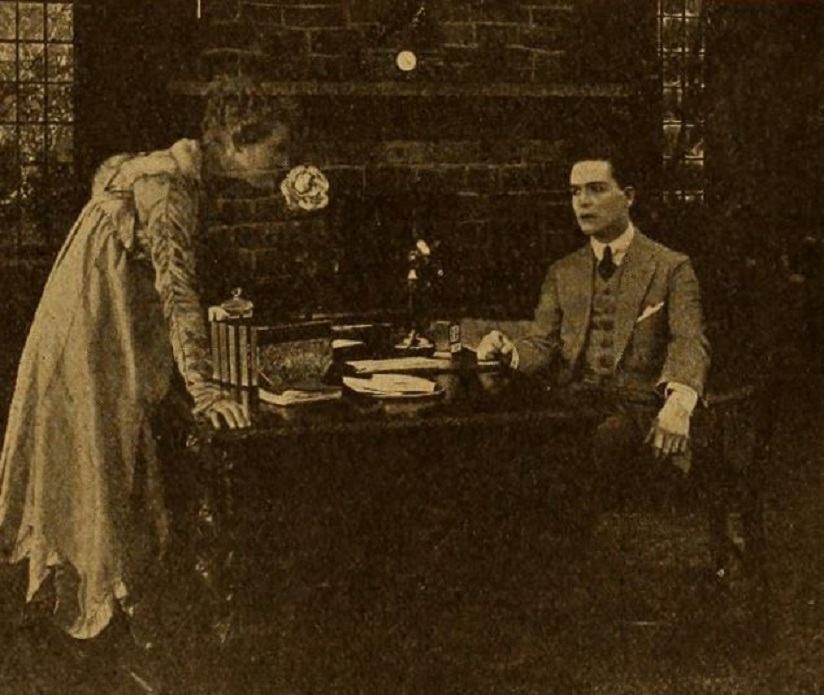
The brilliance of the screenplay, penned by Thomas Edgelow and the formidable Lois Weber, cannot be overstated. Weber, a pioneering female director and writer, was renowned for infusing her films with social commentary and psychological depth, often exploring themes of morality, justice, and the complexities of human relationships. Her influence is palpable here, transforming what could have been a simple mystery into a profound meditation on the human condition. This isn't just a tale of 'whodunit'; it's a profound examination of the psychological toll of manipulation, the redefinition of life's value when confronted with its perceived end, and the inherent human need to understand and control one's destiny. The film implicitly critiques the gullibility of belief, particularly in the realm of the supernatural, while simultaneously exploring the very real-world consequences of such beliefs when exploited by malevolent forces. The narrative doesn't just offer a plot; it presents a philosophical quandary, inviting viewers to ponder the nature of reality and illusion.
From a directorial standpoint, the film would have employed the nascent yet sophisticated techniques of early cinema to build suspense and convey the protagonist's internal turmoil. Close-ups on the actor's faces, particularly Harrison Ford's, would have been crucial in capturing the shift from despair to joy, and then to growing suspicion. The use of intertitles would have been carefully crafted, not merely to convey dialogue, but to punctuate emotional beats and reveal crucial plot points with a dramatic flourish. Lighting, a powerful tool in silent film, would have been instrumental in creating mood—perhaps stark, high-contrast lighting to underscore moments of paranoia, or softer, more diffused light during the protagonist’s period of newfound appreciation for life. The pacing, too, would have been meticulously controlled, allowing the initial existential dread to slowly give way to the creeping unease of suspicion, culminating in a relentless pursuit of truth. This meticulous craftsmanship is a hallmark of the era's finest productions, akin to the careful storytelling seen in classics like Les Vampires, albeit with a different focus on genre.
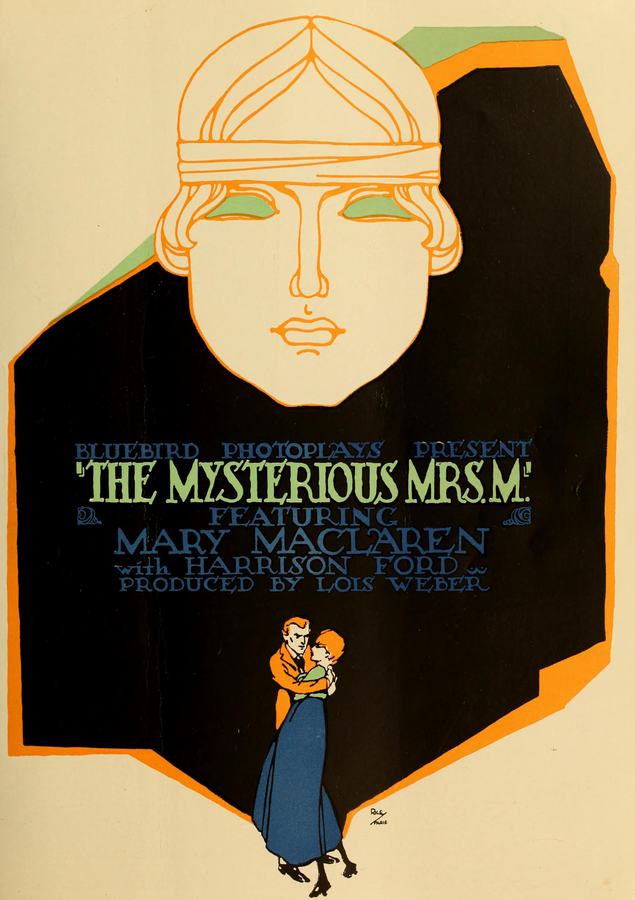
The film's exploration of deception is particularly compelling. The psychic's prediction, initially accepted as an immutable truth, becomes the ultimate lie, a carefully constructed illusion designed to elicit a specific reaction from the protagonist. This narrative device allows the film to delve into the ethics of manipulation and the psychological impact of being subjected to such a profound trick. It raises questions about the nature of free will versus predestination and how our perceptions can be so easily swayed by external forces, especially when those forces tap into our deepest fears. The journey of the protagonist, therefore, transforms from a passive acceptance of fate to an active, almost defiant, quest for agency. He is no longer merely living out his remaining days; he is fighting to reclaim his narrative, to unmask the orchestrator of his torment. This theme of reclaiming agency in the face of manipulation resonates with the social commentaries often found in Weber's other works, such as Slander, which often exposed the hidden machinations within society.
The supporting cast members, including Willis Marks, Charles Hill Mailes, Bertram Grassby, and Evelyn Selbie, would have played pivotal roles in populating this world of shifting truths. Their characters might embody various facets of societal response to the protagonist's predicament: some offering genuine sympathy, others perhaps subtly contributing to the psychological pressure, or even acting as red herrings in the unfolding mystery. The strength of silent cinema lies in its ability to craft compelling narratives through ensemble performances, where each character, no matter how minor, contributes to the overall atmosphere and thematic weight. The collective impact of their performances would have been crucial in establishing the credibility of the world and the stakes involved in the protagonist's desperate search for answers. One can imagine the subtle shifts in their expressions, the way their body language might betray an unspoken secret or a concealed motive, adding layers of complexity to the unfolding drama.
Considering the era of its production, the film also serves as a fascinating historical document, reflecting the public's fascination with spiritualism, fortune-telling, and the burgeoning field of psychology. These were themes ripe for cinematic exploration, allowing filmmakers to tap into contemporary anxieties and beliefs. The Mysterious Mrs. Musslewhite capitalizes on this zeitgeist, weaving it into a compelling narrative that is both entertaining and thought-provoking. Lois Weber's involvement elevates the film beyond mere genre fare; her keen eye for human nature and her willingness to tackle complex social issues imbue the narrative with a resonance that transcends its initial premise. Her work, alongside films like Moral Courage, often challenged societal norms and explored the internal lives of her characters with remarkable empathy and incisiveness, making her a truly singular voice in early cinema.
The film’s eventual resolution, or perhaps its lingering ambiguity, is what truly cements its status as a compelling piece of early cinematic art. Does the protagonist uncover the identity of Mrs. Musslewhite and expose her machinations? Is there a satisfying confrontation, or does the mystery persist, leaving a lingering sense of unease? The plot summary hints at a continued 'something is awry,' suggesting that the discovery of the deception is just the beginning of a deeper unraveling. This narrative choice, if indeed the mystery extends beyond a simple reveal, would be particularly potent, forcing the audience to grapple with the lasting psychological scars of such an ordeal. It’s not just about the truth; it’s about the cost of that truth and the enduring impact of having one’s reality so fundamentally upended. This lingering question mark, this refusal to provide easy answers, is often a hallmark of more sophisticated storytelling, pushing viewers to engage more deeply with the material.
In essence, The Mysterious Mrs. Musslewhite is far more than a simple silent film curiosity. It is a richly layered psychological drama, a suspenseful mystery, and a profound character study, all wrapped within the elegant visual language of early cinema. It invites us to ponder the fragility of life, the power of belief, and the dark corners of human deception. The legacy of films like this, particularly those shaped by the visionary hand of Lois Weber, reminds us of the enduring power of storytelling, irrespective of technological limitations. It speaks to the universal human experience of confronting mortality, questioning reality, and seeking truth in a world often shrouded in illusion. It’s a testament to the fact that even without spoken words, cinema can deliver narratives of immense emotional weight and intellectual complexity, leaving an indelible mark on the viewer long after the final frame has faded.

IMDb —
1925
Community
Log in to comment.