DbcultAccessing Vault...
Cult Review
Senior Film Conservator
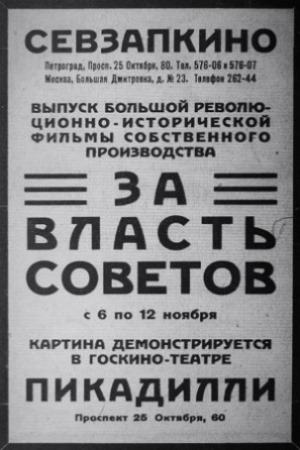
In the nascent years of Soviet cinema, before the formalist explosions of Eisenstein or the rhythmic kinetics of Vertov, there existed a transitional period of raw, urgent storytelling that sought to reconcile the individual psyche with the crushing weight of historical inevitability. Za vlast Sovetov! (1923), directed and co-written by Aleksandr Litvinov alongside Daniil Gessen, stands as a quintessential artifact of this era. It is a work that breathes the smoke of the Petrograd factories and vibrates with the anxiety of a city under siege. Unlike the pastoral serenity found in A Cumberland Romance, Litvinov’s film offers no respite in nature; here, the landscape is purely political, and the soil is saturated with the blood of competing ideologies.
The film’s visual lexicon is one of stark contrasts and heavy shadows. The cinematography captures a Petrograd that is both a fortress and a tomb. As General Yudenich’s White troops loom on the horizon, the city’s workers—led by the stalwart Konstantinov (Yuri Korvin-Krukovsky)—transform from cogs in the industrial machine into the vanguard of a new world order. The lighting in these sequences evokes a sense of impending doom, yet there is a shimmering resilience in the eyes of the performers. This is not the whimsical musicality of Mellem muntre musikanter; it is a somber, rhythmic march toward a destiny that feels both earned and terrifying.
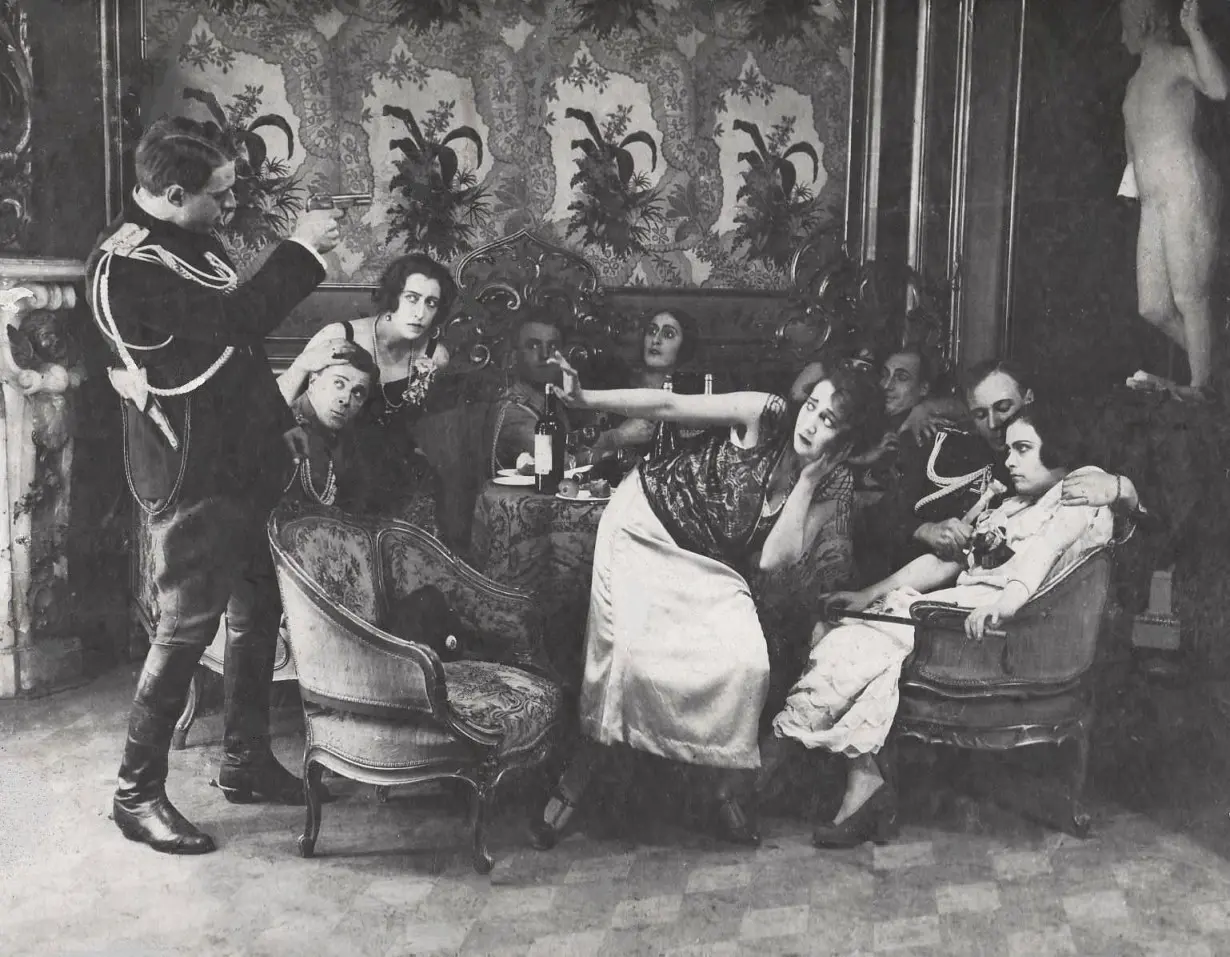
The portrayal of the Petrograd workers is handled with a reverence that borders on the hagiographic, yet Litvinov avoids the trap of making them mere caricatures of virtue. There is a grit to their movements, a weariness in their posture that speaks to the exhausting reality of the Civil War. When compared to the grandiosity of Famous Battles of Napoleon, which views history through the lens of Great Men and sweeping maneuvers, Za vlast Sovetov! finds its power in the collective anonymity of the barricades. The battle is not for glory, but for survival—for the very breath of the Soviet power promised in its title.
At the heart of this historical tempest lies the love drama of Konstantinov. It is a narrative choice that might, at first glance, seem like a concession to bourgeois storytelling—a way to sugarcoat the political pill. However, Litvinov utilizes the romance to heighten the stakes of the revolution. Konstantinov’s internal conflict reflects the external struggle: how does one maintain a private life when the public sphere is in a state of total mobilization? This tension is far more acute than the romantic follies seen in A Woman's Fool or the sentimental journeys of Cheated Love. In those films, love is an end in itself; in Za vlast Sovetov!, love is a casualty or a catalyst of the class struggle.
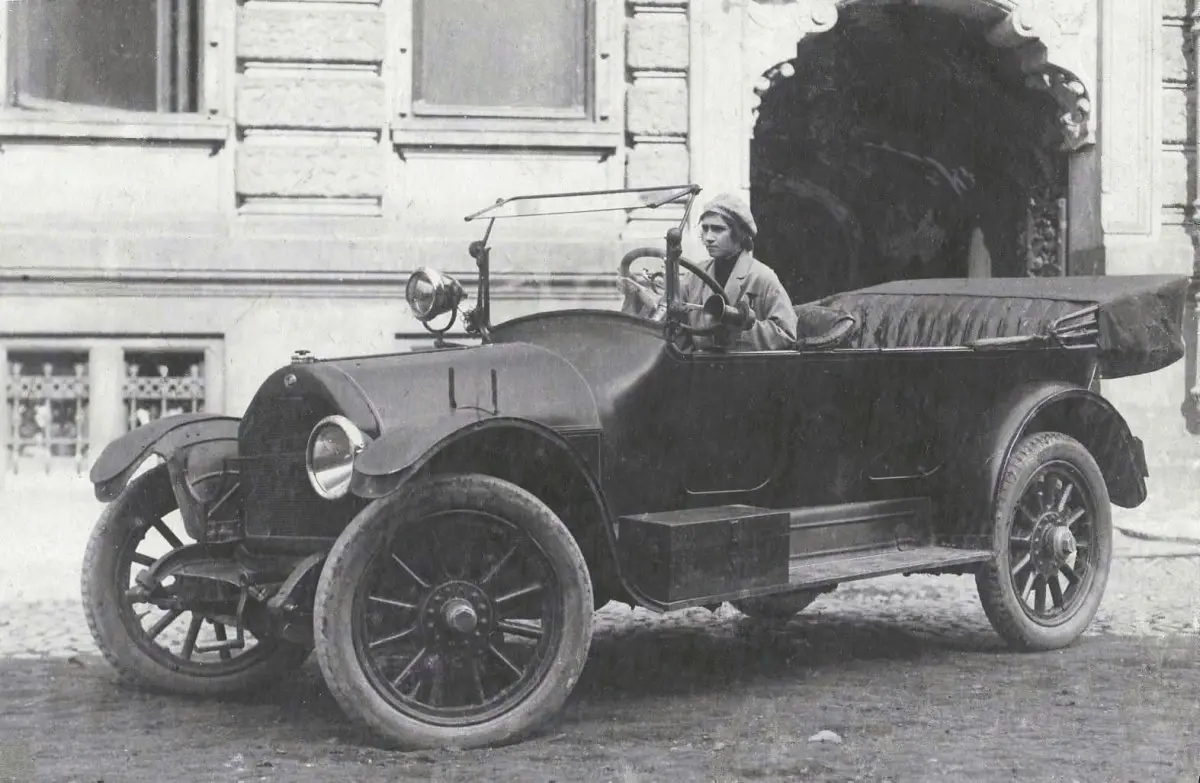
The performance of Yuri Korvin-Krukovsky is a masterclass in silent era restraint. His face becomes a canvas upon which the anxieties of a generation are projected. Opposite him, the cast—including Vasiliy Garlin and Anastasiya Loginova—populate a world that feels lived-in and desperately fragile. There is a scene, lit by the flickering glow of a makeshift hearth, where the characters discuss the future; the shadows dancing on the walls seem to suggest that the ghosts of the old regime are not yet finished with them. This psychological depth elevates the film beyond mere propaganda, touching upon the existential dread that permeates Blind Man's Holiday.
When we examine the cinematic landscape of the early 1920s, the unique trajectory of Soviet film becomes evident. While American cinema was perfecting the art of the genre piece—the Western grit of The Jest of Talky Jones or the comedic subversions of The Shriek of Araby—Russian directors were grappling with the immediate debris of a fallen empire. Za vlast Sovetov! shares the survivalist ethos of An Odyssey of the North, but replaces the frozen wilderness with the cold, unyielding iron of the Petrograd defense lines.
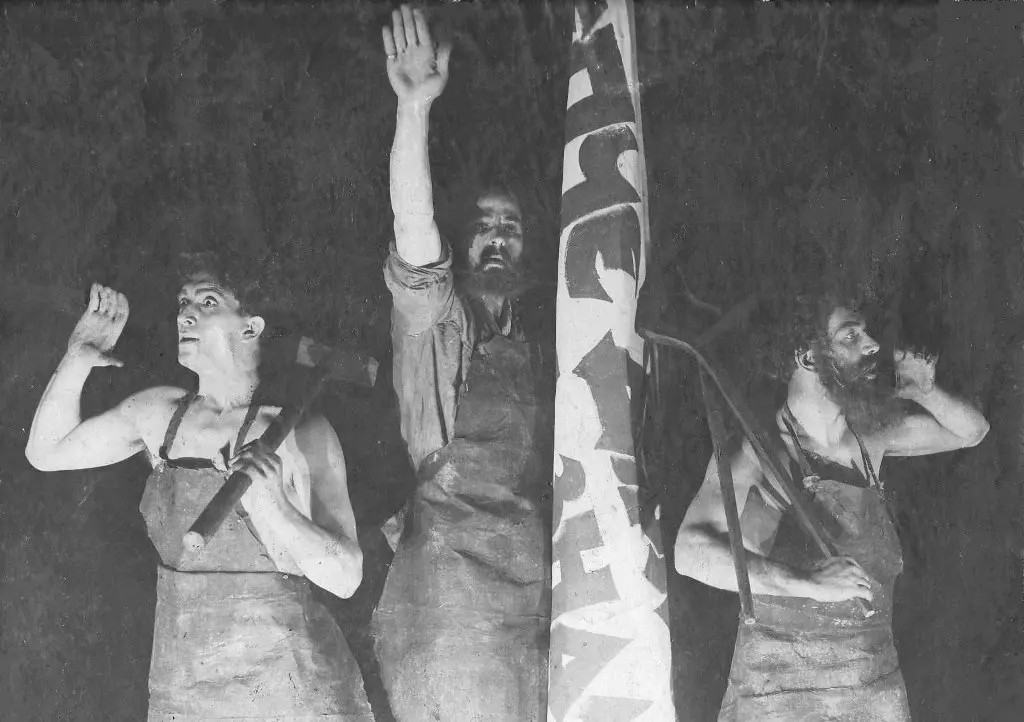
The film also engages with themes of pride and honor that echo the Italian production L'orgoglio. However, where the Italian sensibility often leans toward the operatic, Litvinov’s approach is steeped in the aesthetic of the 'Agit-train.' Every frame is designed to communicate a sense of duty. The 'bait' here—to reference The Bait—is not a deceptive trap but the promise of a proletarian utopia, a lure that requires the total sacrifice of the self. Even the lighter moments, which in The Barnstormers would provide comic relief, are here tinged with the irony of people who know they might not see the sunrise.
Aleksandr Litvinov, working within the constraints of a post-war economy with limited film stock and primitive equipment, manages to create a sense of scale that is truly impressive. The mobilization of the workers is staged with a rhythmic precision that anticipates the great Soviet montages of the late 20s. There is a sequence involving the preparation of an armored train that is particularly striking; the camera lingers on the rivets and the steam, imbuing the machinery with a life of its own. It is a far cry from the detective tropes of Sleepy Sam, the Sleuth; here, the investigation is into the soul of a nation, and the 'clues' are written in the movement of the masses.
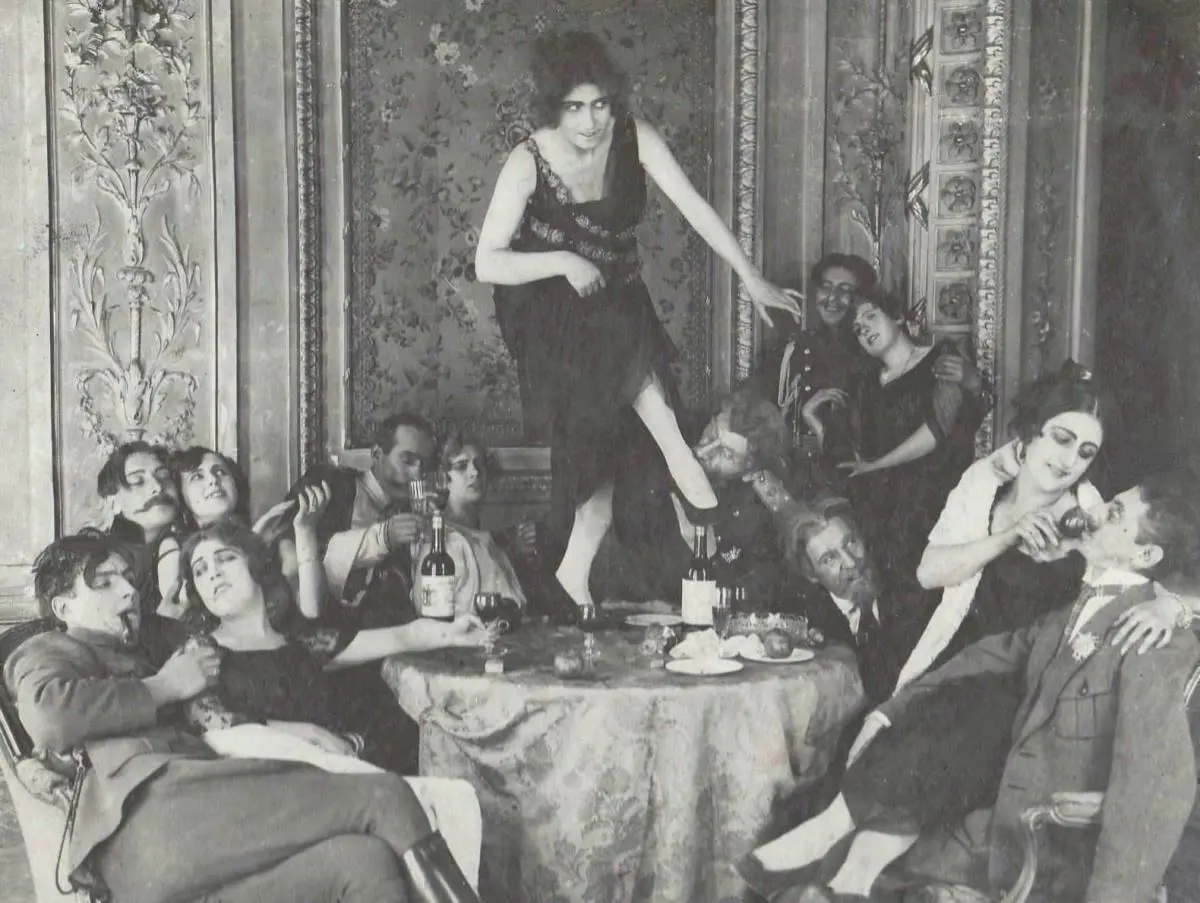
The screenplay by Daniil Gessen and Litvinov avoids the episodic nature of many contemporary films like Ramblers Three. Instead, it builds a sustained crescendo of tension. The threat of Yudenich is a constant, suffocating presence, making the moments of personal intimacy between Konstantinov and his beloved feel like stolen breaths. This narrative density ensures that the film remains engaging despite its ideological weight. It is a story of Greater Than Fame, where the individual’s desire for recognition is subsumed by the necessity of the cause.
To view Za vlast Sovetov! today is to witness the birth of a cinematic language. It is a film that understands the power of the image to mobilize and to move. While it lacks the polished artifice of Hollywood’s silent era, its raw energy is undeniable. The cast, featuring names like Aleksandr Lyubosh and Klara Klodnitskaya, performs with a sincerity that transcends the limitations of the medium. They are not merely actors; they are symbols of a class in the midst of a violent rebirth.
"The film serves as a bridge between the old world of theatrical melodrama and the new world of revolutionary epic. It is a cinematic barricade, built from the hopes and fears of the Petrograd proletariat."
In the final analysis, Litvinov’s work is a testament to the idea that cinema can be both a weapon and a mirror. It reflects the harsh reality of war while simultaneously forging a mythos for the new Soviet state. The love story of Konstantinov, rather than being a distraction, provides the necessary human anchor in a sea of historical abstraction. It reminds the viewer that behind every political movement are individuals with hearts that break and yearn. Za vlast Sovetov! remains a vital, if overlooked, chapter in the history of film—a haunting, high-contrast journey into the heart of a revolution that changed the world forever. It is an essential watch for anyone seeking to understand the roots of Soviet montage and the emotional cost of ideological conviction.
The ensemble cast, including P. Shidlovsky, V. Yegipkina, and Roman Apollonsky, provides a rich tapestry of human experience that ensures the film's lasting impact beyond its initial propaganda value.
IMDb 6
1931
Community
Log in to comment.