United States
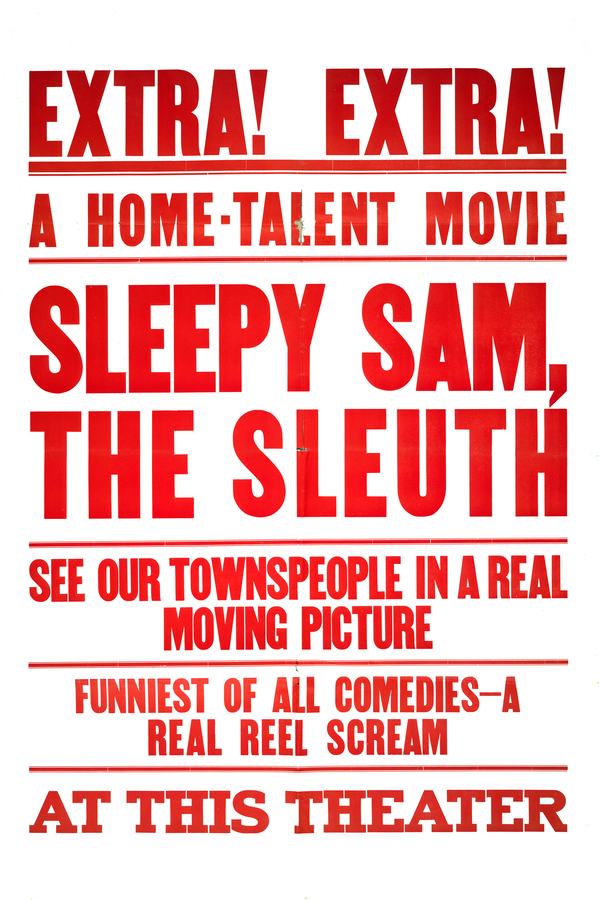
Imagine, if you will, a gumshoe who solves crimes between blinks—those microscopic blackouts where the universe swaps masks. That is Sam, alias Sleepy Sam, alias the prince of preternatural naps. The film—five reels of nitrate dreamstuff—premiered in March 1915, marketed as a "somniferous romp." Critics yawned; audie...
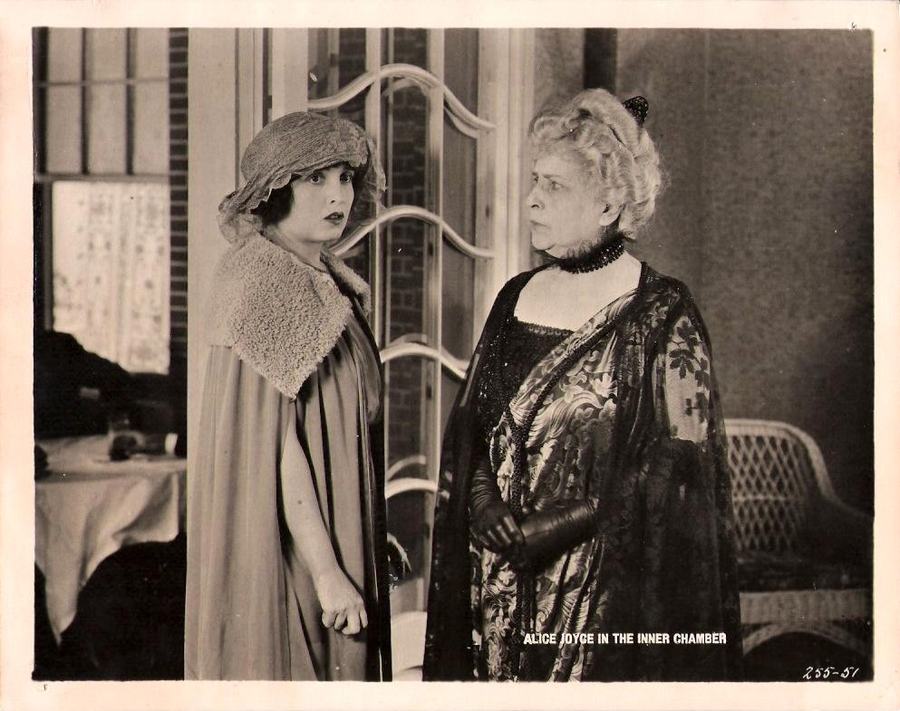
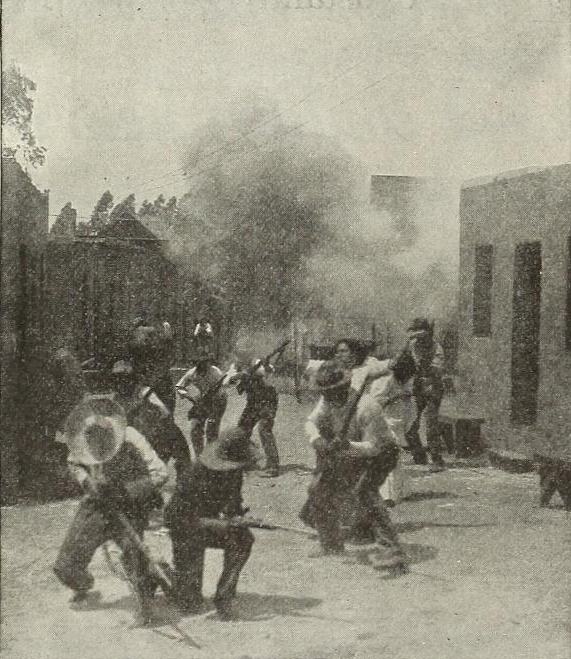
Comparing the cinematic DNA and archive impact of two defining moments in cult history.
Unknown Director
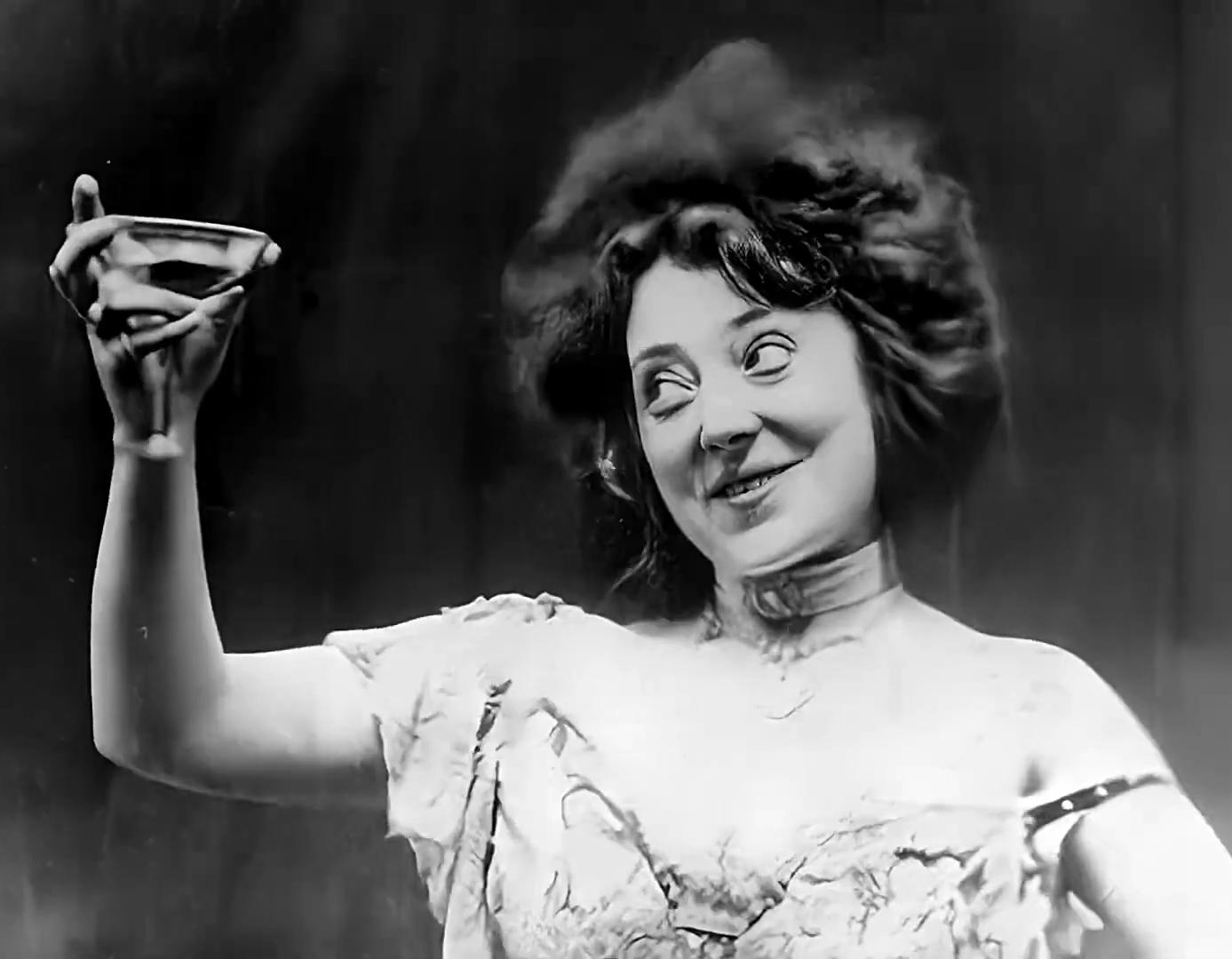
Unknown Director
Community
Log in to comment.
" Imagine, if you will, a gumshoe who solves crimes between blinks—those microscopic blackouts where the universe swaps masks. That is Sam, alias Sleepy Sam, alias the prince of preternatural naps. The film—five reels of nitrate dreamstuff—premiered in March 1915, marketed as a "somniferous romp." Critics yawned; audiences swooned; the censor blinked and missed the subversion entirely. The Narcoleptic Protagonist as Existential Rorschach Sam, played by itinerant stage magician Everett C. Dolan,..."