DbcultAccessing Vault...
5.6/10
Senior Film Conservator
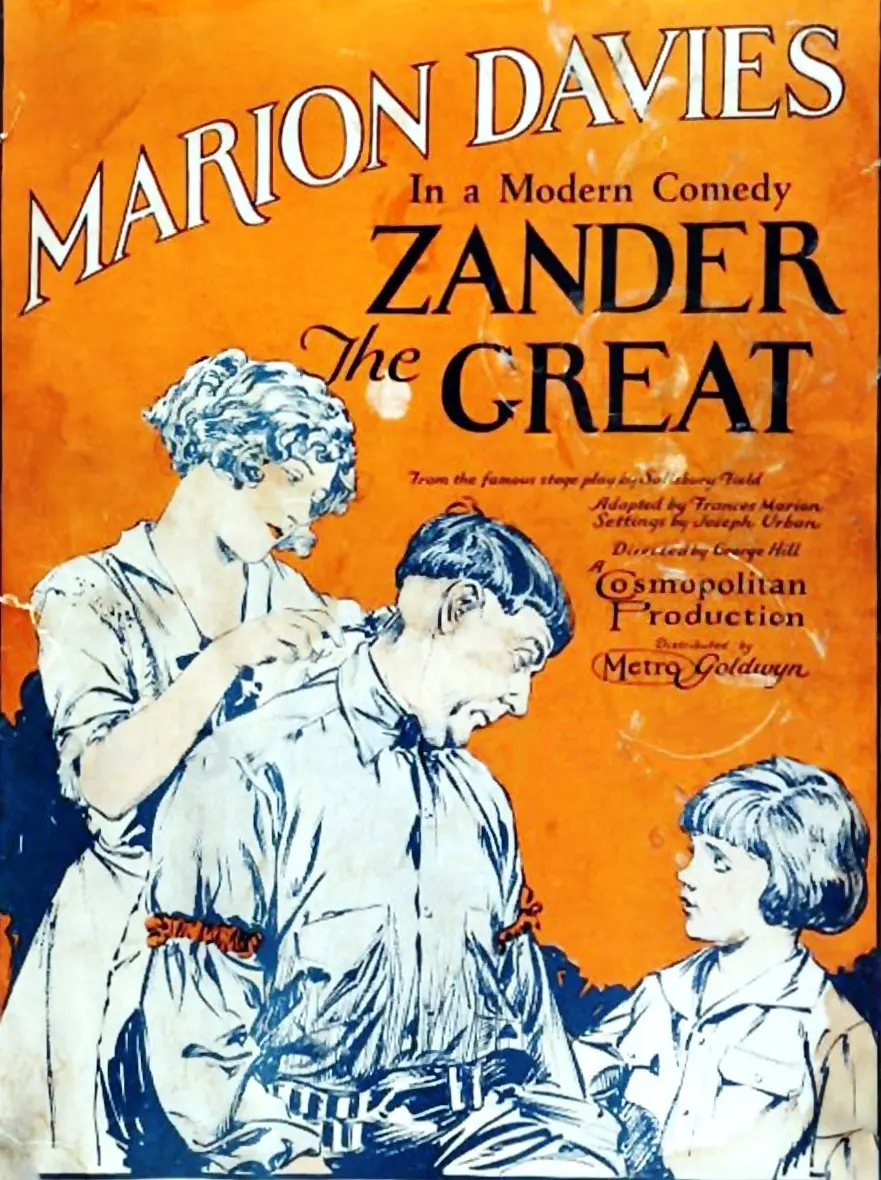
A definitive 5.6/10 rating for a film that redefined the boundaries of cult cinema. Zander the Great remains a cornerstone of transgressive art.
Stepping back into the cinematic landscape of 1925, one encounters a peculiar gem, 'Zander the Great,' a film that, despite its age and the inherent challenges of the silent era, manages to resonate with an emotional clarity that transcends time. This isn't just another period piece; it's a testament to the power of narrative and performance, particularly from its luminous star, Marion Davies. Directed by George Siegmann, and adapted from a play by Salisbury Field and Lillie Hayward, with a screenplay by the prolific Frances Marion, the film weaves a tapestry of innocence lost, found, and fiercely protected. It’s a story that grapples with themes of systemic neglect, the profound bonds forged in adversity, and the unwavering spirit of a young woman determined to rewrite a cruel destiny.
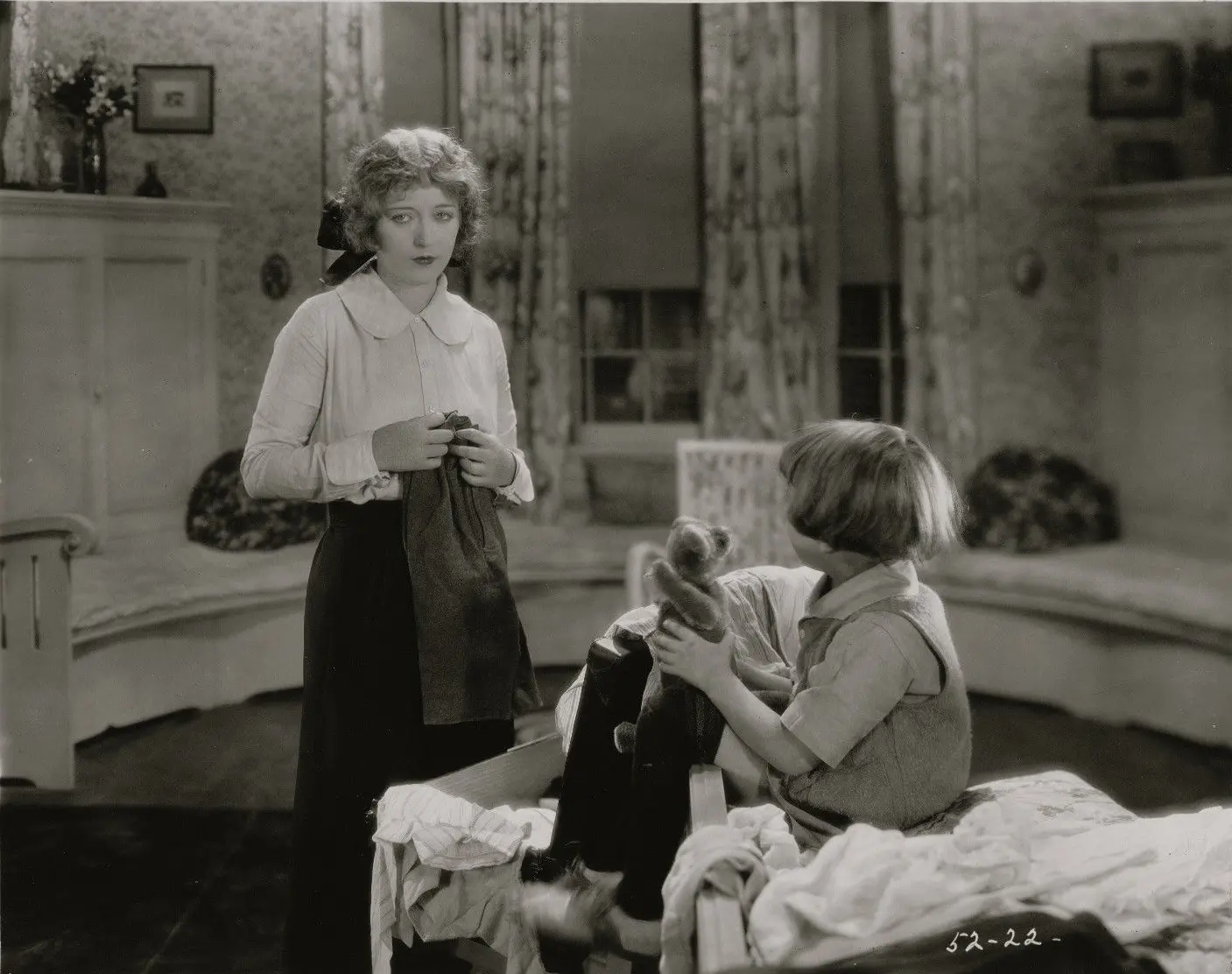
At its core, 'Zander the Great' is Mamie’s story, a character brought to life with astonishing depth by Marion Davies. We meet Mamie as a survivor, an orphan whose early life was marred by the harsh realities of institutional care. Her past, though unseen, casts a long shadow, informing every glance, every hesitant gesture. The film deftly establishes her vulnerability and the deep-seated trauma she carries, making her subsequent acts of selflessness all the more poignant. Her rescue from this bleak existence by the benevolent Mrs. Caldwell is a turning point, not merely for Mamie, but for the entire narrative. It introduces a glimmer of hope, a chance at normalcy, and, crucially, the catalyst for her future heroism: young Alexander.
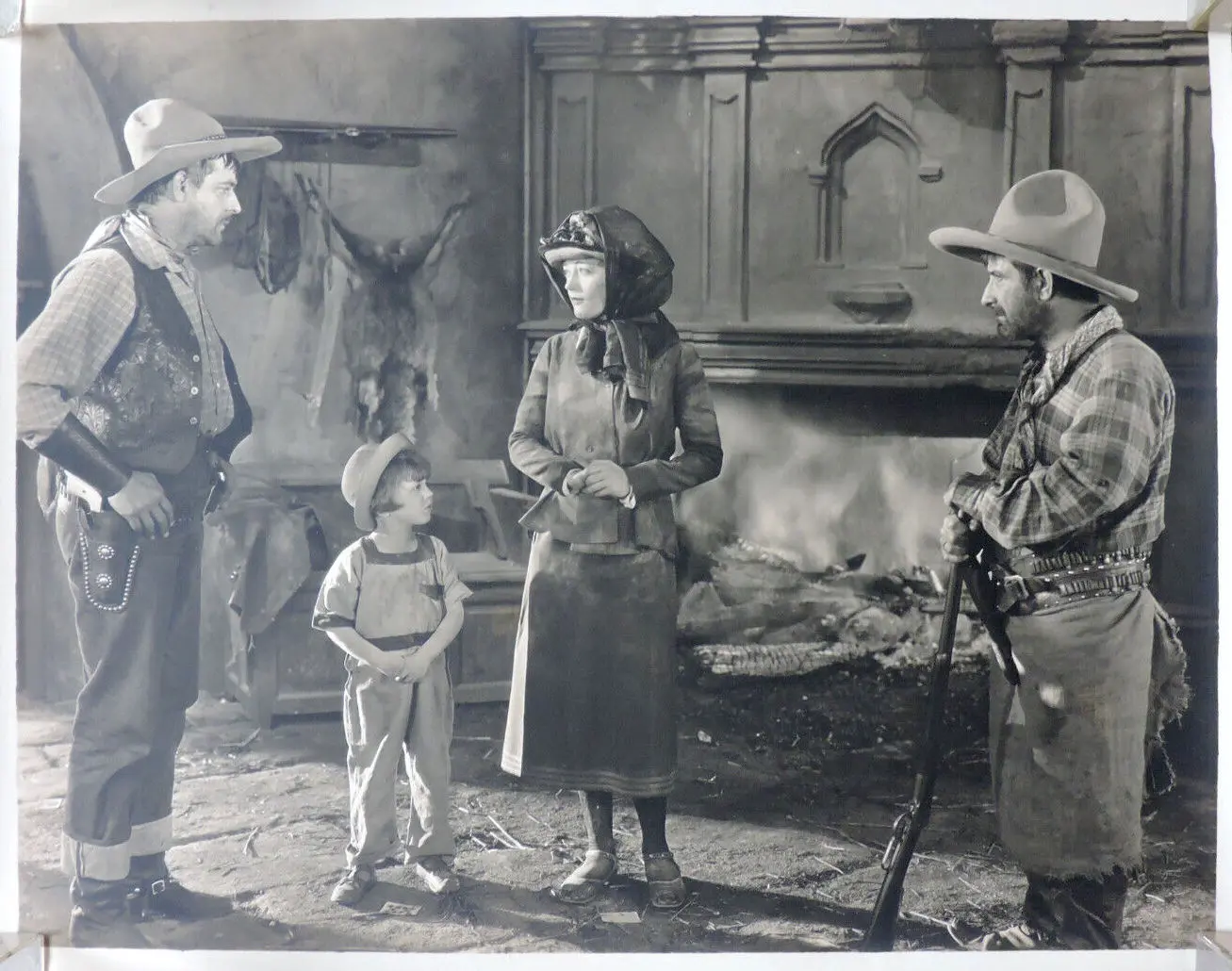
The relationship between Mamie and Alexander, whom she affectionately renames 'Zander,' forms the emotional bedrock of the film. It's a connection born not of blood, but of shared humanity and a desperate need for belonging. Mamie, having been denied a childhood, pours all her nascent maternal instincts into Zander, seeing in him perhaps the innocence she lost, and a future she wishes she could have had. The film beautifully portrays the development of this bond through subtle interactions – shared laughter, comforting embraces, and the quiet understanding that passes between them. It’s a powerful depiction of how love can blossom even in the most unlikely of circumstances, offering a stark contrast to the cold, impersonal world Mamie knew.
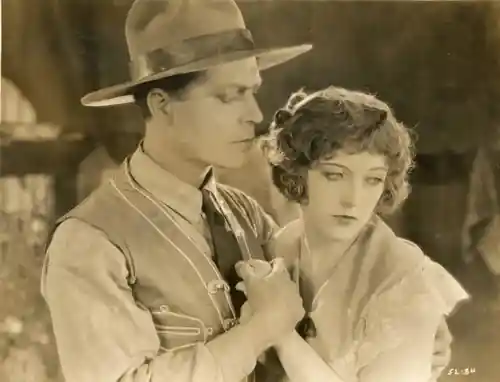
However, this fragile haven is shattered by Mrs. Caldwell's untimely death. The ensuing bureaucratic decree, condemning Alexander to the very orphanage that scarred Mamie, ignites a fierce fire within her. This pivotal moment transforms Mamie from a gentle caretaker into a warrior. Her desperation is palpable; the thought of Zander enduring the same mistreatment she suffered is an unbearable torment. This is where the film truly takes flight, shifting from a domestic drama to a gripping tale of daring and sacrifice. Davies's performance here is particularly noteworthy, conveying a raw, visceral fear coupled with an unyielding resolve that is utterly captivating. She doesn't just act; she embodies the very essence of protective love.
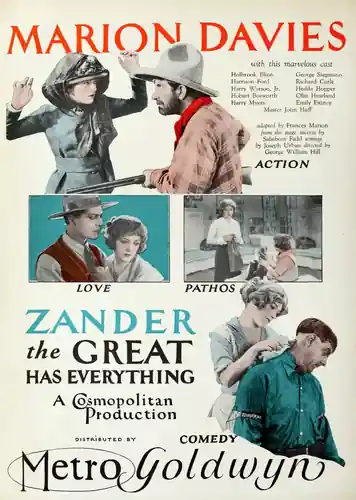
Marion Davies, often unfairly overshadowed by her personal life, shines brightly in 'Zander the Great.' Her comedic timing was legendary, but films like this underscore her formidable dramatic capabilities. She navigates Mamie's emotional landscape with remarkable nuance, from the quiet pain of her past to the radiant joy of her bond with Zander, and finally, to the steely determination of her desperate flight. Her expressive eyes and gestures, vital tools in the silent era, convey a wealth of emotion without a single spoken word. It’s a performance that demands attention, challenging any preconceived notions about her range and artistry. Her portrayal of Mamie's unwavering resolve, even in the face of overwhelming odds, is both inspiring and heartbreaking.
The supporting cast, while not given as much screen time, contributes effectively to the film's atmosphere. Olin Howland as the villainous 'Judge' and George Siegmann in a more nuanced role add layers to the unfolding drama. The child actor playing Zander, Betsy Ann Hisle, brings an authentic innocence that makes Mamie’s struggle all the more urgent and relatable. The ensemble works in concert, creating a believable world against which Mamie’s extraordinary journey unfolds. Even minor characters, like Mrs. Caldwell, leave a lasting impression, their brief presence serving as a vital emotional anchor for the story.
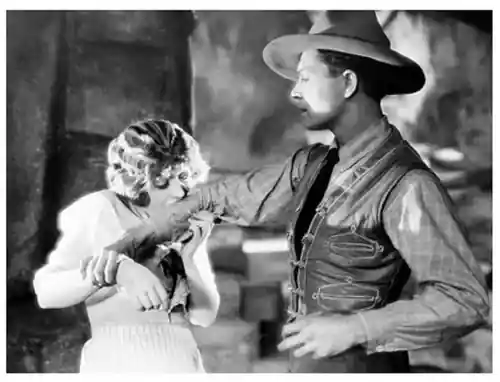
George Siegmann’s direction is competent, if not groundbreaking, for the era. He understands the mechanics of silent storytelling, utilizing close-ups to emphasize emotional beats and employing effective pacing to build suspense during Mamie's escape and subsequent trials. The visual language of the film, while adhering to the conventions of 1920s cinema, manages to convey the narrative with clarity and emotional impact. The use of intertitles is judicious, never overwhelming the visual storytelling but providing necessary exposition and dialogue. The cinematography, though perhaps not as stylized as some contemporary works, effectively captures the contrasting environments – the harshness of the orphanage, the warmth of Mrs. Caldwell’s home, and the rugged beauty of the open road.
The screenplay by Frances Marion, adapting Salisbury Field and Lillie Hayward's play, is a masterclass in crafting a compelling melodrama. Marion, one of the most prolific and respected screenwriters of the silent and early sound eras, understood how to build character through action and how to heighten emotional stakes. The narrative arc of Mamie's journey, from victim to protector, is skillfully developed, ensuring that her motivations are always clear and her plight deeply felt. There are moments of genuine tension and heartwarming tenderness, expertly balanced to keep the audience engaged. The script avoids simplistic tropes, instead opting for a more complex portrayal of human resilience and the lengths to which love will drive an individual.
When considering 'Zander the Great' within the broader context of silent cinema, it's illuminating to draw comparisons to other films of its time. The theme of a young woman facing societal injustice and personal hardship, often with a child in tow, was a recurring motif. One might think of films like The Little Girl That He Forgot, which similarly touches upon themes of forgotten or imperiled youth and the desperate measures taken by those who care for them. Or perhaps even Eyes of Youth, where a young woman's choices are dictated by circumstances beyond her control, though 'Zander' leans more into active defiance rather than passive suffering. The inherent melodrama is a staple of the era, but 'Zander the Great' manages to elevate its narrative through strong characterization and a genuine emotional core.
The film also shares a thematic kinship with other dramas exploring the plight of the vulnerable and the fight against institutional cruelty. While not as overtly political as some social dramas, Mamie's struggle against the orphanage system resonates with a powerful plea for compassion and individual agency. The journey of protection and escape, a classic narrative device, is handled with a sense of urgency that keeps viewers invested in Mamie and Zander's fate. It's a reminder that even in an age without synchronized dialogue, filmmakers were adept at crafting narratives that spoke to universal human experiences.
What truly makes 'Zander the Great' endure is its heartfelt portrayal of courage and compassion. Mamie’s journey is not just a physical one; it is an emotional odyssey from a scarred past to a future she is determined to forge for someone else. Her willingness to risk everything for Zander speaks to the purest form of love – self-sacrificing, unwavering, and utterly profound. This film isn't just about escaping an orphanage; it's about breaking cycles of pain, about finding family where you least expect it, and about the indomitable spirit of a human being pushed to the brink but refusing to break.
The film’s climax, without giving too much away, delivers a satisfying resolution that feels earned through Mamie’s relentless struggle. It’s a testament to the power of a well-crafted story that can elicit such strong emotional responses decades after its initial release. The narrative might seem straightforward by today's standards, but its emotional complexity and the depth of its central performances elevate it beyond mere melodrama. It's a film that leaves you with a lingering sense of hope and a profound appreciation for the strength of the human spirit.
In conclusion, 'Zander the Great' is more than just a historical curiosity; it’s a vibrant, emotionally resonant piece of silent cinema that deserves a wider audience. Marion Davies delivers a captivating performance, showcasing her dramatic prowess and cementing her status as a truly versatile star. The film’s themes of protection, sacrifice, and the fight against injustice remain as relevant today as they were nearly a century ago. If you have an appreciation for the artistry of the silent era or simply a love for compelling human stories, 'Zander the Great' is a film that will undoubtedly touch your heart and leave a lasting impression. It stands as a powerful reminder of cinema's ability to transcend technological limitations and speak directly to the soul.
IMDb —
1925
Community
Log in to comment.