DbcultAccessing Vault...
Cult Review
Senior Film Conservator
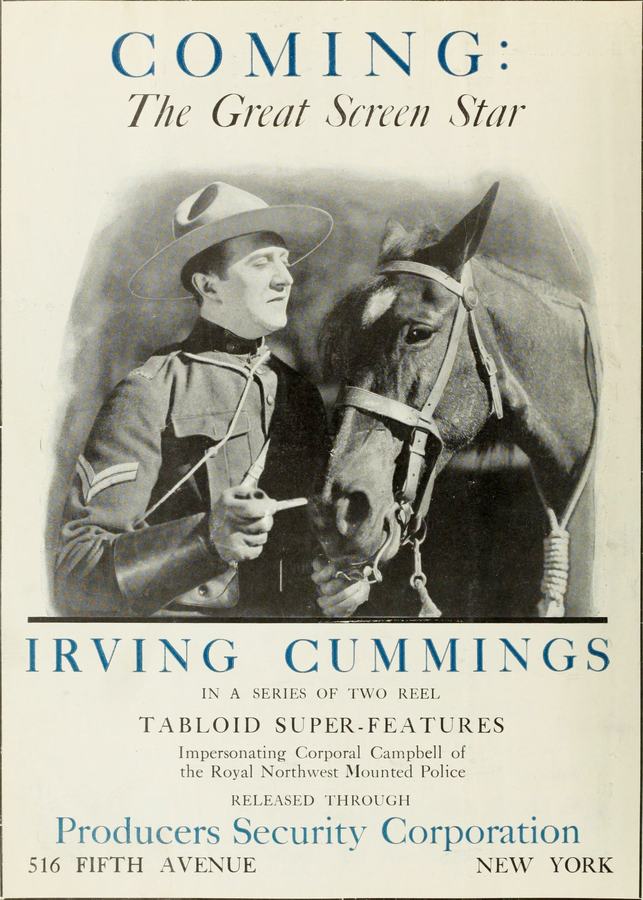
In the burgeoning landscape of 1913 cinema, few films managed to capture the raw, unadulterated friction of human suffering with the same surgical precision as The Rope's End. Starring the formidable Irving Cummings, this piece stands as a monolith of early psychological tension. While many contemporary works like The Dragon leaned heavily into the exoticism of their settings, The Rope's End finds its horror in the mundane, the domestic, and the inevitable. It is a film that breathes through its shadows, demanding that the audience confront the terrifying reality of a man who has run out of options.
Cummings delivers a performance that is remarkably restrained for the period. We often associate the silent era with grand gestures and hyperbolic facial contortions, yet here, Cummings utilizes a stillness that is almost modern. His eyes carry the weight of a thousand failures, echoing the thematic resonance found in The Failure, though with a far more grim trajectory. Where other films of the year might offer a glimmer of redemption, this narrative remains steadfast in its commitment to the 'end' promised by its title.
To understand the gravity of The Rope's End, one must look at the broader cinematic context of the early 1910s. Films like L'aigrette explored the intricacies of social standing and grace, but The Rope's End strips away these veneers of gentility. It is the antithesis of the aspirational dramas of its time. Instead of the sweeping heroism found in Hail the Woman, we are presented with a protagonist whose only victory is the preservation of his own sanity—and even that is debatable by the final reel.
The film’s structure is fascinatingly linear, yet it feels cyclical, as if the protagonist is caught in a whirlpool. This narrative density is something we rarely see outside of high-concept mysteries like The Scarlet Crystal. However, while The Scarlet Crystal relies on external plot twists, The Rope's End generates its momentum from internal decay. The pacing is deliberate, almost agonizingly so, forcing the viewer to inhabit the protagonist's growing desperation.
Technically, the film is a masterclass in primitive lighting. The use of natural light filtering through dusty windows creates a chiaroscuro effect that predates the German Expressionist movement by several years. There is a specific scene, involving a confrontation over a debt, where the shadows seem to swallow the characters whole, much like the legal entanglements in Mrs. Dane's Defense. The difference here is the lack of a courtroom to arbitrate the truth; in The Rope's End, the truth is merely a precursor to tragedy.
The set design is sparse, reflecting the protagonist's dwindling resources. Unlike the ornate backdrops of Severo Torelli, every object in The Rope's End feels heavy, fraught with significance. A simple chair is not just a piece of furniture; it is the last vestige of a home. A piece of paper is not just a letter; it is a death warrant for a man’s reputation. This level of symbolic density is what elevates the film above the standard 'one-reeler' fare of the era.
While the film is deeply personal, it also functions as a subtle critique of the industrial age's callousness. We see reflections of the national struggles depicted in Âme belge, though transposed onto the American experience of poverty and isolation. The protagonist is a victim of a system that has no use for his labor or his dignity. In this sense, the film shares a spiritual kinship with The Miner's Daughter, focusing on the human cost of economic progress.
However, The Rope's End avoids the didacticism often found in social issue films. It does not preach; it observes. It doesn't offer the nostalgic comfort of Never Too Old, nor does it indulge in the class-based satire of The Upstart or Jiggs in Society. It is a stark, unvarnished look at the reality of the 'forgotten man' long before the term became a political staple.
A recurring motif in the film is the concept of luck—or the lack thereof. The protagonist's situation is often contrasted with those who have succeeded through mere chance, a theme explored with more whimsy in The Man Who Could Not Lose. In The Rope's End, the cosmic joke is much darker. Every 'lucky' break is revealed to be a trap, and every escape route leads back to the same gallows. It is a fatalistic worldview that feels almost Shakespearean, reminiscent of the courtly intrigues in Chicot the Jester, but stripped of the royal finery.
The emotional climax of the film is a tour de force of silent acting. Cummings conveys a sense of finality that is truly haunting. There is a moment where he looks directly into the camera—a rare breaking of the fourth wall for 1913—and in that gaze, the audience is implicated. We are no longer mere spectators; we are the indifferent society that pushed him to this point. It is a moment of profound cinematic power, rivaling the pathos of El pañuelo de Clarita in its ability to elicit genuine empathy from the viewer.
The Rope's End is not an easy watch, nor is it intended to be. It is a grueling, uncompromising piece of art that challenges the viewer to look at the darker corners of the human experience. Its survival through the decades is a testament to its inherent quality and the visionary performance of Irving Cummings. In a year filled with experimental shorts and burgeoning features, this film stands out as a definitive statement on the human condition. It is a reminder that even in the infancy of the medium, filmmakers were already grappling with the complex questions of morality, survival, and the weight of existence.
For those interested in the evolution of dramatic storytelling, The Rope's End is essential viewing. It provides a bridge between the theatricality of the late 19th century and the psychological realism that would come to define the 20th. It is a somber, beautiful, and ultimately devastating work that lingers in the mind long after the final frame has faded to black. The film does not just depict the end of a rope; it depicts the end of hope itself, and it does so with a cinematic grace that is nothing short of extraordinary.
IMDb —
1935
Community
Log in to comment.