DbcultAccessing Vault...
Cult Review
Senior Film Conservator

Look, if you have a soft spot for silent films that feel like they were pulled out of a basement in 1920, you might get a kick out of this. If you need pacing that doesn't feel like watching paint dry on a cold morning, skip it. You will either love the grainy texture or you will hate that absolutely nothing happens for the first twenty minutes.
The whole thing feels remarkably fragile. It’s like watching an antique piece of furniture that might fall apart if you look at it too hard.
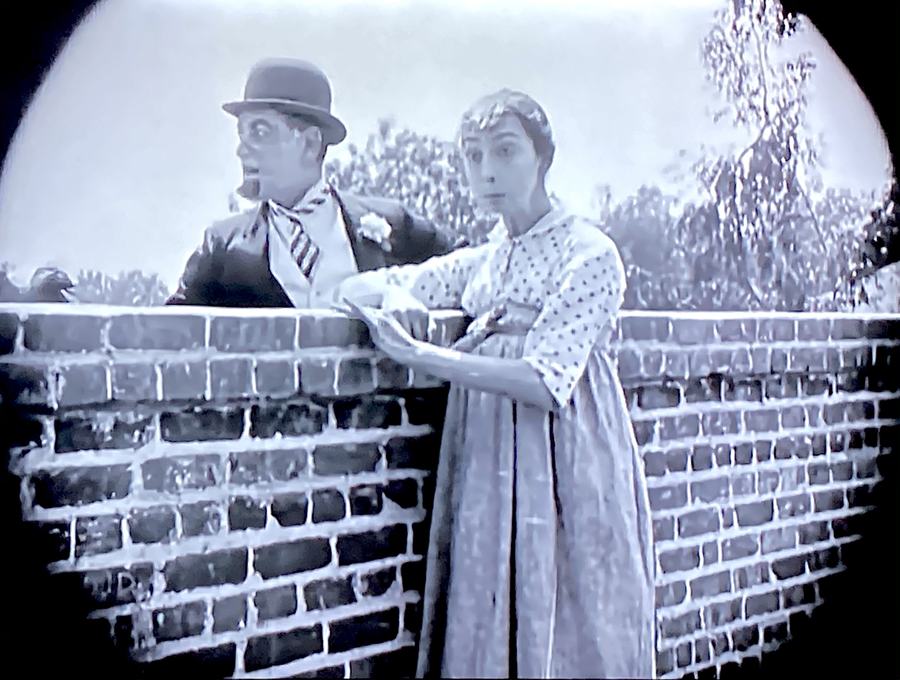
Anna Shendzikovskaya is doing a lot of heavy lifting with her eyes. There’s a scene near the middle where she stares at a wall for what feels like a decade. It’s supposed to be dramatic, I think, but mostly I just wondered if she was waiting for a snack.
It reminded me a bit of the pacing issues in Anna Karenina. Both films have this habit of stopping right when they should be speeding up. It’s a very specific kind of frustration.
There’s this one moment involving a tool—the title means 'golden hands' after all—and the camera lingers on it for so long I started to think the tool was the main character. It was almost funny. Almost.
I found myself thinking about Extravagance while watching this. There’s a similar feeling of trying to make a big point with very limited tools. It doesn't always land. Sometimes it just feels like the director forgot to yell 'cut' and just kept the film rolling because they ran out of things to say.
It’s not a masterpiece. It’s not even a particularly good movie by modern standards. But there’s something about the way the dust settles on the screen that feels… real. It’s a messy, imperfect little film that probably shouldn't have survived the century. 🎞️
Anyway, I probably wouldn't watch it again. Unless I needed help falling asleep, that is.
Year
1932
IMDb Rating
—
Editorial
Deciphering the legacy of transgressive cult cinema.
Community
Log in to comment.