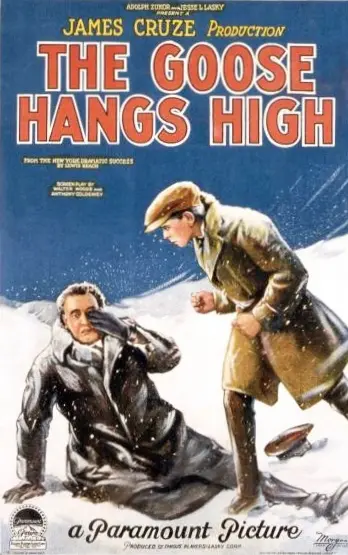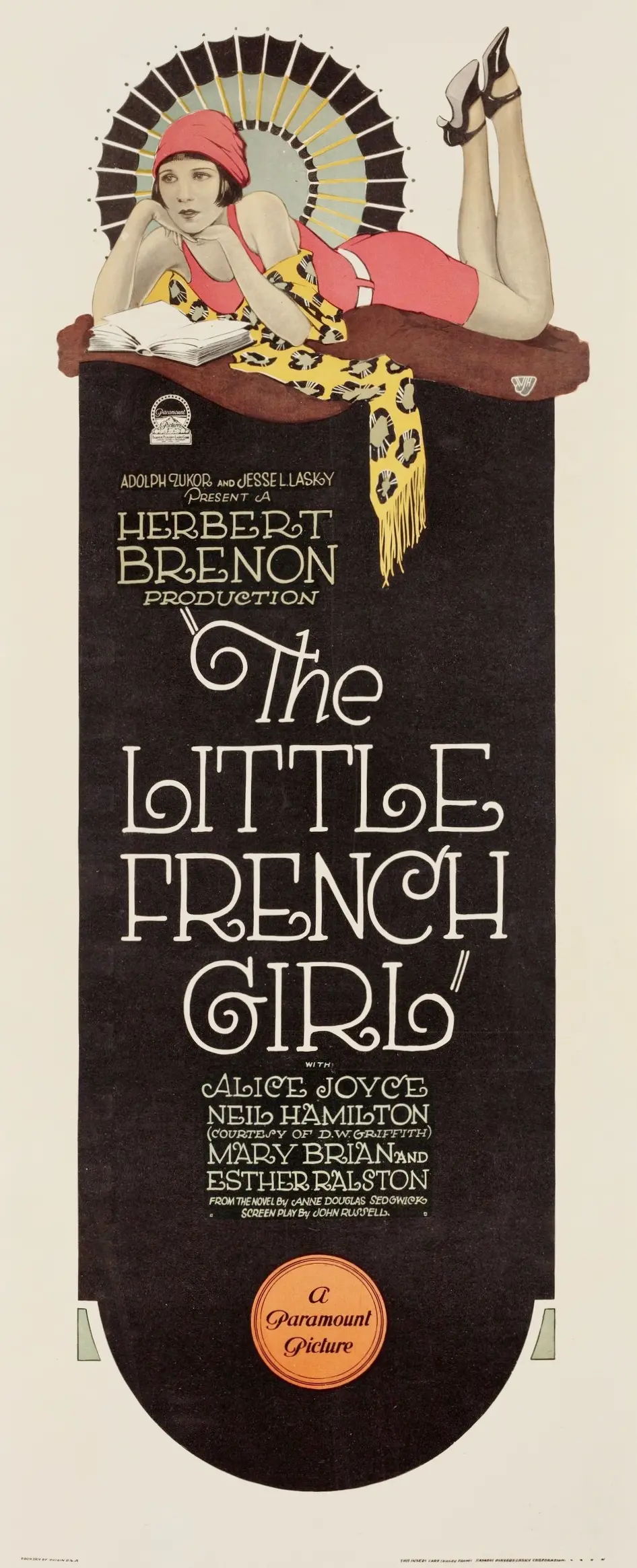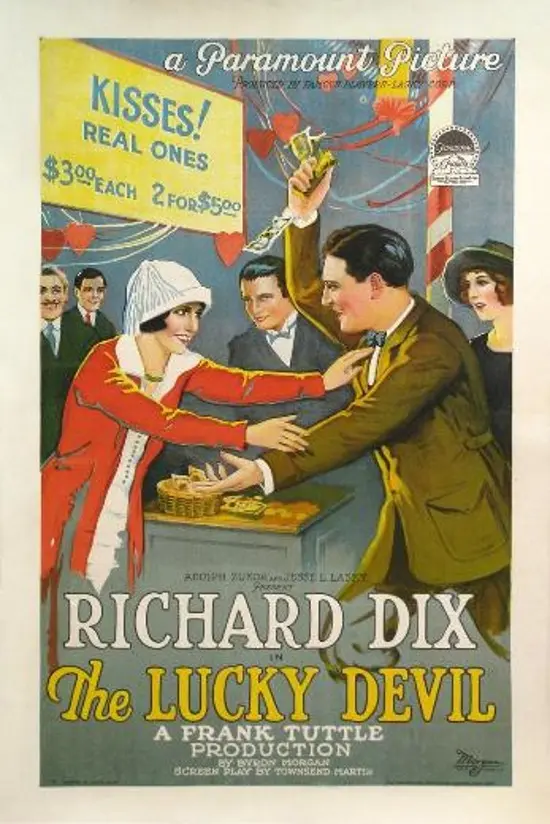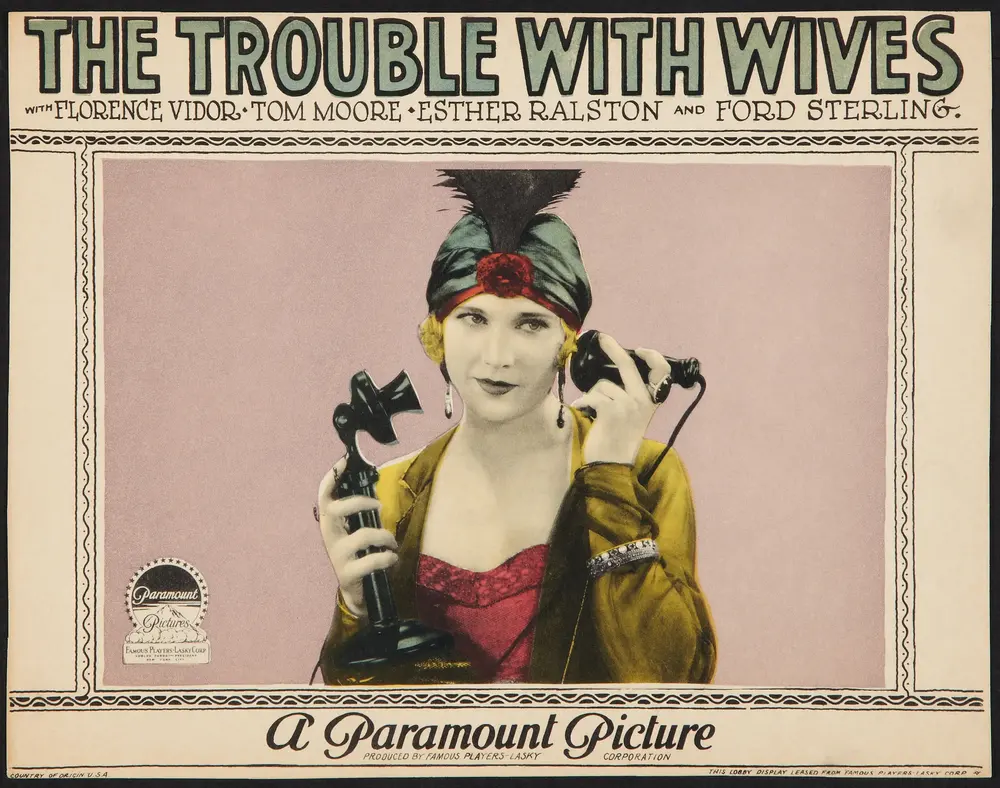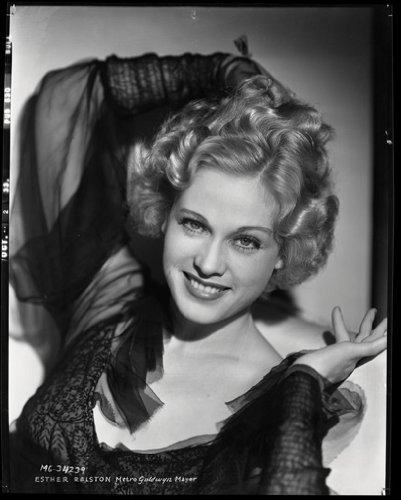
Esther Ralston
actress, soundtrack
- Birth name:
- Esther Louise Worth
- Born:
- 1902-09-17, Bar Harbor, Maine, USA
- Died:
- 1994-01-14, Ventura, California, USA
- Professions:
- actress, soundtrack
Biography
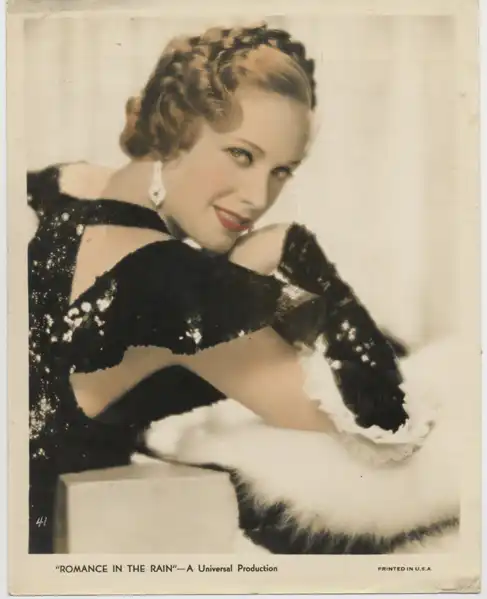
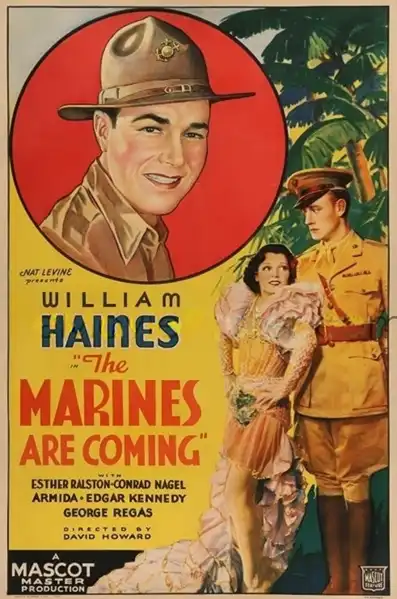
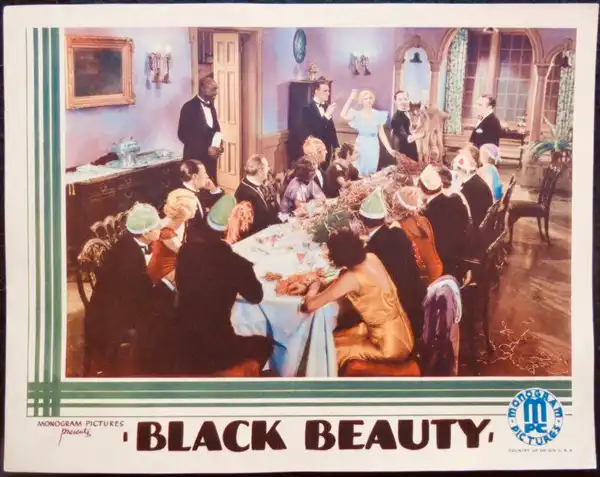
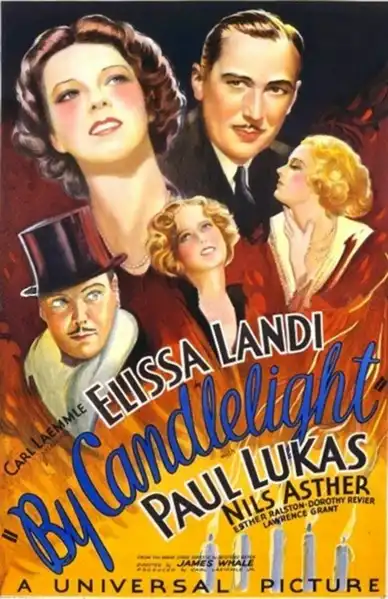
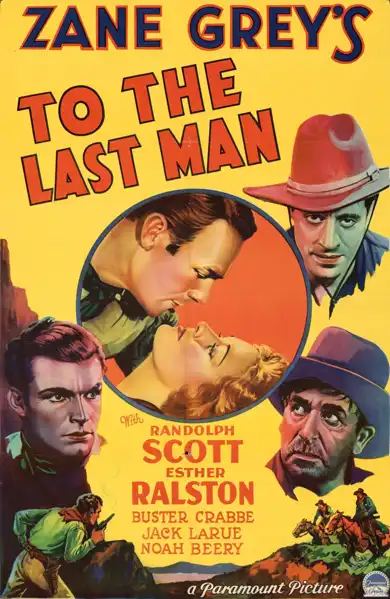
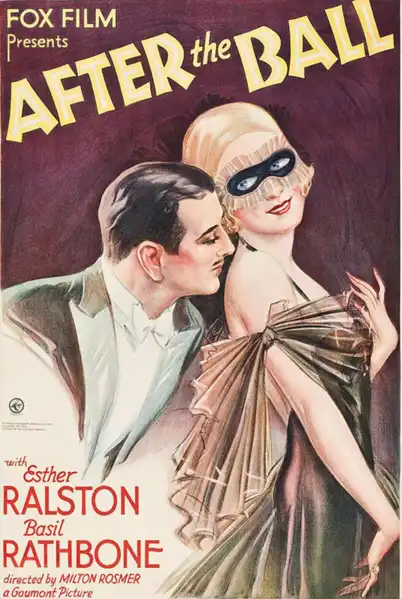
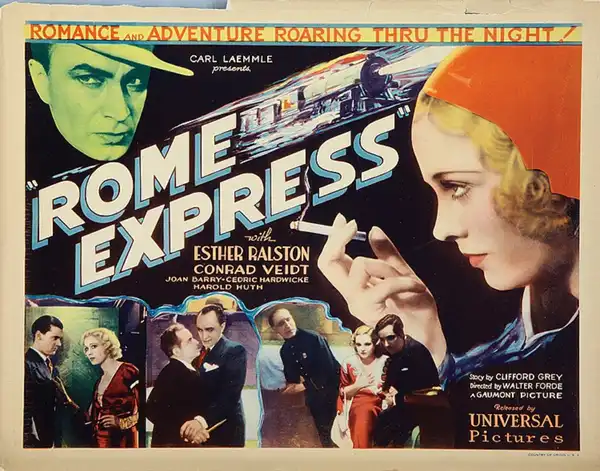
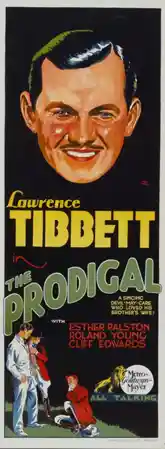
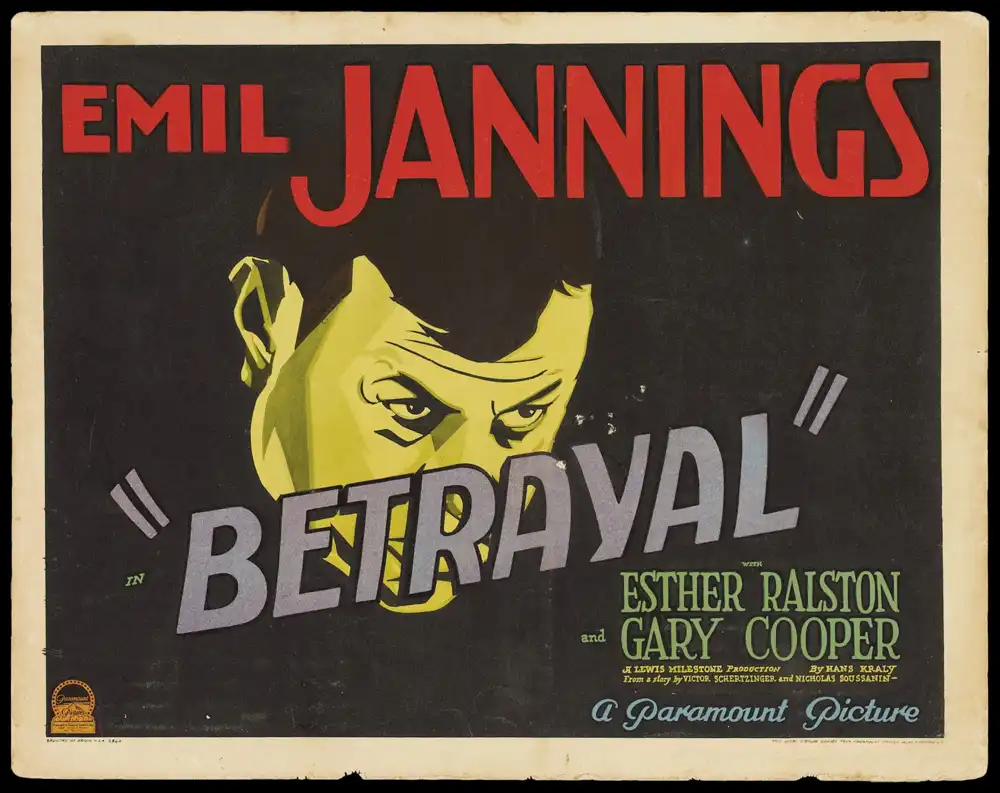
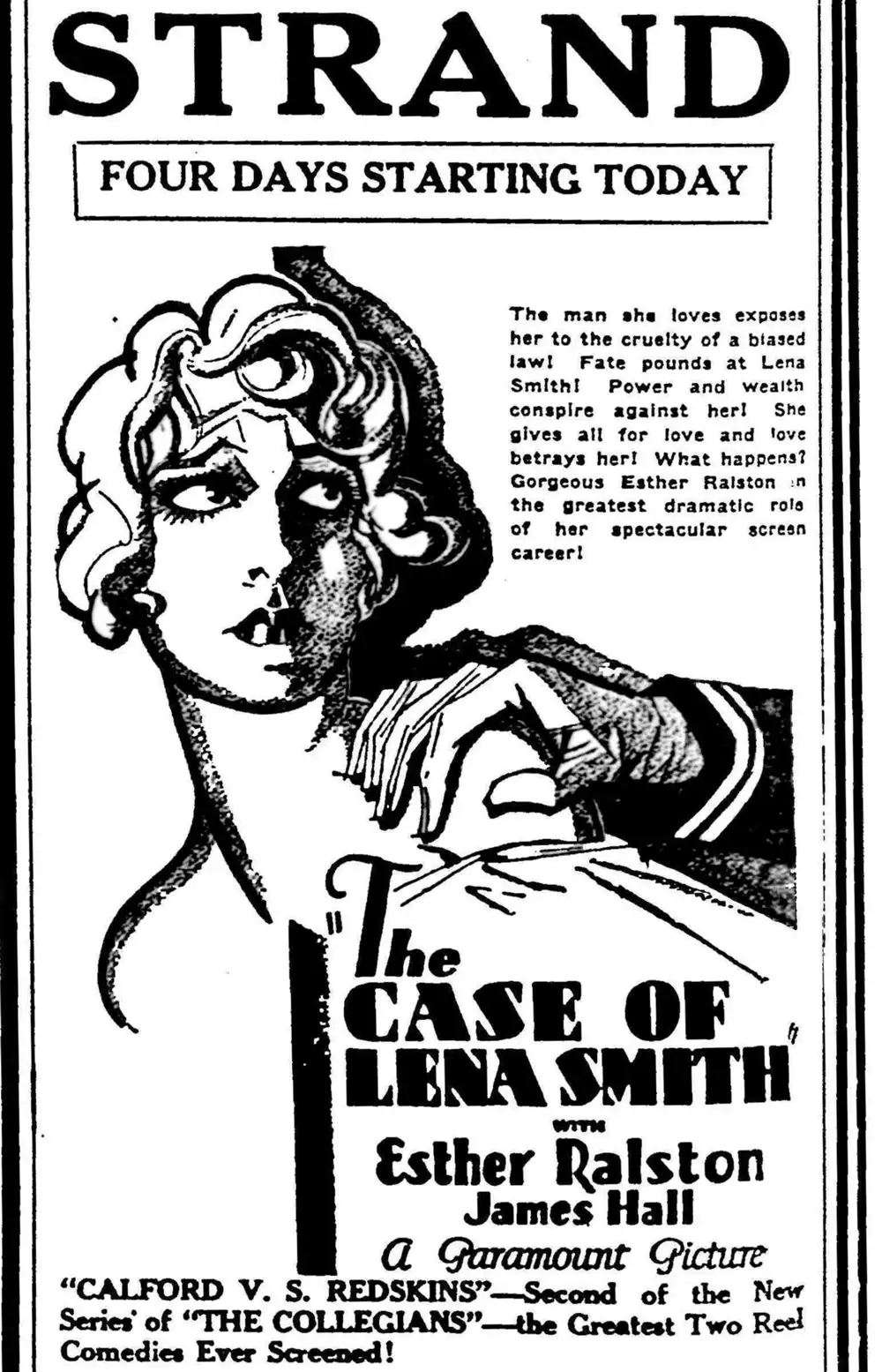
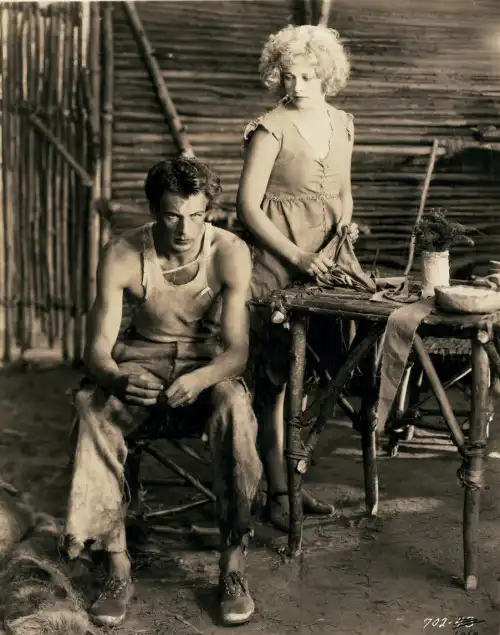
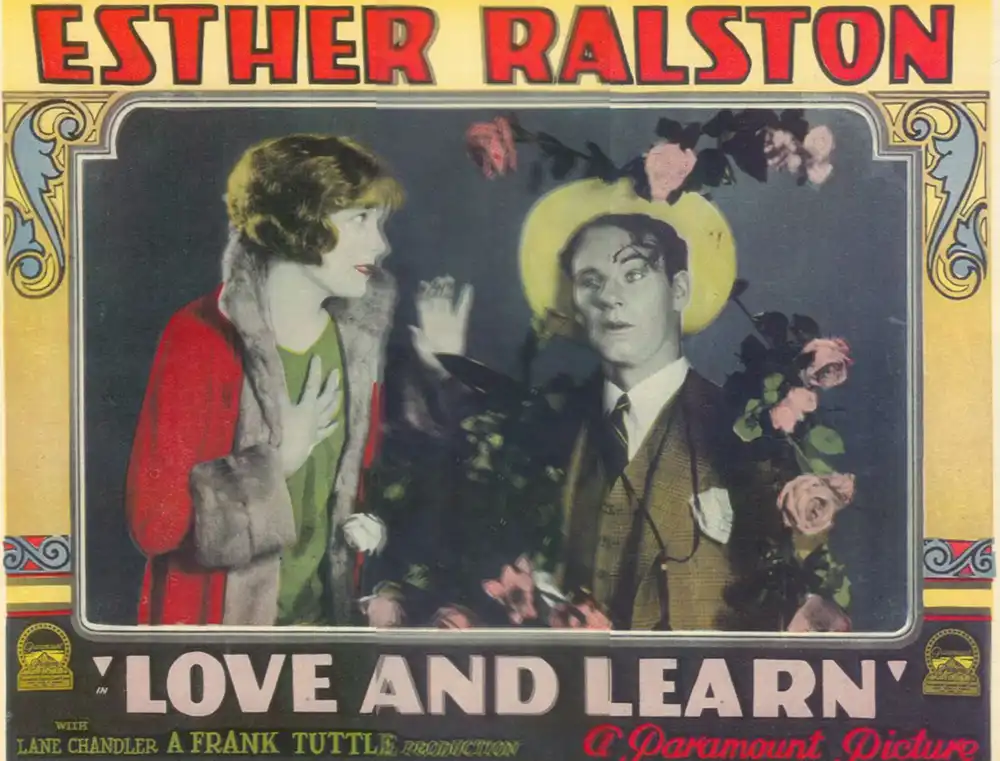
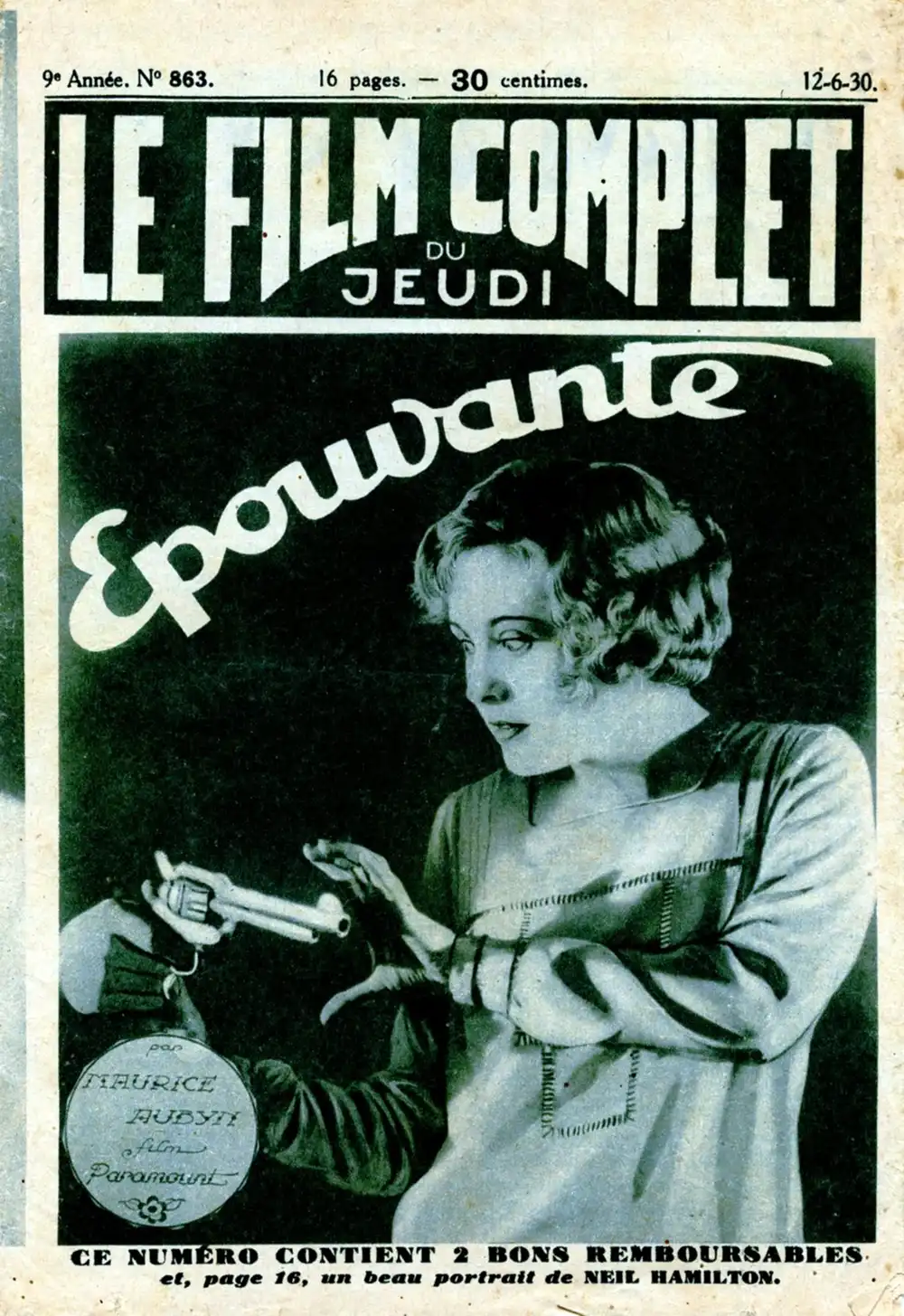
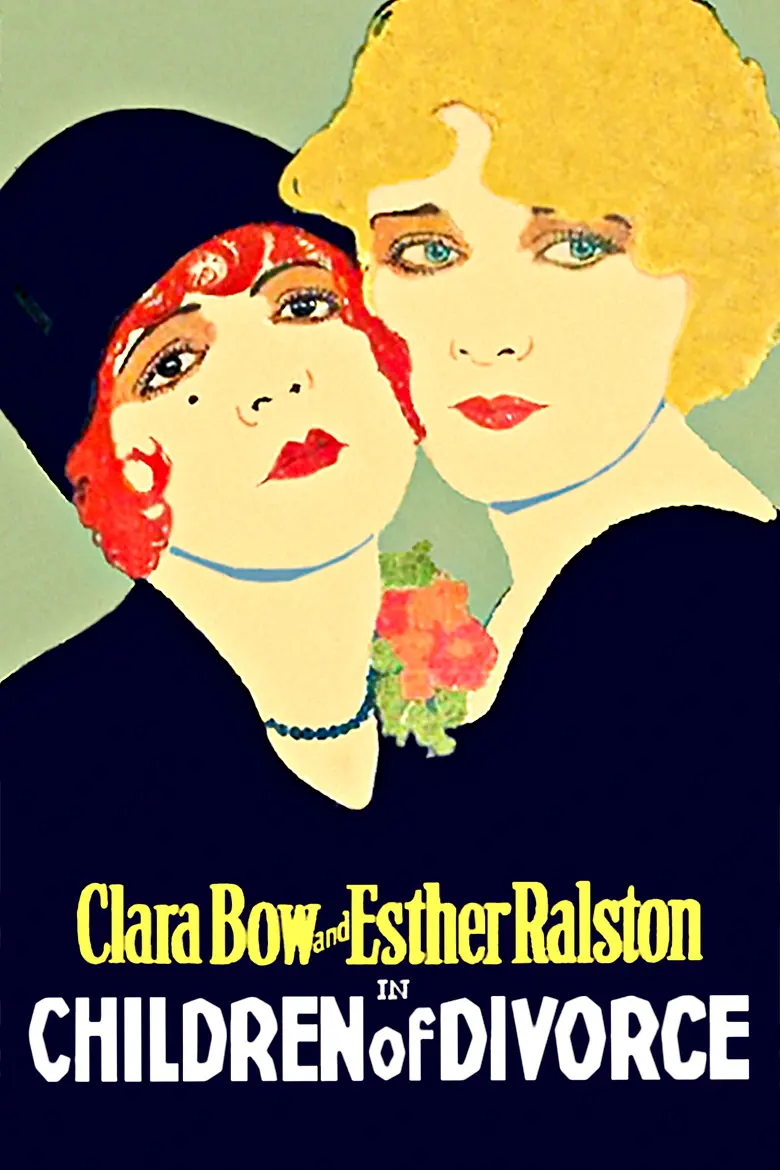
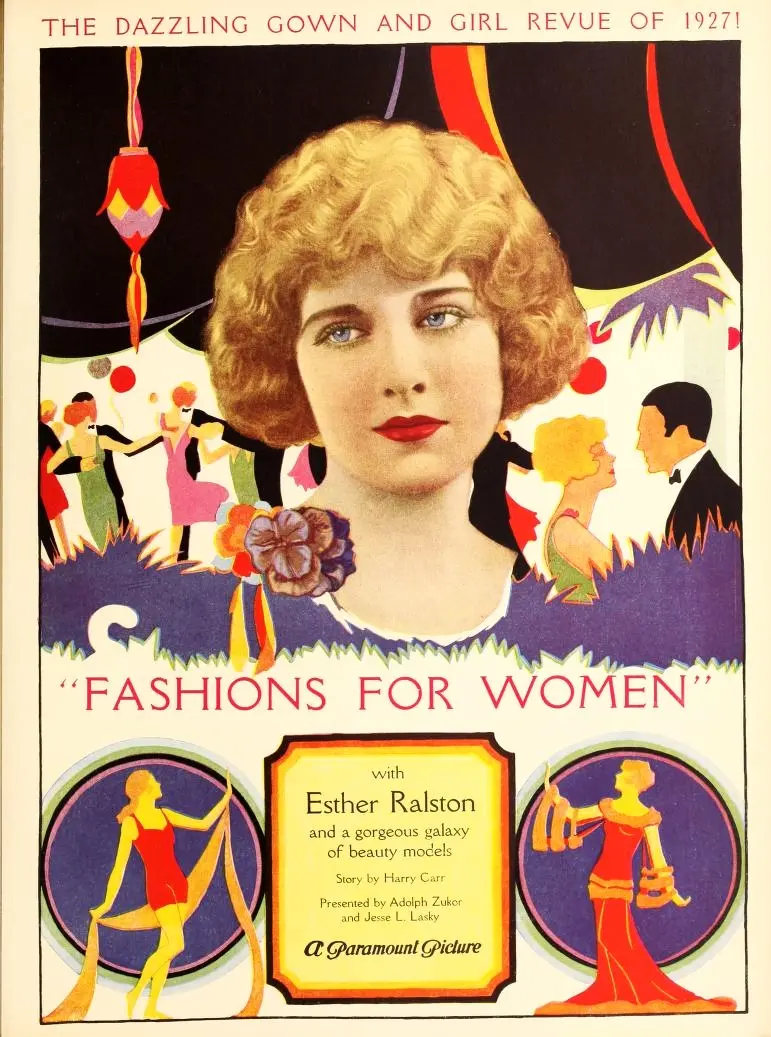
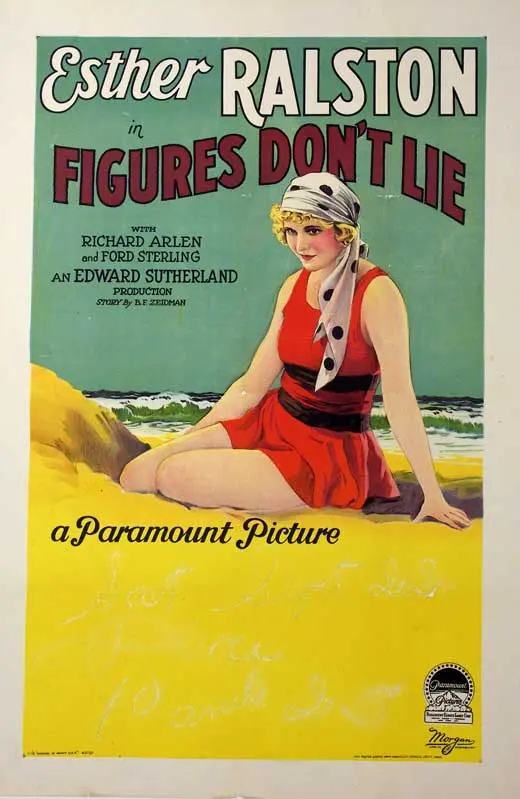
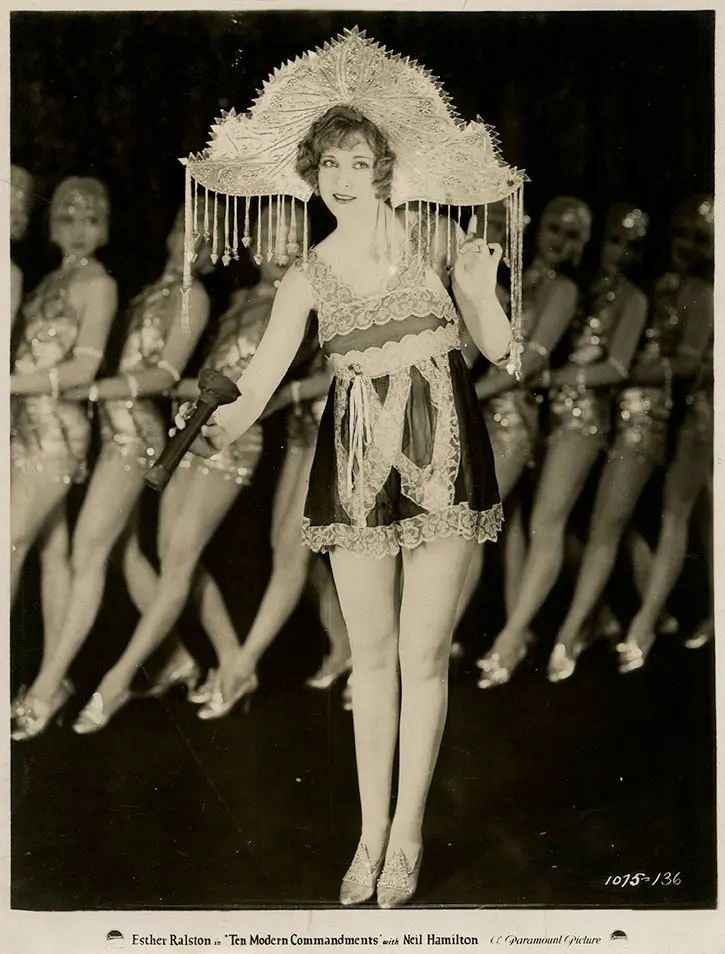
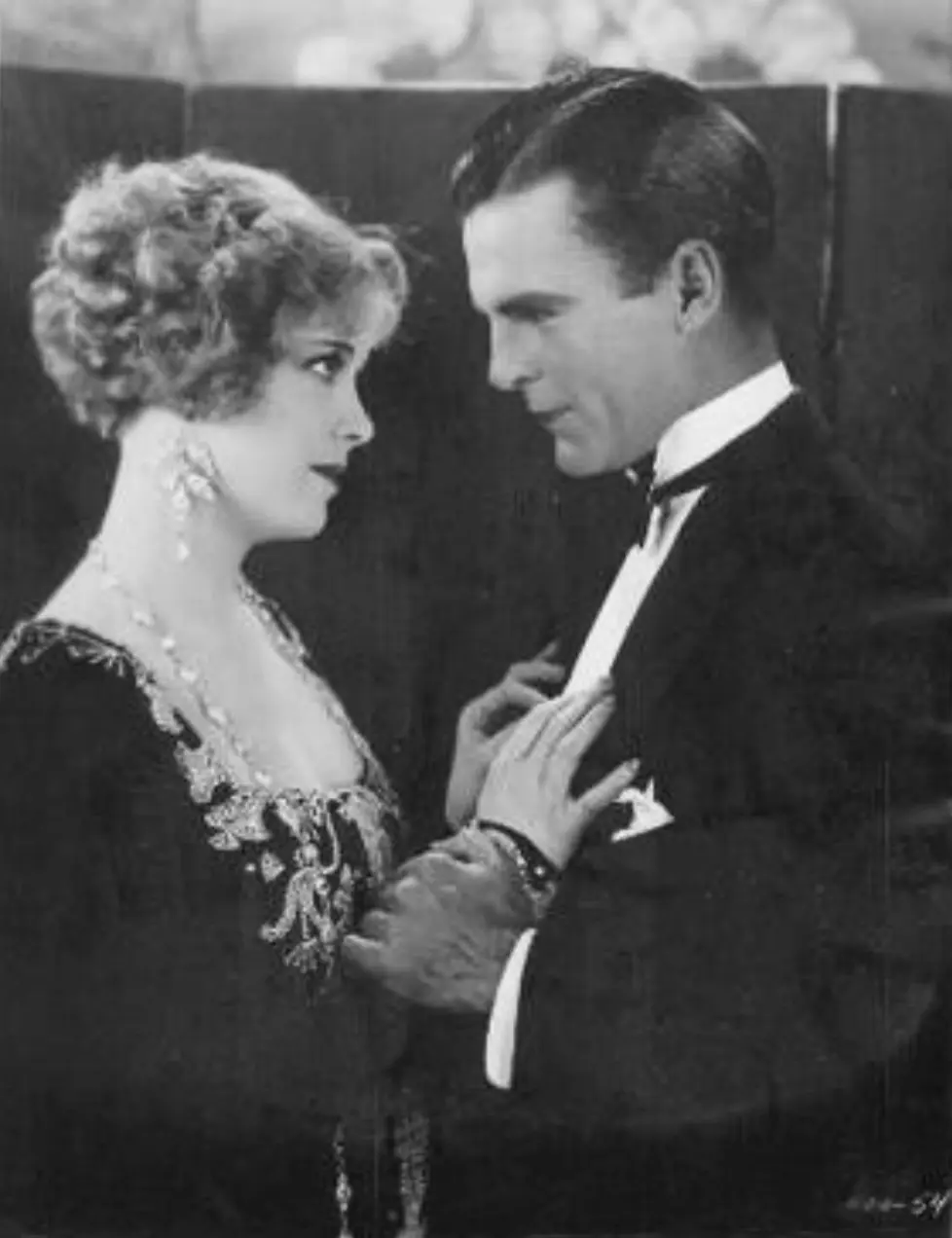
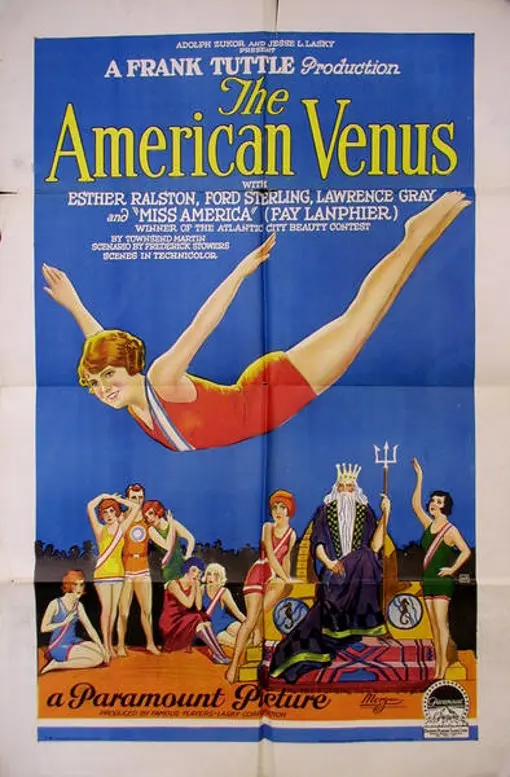
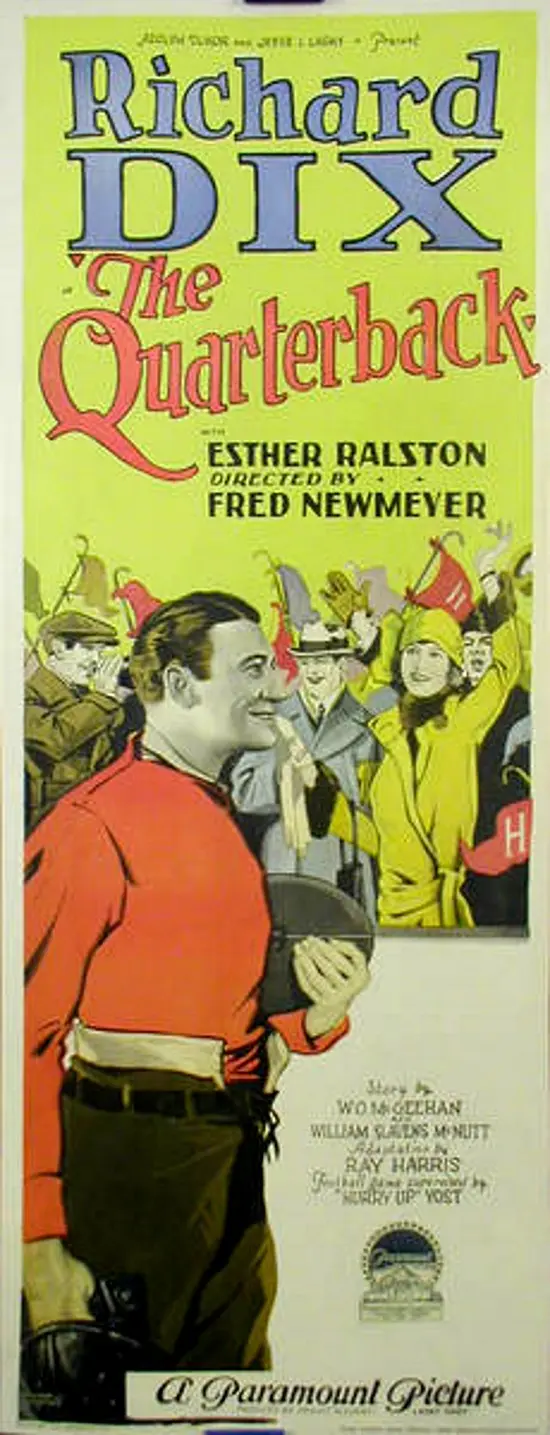
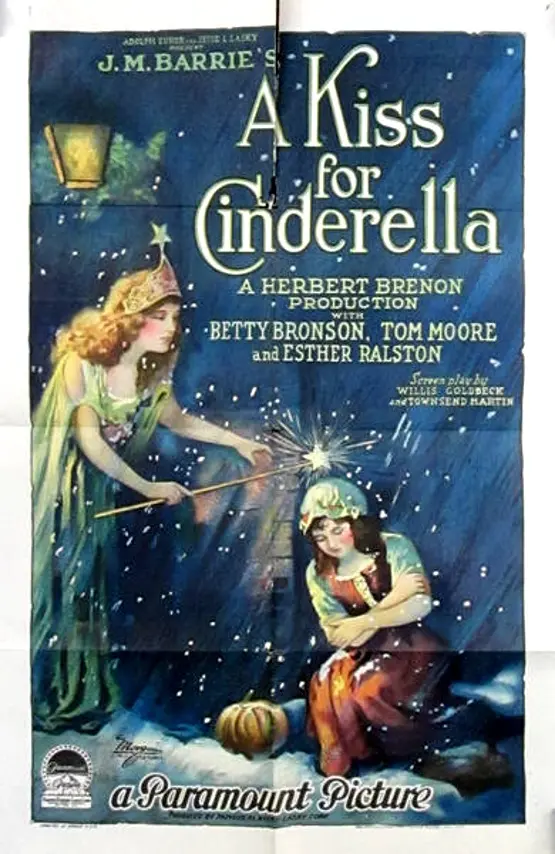
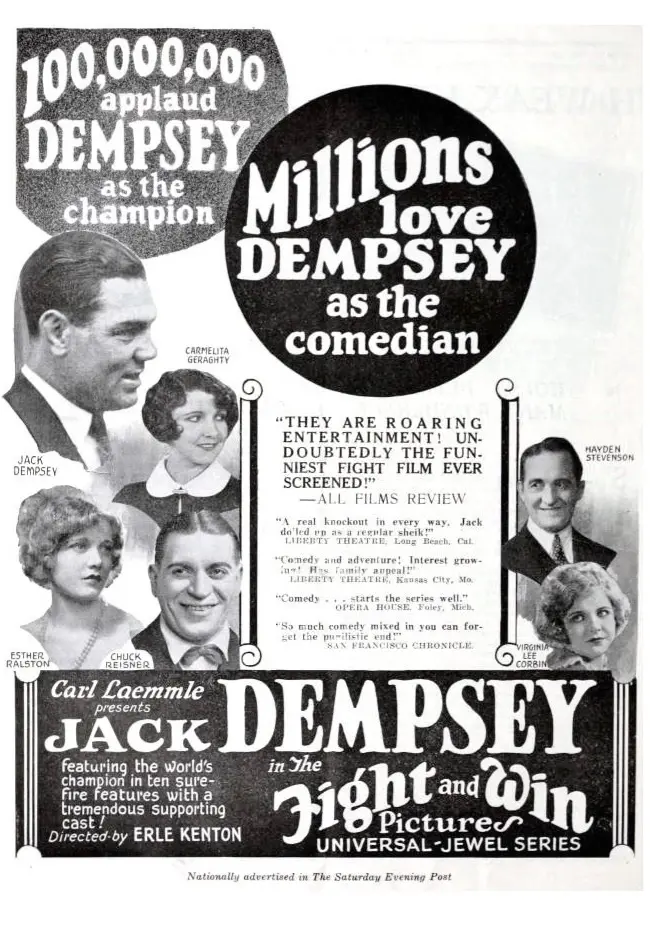
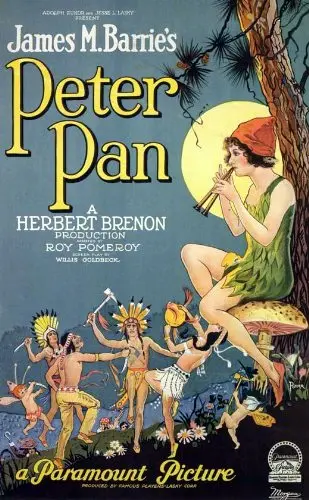
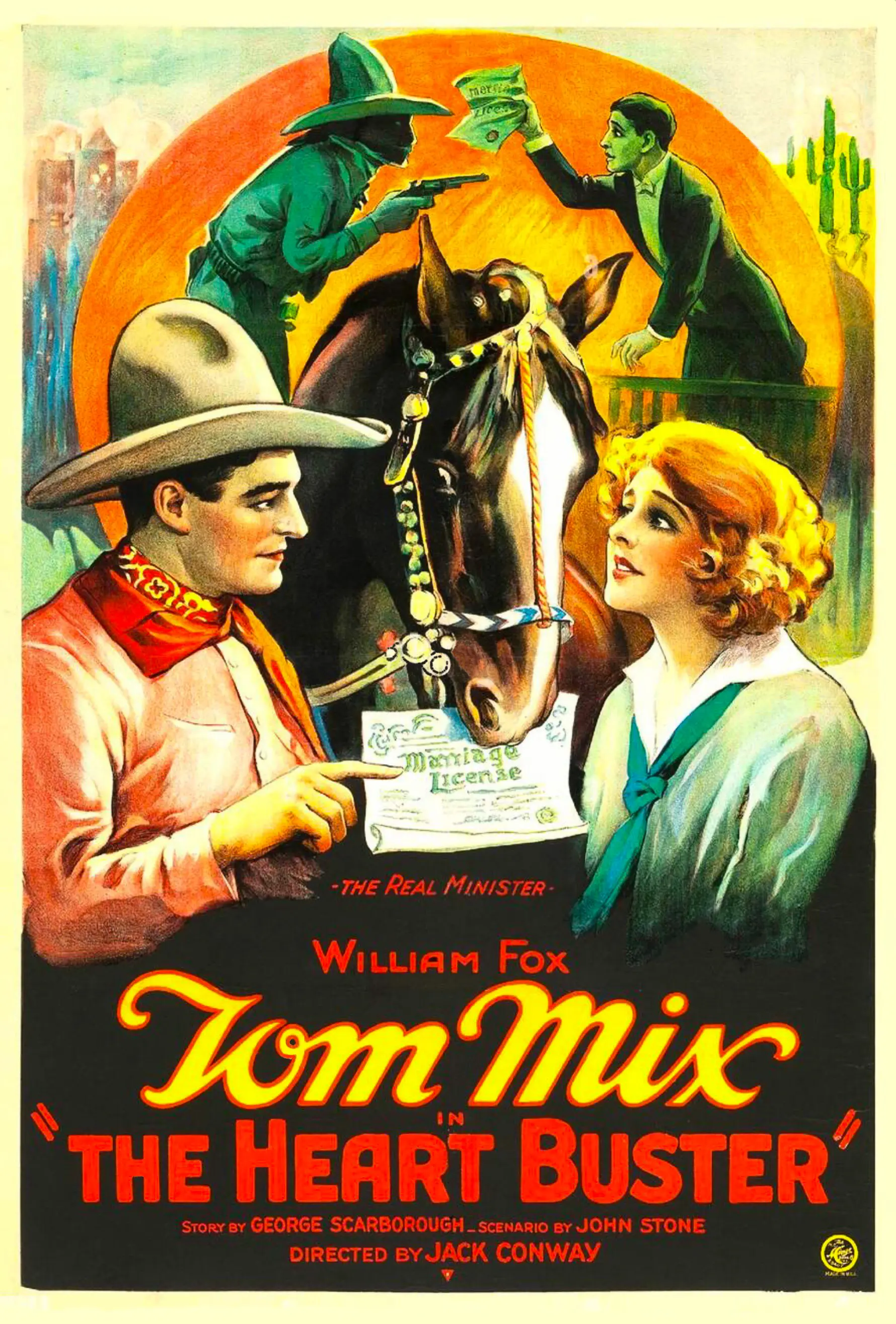
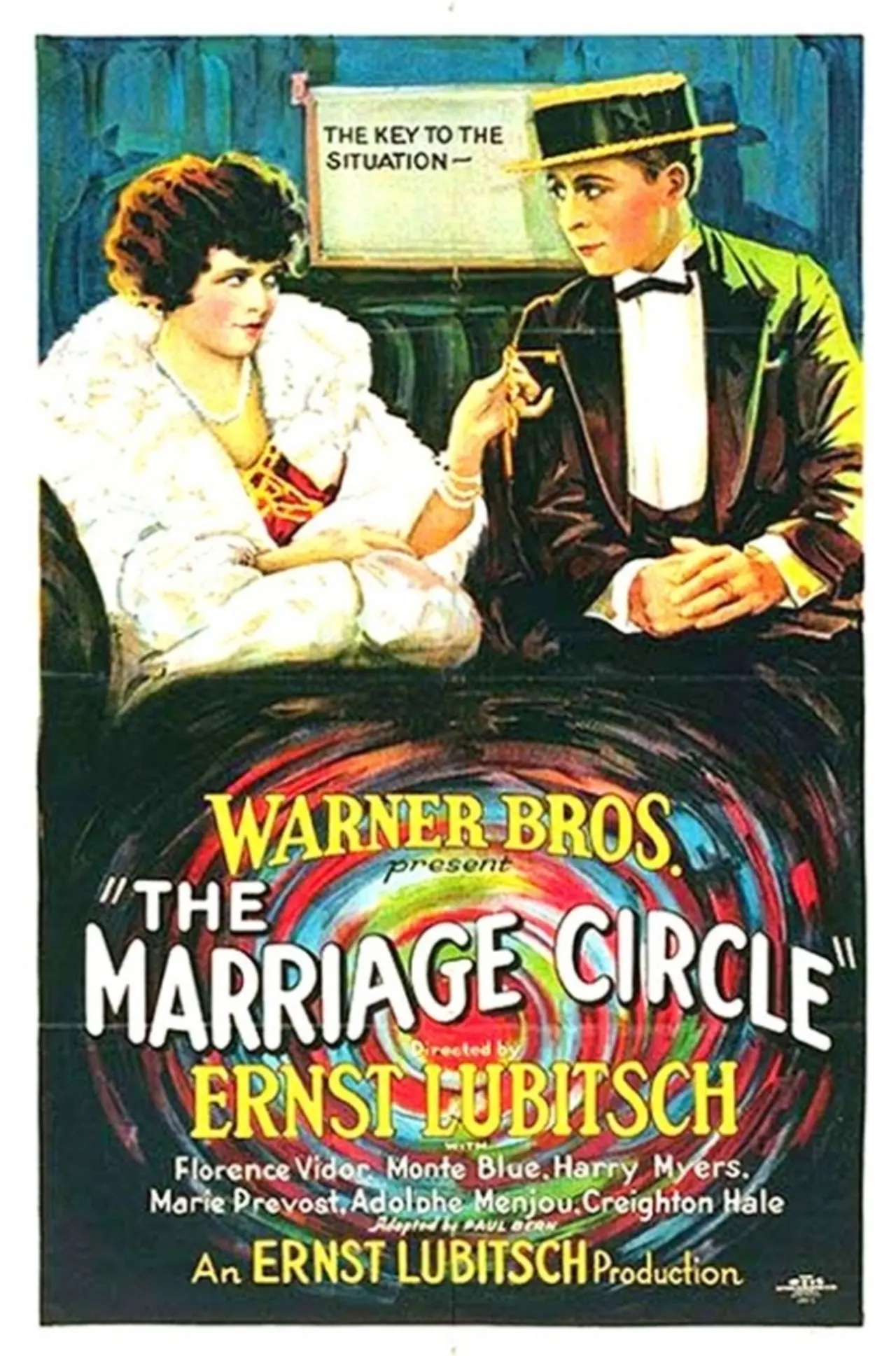
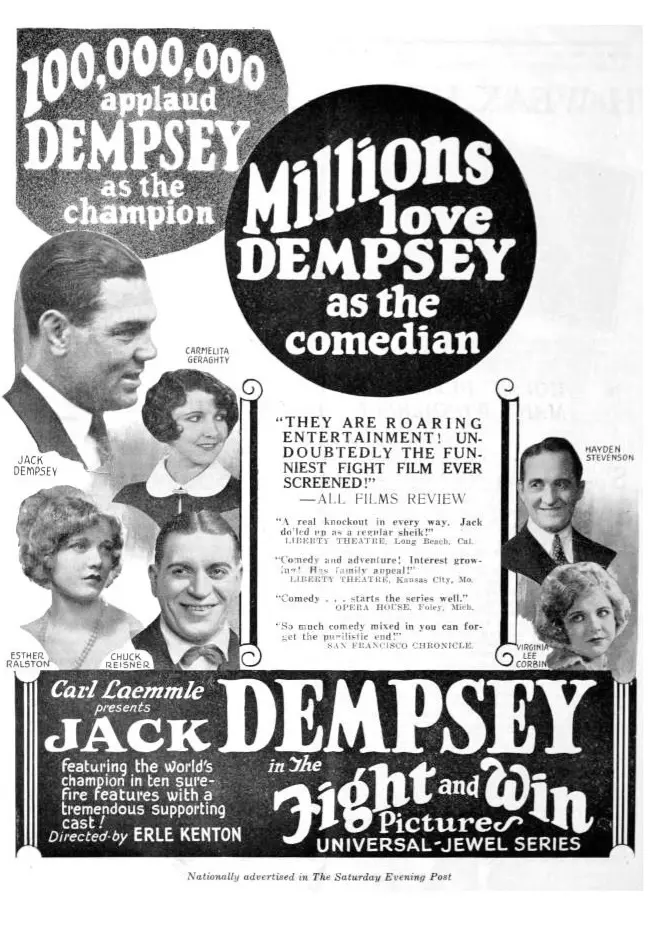
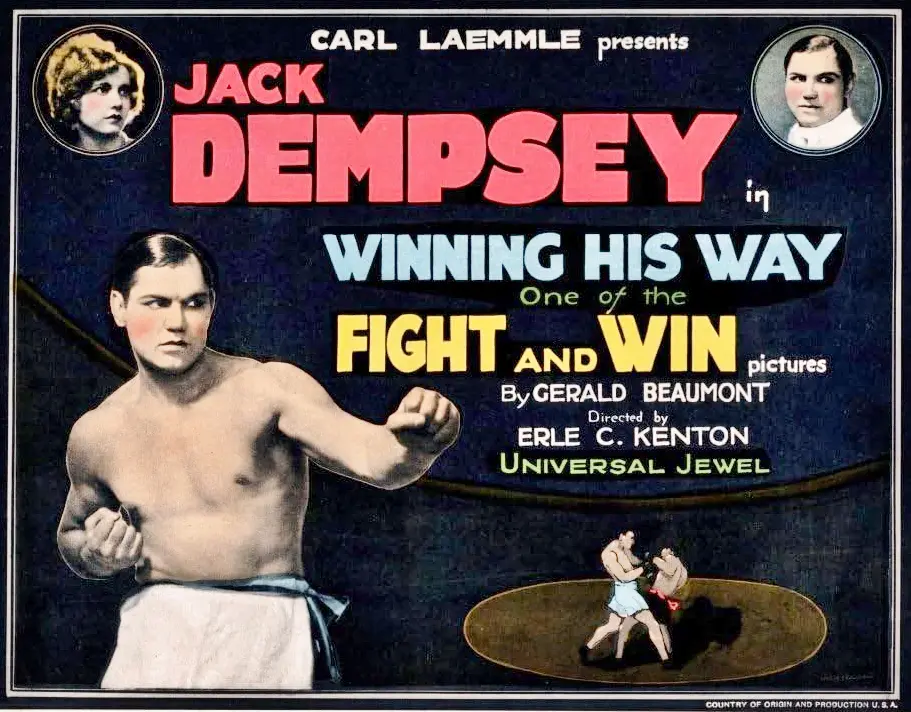
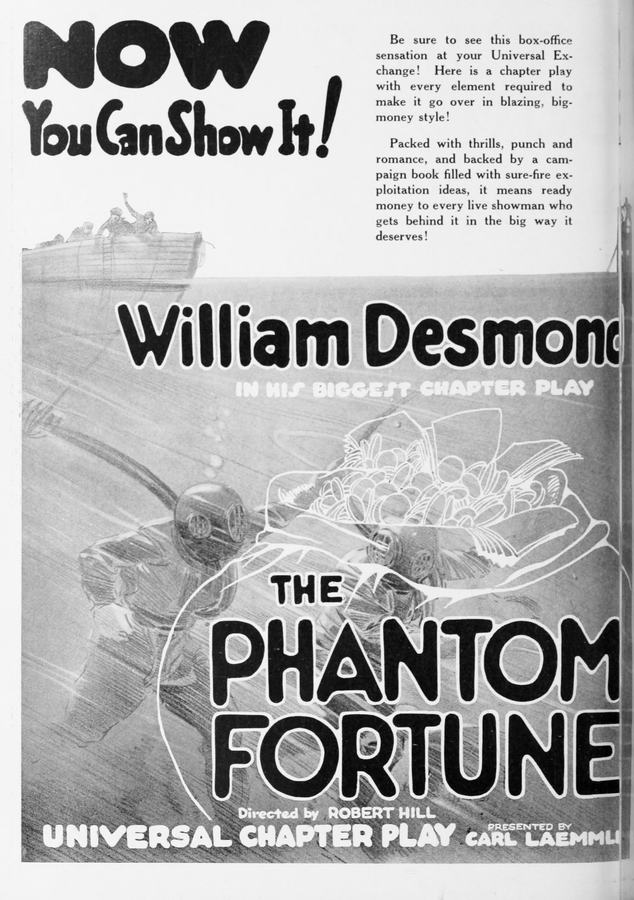
The Atlantic gales that rattled the windows of 1 Eden Street, Bar Harbor, were still howling at nine o’clock on 17 September 1902 when Florence Esther Worth announced her arrival. Her father, circus-acrobat-turned-thespian, lifted the newborn toward the kerosene lamp and proclaimed her “Maid of Bar Harbor,” a title more theatrical than municipal. She had, quite literally, been born in sawdust. The Worth family caravan—parents, four boys, trunks of spangles—toured fairgrounds and vaudeville circuits until toddler Esther was folded into the billing: “The Ralston Family with Baby Esther, America’s Youngest Juliet.” The name Worth vanished; Ralston sold better on a poster. At thirteen she slipped away from the family platform and into the flicker of World Studios, New Jersey, for an unbilled blink in The Deep Purple (1915). A year later she dangled from precipices in the serial Phantom Fortunes (1916), then rejoined the clan for a cross-country theatrical trek that ended under the California sun. By 1918 the Ralston boys and their kid sister were regular extras at Universal City, ducking horses and knocking on casting-office doors. Silent drama soon discovered the blonde with the level gaze. She became Mrs. Darling to Betty Bronson’s Peter Pan (1924), stitched moonlight into Cinderella’s gown (1925), and rafted down the Mississippi as Mary Jane in Huckleberry Finn (1920). Florenz Ziegfeld crowned her “The American Venus” after audiences saw her glide through the 1926 pageant of the same name, and Paramount’s accountants watched her salary climb toward the stratosphere. Close to a hundred films in three decades: she traded quips with Hoot Gibson, matched stoic stares with Tom Mix, and survived the transition to sound in The Sawdust Paradise (1928). Josef von Sternberg captured her in the now-lost The Case of Lena Smith (1929); she traded betrayals with Emil Jannings and Gary Cooper in Betrayal (1929); and she sang opposite Metropolitan baritone Lawrence Tibbett in The Prodigal (1931). London called—she danced with Basil Rathbone in After the Ball (1932) and sparred with Conrad Veidt on the Rome Express (1932). When she asked Paramount for a six-figure handshake, the studio waved goodbye. Freelance work followed: a brisk turn in Tin Pan Alley (1940), dockside drama in San Francisco Docks (1940), then the quiet closing of a dressing-room door at thirty-eight. Wall Street had already swallowed her fortune in 1929. In the lean decades that followed she sold dresses, scouted new faces for agents, and lent her voice to radio spots and television jingles. Three marriages, three children, three separate walks to the witness stand to undo “I do.” Yet the sidewalk outside 6290 Hollywood Boulevard remembers her forever in terrazzo and brass: Esther Ralston, motion-picture star, still shimmering under the feet of tourists who never knew the Maid of Bar Harbor.
Filmography
In the vault (74)