Summary
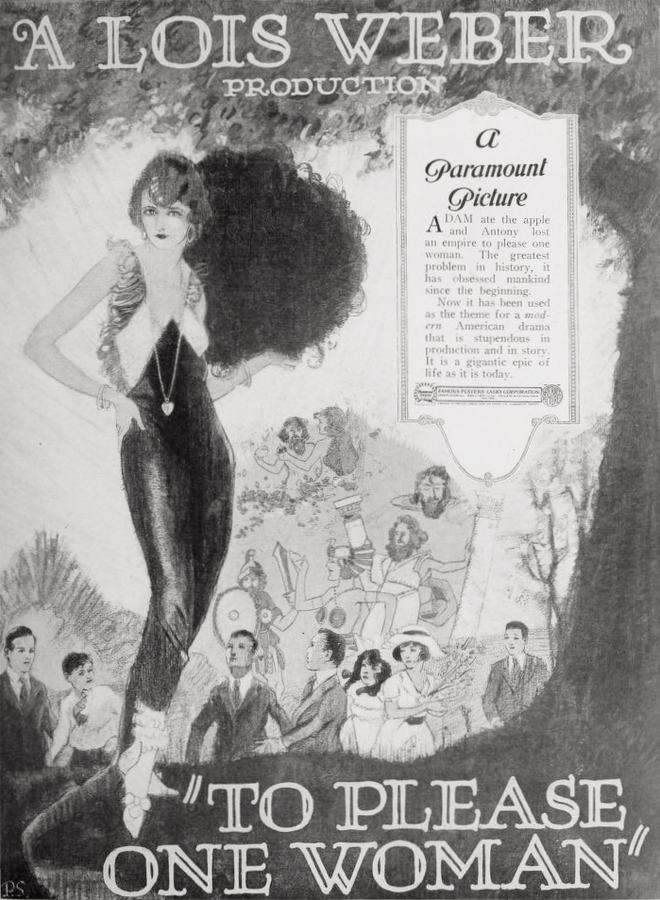
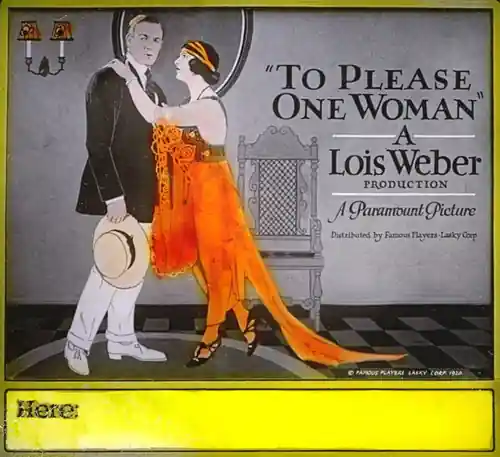
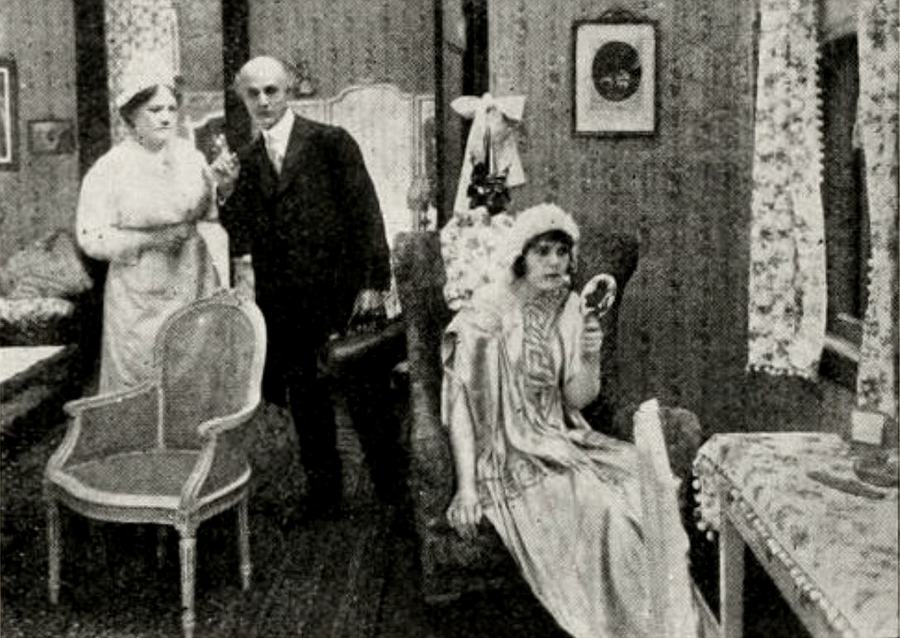
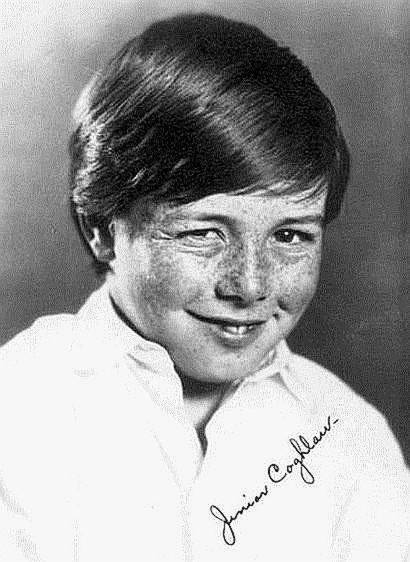
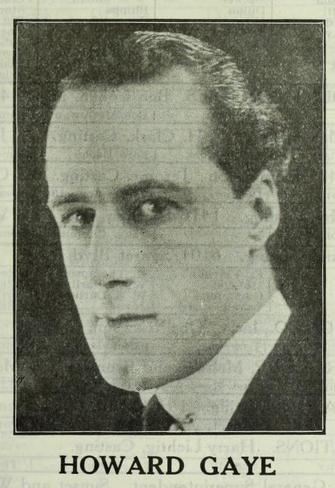
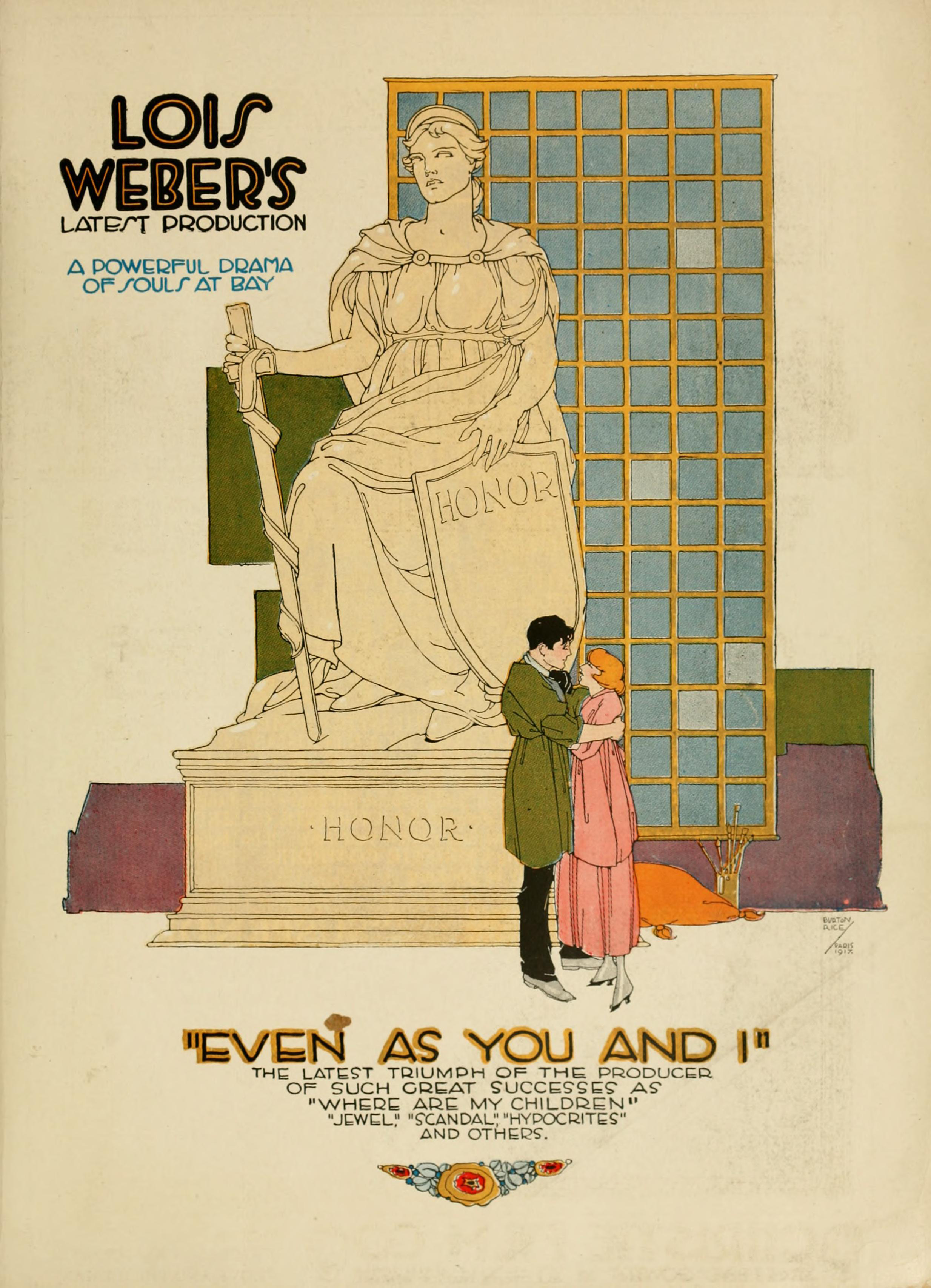
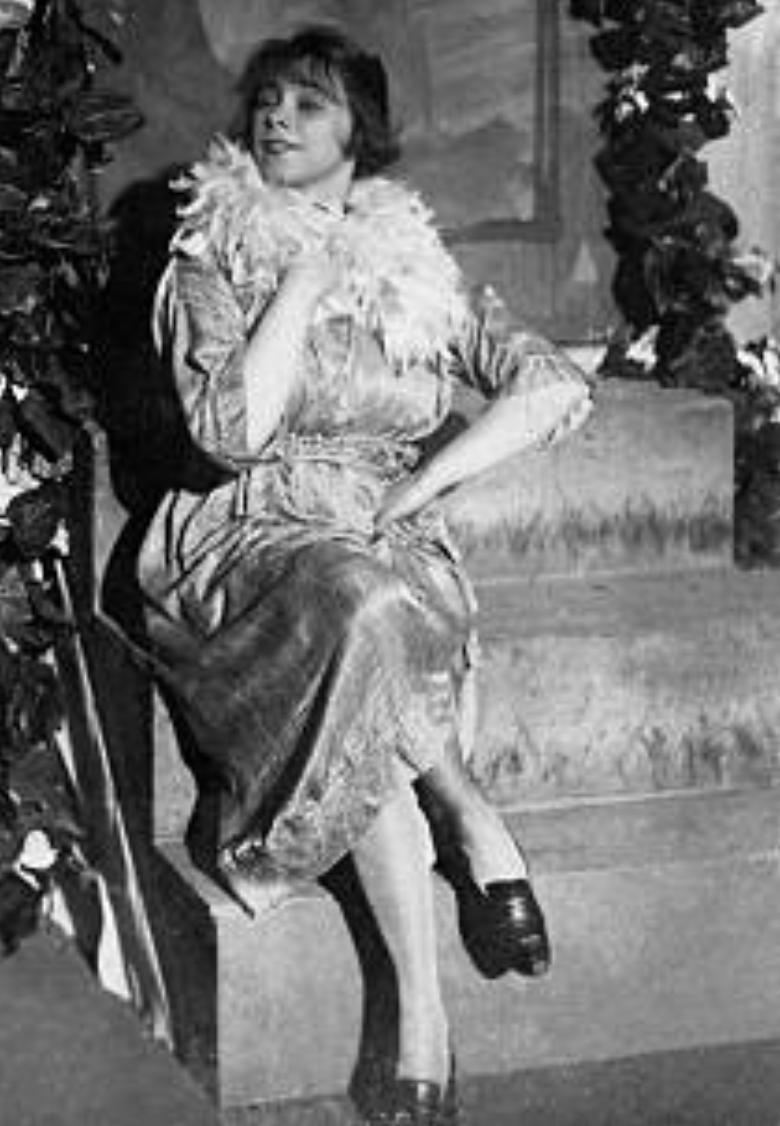
Midnight celluloid liquefies into a moral fever dream when a nameless siren—part Parisian courtesan, part predatory wraith—glides through a nameless American metropolis, her cigarette ember the sole lighthouse in a fog of male libido. Frank Coghlan Jr.’s callow bank clerk, all Adam’s-apple and starched collar, mistakes her rouged smile for a matrimonial coupon; Edith Kessler’s repressed fiancée, stitched into whalebone and guilt, mistakes the same smile for emancipation. Between them Lee Shumway’s married attorney, George Hackathorne’s tubercular artist, and Claire Windsor’s cocaine-numbed mannequin orbit like moths, each scorching wingtip on the flame of her gaze. Gordon Griffith’s street urchin, eyes wide as projector portals, sells roses outside the speakeasy where the vampire dispenses absinthe and absolution in equal measure, while Howard Gaye’s Calvinist minister spies from across the alley, clutching a Bible swollen with mildewed threats. Esther Ralston and Edmund Burns play twin mirror-images—one a virgin, one a vaudevillian—both reduced to silhouette once the vampire kisses their mirrors into cracking. Mona Lisa, billed only as The Woman, never speaks above a whisper, yet every syllable detonates like nitrate against the conscience of whoever leans in. The film’s final reel combusts literally: nitrate stock blossoms into white-hot petals as the vampire walks into the fire, silk gown blazing into moth-wing ash, men and women left clutching scorched contracts of their own desires. Lois Weber’s intertitles, once pious, curl into sarcastic haiku; Marion Orth’s scenario detonates the Victorian angel/whore binary with dynamite wrapped in lace. What survives is a ghost story about appetite: the vampire was never undead—she was the id let loose by Prohibition, by post-war ennui, by the simple human refusal to name what we actually crave.
A seductive "vampire" leads otherwise decent men, and women as well, astray.
Review Excerpt
"
The first time I saw To Please One Woman—in a dripping Bologna archive, 35mm nitrate held together by archivist prayers and vinegar—I understood why entire city councils tried to jail Lois Weber. The print hissed like a skillet of serpents; the images arrived haloed in phosphor, as though the screen itself were blushing. Two reels in, a projectionist fainted. By the time Mona Lisa’s vamp sauntered into her final conflagration, half the audience had crossed legs or clutched crucifixes. No fangs..."