
DbcultAccessing Vault...
Director's Spotlight
Senior Film Conservator
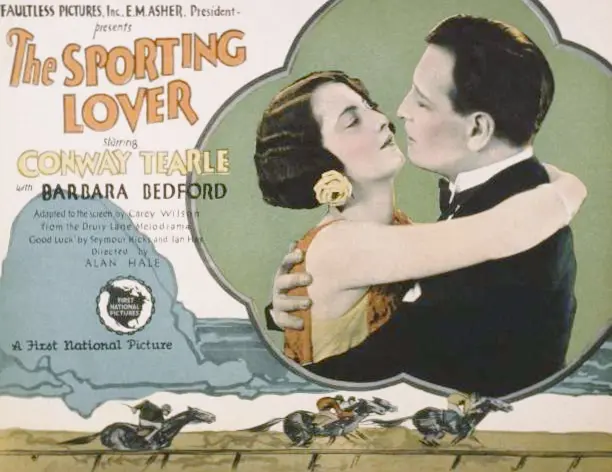
Director's Spotlight: United States
A Deep Dive into the 1926 Vision of Alan Hale
In the grand tapestry of Drama cinema, The Sporting Lover serves as a bridge between the bold experimentation that has become synonymous with Alan Hale. Breaking the traditional rules of Drama engagement, it highlights the importance of independent voices in United States.
In The Sporting Lover, Alan Hale pushes the boundaries of conventional narrative. The film's unique approach to its subject matter has sparked endless debates and interpretations among cinephiles and critics alike.
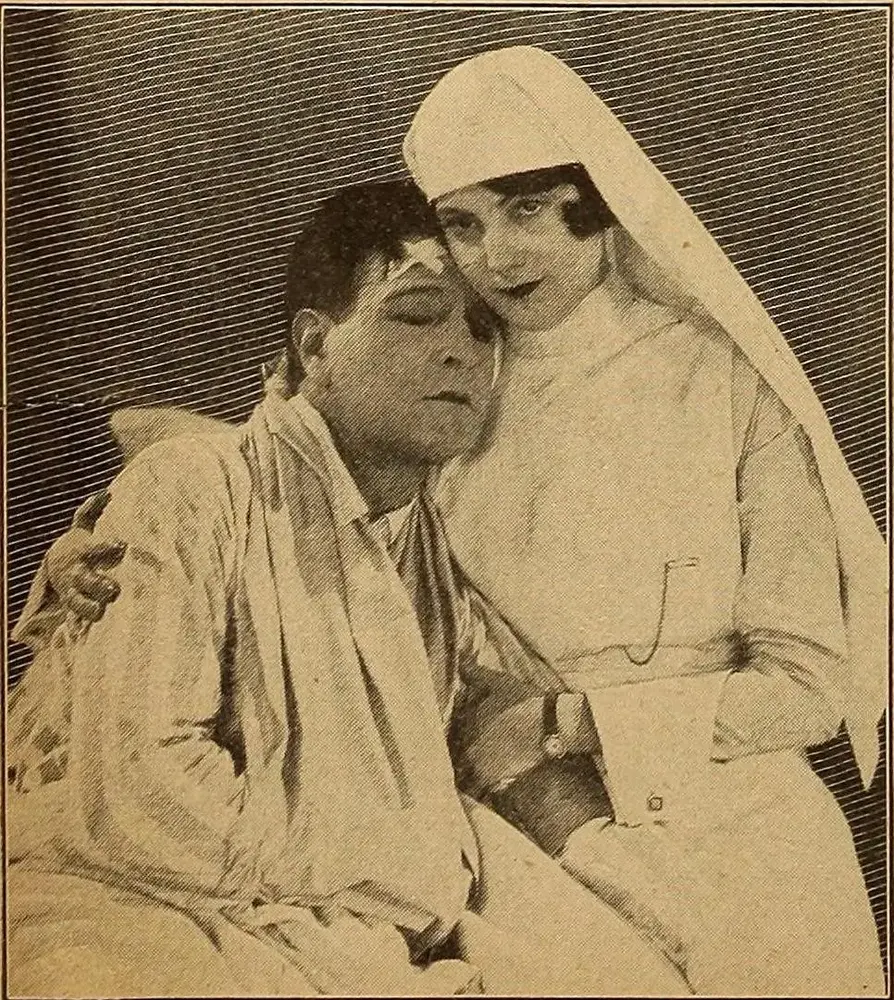
To fully appreciate The Sporting Lover, one must consider the cinematic climate of 1926. During this period, United States was undergoing significant artistic shifts, and Alan Hale was at the forefront of this Drama movement, often challenging established norms.
| Cinematography | High-Contrast |
| Soundtrack | Minimalist |
| Editing | Slow-Burn |
| Art Direction | Brutalist |
Visualizing the convergence of Alan Hale's style and the core Drama narrative.
Captain Terrance Connaughton loses his stable of horses in a card game with Algernon Cravens. The next day he is wounded and taken to a military hospital where he meets and falls in love with Lady Gwendolyn. An attack on the hospital separates them and, at the end of the war, Terrance returns home penniless. Cravens, the cad, has made Lady Gwen promise to marry him and has entered the horses he won from Terrance in the National Derby. Terrance goes to London to attend the Derby and sees Lady Gwen again. She is less than thrilled with the prospect of marrying Cravens and makes him a sporting proposition; if "Bad Luck" wins the race she will marry him immediately but if "Good Luck" wins, their marriage will never take place, and she and Terrance will be free to resume their romance. "Bad Luck" wins and Cravens comes to claim his bride, but two of the stable-boys discover that Cravens had the distinguishing marks on "Good Luck" painted over, and it was really "Good Luck", of the two nearly-identical horses, that won the race. The jig is up for Cravens.
Decades after its release, The Sporting Lover remains a vital piece of the cinematic puzzle. Its influence can be seen in countless modern works, solidifying Alan Hale's status as a master of the craft in United States and beyond.