
DbcultAccessing Vault...
Director's Spotlight
Senior Film Conservator
Director's Spotlight: United States
A Deep Dive into the 1918 Vision of Albert Parker
Deciphering the layers of The Other Woman (1918) reveals a monumental shift in cult filmmaking spearheaded by Albert Parker. With its avant-garde structure and atmospheric tension, offering layers of thematic complexity that demand repeated viewing.
In The Other Woman, Albert Parker pushes the boundaries of conventional narrative. The film's unique approach to its subject matter has sparked endless debates and interpretations among cinephiles and critics alike.
To fully appreciate The Other Woman, one must consider the cinematic climate of 1918. During this period, United States was undergoing significant artistic shifts, and Albert Parker was at the forefront of this cult movement, often challenging established norms.
| Cinematography | Static |
| Soundtrack | Orchestral |
| Editing | Slow-Burn |
| Art Direction | Brutalist |
Visualizing the convergence of Albert Parker's style and the core cult narrative.
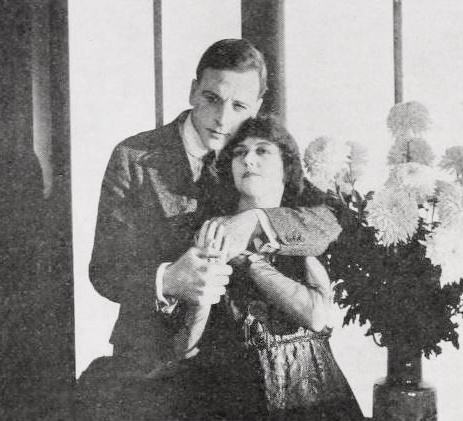
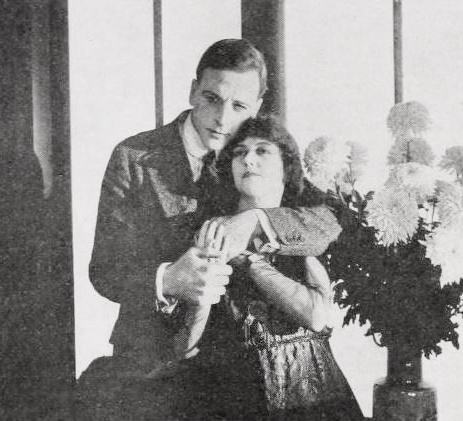
On her way to New York City to complete her art education, Eleanor Gates meets Mr. Harrington, a broker, and the two become friends. When her work meets with great success in Greenwich Village, Eleanor consults with Harrington on investments. Bored with his wife, Harrington begins to fall in love with the fascinating young artist, and she returns his affections. After the death of the Harrington's' baby, Mr. Harrington completely neglects his wife, who soon realizes that he is having an affair. Unaware that Eleanor is the other woman, Mrs. Harrington confides in her, and Eleanor experiences a change of heart. After learning that Eleanor is Harrington's mistress, Mrs. Harrington denounces her, whereupon Eleanor castigates the wife for failing to provide her husband with sympathetic companionship. Mrs. Harrington resolves to become a better wife, while Eleanor returns to the sweetheart she left in the country.
Decades after its release, The Other Woman remains a vital piece of the cinematic puzzle. Its influence can be seen in countless modern works, solidifying Albert Parker's status as a master of the craft in United States and beyond.