
DbcultAccessing Vault...
Director's Spotlight
Senior Film Conservator
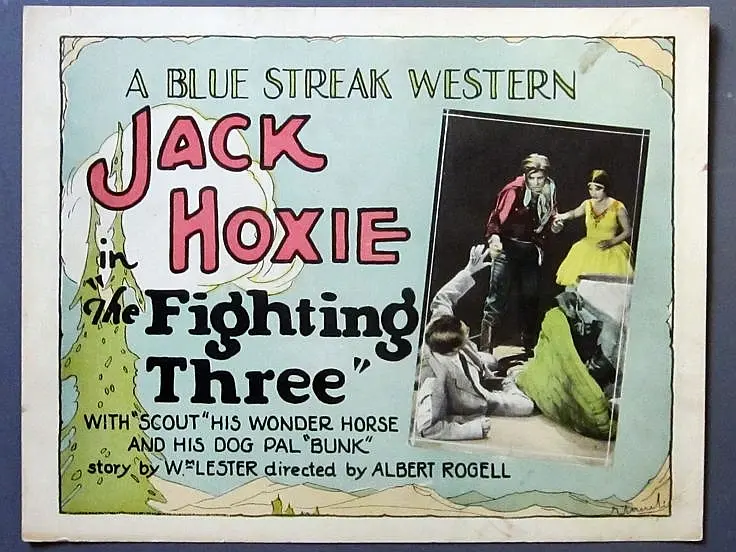
Director's Spotlight: United States
A Deep Dive into the 1927 Vision of Albert S. Rogell
As we revisit the 1927 masterpiece The Fighting Three, we are struck by the atmospheric immersion that Albert S. Rogell achieves throughout The Fighting Three. Exploring the nuances of the human condition with Drama flair, it solidifies Albert S. Rogell's reputation as a master of the craft.
In The Fighting Three, Albert S. Rogell pushes the boundaries of conventional narrative. The film's unique approach to its subject matter has sparked endless debates and interpretations among cinephiles and critics alike.
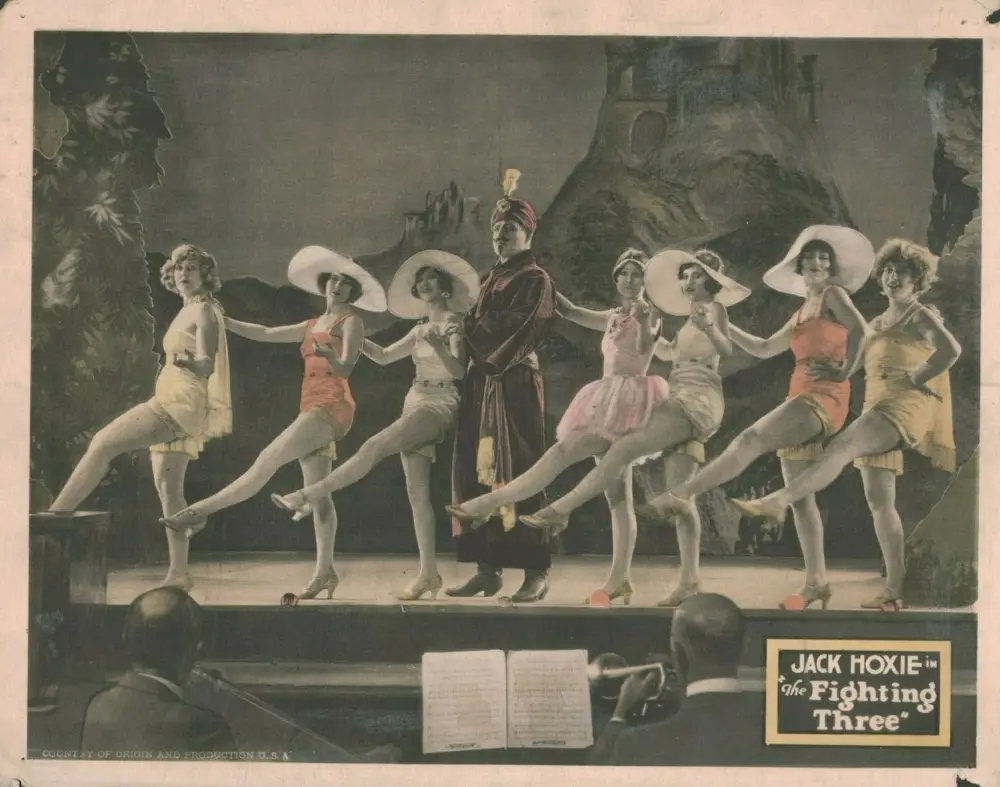
The visual language of The Fighting Three is defined by its use of shadows and framing, a hallmark of Albert S. Rogell's style. By utilizing a 1927-era palette, the film creates an immersive experience that perfectly complements its Drama themes.
| Cinematography | Noir-Inspired |
| Soundtrack | Experimental |
| Editing | Invisible |
| Art Direction | Kitsch |
Visualizing the convergence of Albert S. Rogell's style and the core Drama narrative.
Mademoiselle Jeanne D'Arcy, the soubrette in a Parisian Follies company, marries Jack Conway, a good-natured cowhand, after he tows their stalled truck across the county line. While they are playing the local opera house, John D'Arcy is writing his will, naming Jeanne as beneficiary. D'Arcy's scalawag nephew, Steve Clayton, demands money from him and tries to force a revision of the will. Jack responds to D'Arcy's call for help and is framed by Steve for the old man's murder. Jack escapes and takes refuge in Jeanne's dressing room, where she disguises him as a mystic. Steve later convinces Jeanne that Jack killed her father, and she attempts to shoot her husband. The report of D'Arcy's death proves erroneous, and he recovers with an accusatory finger pointed at Steve.
Decades after its release, The Fighting Three remains a vital piece of the cinematic puzzle. Its influence can be seen in countless modern works, solidifying Albert S. Rogell's status as a master of the craft in United States and beyond.