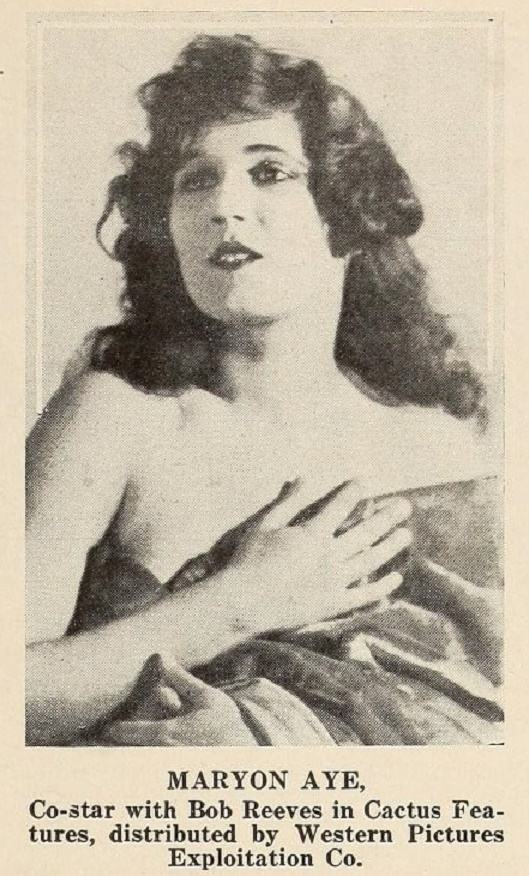
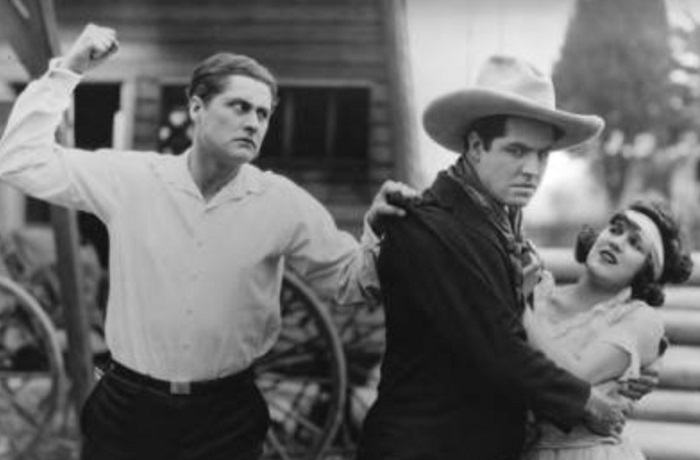
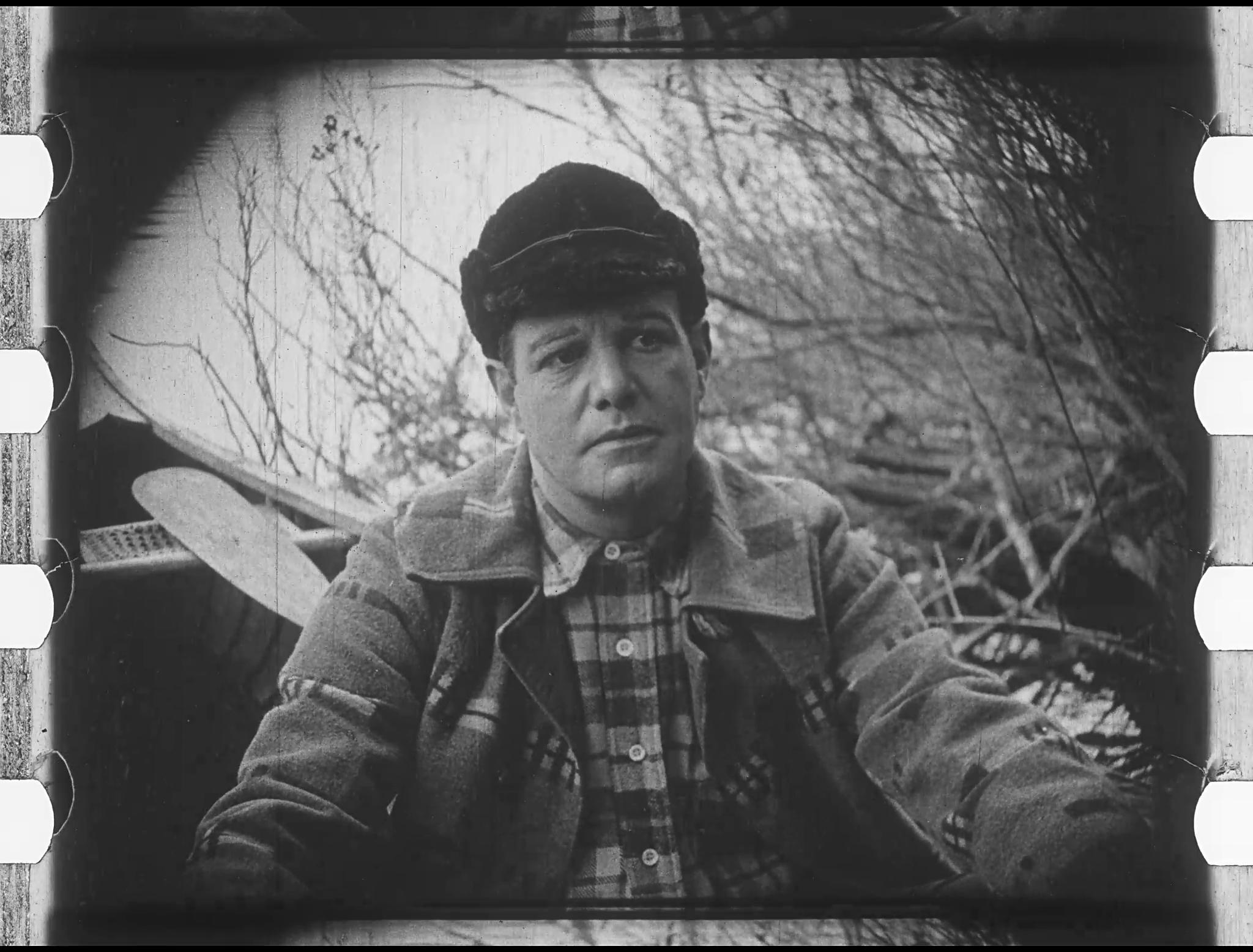
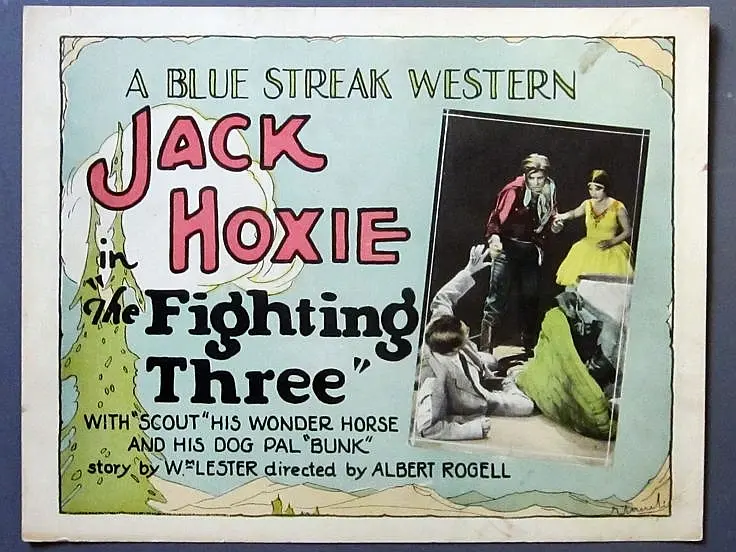
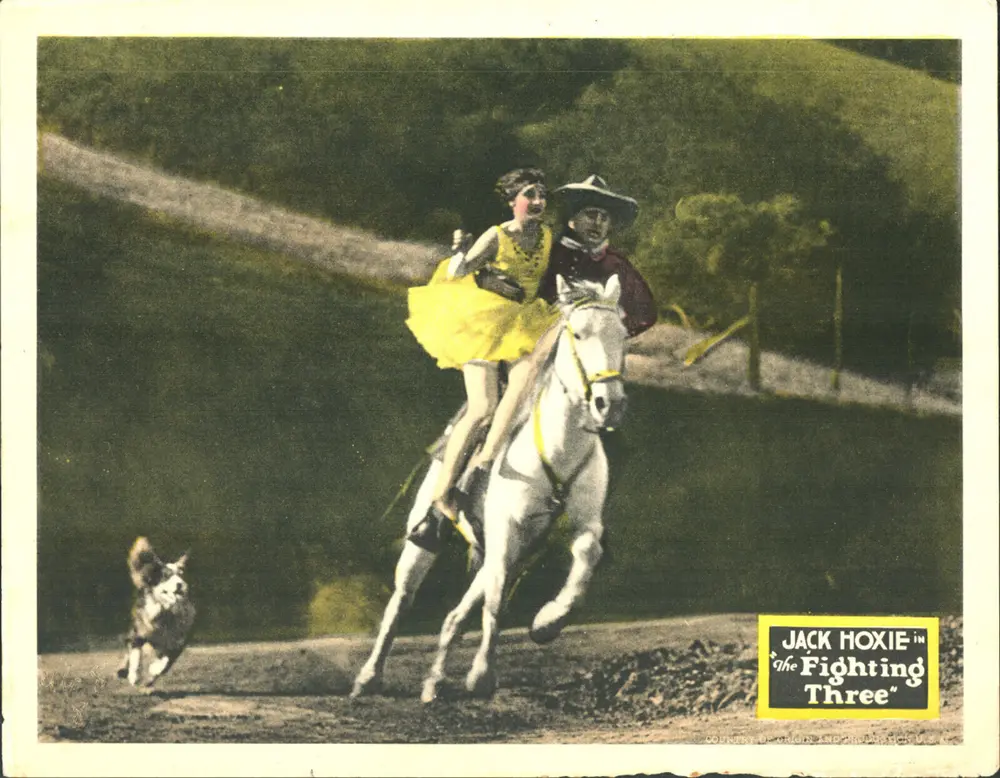
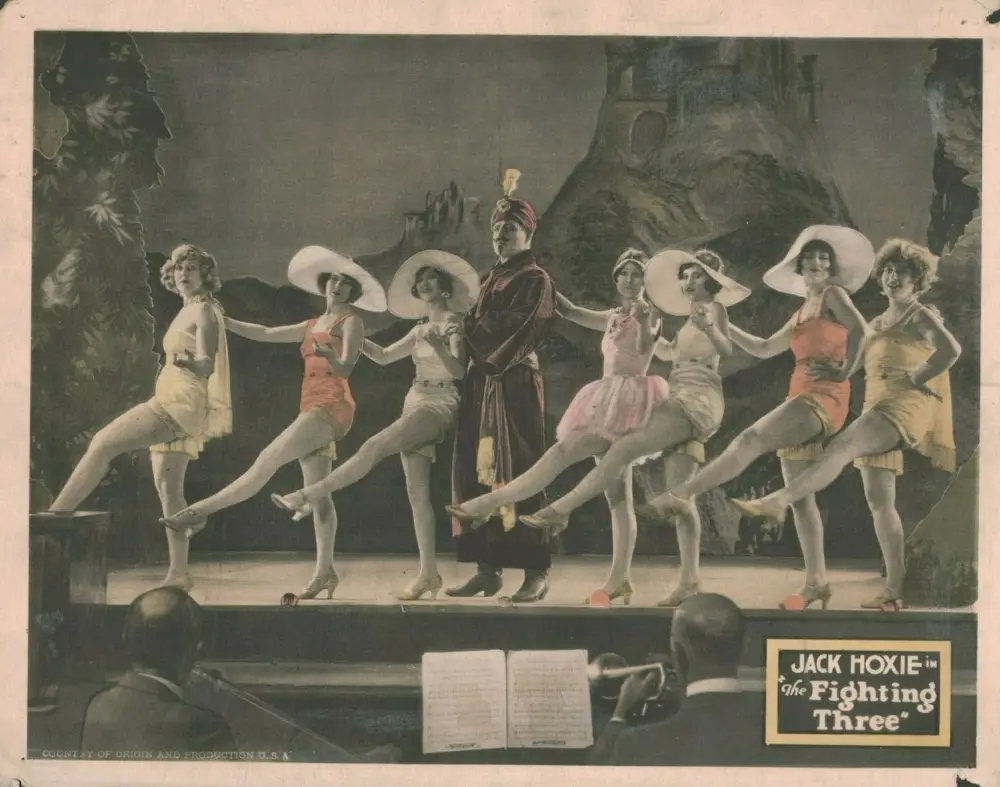
Mademoiselle Jeanne D'Arcy, the soubrette in a Parisian Follies company, marries Jack Conway, a good-natured cowhand, after he tows their stalled truck across the county line. While they are playing the local opera house, John D'Arcy is writing his will, naming Jeanne as beneficiary.
Can a century-old silent film still resonate with modern audiences, or is it merely a historical curiosity? The short answer for The Fighting Three is: yes, but with significant caveats. This 1925 melodrama, with its frantic pacing and labyrinthine plot, is a fascinating artifact for cinephiles and historians, yet it d...
still_frame
still_frame
Comparing the cinematic DNA and archive impact of two defining moments in cult history.
Albert S. Rogell
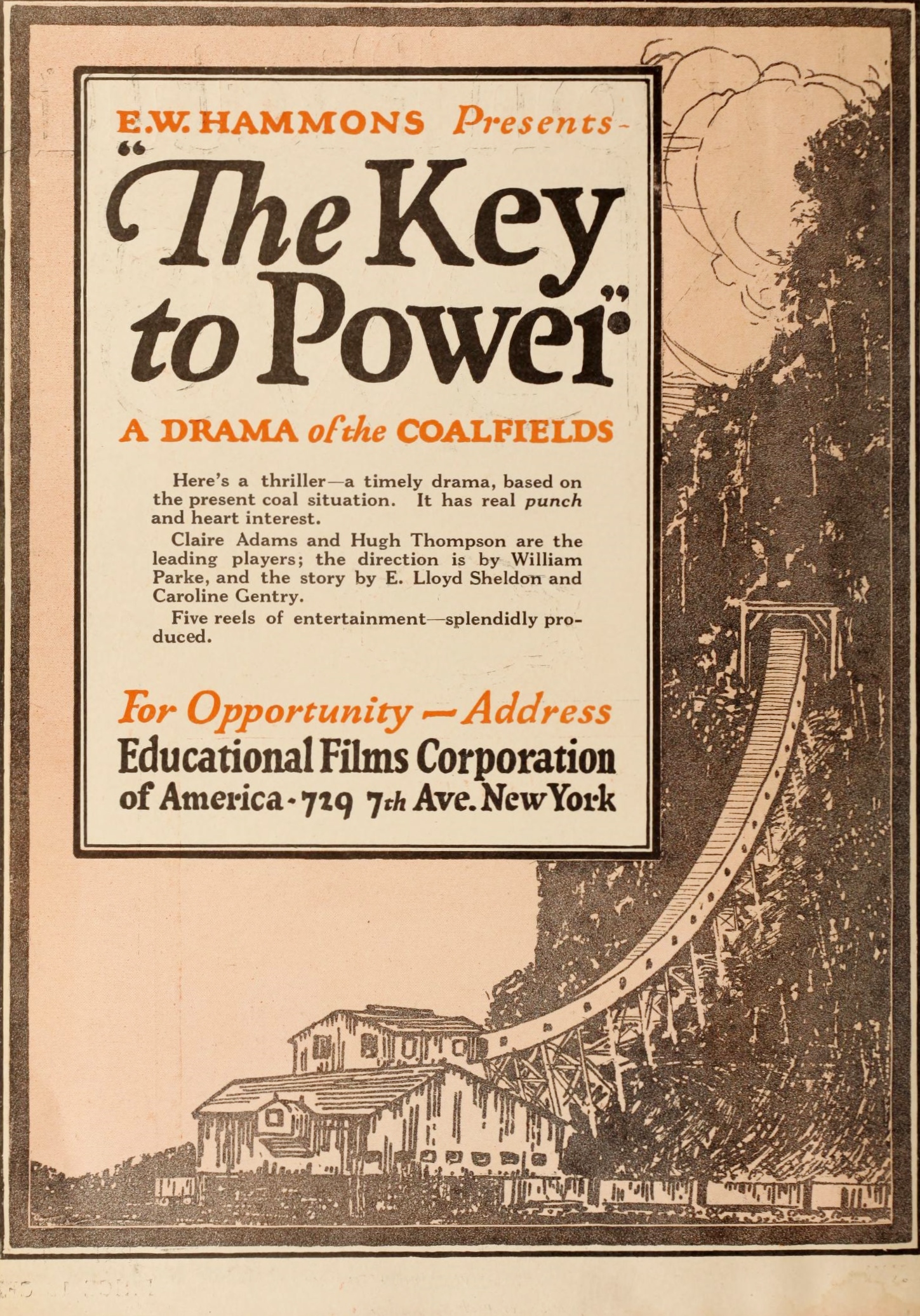
William Parke
Community
Log in to comment.
In the tumultuous landscape of early 20th-century cinema, 'The Fighting Three' unfurls a convoluted tale of romance, familial betrayal, and mistaken identity. We meet Jeanne D'Arcy, a Parisian Follies performer, whose impromptu marriage to the unassuming cowhand Jack Conway sets the stage for a dramatic entanglement. Their provincial theatrical tour coincides with the deathbed will-writing of Jeanne's father, John D'Arcy, who names her his sole heir. This act incites the avarice of D'Arcy's nefarious nephew, Steve Clayton, whose attempts to coerce a will revision escalate into a desperate plea for help from the elder D'Arcy. Jack, ever the chivalrous hero, intervenes only to find himself ensnared in a web of deceit, framed for D'Arcy's apparent murder. His daring escape leads him to Jeanne's dressing room, where a theatrical disguise as a mystic offers temporary reprieve. However, Steve's manipulative whispers soon poison Jeanne’s mind, leading her to believe her husband is her father’s killer, culminating in a dramatic confrontation. Yet, the narrative twists again, revealing D'Arcy's survival and a clear accusation, shifting the spotlight of culpability back onto Steve.
"Can a century-old silent film still resonate with modern audiences, or is it merely a historical curiosity? The short answer for The Fighting Three is: yes, but with significant caveats. This 1925 melodrama, with its frantic pacing and labyrinthine plot, is a fascinating artifact for cinephiles and historians, yet it demands a certain patience from the casual viewer.It's a film for those who appreciate the raw energy of early cinema, the exaggerated expressions, and the theatricality that preced..."
William Berke
United States
Deep dive into the cult classic
Discover similar cinematic experiences
A Directorial Spotlight on Albert S. Rogell