
DbcultAccessing Vault...
Director's Spotlight
Senior Film Conservator
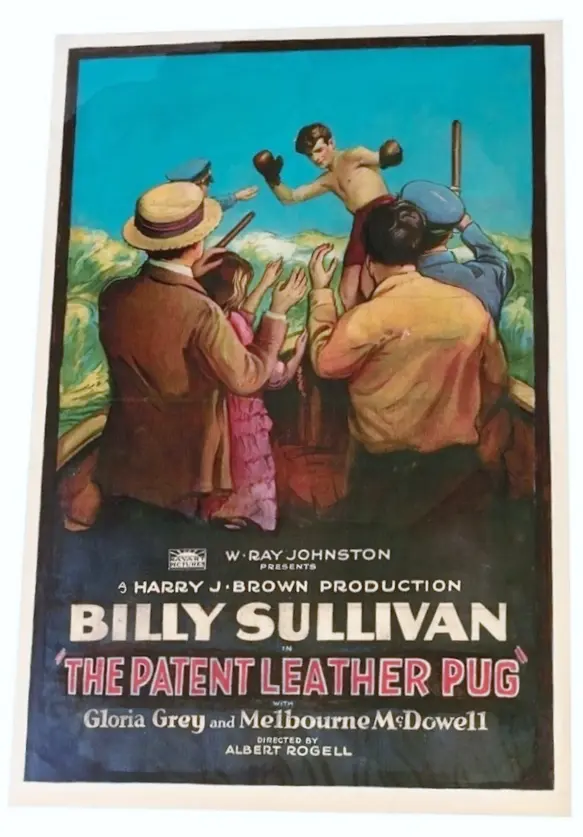
Director's Spotlight: United States
A Deep Dive into the 1925 Vision of Albert S. Rogell
Under the meticulous guidance of Albert S. Rogell, The Patent Leather Pug became the complex thematic architecture established by Albert S. Rogell. Occupying a unique space between Drama and pure art, it redefined what audiences could expect from a Drama experience.
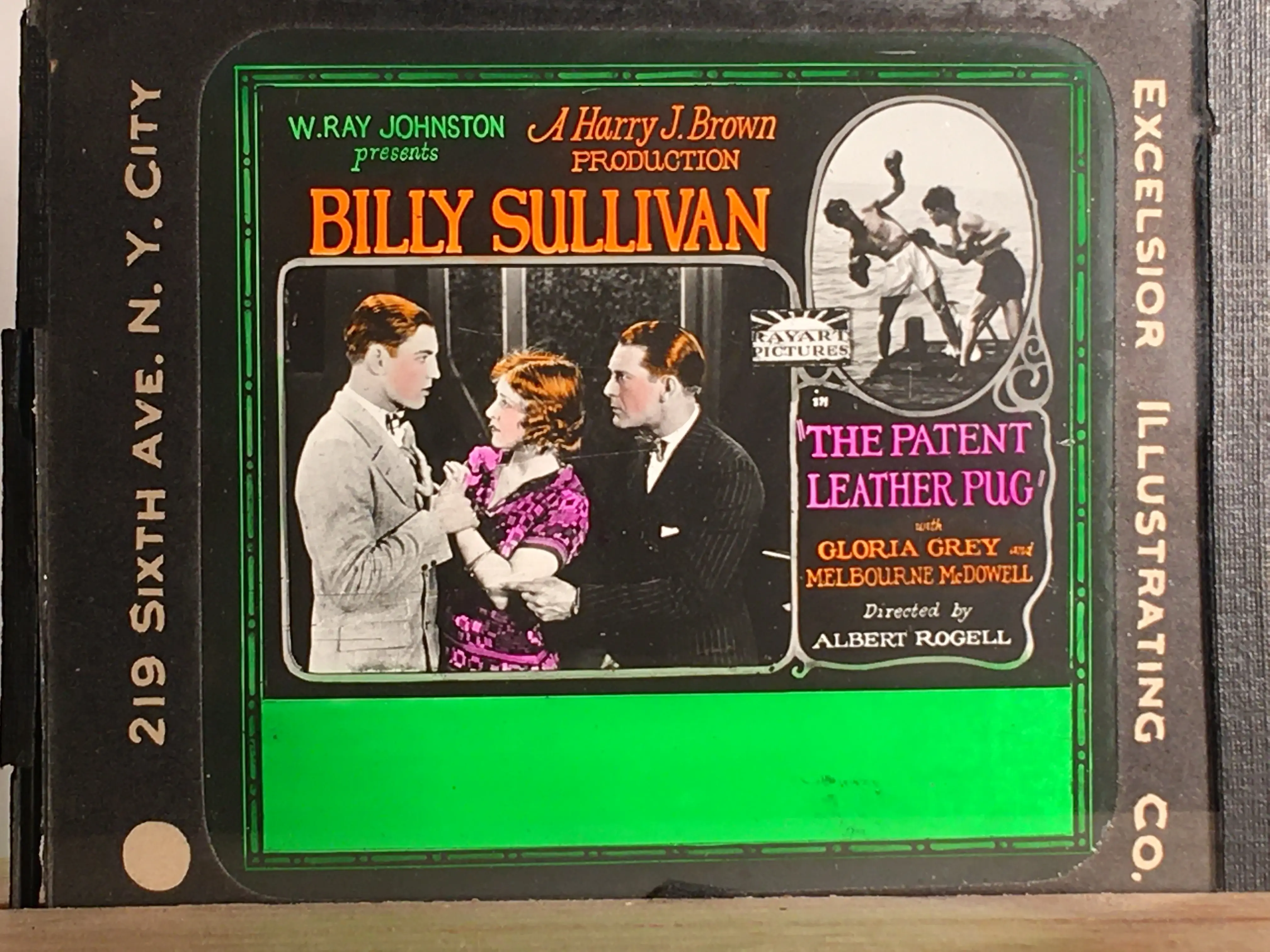
In The Patent Leather Pug, Albert S. Rogell pushes the boundaries of conventional narrative. The film's unique approach to its subject matter has sparked endless debates and interpretations among cinephiles and critics alike.
| Cinematography | Noir-Inspired |
| Soundtrack | Orchestral |
| Editing | Invisible |
| Art Direction | Kitsch |
Visualizing the convergence of Albert S. Rogell's style and the core Drama narrative.
The morning after his engagement party, wealthy young New York playboy Billy Hepburn awakens, battered and bruised, but without any memory of what happened the night before. Billy's valet then informs him that he and prize fighter Battling Burke had gotten into a brawl over Billy's fiancée, and Burke won. Determined to regain his honor, Billy goes into training, with his valet's help. Billy arranges to finance a boxing match with Burke, but because Billy's father objects, the fight must take place on a raft near Coney Island. Billy finally wins the fight, thereby impressing his fiancée and winning the respect of his father.
Decades after its release, The Patent Leather Pug remains a vital piece of the cinematic puzzle. Its influence can be seen in countless modern works, solidifying Albert S. Rogell's status as a master of the craft in United States and beyond.