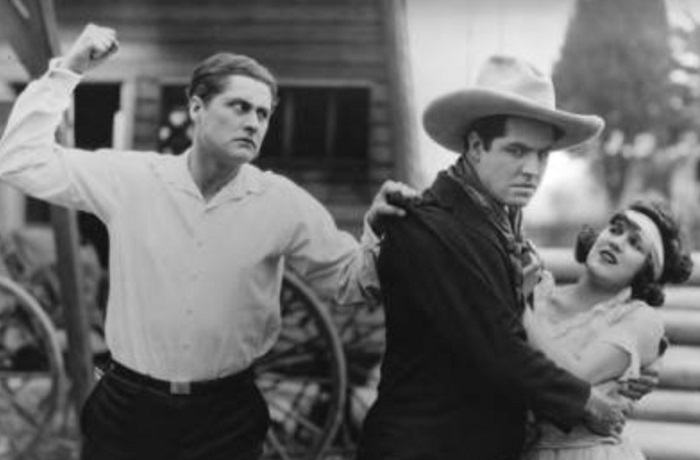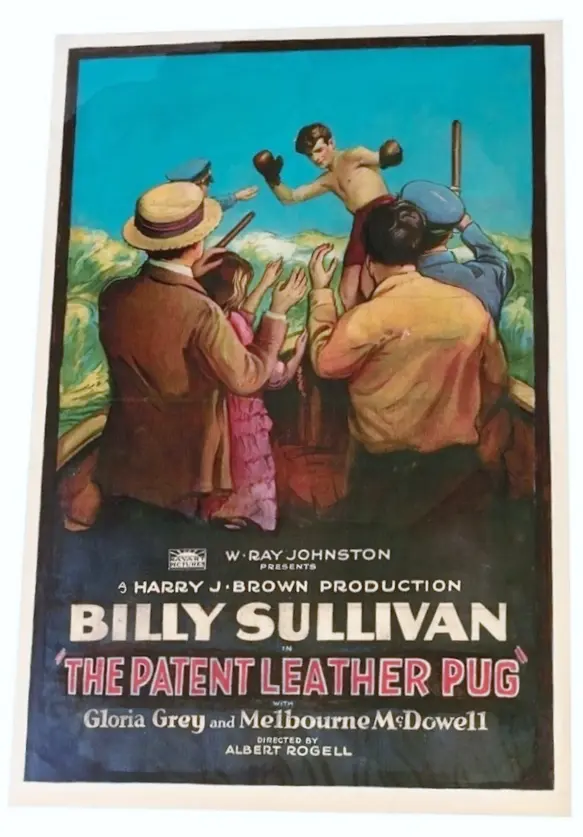
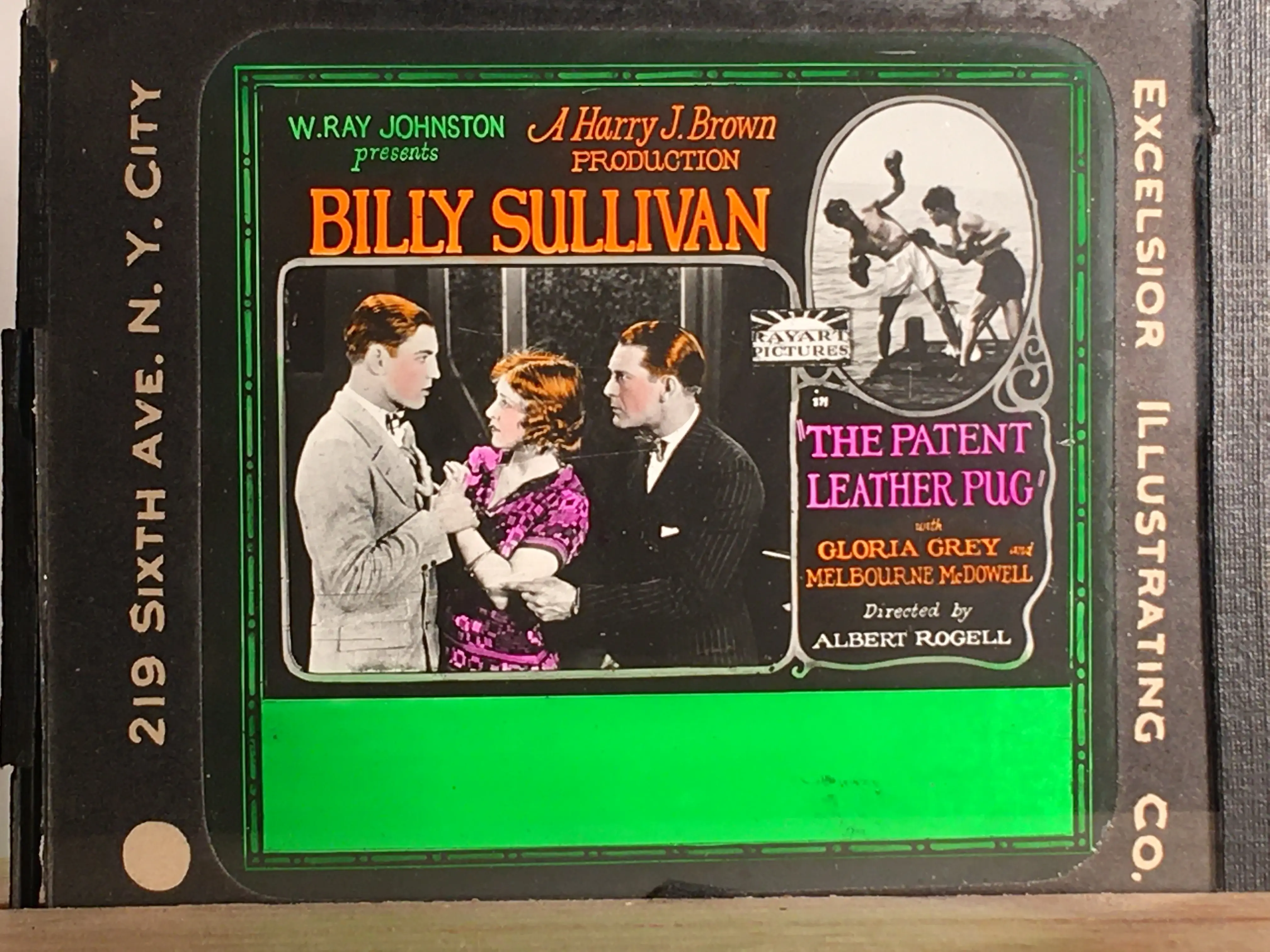
The morning after his engagement party, wealthy young New York playboy Billy Hepburn awakens, battered and bruised, but without any memory of what happened the night before. Billy's valet then informs him that he and prize fighter Battling Burke had gotten into a brawl over Billy's fiancée, and Burke won.
The year 1926 represented a peculiar juncture in American cinema—a moment where the silent medium had reached its zenith of expressive capability just as the cultural zeitgeist was shifting toward the hard-boiled realism of the coming decade. In this fertile ground, The Patent Leather Pug emerges not merely as a sports...
publicity
Comparing the cinematic DNA and archive impact of two defining moments in cult history.
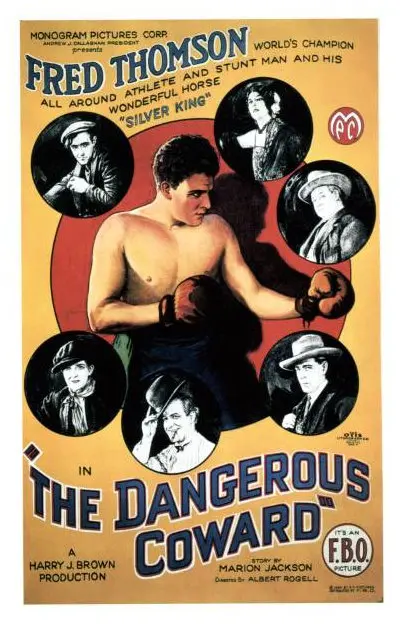
Albert S. Rogell
Alexander Butler
Community
Log in to comment.
"The year 1926 represented a peculiar juncture in American cinema—a moment where the silent medium had reached its zenith of expressive capability just as the cultural zeitgeist was shifting toward the hard-boiled realism of the coming decade. In this fertile ground, The Patent Leather Pug emerges not merely as a sports melodrama, but as a sophisticated interrogation of class, paternal legacy, and the performative nature of 1920s masculinity. Directed with a surprisingly gritty hand by J.P. McGow..."
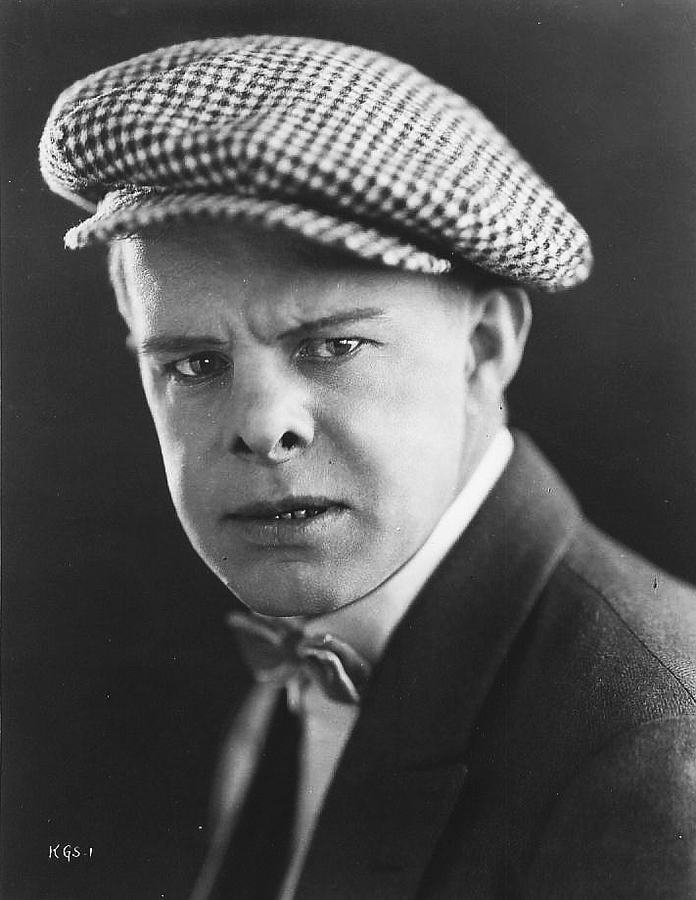
Kit Guard
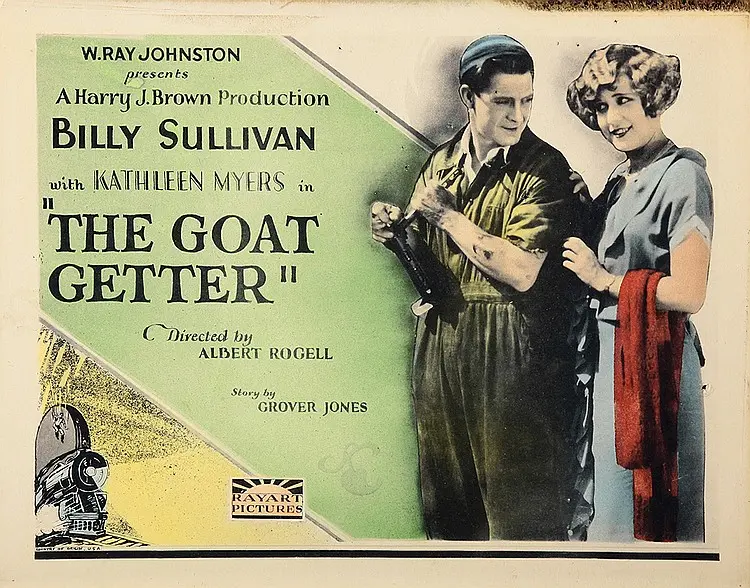
Grover Jones
United States
Deep dive into the cult classic
Discover similar cinematic experiences
A Directorial Spotlight on Albert S. Rogell