
Cult Cinema
The Alchemy of the Anomalous: How Cinematic Outliers Forge Enduring Devotion
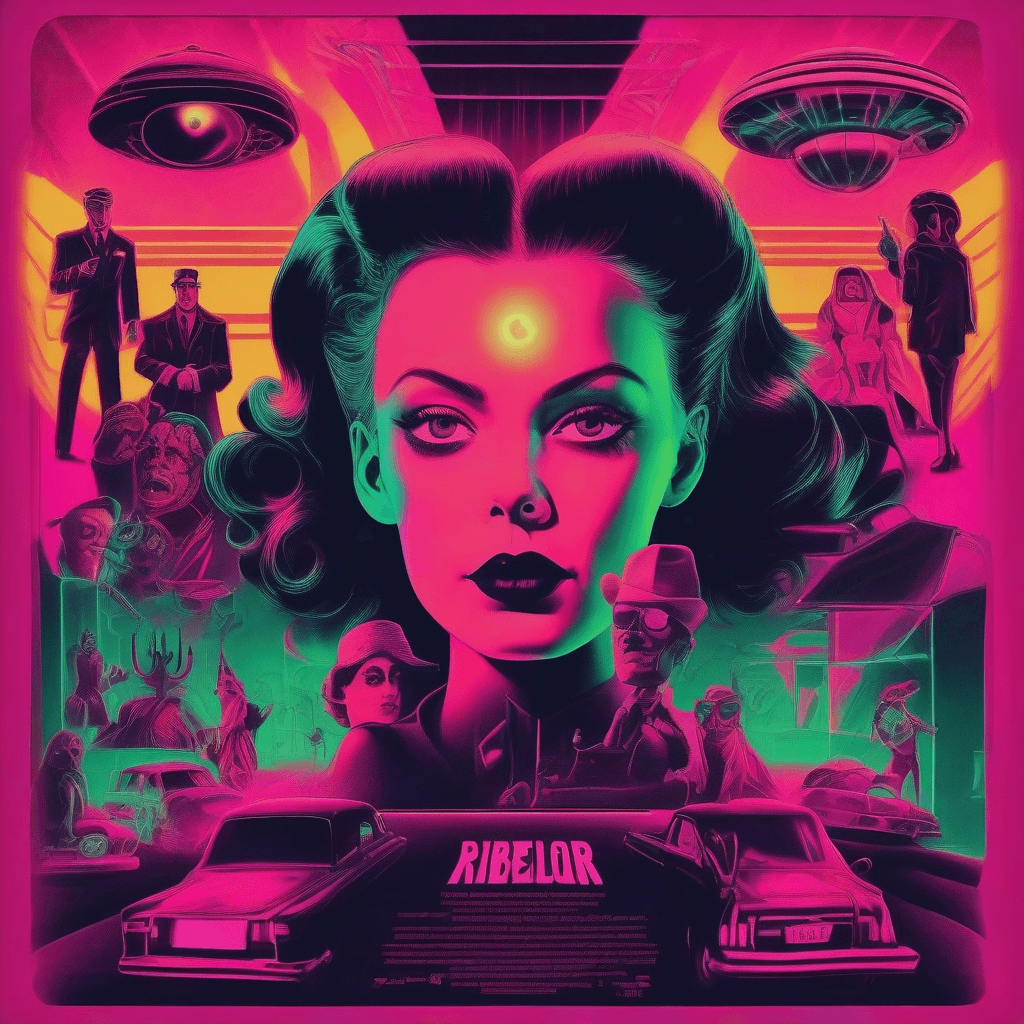
“Cult cinema thrives outside the mainstream, transforming overlooked films into enduring objects of fervent devotion. This article explores the unique alchemy that turns cinematic anomalies into beloved cultural touchstones, tracing their lineage from early cinematic rebels to contemporary undergroun…”
In the vast, ever-expanding universe of film, there exists a peculiar constellation known as cult cinema. These are not the blockbusters that dominate multiplexes, nor the critical darlings lauded by prestigious academies. Instead, cult films are the cinematic outliers, the misunderstood masterpieces, the transgressive visions that defy easy categorization and, in doing so, forge an unbreakable bond with their devoted followers. They are the whispered secrets, the midnight rituals, the shared obsessions that elevate a film from mere entertainment to a profound cultural touchstone. The allure of cult cinema lies in its inherent rebellion, its willingness to challenge conventions, and its uncanny ability to resonate deeply with audiences who feel similarly outside the mainstream.
But what exactly is this mystical alchemy that transmutes an obscure, often initially maligned, film into an object of fervent, almost religious, devotion? It's a complex interplay of narrative audacity, aesthetic innovation, thematic transgression, and, crucially, the collective spirit of a community that discovers, champions, and ultimately immortalizes these cinematic anomalies. To truly understand the enduring power of cult cinema, we must embark on an archaeological dig, tracing its genetic code back through the annals of film history, long before the term 'midnight movie' was even coined. We find its nascent spirit flickering in the earliest days of cinema, in films that, by their very existence or their unconventional narratives, dared to be different.
The Unconventional Genesis: Seeds of Rebellion in Early Cinema
The foundations of cult cinema were not laid by design, but by accident and audacious experimentation. In the nascent years of filmmaking, a period largely dominated by silent pictures, the cinematic language was still being invented. Directors and storytellers, unburdened by established norms, were free to explore a vast spectrum of human experience, often touching upon themes that were daring for their time. While these early works — a tapestry of dramas, romances, comedies, and adventures — might not have been dubbed 'cult' in the modern sense, they frequently exhibited the raw, unpolished, and often boundary-pushing qualities that would later define the genre.
Consider the silent era's bold forays into realism and social commentary. Films from this period, though often melodramatic, weren't afraid to depict the harsh realities of life, the struggles of the working class, or the complexities of moral dilemmas. Narratives featuring characters who were societal outcasts, or those entangled in forbidden loves and tragic circumstances, offered a glimpse into a world beyond the polite veneer of mainstream entertainment. These were stories of defiance, of individuals fighting against overwhelming odds, or succumbing to powerful, often destructive, passions. Such early explorations of the human condition, raw and unfiltered, laid the groundwork for the more overt transgressions that would characterize later cult classics. The very act of committing these narratives to celluloid, often with limited resources and burgeoning techniques, imbued them with an authenticity that resonated with audiences seeking something more visceral.
Beyond the Marquee: Narratives of Deviance and Desire
In the early 20th century, even seemingly straightforward dramas or romances often carried a subversive undercurrent. Stories of women navigating restrictive social expectations, or individuals driven by desperate circumstances, provided a mirror to societal anxieties. The tragic romance of Assunta Spina, for instance, with its intense jealousy and violent consequences, would have offered audiences a raw, unflinching look at passion's darker side. Similarly, the dilemmas faced by characters in films like The Notorious Mrs. Sands or A Fatal Lie explored the moral compromises and societal pressures that could lead individuals down unconventional paths. These narratives, often featuring characters who were marginalized or forced to make difficult choices, began to cultivate an audience drawn to stories that dared to portray life's less glamorous, more challenging facets.
The spirit of rebellion wasn't confined to tragic dramas. Early action films, detective stories, and even comedies often depicted characters operating outside the law or challenging authority. A film like A Prisoner for Life, with its protagonist fighting for his rights against aggression, or The Girl in the Checkered Coat, featuring a character raised as a thief, presented anti-establishment themes that would become hallmarks of cult cinema. These were not always heroes in the conventional sense, but complex figures whose struggles and choices resonated with a segment of the audience eager for narratives that reflected a less idealized, more complicated world. This fascination with the deviant, the outcast, and the morally ambiguous is a crucial thread connecting early cinema to the cult films of today.
Aesthetic Anarchy: When Form Follows Unorthodoxy
Beyond narrative, the early cinematic landscape was a fertile ground for aesthetic experimentation. Without a rigid framework for what film 'should be,' filmmakers explored various techniques, visual styles, and narrative structures. Animation, in its nascent form, offered boundless possibilities for the absurd and the surreal, as seen in early shorts like Invisible Ink or Long Live the King. These playful, often anarchic, visual journeys foreshadowed the experimental nature of many later cult films, which frequently prioritize unique visual language over conventional storytelling.
Even in live-action, there was a freedom to embrace the unconventional. Slapstick comedies, epitomized by figures like Charlie Chaplin in Pay Day or the antics in His Musical Sneeze, reveled in physical absurdity and narrative chaos. These films, often dismissed as mere entertainment, employed a visceral, anti-authoritarian humor that challenged decorum and societal norms. Early mysteries and thrillers, such as Tigris or Fången på Karlstens fästning, pushed the boundaries of suspense and psychological tension, often using innovative editing and cinematography to create unsettling atmospheres. This willingness to distort reality, to embrace the grotesque, or to simply tell a story in an utterly unique way, cemented the idea that cinema could be a canvas for boundless, often unsettling, creativity – a core tenet of cult film aesthetics.
The Midnight Phenomenon and Its Enduring Echoes
While the term 'cult film' truly gained traction with the rise of the 'midnight movie' phenomenon in the 1970s, the seeds were sown much earlier. This era saw films like El Topo, Pink Flamingos, and The Rocky Horror Picture Show gain legendary status through late-night screenings, fueled by word-of-mouth and a burgeoning counter-culture. These were films that mainstream audiences often rejected or ignored, but which found a fervent, dedicated following among those seeking alternative perspectives and experiences.
The midnight movie circuit transformed film-watching into a communal ritual. Audiences didn't just passively consume these films; they actively participated, shouting lines, dressing up as characters, and celebrating the sheer audacity of the cinematic vision unfolding before them. This active engagement fostered a unique sense of belonging and shared identity among fans. It demonstrated that a film’s true value wasn't solely determined by box office receipts or critical consensus, but by its ability to forge a profound, often personal, connection with its viewers. This phenomenon proved that films, regardless of their initial reception, could achieve a powerful, enduring afterlife through the devotion of their audience. The spirit of those early, often overlooked, cinematic experiments found its true home in these midnight gatherings, where unconventional narratives were not just tolerated, but celebrated as vital expressions of artistic freedom.
The Unruly Canvas: Themes That Defy and Endure
What unites the diverse body of work known as cult cinema is often a shared thematic DNA: a fascination with the grotesque, the absurd, the taboo, and the anti-establishment. These films frequently offer a distorted, yet often profoundly insightful, mirror to society. They revel in dark humor, challenge conventional morality, and often present narratives that are deliberately disorienting or surreal. From the philosophical Western of El Topo to the transgressive suburban satire of Blue Velvet, cult films operate on their own terms, inviting viewers to shed their preconceptions and embrace the unconventional.
They often tap into collective anxieties, societal hypocrisies, or unspoken desires, providing a cathartic outlet for viewers who feel alienated by the sanitized narratives of mainstream Hollywood. The visceral horror of a film like Eraserhead, or the anarchic energy of Repo Man, speaks to a primal urge for chaos and a rejection of conformity. This thematic richness, coupled with a willingness to experiment with narrative structure and visual style, ensures that cult films remain perpetually relevant, continually sparking new interpretations and discussions. They are not merely films; they are experiences, challenges, and invitations to explore the fringes of human imagination and societal norms.
Subverting Expectations: The Art of Transgression
A defining characteristic of many cult films is their embrace of transgression. They deliberately push boundaries, whether through explicit content, extreme violence, controversial themes, or narrative structures that defy logic. This isn't transgression for shock value alone, but often as a means to explore deeper truths or to provoke a visceral reaction from the audience. Films like A Clockwork Orange forced viewers to confront uncomfortable questions about free will and societal control, while Harold and Maude challenged notions of love, age, and death with a darkly comedic touch.
This willingness to be provocative, to venture into territories deemed off-limits by more conservative filmmakers, is precisely what endears these films to their audiences. It’s an act of cinematic rebellion, a refusal to play by the rules, which resonates deeply with those who feel a similar sense of alienation or a desire to question authority. The transgressive nature of cult cinema allows it to act as a cultural safety valve, exploring the dark corners of the human psyche and society that mainstream narratives often shy away from, providing a space for contemplation and confrontation.
The Ritual of Rediscovery: Fandom as a Force
The lifeblood of cult cinema is its fandom. Unlike mainstream blockbusters that enjoy a brief, intense burst of popularity before fading, cult films often achieve their legendary status through a slow burn, finding their audience over years, even decades. This process of rediscovery is crucial, as it allows films to be re-evaluated outside the immediate cultural context of their release. A film initially panned or ignored might find new relevance with a different generation, its themes speaking to contemporary concerns in unexpected ways.
The passion of cult film devotees is unlike any other. They are not just passive viewers; they are evangelists, scholars, and performers. They organize screenings, create fan art, write intricate analyses, and engage in vibrant online communities dedicated to dissecting every frame, every line of dialogue. This active engagement transforms the viewing experience into a shared journey, a collective exploration of meaning and emotion. It’s this enduring, participatory ritual that keeps these films alive, ensuring their legacy is passed down through generations, continually introduced to new converts who are ready to join the congregation of the unconventional.
Conclusion: The Perpetual Fringe, Forever Resonant
From the daring narratives of early silent films that explored social deviance and aesthetic experimentation, to the raucous midnight screenings of the 20th century, cult cinema has always occupied a vital, if often overlooked, space in the cinematic landscape. It is a testament to the power of unconventional storytelling, a celebration of artistic freedom, and a vibrant community built on shared passion for the anomalous.
The alchemy of the anomalous is a powerful force, transforming films that dared to be different into timeless objects of reverence. These cinematic outliers, once relegated to the fringes, continue to challenge, provoke, and inspire, proving that true artistry often blossoms in the shadows, far from the glare of the mainstream. As long as there are stories to be told that defy easy answers, and audiences hungry for something beyond the ordinary, the cult of the curious will continue to thrive, forever enriching our understanding of what cinema can be.
Community
Comments
Log in to comment.
Loading comments…