
Cult Cinema Deep Dive
Echoes from the Edge: Unearthing Cult Cinema's Enduring Allure and Maverick Spirit
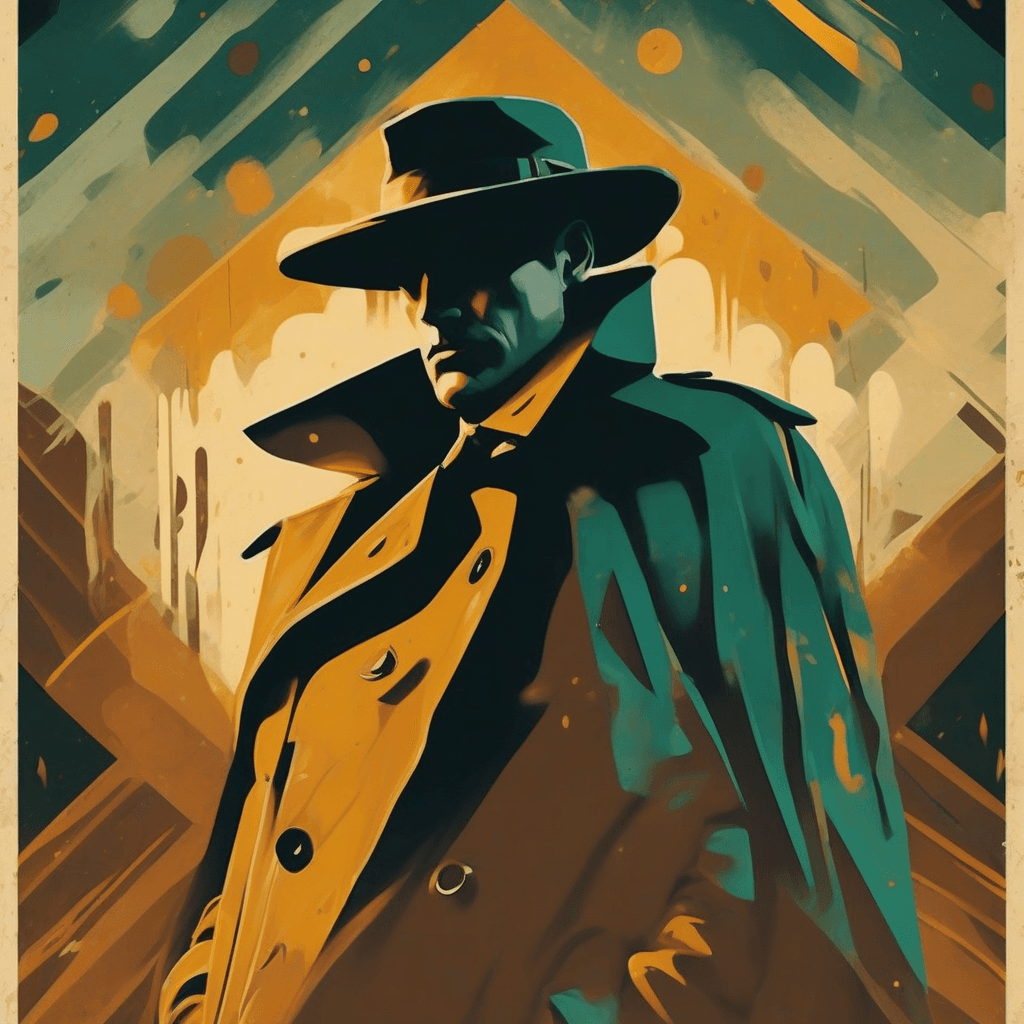
“Dive deep into the enigmatic world of cult cinema, exploring its rebellious origins, the unconventional narratives that define it, and the passionate communities forged by films that defy mainstream expectations.”
In the vast, ever-expanding galaxy of cinema, some stars shine brightly for a fleeting moment, dominating the box office and critical discourse before fading into memory. Others, however, burn with a different, more persistent light. These are the cult films – cinematic anomalies that defy easy categorization, reject mainstream sensibilities, and cultivate fervent, often lifelong devotion among their adherents. What is it about these unconventional narratives and maverick visions that grants them an enduring power, transforming overlooked reels into sacred texts and audiences into congregations?
The Genesis of the Unconventional: Seeds of Subversion in Early Cinema
To truly understand the phenomenon of cult cinema, we must journey beyond the familiar midnight screenings and fan conventions of the late 20th century. The roots of cinematic subversion stretch back to the very dawn of the art form. Even amidst the nascent industry's struggle for narrative coherence and technical mastery, there were films that, for one reason or another, strayed from the expected path. These early cinematic experiments, often dismissed or misunderstood in their time, laid the groundwork for what would become the cult aesthetic.
Consider the silent era, a period brimming with creative exploration. While many films aimed for broad appeal – romantic dramas like The Wise Kid or straightforward comedies such as Pants and The Garage – others hinted at deeper, more unsettling undercurrents. Early melodramas, for instance, sometimes tackled themes that, while perhaps not outright transgressive by modern standards, pushed the boundaries of social propriety for their time. Narratives exploring moral ambiguity, societal hypocrisy, or intense emotional turmoil, as might be found in films like The Sins of Rosanne or The Discarded Woman, offered audiences a glimpse into the darker corners of the human experience. These were not always comfortable stories, and their unique perspectives could alienate some while captivating others.
Even seemingly innocuous genres like short comedies could possess an idiosyncratic charm that resonated with specific sensibilities. The whimsical absurdity of an animated short like Andy's Dancing Lesson or the slapstick chaos of Hole in the Wall, while designed for general amusement, could develop a niche following for their particular brand of humor or their innovative visual gags. These films, often produced quickly and with limited resources, sometimes stumbled upon a unique voice precisely because they were unburdened by the expectations of high art or massive commercial success. They were the original genre outliers, existing on the periphery of an industry still finding its footing.
The Allure of the Anomalous: When Cinema Defies Definition
What truly distinguishes a cult film is often its refusal to conform. It might be a film that blends genres in an unexpected way, or one that employs a narrative structure so bizarre it challenges conventional storytelling. Take, for example, the early mystery-dramas like The Woman in Room 13 or adventure serials such as Tih Minh. While these might have been popular in their day, their intricate plots, heightened stakes, and often melodramatic performances could, over time, be re-evaluated through a lens of ironic appreciation or genuine admiration for their unique, often over-the-top, style.
The very act of challenging audience expectations, whether intentionally or not, is a hallmark of cult cinema. Films that present unconventional perspectives on power, morality, or identity often find their most ardent supporters among those who feel similarly marginalized or misunderstood by mainstream society. A film exploring a dramatic escape like Az aranyember, or a story of mental powers and thought-suggestion as in The Invisible Power, might have been seen as sensationalist or simply strange by some, but for others, they offered a compelling, perhaps even liberating, alternative to conventional narratives. This primal magnetism of the unusual is a key ingredient in the cult formula.
Beyond the Marquee: The Alchemy of Audience and Rediscovery
A film doesn't become a cult classic simply by being weird or obscure; it requires an audience to embrace it, nurture it, and elevate it. This is where the transformative power of fandom comes into play. Many of the films we now cherish as cult classics were initially commercial failures, critical flops, or simply too niche for widespread appeal. Their journey from obscurity to beloved status is often a testament to the dedication of a passionate few.
The concept of rediscovery is central to cult cinema. Imagine a film like Lola Montez, a historical drama about a dancer, or The Beggar Prince, a tale of mistaken identity. While these might have had their moment in the sun, their true legacy might only emerge years later, when a new generation of cinephiles unearths them from forgotten archives or dusty VHS collections. They are re-contextualized, re-interpreted, and re-evaluated through a contemporary lens, often revealing layers of meaning or artistic merit that were overlooked in their initial release. This process of cinematic archeology is vital to the cult canon.
The shared experience of watching and discussing these films creates a powerful sense of community. Whether it's the communal laughter at the eccentricities of a silent comedy or the intense dissection of a complex drama, cult films foster a unique bond among viewers. This is particularly true for films that were considered transgressive or taboo in their original context. While the early films provided may not overtly feature the explicit content associated with later midnight movies, their very existence as independent, unique, or emotionally charged narratives in a rapidly developing art form made them stand apart. Films like The Great Victory, Wilson or the Kaiser? The Fall of the Hohenzollerns, with its historical and political commentary, likely stirred strong emotions and discussions, forming a kind of proto-fandom around its themes.
The Enduring Appeal of the Outsider
Cult cinema often celebrates the outsider, the rebel, the misunderstood. Its characters frequently exist on the fringes of society, challenging norms and questioning authority. This resonates deeply with audiences who feel a similar sense of alienation or a desire to break free from conventional expectations. A film like The Other Half, which explores class distinction and personal awakening, might have struck a chord with viewers grappling with similar social questions. Even a seemingly simple story of a girl overcoming her grandfather's drinking problem, as in The Girl, Glory, could be elevated to cult status if it possessed an authentic, raw emotional core that spoke to a particular segment of the audience.
The act of embracing a cult film is, in many ways, an act of rebellion itself. It's a rejection of the commercially driven, critically acclaimed blockbusters in favor of something more personal, more challenging, more authentic. It's a statement that taste is subjective, and that true artistic merit can be found in the unlikeliest of places. This rebellious spirit is woven into the very fabric of cult cinema, from the earliest experimental shorts to the most polarizing modern features.
The Unwritten Scripture: Cult Cinema as a Living Text
Unlike mainstream hits that run their course and are largely forgotten, cult films tend to live on, evolving and accumulating new layers of meaning with each viewing. They become living texts, constantly re-interpreted, debated, and celebrated. Fan theories flourish, hidden details are unearthed, and the films become subjects of academic study, critical reappraisal, and elaborate fan rituals.
The often ambiguous or open-ended nature of cult narratives invites such engagement. Films that refuse to provide easy answers, or that present morally complex characters, compel audiences to fill in the gaps, to argue over interpretations, and to find personal resonance within the story. The narrative of One Million Dollars, involving a crystal globe and a Buddhist priest, or the dramatic twists of Her Husband's Honor, are precisely the kinds of stories that would spark endless discussion and speculation, cementing their place in a niche audience's consciousness.
Furthermore, the aesthetic choices in cult films often contribute to their mystique. Whether it's a distinctive visual style, an unforgettable soundtrack, or a unique performance, these elements etch themselves into the collective memory of the fandom. Even early cinema, with its evolving cinematography and editing techniques, offered unique visual experiences. The dramatic staging of a film like Beauty in Chains or the adventurous settings of New York Luck would have left a lasting impression, fostering a visual lexicon that fans would recall and cherish.
From Forgotten Reels to Enduring Icons
The journey of a film from forgotten reel to cult icon is often circuitous and unpredictable. It might be a film that was ahead of its time, its themes and aesthetics too radical for contemporary audiences, only to be embraced by later generations. Or it might be a film that, despite its flaws, possesses an undeniable charm, a raw energy, or a singular vision that transcends its technical limitations. This is particularly true for many of the early films on our inspiration list, which, while not explicitly cult films in their day, embody the spirit of the overlooked and the unique.
Consider the sheer volume of films produced in the early 20th century. Many were lost, forgotten, or simply never achieved wide distribution. Yet, within this vast ocean of cinematic history lie countless hidden gems, waiting to be discovered. A film like The Learnin' of Jim Benton, a Western, or The Charmer, a comedy-drama, might have been regional hits or simply enjoyed by a small circle. Today, their existence offers a window into diverse storytelling traditions and evolving cinematic language. The potential for these films to be re-evaluated and find a new, appreciative audience perfectly encapsulates the alchemy of the anomalous.
The Future of Fringe: Cult Cinema in the Digital Age
In the digital age, the landscape of cult cinema is continually evolving. Streaming platforms and online communities have made it easier than ever for obscure films to find their audience, fostering new generations of devotees. The traditional midnight screening, while still a cherished ritual, now coexists with virtual watch parties and sprawling online forums where fans dissect every frame.
This accessibility means that the definition of what constitutes a cult film is also expanding. No longer solely reliant on physical scarcity or word-of-mouth, films can now organically develop cult followings through viral moments, dedicated online communities, or algorithmic recommendations. The maverick spirit of cult cinema, however, remains constant: a celebration of the unconventional, a rejection of the bland, and an unwavering devotion to films that dare to be different.
Whether it's a century-old silent drama unearthed from an archive or a contemporary indie flick that bypasses mainstream distribution, the appeal of cult cinema endures because it speaks to a fundamental human desire for connection, meaning, and a sense of belonging. It's a testament to the power of film to not just entertain, but to challenge, provoke, and ultimately, unite us in shared obsession. The unconventional canon continues to grow, inviting us all to step off the beaten path and explore the cinematic treasures that lie beyond the mainstream's glare.
From the early, almost forgotten curiosities like Yap or A Youthful Affair, which might have enchanted niche audiences with their simple charms, to the more overtly challenging works that followed, cult cinema is a vibrant, ever-changing testament to the enduring power of unique storytelling. It's a reminder that sometimes, the most profound cinematic experiences are found not in the brightest lights, but in the flickering shadows of the fringe.
Community
Comments
Log in to comment.
Loading comments…