
Cult Cinema
Beyond the Box Office: The Enduring Alchemy of Cinema's Unsung Mavericks
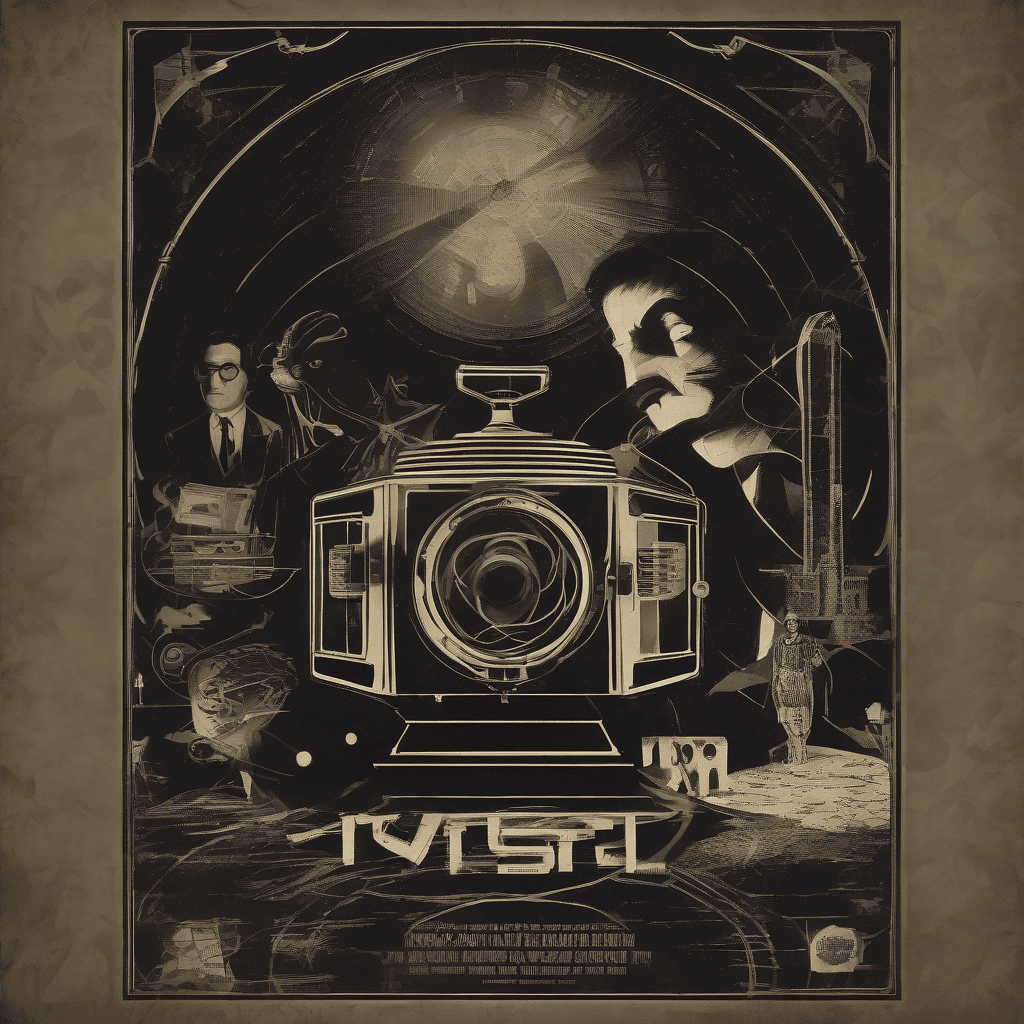
“Cult cinema isn't just a genre; it's a vibrant cultural phenomenon where overlooked films find fervent adoration, transforming into timeless icons through their unique narratives and rebellious spirit. This deep dive explores the magnetic allure and transformative power of these cinematic outsiders.”
In the vast, often predictable landscape of mainstream cinema, a fascinating, vibrant underworld thrives – the realm of cult cinema. These aren't merely films that perform poorly at the box office; they are cinematic experiences that defy easy categorization, challenge conventional storytelling, and, most importantly, forge an unbreakable bond with a dedicated, often passionate, audience. From the silent era's enigmatic experiments to modern-day genre-benders, cult films represent a rebellion against the ordinary, a sanctuary for the strange, and a testament to the enduring power of unique artistic vision.
The Genesis of the Unconventional: Early Sparks of Cinematic Deviance
To truly understand the enduring allure of cult cinema, we must trace its roots back to the nascent days of filmmaking. Long before midnight screenings became a cultural touchstone, certain films, by their very nature, stood apart. Consider the early 20th century, a time when cinema was still finding its voice, and experimentation was rampant. Films like The Golem (1920), with its expressionistic horror and themes of creation and control, or Fantomas: The Mysterious Finger Print (1914), a thrilling crime serial pushing narrative boundaries, were not necessarily box-office juggernauts, but they hinted at a nascent appetite for the unconventional and the transgressive.
These early works, often dealing with darker themes or challenging societal norms, laid the groundwork for what would become the cult phenomenon. Films exploring psychological studies, moral ambiguities, or taboo subjects, like The Spirit of the Poppy (1917) which delved into drug addiction, or Spiritismo (1918) with its adultery tale and ghostly pretense, were inherently subversive. They offered narratives that mainstream audiences might have found too disturbing, too complex, or too niche, but which resonated deeply with a select few. The initial rejection or limited reach of these films often paradoxically fueled their later cult status, allowing them to be discovered and championed by discerning viewers seeking something beyond the ordinary.
Defining the Indefinable: Characteristics of a Cult Classic
What exactly transforms a film into a cult classic? It's a complex alchemy, often involving a blend of initial commercial failure, critical misunderstanding, and a unique artistic vision that speaks to a specific sensibility. These films are rarely designed to be universally loved; instead, they often cultivate a deep, almost religious, devotion among their followers.
Narrative Anarchy and Genre Defiance
One defining trait of cult cinema is its willingness to shatter narrative conventions and blend genres with audacious abandon. Films like The Miracle Man (1919), which mixes con artistry with genuine faith and redemption, or The Great Moment (1921), a drama infused with themes of gypsy heritage and arranged marriages, exemplify this genre fluidity. They refuse to be neatly packaged, offering audiences something unexpected and often unsettling. This narrative anarchy is precisely what attracts viewers tired of predictable plots and formulaic storytelling. Even early comedies like A Looney Honeymoon (1919) or Man vs. Woman (1919) might have contained elements of physical comedy or gender role subversion that were considered outré for their time, laying the groundwork for later, more extreme cult comedies.
Visual & Thematic Boldness
Cult films often possess a distinctive visual style and thematic depth that sets them apart. Whether it's the stark, expressionistic shadows of early horror or the vibrant, surreal palettes of later entries, these films create worlds that are both unforgettable and often disturbing. The themes explored are frequently provocative: social commentary, psychological exploration, rebellion against authority, and the examination of human nature's darker facets. Consider films like The Trap (1919), a drama of societal rejection and redemption, or The Traitress (1917), which delves into betrayal and regret. These films, while potentially mainstream in their initial intent, often contained elements that resonated with audiences seeking more complex moral landscapes.
Audience Participation and Ritual
Perhaps the most defining characteristic of cult cinema is the active role of its audience. Unlike passive viewers of mainstream blockbusters, cult fans often engage with their beloved films on a deeper, more interactive level. This can manifest as elaborate midnight screenings, where audiences dress up, shout lines, and participate in rituals surrounding the film. The phenomenon of shared experience and collective interpretation transforms a mere viewing into a communal catharsis. Even without the modern midnight movie circuit, one can imagine early fans of films like Bride 13 (1920) or The Fighting Trail (1917) discussing plot twists and character motivations with an intensity that transcended casual appreciation.
Enduring Relevance and Rediscovery
Many cult films gain their status years, sometimes decades, after their initial release. They are often ahead of their time, tackling issues or presenting aesthetics that contemporary audiences aren't ready for. This allows for a process of critical re-evaluation and rediscovery, where new generations find profound meaning in films once dismissed. For instance, the dramatic narratives of Life's Greatest Question (1919) or The Lost Chord (1917) might have been seen as standard melodramas, but their emotional intensity and exploration of human relationships could easily resonate with later audiences seeking authentic, raw storytelling. The longevity and adaptability of these narratives are key to their enduring cult appeal.
The Maverick Auteurs and Their Visions
Behind many cult classics are maverick filmmakers who dared to challenge the status quo. Sometimes, their intention was overtly rebellious; other times, their unique vision simply didn't align with commercial expectations. These directors often prioritised artistic expression over mass appeal, resulting in works that were singular and uncompromising. Films like De røvede Kanontegninger (1914) or Ich bin Du (1918) from the international silent era, though obscure to many today, likely carried the distinct stylistic fingerprints of their creators, offering a glimpse into cinematic voices that refused to be silenced by conventional tastes. Their work, even if initially misunderstood, becomes a beacon for those seeking authentic, unfiltered storytelling.
The Fandom Phenomenon: Building Communities Around Shared Obsessions
At the heart of cult cinema lies its devoted fandom. These communities are often formed by individuals who feel a sense of alienation from mainstream culture, finding solace and understanding in films that mirror their own outsider perspectives. A film that might be considered 'weird' or 'bad' by general audiences becomes a cherished treasure for its niche devotees. The shared experience of interpreting complex themes, dissecting obscure symbolism, and celebrating idiosyncratic characters fosters a powerful sense of belonging.
Consider the myriad of dramatic and comedic narratives from the early 20th century: As Ye Sow (1918), a tale of trickery and consequences; The Better Woman (1919), exploring sentiment and craving for love; or Confession (1918), dealing with robbery and belief. While these might seem like standard fare, the specific ways in which they explored moral dilemmas, social pressures, or emotional turmoil could have resonated deeply with audiences experiencing similar feelings of being misunderstood or on the fringe. The ability of these films to tap into universal human experiences, albeit through an unconventional lens, is a key ingredient in their cult recipe.
From Obscurity to Icon: The Unconventional Journey
The journey of a cult film from obscurity to iconic status is rarely straightforward. Many begin with limited distribution, poor critical reception, or outright commercial failure. Yet, something about them lingers. Perhaps it's a memorable line, a striking visual, a genuinely shocking plot twist, or a performance that transcends the material. Through word-of-mouth, academic re-evaluation, or accidental discovery, these films slowly gather momentum.
Films like What Money Can't Buy (1920), a financial thriller, or The Rough Lover (1918), a timid bookworm's romantic struggles, might not immediately scream 'cult classic,' but their exploration of societal values, personal desires, and the pursuit of happiness could find new resonance with later audiences. The nuances of character, the unexpected turns of plot, or even the sheer earnestness of their production can contribute to this slow burn of appreciation. The transformation from forgotten oddity to beloved icon is a testament to the fact that true artistic merit often takes time to be recognized, especially when it dares to deviate from the norm.
The Digital Age and Cult Cinema's Evolution
The advent of the internet and streaming services has dramatically reshaped the landscape of cult cinema. Where once discovery was limited to late-night TV showings, VHS trading, or niche video stores, now a vast library of films is available at our fingertips. This has democratized access, allowing films from all eras and genres to find new audiences. Obscure silent films like The Jackeroo of Coolabong (1920) or Meg o' the Mountains (1917), which might have been lost to time, can now be unearthed and appreciated by a global community. The online forums, fan communities, and social media discussions amplify the cult experience, allowing fans to connect, share theories, and celebrate their shared obsessions like never before.
This digital accessibility means that films with unique narratives, experimental structures, or challenging themes—from the melodramatic Hearts or Diamonds? (1915) to the dramatic Springtime (1914)—can now bypass traditional gatekeepers and find their people. The 'midnight movie' experience, while still cherished, has expanded beyond physical theaters into virtual spaces, fostering an even broader and more diverse global cult film community.
The Enduring Allure: Why We Worship the Unconventional
Why do these cinematic outsiders continue to captivate us? Perhaps it's their authenticity. Cult films often feel raw, unpolished, and unfiltered, a stark contrast to the slick, focus-grouped productions of Hollywood. They speak to our desire for something different, something that challenges our perceptions and expands our understanding of what cinema can be. The psychological dramas like Samson (1922) or the crime thrillers such as Through Dante's Flames (1914) offered complex characters and situations that transcended simple good-versus-evil narratives, inviting deeper thought and discussion.
Moreover, cult films often provide a sense of belonging. For those who feel marginalized or misunderstood, finding a film that speaks directly to their unique worldview can be a profound experience. The shared love for an obscure or controversial film creates an instant bond, transforming strangers into fellow travelers on a shared cinematic journey. This collective devotion is what truly elevates a film from a mere curiosity to a beloved cultural touchstone. Whether it's the exploration of identity in Sonia (1917), the struggles of wealth in One Thousand Dollars (1918), or the simple yet profound narratives of Zonnetje (1919) and Bringing Home the Bacon (1917), these films, in their own ways, speak to the human condition with an unconventional honesty.
In conclusion, cult cinema is far more than a collection of oddities; it is a dynamic, ever-evolving testament to the power of film to transcend commercial constraints and forge deep, lasting connections with its audience. It's a celebration of the maverick spirit, the unconventional vision, and the profound joy of shared obsession. These films, once overlooked and misunderstood, now stand as enduring icons, proving that sometimes, the greatest treasures are found far beyond the glare of the marquee.
Community
Comments
Log in to comment.
Loading comments…