Summary
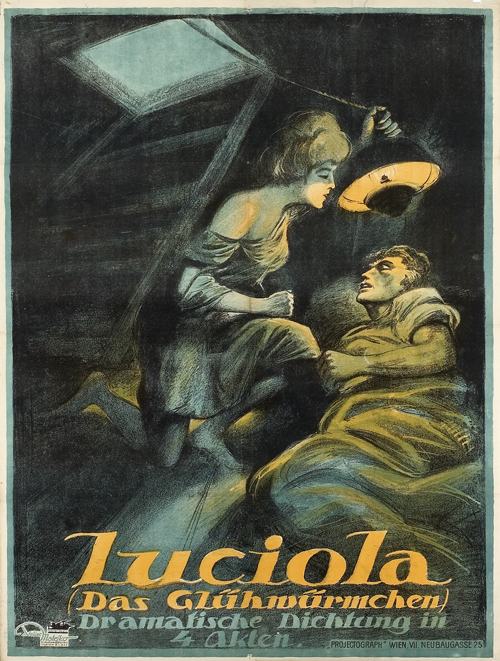
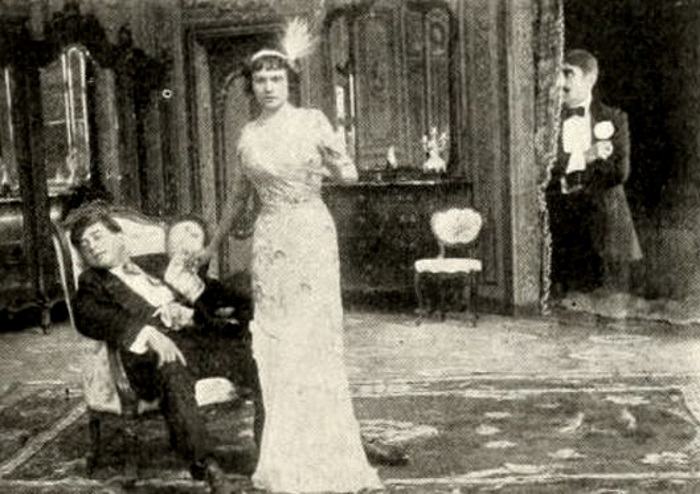
A gas-lit labyrinth of fin-de-siècle Vienna becomes the chessboard on which cerebral Inspector Roland—equal parts dandy and bloodhound—pursues the phantom known only as Tigris, a criminal maestro whose signature is a chalk-drawn jungle cat that appears on the marble of plundered salons moments before the police arrive. Each theft is a stanza in an anarchic poem: a Fabergé egg swapped for a live scorpion, a diplomat’s wife replaced mid-ball by a mannequin in mourning veils, a cathedral bell that rings thirteen times at dawn yet no one hears. Roland deciphers the rhythm—every crime is a note in a deadly nocturne whose final chord will be the assassination of the Emperor during the opening night of Die Fledermaus. To bait the hunter, Tigris kidnaps Roland’s estranged protégé, Lidia, now a cabaret chanteuse with a voice like cracked velvet, and forces the detective to navigate sewers that reek of lilacs and gunpowder, banquet halls rigged with mirrors that reflect tomorrow’s headlines, and a library where books bleed when opened. In a climax staged on the opera house rooftop, Roland discovers that “Tigris” is not one man but a hydra-headed collective sworn to revenge for a massacre in the Caucasus—each member wearing a fragment of the same striped caftan, so that when they stand shoulder to shoulder the beast comes alive. Roland, bloodied and coat flapping like a broken bat-wing, must choose: save Lidia dangling above the chandelier’s gas jets, or prevent the Emperor’s death by shooting the counter-weighted pulley that will drop her to her doom. The bullet leaves the chamber; the screen cuts to the chalk outline of a tiger that slowly dissolves into Vienna’s coat of arms—leaving the audience to wonder whether justice itself is just another predator wearing civilization’s skin.
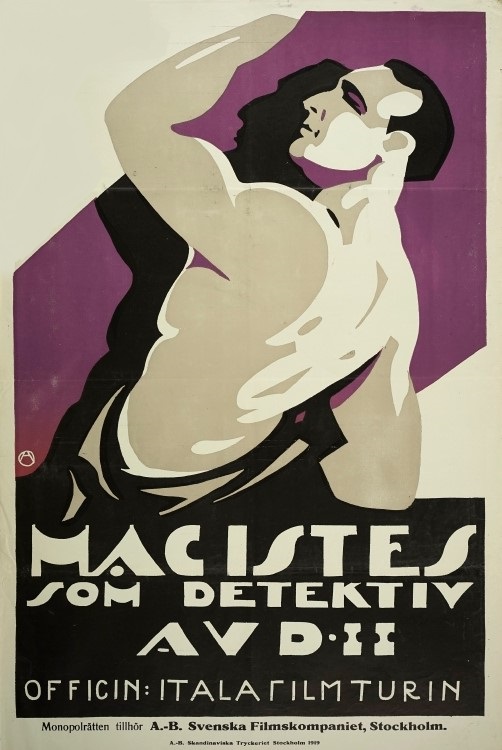
Depicts a cat-and-mouse game between a renowned detective, Roland, and the criminal gang led by a man called "Tigris".
Review Excerpt
"
body {background:#111;color:#eee;font-family:Georgia,serif;line-height:1.7;margin:0;padding:2rem 5vw;}
h2{color:#C2410C;font-size:1.8rem;margin:2.5rem 0 1rem;letter-spacing:.8px;}
h3{color:#EAB308;font-size:1.4rem;margin:2rem 0 .8rem;font-variant:small-caps;}
p{color:#eee;text-indent:1.2em;margin:0 0 1em;text-align:justify;}
blockquote{border-left:3px solid #0E7490;padding:.6rem 1.2rem;font-style:italic;color:#bbb;margin:1.5rem 0;}
ul{list-style:square inside;color:#EAB308;}
a{color:#0E7490;te..."