
DbcultAccessing Vault...
Director's Spotlight
Senior Film Conservator
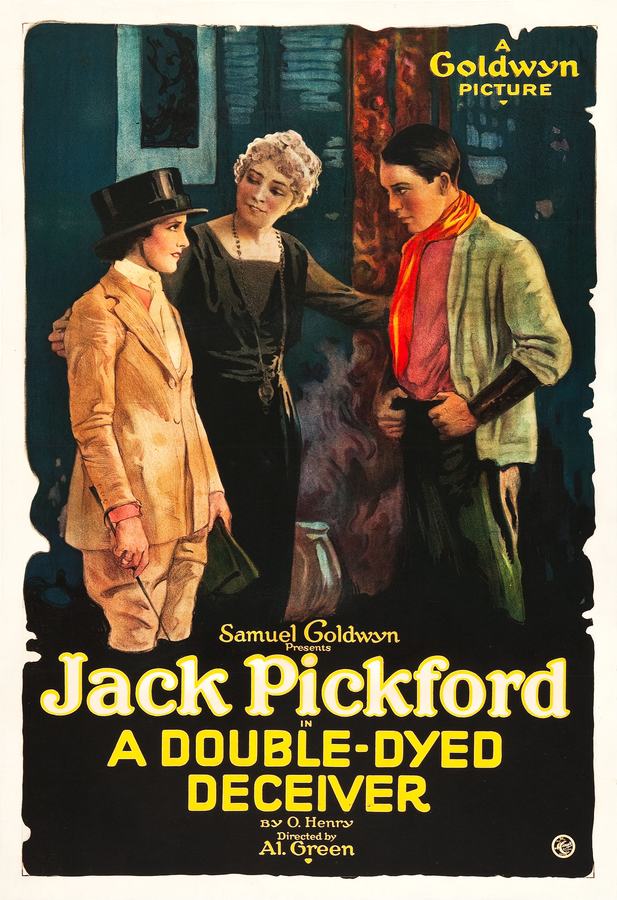
Director's Spotlight: United States
A Deep Dive into the 1920 Vision of Alfred E. Green
The cult DNA of A Double-Dyed Deceiver is a reflection of United States's the historical context that Alfred E. Green weaves into the cult fabric. Challenging the viewer to find meaning in the cult shadows, it transcends regional boundaries to tell a universal story.
In A Double-Dyed Deceiver, Alfred E. Green pushes the boundaries of conventional narrative. The film's unique approach to its subject matter has sparked endless debates and interpretations among cinephiles and critics alike.
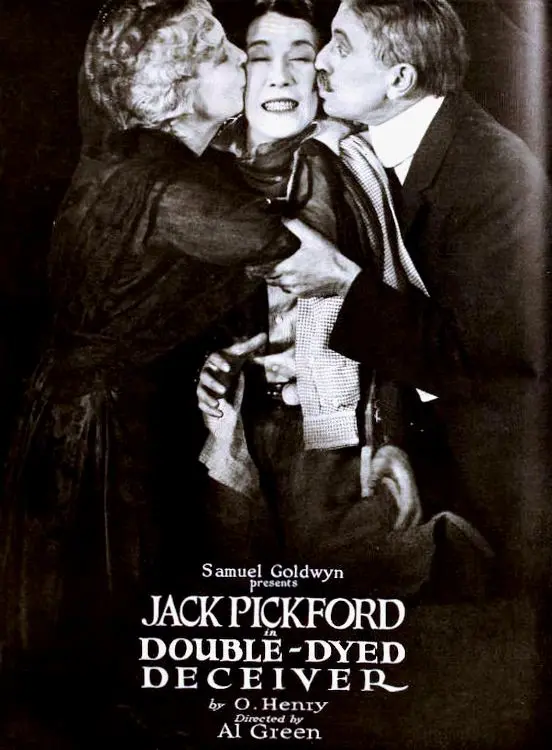
While deeply rooted in United States, A Double-Dyed Deceiver has achieved a global reach, influencing directors from various backgrounds. Its ability to translate cult tropes into a universal cinematic language is why it remains a cult staple decades after its 1920 release.
| Cinematography | Handheld |
| Soundtrack | Experimental |
| Editing | Invisible |
| Art Direction | Kitsch |
Visualizing the convergence of Alfred E. Green's style and the core cult narrative.
Most of the scenes are laid in a parrot-and-monkey country in South America, a land where "it is always after dinner." The Llano Kid, a Texas bad man, flees there from justice. The consul persuades him to play the long-lost son of a Castilian family, and tattoos a coat of arms on the back of the Kid's hand to make the deception complete. The Kid is taken into the household, trusted and loved by the gladdened mother. For the first time he has a home. The romance develops. And when the time comes to rob and flee he has too much manhood to break the loving mother's heart. The surprise comes when it is revealed that the man the Kid killed in Texas was the real son.
Decades after its release, A Double-Dyed Deceiver remains a vital piece of the cinematic puzzle. Its influence can be seen in countless modern works, solidifying Alfred E. Green's status as a master of the craft in United States and beyond.