
Cult Cinema Deep Dive
The Arcane Aperture: Unearthing the Primal Weirdness of Cinema’s First Fringe Century
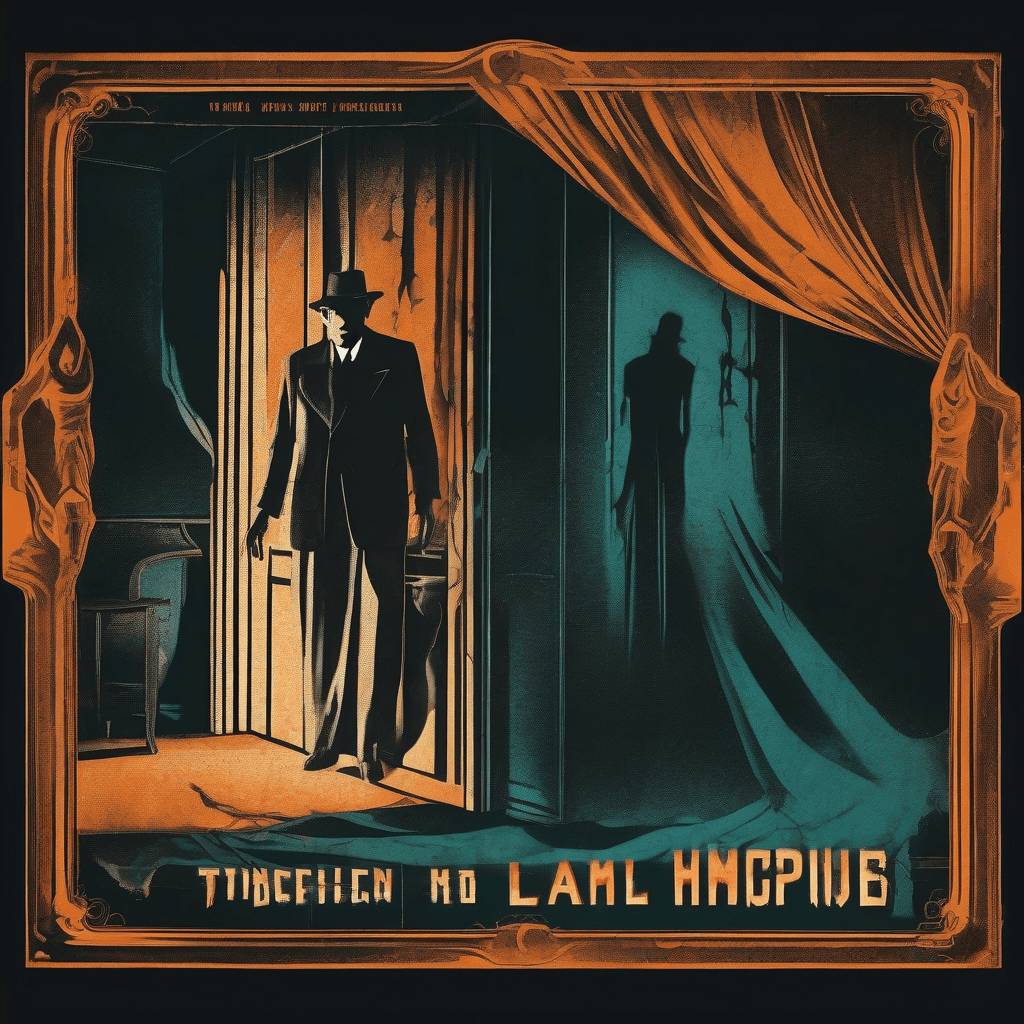
“Dive into the shadows of film history to discover how the silent era's most transgressive and misunderstood works laid the foundation for modern cult cinema obsession.”
When we speak of cult cinema today, our minds often drift toward the neon-soaked midnight screenings of the 1970s or the transgressive VHS tapes of the 1980s. However, the genetic blueprint of the cinematic misfit was drafted long before the advent of sound. To understand the modern obsession with the weird, the wild, and the misunderstood, we must peer through the Arcane Aperture of the early 20th century. This was an era where the rules of narrative were still being written, and the boundaries of social acceptability were frequently tested by maverick directors and daring performers.
The Genesis of the Transgressive Soul
Cult cinema is defined by its defiance of the mainstream, and nowhere is this more evident than in the early explorations of social taboos. Consider the 1918 production The Yellow Ticket. In the oppressive atmosphere of Czarist Russia, a young Jewish girl is forced to adopt a yellow passport—a symbol of prostitution—just to travel and see her dying father. This film didn't just provide drama; it offered a scathing critique of systemic corruption and religious persecution, themes that continue to resonate in modern subversive cinema. It established the "outcast" as a central figure, a trope that would later become a cornerstone of cult fandom.
Similarly, the German series Es werde Licht! 4. Teil: Sündige Mütter (1918) tackled the then-unspeakable subjects of unwanted pregnancy and abortion. These were not merely educational films; they were the "forbidden reels" of their time, sparking conversations that the polite society of the era preferred to keep in the shadows. This tradition of using the screen to illuminate the dark corners of the human experience is exactly what draws devotees to the fringe today.
Psychological Horror and the Shadow Self
Long before the slashers and supernatural thrillers of the modern era, the silent screen was experimenting with the concept of the "Shadow Self." The 1913 masterpiece The Student of Prague is perhaps the earliest example of a psychological cult classic. By telling the story of Balduin, a poor student who sells his mirror image to a sorcerer, the film introduced audiences to the uncanny. The sight of a man being haunted by his own reflection—a reflection that has gained a malevolent life of its own—is a precursor to the surrealism of David Lynch and the body horror of David Cronenberg.
This fascination with the supernatural and the grotesque extended into fantasy as well. The early adaptation of Jack and the Beanstalk (1917) might seem like a simple fairy tale, but its visual experimentation and the scale of its ambition created a sense of wonder that felt almost alien to audiences accustomed to stage plays. These films were the original "spectacles of the strange," carving out a space for genre fiction that refused to play by the rules of realism.
The Maverick Western: Rebels in the Dust
The Western is often seen as the most traditional of American genres, but the early days of the "horse opera" were filled with gritty, unconventional narratives that paved the way for the anti-heroes of the 1960s. Films like High Pockets and Runnin' Straight (1917) focused on characters who operated in the gray areas of the law. In Runnin' Straight, we see a slum-reared youth who must sacrifice his reputation for the sake of a friend—a narrative of loyalty and redemption that feels far more complex than the "white hat vs. black hat" archetypes that would later dominate the genre.
Then there is The White Rider (1920), which blended Western action with themes of forgery and falsified documents. These films didn't just offer escapism; they offered a look at the rough, unpolished edges of the frontier. They were the "B-movies" of their day, often produced quickly and with limited budgets, yet they possessed a raw energy that refined studio productions often lacked. This raw energy is the lifeblood of cult cinema—a sense that anything can happen because the creators aren't beholden to a corporate board.
The Allure of the Exotic and the Exploitative
Cult cinema has always had a complicated relationship with the "other," and the early 20th century was no exception. Films like Eine weisse unter Kannibalen (1921) and The Girl Alaska (1919) tapped into the era's fascination with distant lands and perceived dangers. While many of these films are rightfully criticized today for their colonialist perspectives and dehumanizing depictions, they represent the birth of the "exploitation" genre. They were designed to shock, to titillate, and to bring the "forbidden" to the local nickelodeon.
In A Wild Girl of the Sierras (1916), we see a teenage girl living with grizzly bears—a precursor to the "feral child" subgenre that would later include cult favorites like *Walkabout*. These films pushed the boundaries of what was considered appropriate for the screen, often bypassing the burgeoning censorship boards by claiming to be "educational" or "scientific." This dance with the censors is a ritual that cult filmmakers have been performing for over a century.
Narrative Anarchy and the Short Form
Early cinema was also a playground for narrative experimentation, often found in short films that defied easy categorization. The comedy The Sweet Dry and Dry (1919) used the backdrop of Prohibition to create a chaotic, slapstick rebellion against the law. Meanwhile, A Jungle Gentleman (1924) offered a bizarre blend of sports and animal antics that defies modern logic. This sense of "anything goes" is a hallmark of the cult experience—the feeling that you are watching something that shouldn't exist, yet there it is on the screen.
The mystery genre also found its footing in these early years. The Iced Bullet (1917) utilized a magnificent lodge setting and a confidential secretary to weave a tale of suspense that relied more on atmosphere and character than on traditional action. These films proved that audiences were hungry for stories that required them to pay attention, to decode clues, and to immerse themselves in a world of shadows and secrets.
The Female Maverick: From Victims to Villains
The roles of women in early cinema were often more varied and transgressive than history books suggest. The Tiger Woman (1917) gave us Princess Petrovich, a woman about to be hanged who reviews a life of "unmitigated evil." This was not the virtuous heroine of the Victorian era; this was the birth of the *femme fatale*, a character who would become a staple of noir and cult cinema. These "bad women" were often the most interesting characters on the screen, exerting a power and agency that was both terrifying and alluring to the audiences of the time.
Even in melodramas like The Golden Gift (1922) or The Scarlet Shadow (1919), we see women struggling against societal expectations and "strains" of morality. In The Scarlet Shadow, the protagonist is raised to believe she possesses a "scarlet strain" of immorality inherited from her mother. This exploration of inherited trauma and moral panic is pure cult fodder, touching on the deep-seated fears that society has about the autonomy of the individual.
The Missing Reels and the Cult of the Lost
Perhaps the most "cult" aspect of early cinema is its fragility. Many of the films mentioned, such as Bride 13 (1920) or the National Red Cross Pageant (1917), exist today only in fragments or as entries in dusty catalogs. This "lost" status creates a unique kind of devotion—a quest for the unattainable. Cult cinema thrives on the rare, the out-of-print, and the suppressed. The fact that so much of our early cinematic history is missing only adds to the mystique of the films that remain.
Collectors and historians who hunt for a surviving print of Weltbrand (1920) or Dukhovnye ochi (1915) are the spiritual ancestors of the fans who traded bootleg tapes in the 80s. They are looking for a connection to a maverick spirit that refused to be contained by the passage of time or the decay of nitrate film.
Conclusion: The Eternal Flame of the Fringe
The journey from The Student of Prague to the midnight movies of today is a direct line of rebellion. The early century's mavericks—the actors who played villains, the directors who filmed in slums, and the writers who tackled forbidden subjects—engineered the DNA of the cult movie. They taught us that cinema is not just about the big stars and the happy endings; it is about the Primal Pulse of human experience, the weird shadows that we all carry, and the unbreakable bond between a filmmaker with a vision and an audience looking for something different.
As we continue to explore the vast archives of the silent era, we find that the fringe was always there. It was in the racial struggles of De Voortrekkers, the racing-tout reform of Checkers, and the millionaire-turned-vagrant adventures of The Millionaire Vagrant. These films are the foundations of our modern obsession. By unearthing these primal transgressions, we don't just learn about the history of film; we learn about the enduring power of the unconventional to capture our imaginations and forge a legacy that refuses to die.
Community
Comments
Log in to comment.
Loading comments…