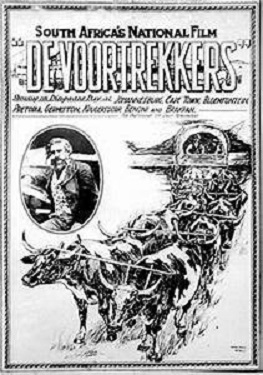
This feature film from 1916 tells the story of South Africa's Boer pioneers in their epic trek across southern Africa in search of new land. It concentrates on the struggle against Zulu inhabitants, which the Boers eventually won at the Battle of Blood River in 1938.
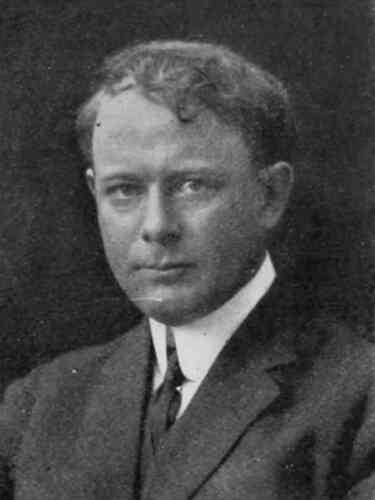
Harold M. Shaw, Gustav Preller
South Africa
To gaze upon De Voortrekkers in the modern era is to witness the very moment a nation’s mythology was calcified into light and shadow. Released in 1916, a year that saw the global cinematic language evolving through works like Snow White and the sociological explorations of Where Are My Children?, Harold M. Shaw’s S...

event

Comparing the cinematic DNA and archive impact of two defining moments in cult history.
Harold M. Shaw
Harold M. Shaw
Community
Log in to comment.
" To gaze upon De Voortrekkers in the modern era is to witness the very moment a nation’s mythology was calcified into light and shadow. Released in 1916, a year that saw the global cinematic language evolving through works like Snow White and the sociological explorations of Where Are My Children?, Harold M. Shaw’s South African epic operates on a scale that few contemporary productions dared to inhabit. It was, for all intents and purposes, the Southern Hemisphere's answer to the sweeping his..."