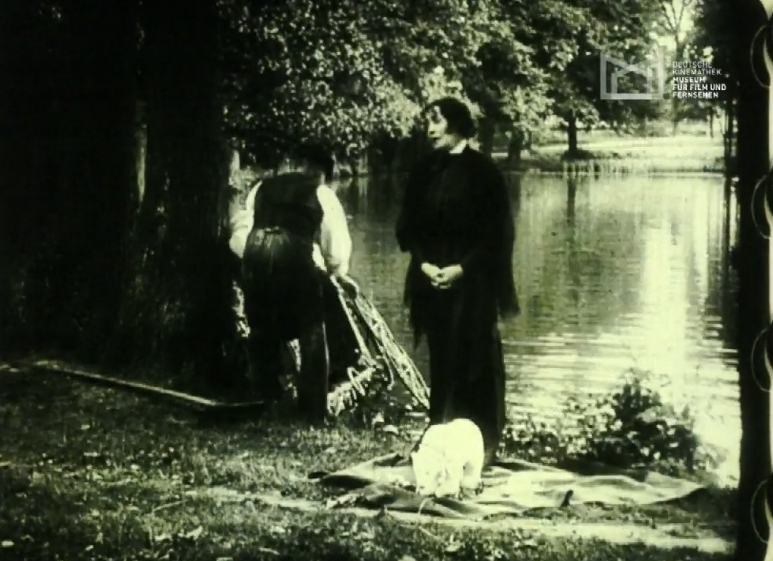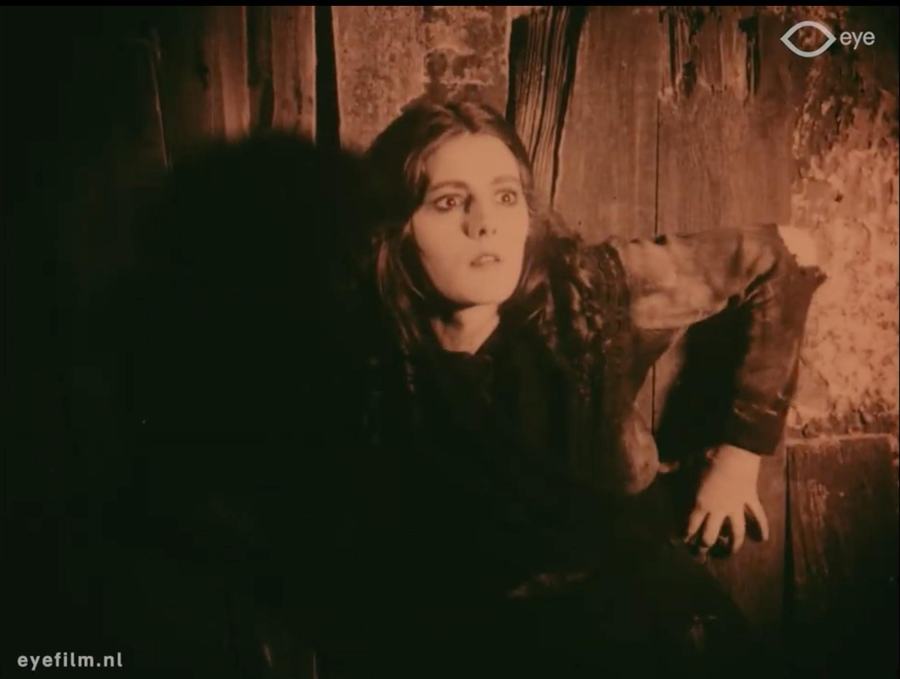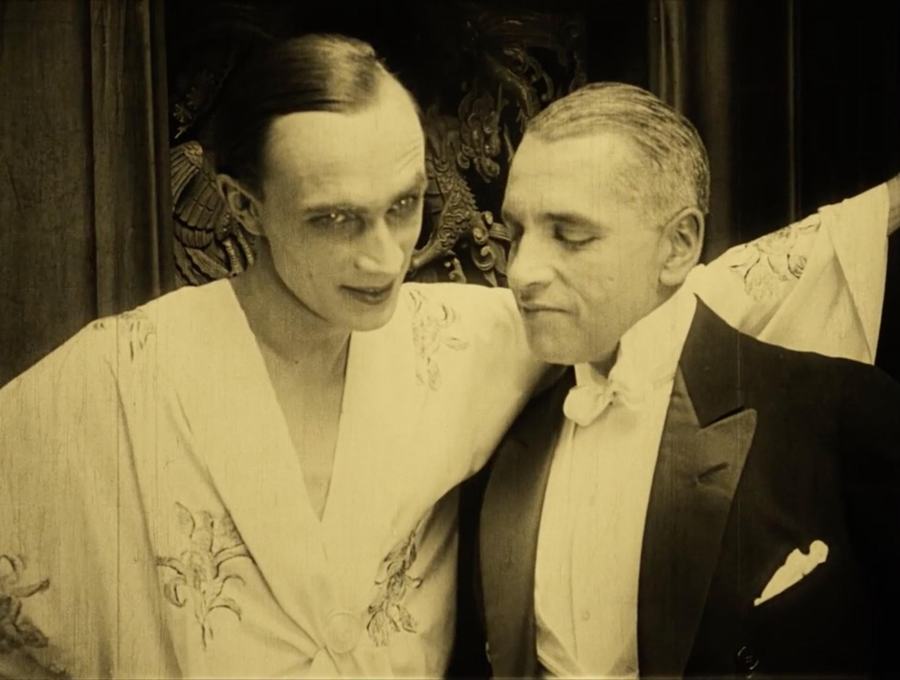
Christian Wahnschaffe, the spoiled son of an industrialist, meets Iwan Becker, a leader in the Russian Nihilist movement. Impressed by Becker's concern for society's weak and poor, Christian develops sympathies for the movement's ideals.
Jakob Wassermann, Bobby E. Lüthge, Paul Georg
Germany
The year 1920 remains a watershed moment in the topography of German cinema, a period where the celluloid medium began to grapple with the visceral trauma of post-war collapse and the burgeoning anxieties of the Weimar Republic. Amidst this cultural ferment, Weltbrand (directed by Urban Gad and written by the formida...
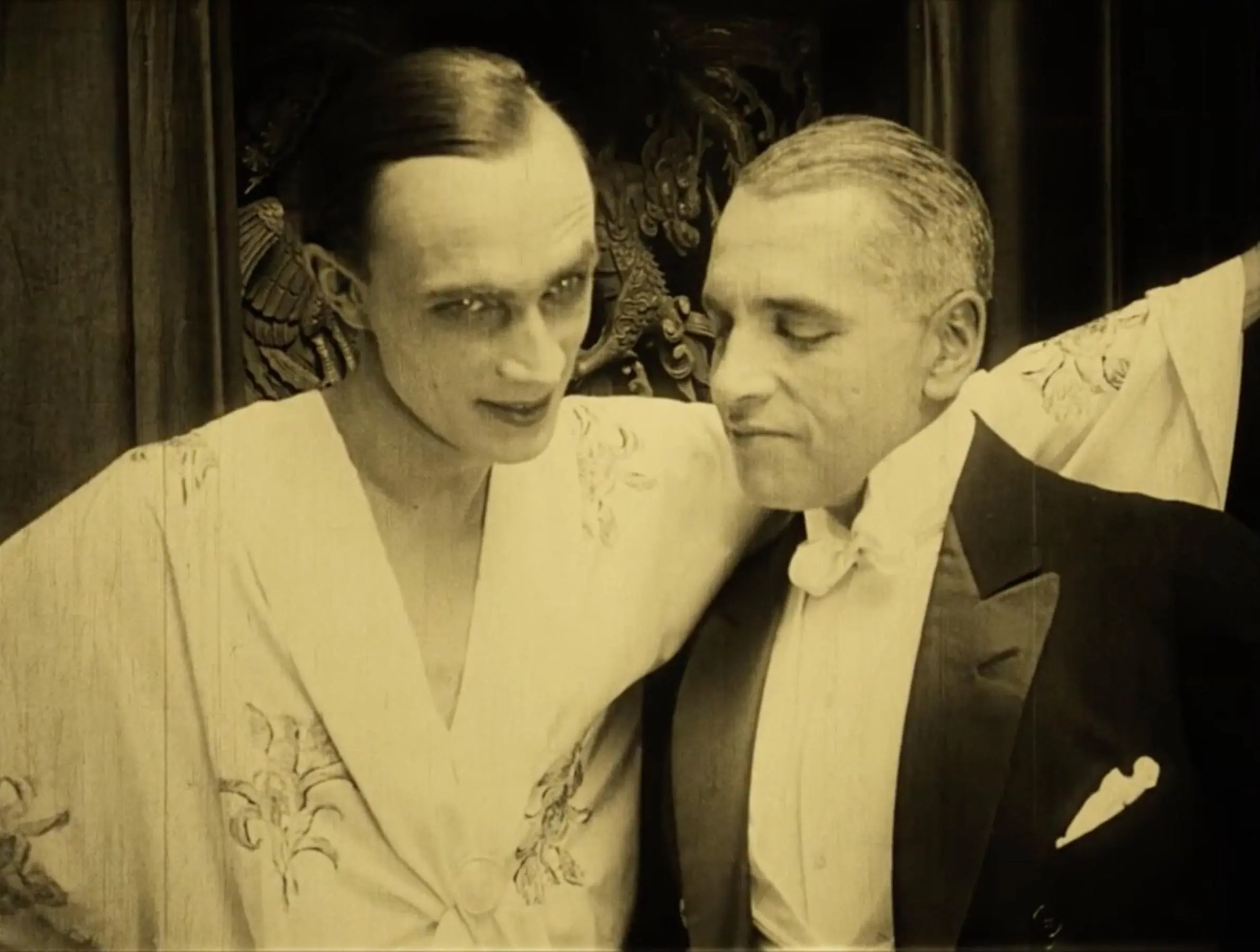
still_frame
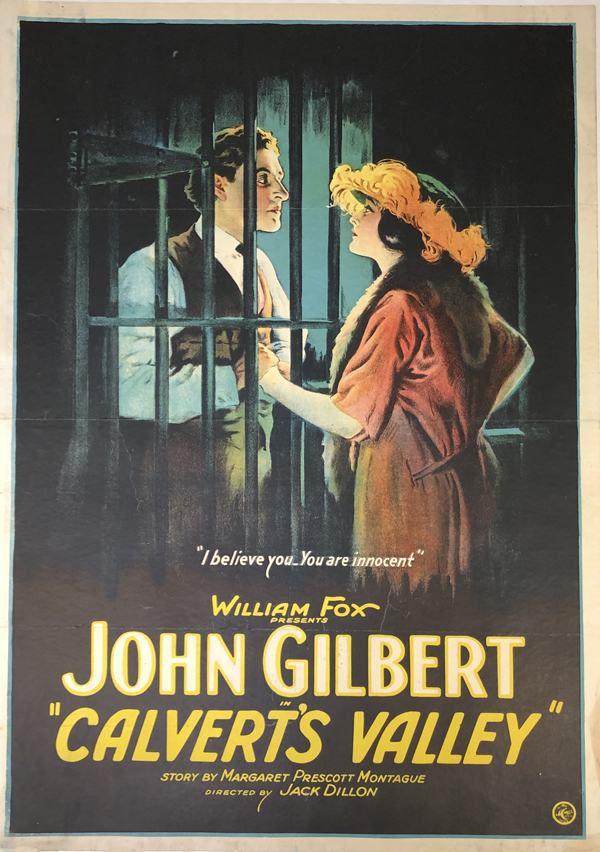
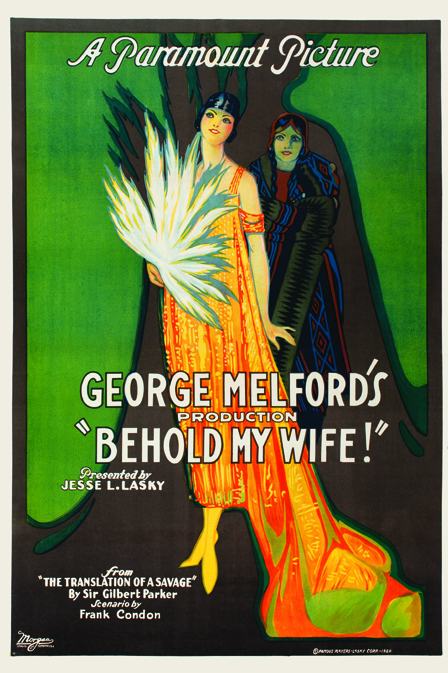
Comparing the cinematic DNA and archive impact of two defining moments in cult history.
Urban Gad
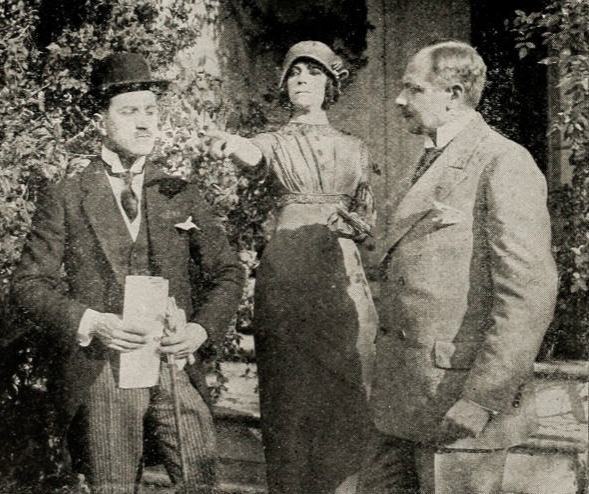
Urban Gad
Community
Log in to comment.
" The year 1920 remains a watershed moment in the topography of German cinema, a period where the celluloid medium began to grapple with the visceral trauma of post-war collapse and the burgeoning anxieties of the Weimar Republic. Amidst this cultural ferment, Weltbrand (directed by Urban Gad and written by the formidable Jakob Wassermann) emerges not merely as a narrative film, but as a sprawling, ideological monolith. It is a work that demands an almost liturgical attention to its nuances of c..."