
Cult Cinema Deep Dive
The Electric Outcast: Decoding the Primal Obsessions and Mechanical Shadows of Cinema’s First Fringe Century
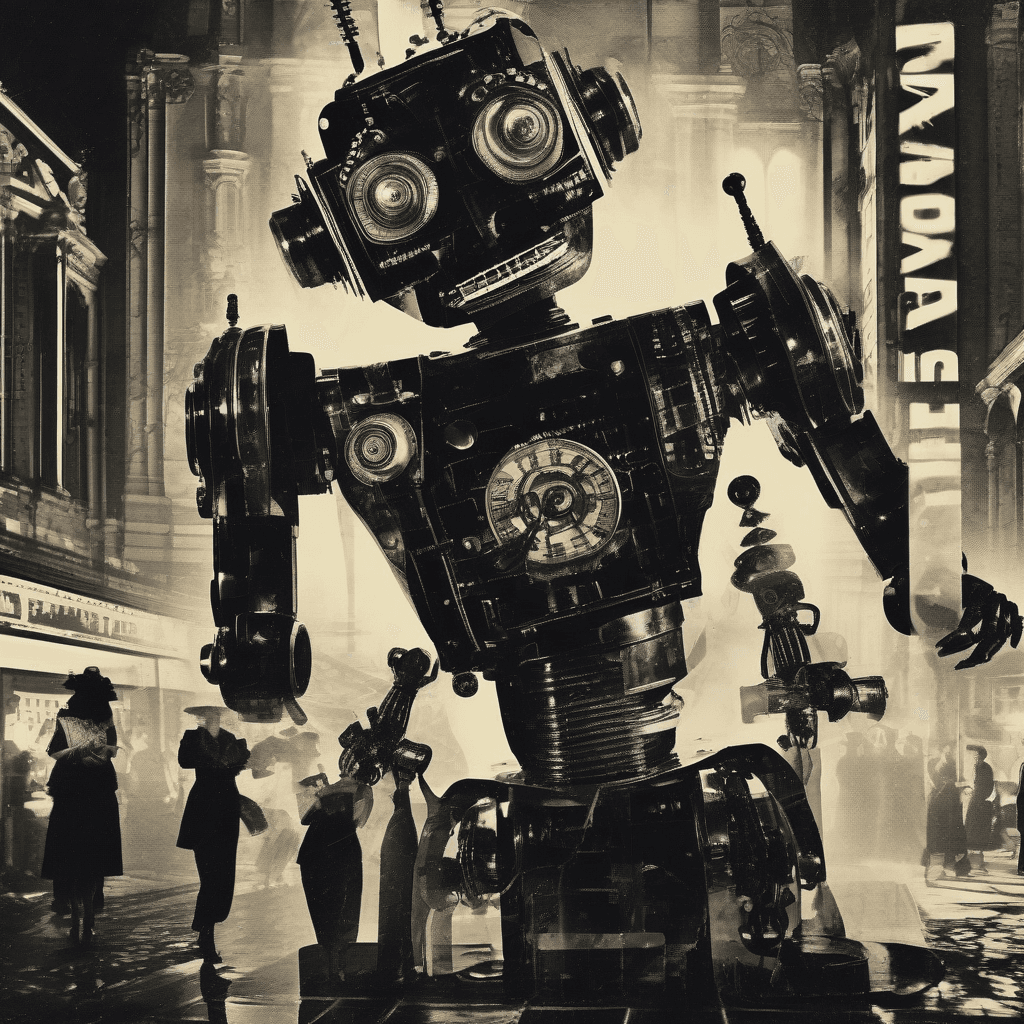
“An exploration into the deep-seated origins of cult cinema, tracing how early 20th-century narratives of obsession, social exile, and mechanical terror birthed the modern midnight movie ethos.”
The genesis of cult cinema is rarely found in the polished halls of the mainstream. Instead, it resides in the flickering shadows of the unconventional, where the narrative of the outcast and the obsession of the auteur collide. To understand why we are drawn to the 'weird' today, we must look back at the first fringe century of filmmaking—a period where the boundaries of social value, mechanical possibility, and moral ambiguity were first tested. From the haunting movements of a dying ballerina to the clanking gears of a remote-controlled man, the seeds of fanatical devotion were sown long before the term 'cult classic' entered the lexicon.
The Mechanical Uncanny and the Birth of Techno-Horror
One cannot discuss the fringe without addressing the early fascination with the artificial. The Mechanical Man (1921) serves as a primal blueprint for the science fiction and horror genres that would later dominate cult circles. This early vision of a remote-controlled entity tapped into a deep-seated anxiety about the loss of human agency. It wasn't just a technical marvel; it was a subversion of the natural order. Similarly, the Italian adaptation of The Monster of Frankenstein (1920) brought the literary grotesque to the screen, cementing the figure of the 'monstrous other' as a central pillar of cinematic obsession. These films didn't just tell stories; they created icons of the uncanny that resonated with audiences who felt out of sync with a rapidly industrializing world.
Obsession as a Narrative Engine
In the realm of cult cinema, obsession is often the primary driver of both character and creator. Consider Umirayushchiy lebed (The Dying Swan, 1917), where a ballerina’s grief becomes the fuel for an artist’s descent into madness. This film encapsulates the 'tortured artist' trope that cult audiences find irresistible—a commitment to vision that transcends sanity. This same thread of unrelenting focus can be found in The Lash of Power (1917), where a man’s obsession with the spirit of Napoleon drives him toward a New York of wealth and dominance. These narratives of singular, often destructive, focus mirror the intensity of the cult fan’s own devotion, creating a symbiotic relationship between the screen and the spectator.
The Social Pariah and the Architecture of Rebellion
Cult cinema has always been a sanctuary for the social outcast. Within Our Gates (1920), directed by the pioneering Oscar Micheaux, is a towering example of cinema as a tool of social resistance. By confronting the shocking past of its protagonist and the harsh realities of racial injustice, the film moved beyond mere entertainment to become a radical document of survival. It challenged the 'social value' of its time, much like Her Social Value (1917) examined the struggles of a salesgirl seeking to better her situation against the backdrop of class rigidity. These films provided a voice for the marginalized, establishing the 'fringe' as a space for political and social transgression.
The Morality of the Misfit
The early century was obsessed with the concept of moral reform and its failures. In One Dollar Bid (1918), we encounter Toby, a 'peculiar young man' who lives on the edges of society, drinking moonshine and whittling toys. The villagers' fear of his influence leads to a revival of an old, cruel law—a classic setup for the 'misunderstood loner' archetype that would later define films from *Edward Scissorhands* to *Taxi Driver*. This exploration of the 'misfit' continues in Saints and Sorrows (1918), where the isolation of a girl living with an alcoholic father creates a somber, atmospheric tension that prefigures the gritty realism of later independent cinema.
Transgressive Rhythms: From Silent Melodrama to Midnight Pulp
The transition from high drama to what we now recognize as 'pulp' is visible in the sensationalist plots of the silent era. Moths (1913) presents a scenario of social sacrifice and forbidden love that feels like a precursor to the heightened emotionality of Douglas Sirk or the transgressive soap operas of John Waters. When a woman marries a Russian to preserve her mother’s honor while loving an opera tenor, we see the 'melodrama of excess' that cult audiences adore. This excess is also found in The Week-End (1920), where a 'high-spirited' girl causes her conventional parents anxiety—a theme of youthful rebellion that would eventually explode in the teenage wasteland films of the 1950s and 60s.
The Landscape of the Renegade
The physical setting of a film often contributes to its cult status, creating a world that feels separate from our own. The Fire Cat (1921) takes us to the Andes, where a renegade Gringo and a 'worshiped' girl engage in a cycle of robbery and revenge. The exoticism and grit of such settings provided an escape for audiences, much like the outlaw-infested trains of Hands Up! (1917). These films established the 'frontier'—both literal and metaphorical—as a place where the rules of society do not apply, and where the 'renegade' can exist as a tragic or heroic figure.
The Hidden Echoes: Short Films and Experimental Seeds
Often, the most radical ideas are found in the shortest runtimes. The Dummy (1920) and Fireworks (1917) represent the experimental fringes of comedy and animation. These shorts allowed for a playfulness and a break from narrative logic that would later influence the surrealist movements and the avant-garde. Even in early war footage like The Battle of the Ancre and the Advance of the Tanks (1917), the raw, unedited imagery of soldiers under fire provided a 'reality' that was far more visceral and haunting than any scripted drama, laying the groundwork for the cult fascination with the 'found footage' and the 'unfiltered' lens.
The Legacy of the Unseen
Many of these films, such as The Master Key (1914) with its tale of 'gold madness' and betrayal, or The Family Closet (1921) with its mystery and libel suits, dealt with the 'hidden' aspects of human nature. They were interested in the skeletons in the closet, the 'cloven tongues' of deceit, and the 'bondage' of social expectation. By shining a light on these dark corners, early filmmakers created a cinematic language of the subterranean. Little Lost Sister (1917) and An Alien Enemy (1918) further complicated these narratives by introducing themes of lost identity and conflicting loyalties, ensuring that the audience's relationship with the screen was never simple or comfortable.
Conclusion: The Eternal Flame of the Fringe
The endurance of cult cinema lies in its ability to remain 'other.' Whether it is the stuttering clerk in Alarm Clock Andy (1920) finding his voice or the desperate father in The Poverty of Riches (1921) choosing financial success over family, these films reflect the fractured, often contradictory nature of the human experience. They are the Pillars of Society (1920) and the Climbers (1919), films that show us the heights of ambition and the depths of the abyss. As we continue to seek out the strange, the forgotten, and the transgressive, we are merely following the trail blazed by these original midnight mavericks. The electric outcast is not a new phenomenon; it is the heartbeat of a century-old rebellion that continues to flicker on our screens, demanding our devotion and our wonder.
Community
Comments
Log in to comment.
Loading comments…