
Cult Cinema, Deep Dive
The Arcane Archive: Decoding Cult Cinema's Hidden Histories and Enduring Devotion

“Cult cinema thrives in the shadows, defying mainstream expectations to forge deeply personal connections with its audience. This article delves into the enigmatic appeal of these cinematic outliers, exploring how their transgressive visions and unconventional narratives cultivate enduring devotion a…”
In the vast, glittering tapestry of cinematic history, certain threads shimmer with an unusual, almost clandestine glow. These are the films that defy easy categorization, reject mainstream embrace, and often languish in obscurity for years, only to be unearthed by a devoted few who transform them into enduring cultural touchstones. This is the realm of cult cinema, a fascinating and multifaceted phenomenon that transcends mere box office success or critical acclaim. It's a universe built on passion, rediscovery, and a shared appreciation for the unorthodox. We delve into the arcane archive of these cinematic treasures, exploring their hidden histories and the profound, almost spiritual, devotion they inspire.

The Unseen Roots of Rebellion: Early Cinema's Maverick Sparks
To truly understand the enduring allure of cult cinema, one must journey back to its nascent roots. Long before the term 'midnight movie' entered our lexicon, the seeds of cinematic rebellion were being sown in the silent era and the tumultuous early decades of sound. Films from this period, often experimental, morally ambiguous, or simply too peculiar for the prevailing tastes, inadvertently laid the groundwork for what would become a global subculture. Imagine a time when the language of film was still being written, where every frame was an exploration, and the boundaries of storytelling were fluid. In this fertile ground, maverick films emerged, not necessarily with the intention of becoming 'cult' but simply by virtue of their unique artistic vision.

Consider the sheer diversity of early cinema, where a melodrama like Jackie or a historical epic such as The Life of Richard Wagner coexisted with slapstick shorts like Dull Care or peculiar genre pieces like The Wild Rider. While many of these films were products of their time, some possessed an inherent transgressive spirit or an unconventional narrative that set them apart. Perhaps it was the raw emotionality of a forgotten drama, the stark realism of a social commentary, or the sheer audacity of a visual experiment. These were the early cinematic anomalies – films that, for whatever reason, didn't quite fit. They might have been critically panned, commercially ignored, or simply lost to time, only to be rediscovered and re-evaluated by later generations seeking something beyond the polished veneer of mainstream entertainment.
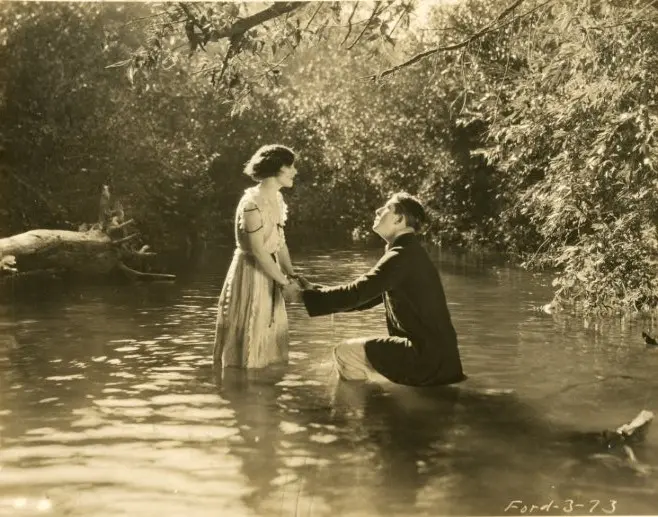
The very act of preserving and appreciating these early, often obscure works, whether it's a Western like Rustlers of the Night or a romantic comedy like Getting Mary Married, mirrors the niche devotion that defines cult fandom. It's an archaeological dig into cinema's past, unearthing forgotten gems that, through the lens of time, reveal unexpected depths and resonate with contemporary sensibilities. These films, far from being mere historical curiosities, embody the proto-cult sensibility: a raw, unfiltered artistic expression that challenges, provokes, and ultimately, connects with a discerning audience.
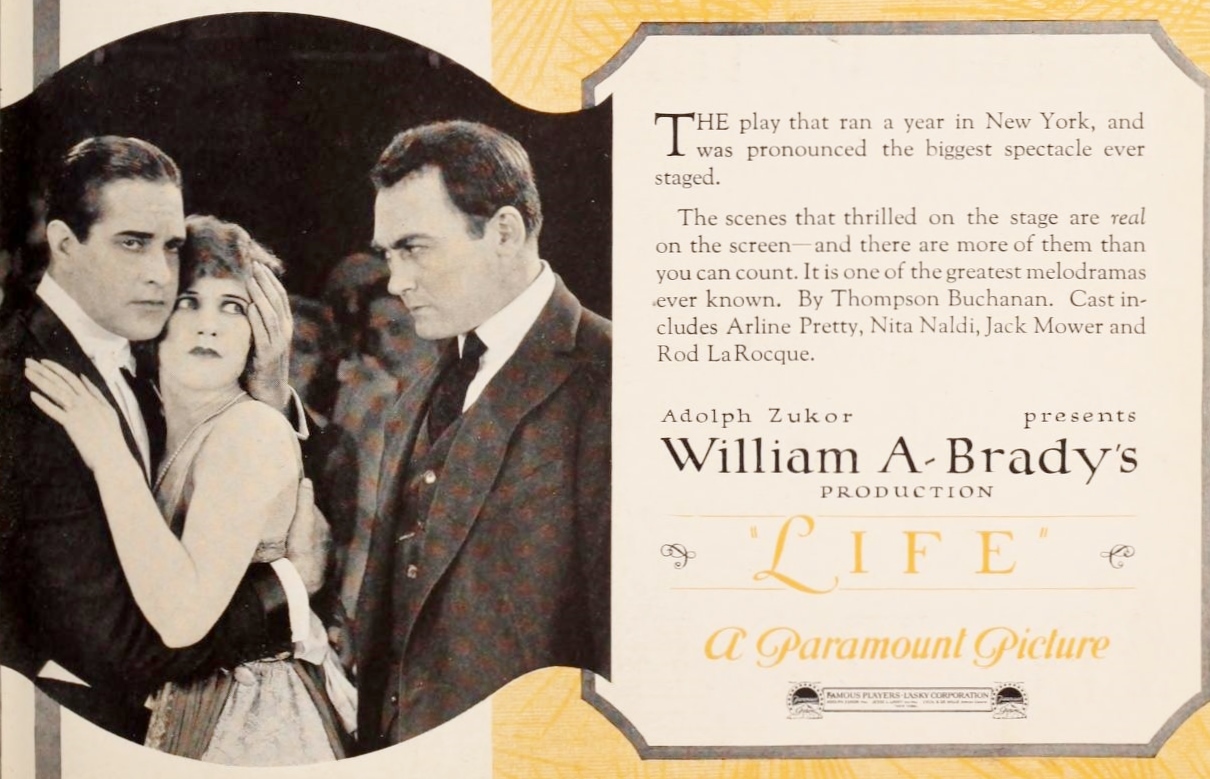
The Art of Defiance: Narratives Beyond the Norm
What truly sets cult films apart is their audacious willingness to defy convention. They are often characterized by transgressive visions, challenging moral boundaries, societal norms, and aesthetic expectations. Mainstream cinema often aims for broad appeal, adhering to established formulas and reassuring narratives. Cult films, conversely, revel in their otherness. They might be shocking, disturbing, bizarre, or simply too earnest for their own good, but they are rarely forgettable once encountered.
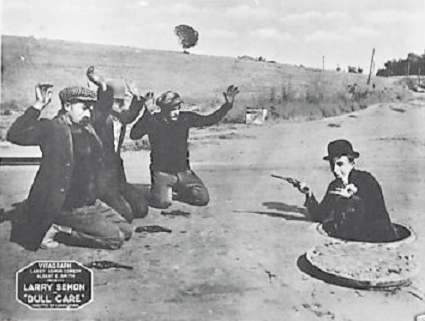
This defiance manifests in myriad ways. Sometimes, it's a stylistic choice, a director's uncompromising auteur vision that pushes the boundaries of visual storytelling. Other times, it's the thematic content itself – exploring taboo subjects, dark psychological landscapes, or satirical critiques that mainstream audiences might find uncomfortable. Films that initially struggled to find an audience often did so because they were ahead of their time, presenting ideas or aesthetics that the public wasn't yet ready to embrace. Take, for instance, films that explored complex relationships or societal hypocrisies; these were often relegated to the cinematic underground, only to be celebrated years later for their courage and foresight.

The unconventional narratives of cult cinema often eschew traditional plot structures, embracing surrealism, non-linearity, or a deliberate ambiguity that invites multiple interpretations. This narrative anarchy can be disorienting for casual viewers but becomes a source of endless fascination for devoted disciples. They pore over every frame, dissect every line of dialogue, and theorize about hidden meanings, transforming the viewing experience into an active, intellectual pursuit. This engagement is a crucial component of cult status, as the film becomes a puzzle to solve, a mystery to unravel, rather than a passive spectacle.

Forging Fandom: The Audience as Architect
While the film itself provides the blueprint, it is the audience that truly constructs the edifice of cult cinema. Unlike blockbusters that are consumed and quickly forgotten, cult films demand participation. They invite repeat viewings, spark passionate discussions, and foster a profound sense of community among their admirers. This is where the magic truly happens: a film, once a solitary artistic statement, transforms into a shared experience, a secret handshake among those who 'get it.'
The phenomenon of midnight movies, which gained prominence in the 1970s, perfectly encapsulates this dynamic. Screenings of films like The Rocky Horror Picture Show became ritualistic events, with audiences dressing up, shouting lines, and actively engaging with the screen. This wasn't just watching a movie; it was performing it, celebrating it, and making it their own. Even without the overt interactivity of a midnight screening, cult films inspire a similar, albeit more internalized, form of audience participation. Fans create art, write fan fiction, organize conventions, and tirelessly champion their beloved cinematic outliers, ensuring their legacy endures.
This enduring devotion isn't accidental. Cult films often tap into universal feelings of alienation, rebellion, or a longing for something 'more.' They speak to the counter-culture, offering narratives that validate alternative perspectives or simply provide an escape into worlds utterly unlike our own. Whether it's the bizarre humor of a forgotten comedy short or the unsettling atmosphere of an early psychological drama, these films create a sense of belonging for those who feel outside the mainstream. The shared love for a film that others might dismiss becomes a powerful bonding agent, forging unbreakable bonds and unique communities united by a common, often idiosyncratic, taste.
The Enduring Echo: Legacy and Rediscovery
The journey of a cult film from obscurity to iconic status is often a slow burn, a gradual process of rediscovery and re-evaluation. Films that were once dismissed as failures or oddities can, over time, gain critical reappraisal and a dedicated following. This evolution highlights a crucial aspect of cult cinema's enduring legacy: its ability to transcend initial reception and find its rightful place in the cultural conversation.
The influence of these subversive films extends far beyond their immediate fandom. Their stylistic innovations, thematic courage, and unconventional approaches often inspire subsequent generations of filmmakers. What was once considered strange or avant-garde can become a recognized artistic technique, filtering into the mainstream and subtly shaping the cinematic landscape. Directors, writers, and artists frequently cite cult classics as formative influences, drawing inspiration from their daring narratives and uncompromising visions. From the early experimental shorts to the more polished, yet still unconventional, dramas like Thelma or Wuthering Heights, these films offer a rich vein of artistic courage and distinct storytelling.
Furthermore, the academic world has increasingly turned its attention to cult films, recognizing their significance in film studies, cultural theory, and sociology. Scholars analyze their reception, their thematic complexities, and their role in shaping audience identity. This academic validation further cements their status as important works of art, proving that commercial success is not the sole arbiter of a film's value. The timeless allure of these films lies in their ability to continue provoking thought, sparking debate, and inspiring new interpretations, ensuring their place in the cinematic underground for decades to come.
Beyond the Frame: The Future of the Arcane Archive
As technology evolves, so too does the landscape of cult cinema. Digital platforms and streaming services have democratized access to countless obscure titles, making it easier than ever for new audiences to stumble upon hidden histories and join existing fandoms. This new accessibility breathes fresh life into old films, allowing for continuous rediscovery and the formation of new communities across geographical boundaries. The spirit of the cult film – that unique blend of artistic integrity, audience connection, and rebellious defiance – remains as vibrant and essential as ever.
Whether it’s an early silent short like Cissy's Financial Flivver that might have once amused a few, or a forgotten drama like Revenge that once stirred local audiences, the principle remains: art that resonates deeply, however niche its initial appeal, finds its tribe. The arcane archive of cinema is not a dusty collection of forgotten relics, but a living, breathing testament to the power of film to challenge, to connect, and to endure. It reminds us that true cinematic greatness isn't always found in the spotlight, but often thrives in the shadows, waiting for the right eyes to discover its singular magic.
Community
Comments
Log in to comment.
Loading comments…