
Cult Cinema
The Architecture of the Abnormal: How Pre-1920 Anomalies Defined the Cult Movie Mindset
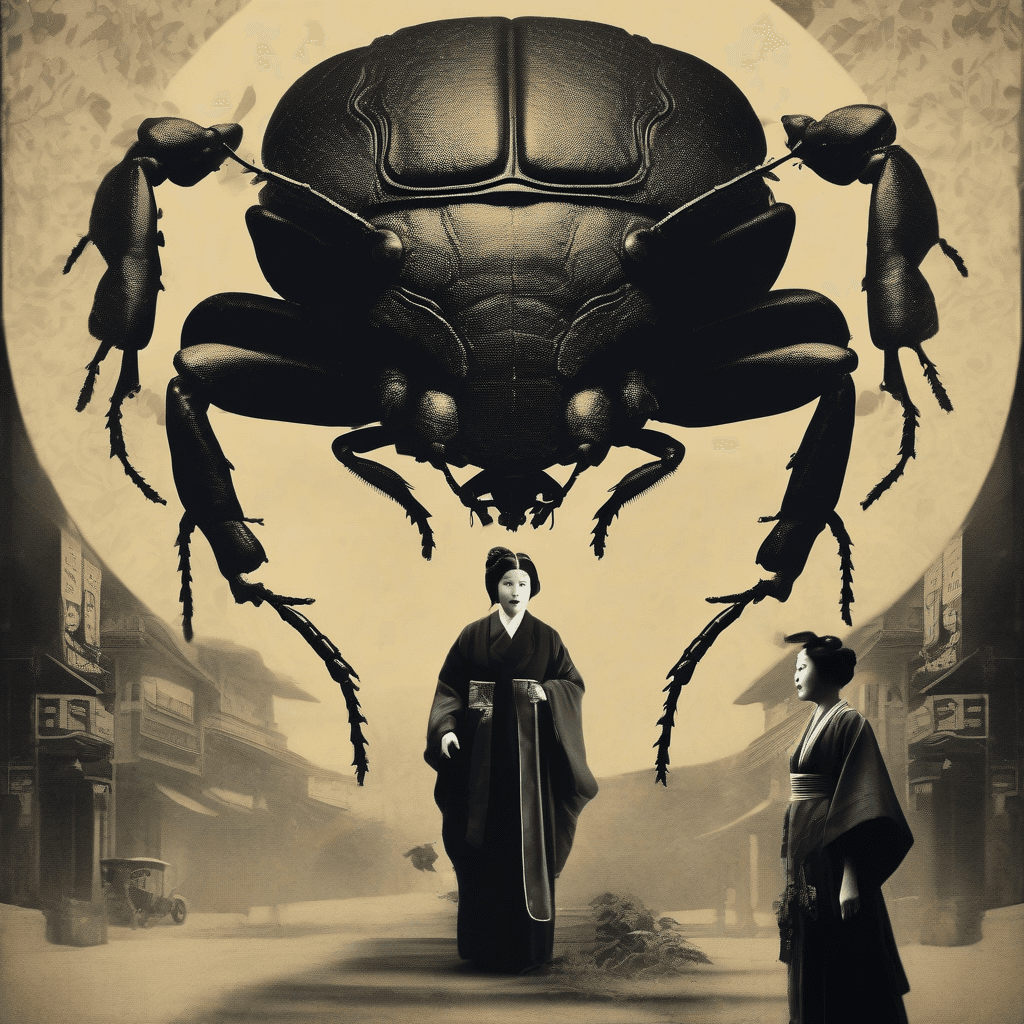
“A deep dive into the primal DNA of cult cinema, exploring how forgotten silent-era oddities like 'The Beetle' and 'Her First Flame' established the rituals of the midnight movie gaze.”
To understand the modern obsession with cult cinema—the kind of devotion that compels audiences to gather in darkened rooms at 3 A.M. to worship at the altar of the strange—one must look beyond the neon-soaked 1970s and the grindhouse 1980s. The true blueprint for the cult gaze was drafted in the flickering, nitrate-scented shadows of the early 20th century. Long before the term 'midnight movie' was coined, a series of cinematic anomalies were quietly rewiring the human brain, teaching us to find beauty in the grotesque, the subversive, and the profoundly weird.
The Supernatural Seed: Horror and the Ancient Other
Cult cinema has always thrived on the 'Other'—the intrusion of the impossible into the mundane. We see this primordial spark in the 1919 classic The Beetle. Long before the Universal Monsters or the Hammer Horror era, this film explored the terrifying concept of an ancient Egyptian princess’s soul possessing a beetle to wreak vengeance on British Parliament. It is a narrative that checks every box of the cult aesthetic: occultism, revenge, and a total disregard for the boundaries of 'prestige' storytelling. By blending political intrigue with supernatural dread, it created a template for the high-concept/low-budget genre hybrids that would eventually define the underground circuit.
Similarly, the 1913 production A Message from Mars offered a proto-science fiction experience that challenged the audience's perception of reality. When a Martian is sentenced to visit Earth to cure a man of his selfishness, the film moves beyond simple morality. It introduces the 'visitor from another world' trope that would later fuel cult icons from *The Man Who Fell to Earth* to *The Rocky Horror Picture Show*. These early films weren't just entertainment; they were experiments in the uncanny, forcing viewers to engage with themes of cosmic justice and extra-terrestrial intervention.
Identity as a Mask: The Cult of Transformation
A recurring theme in cult film history is the fluidity of identity—the idea that the self is a performance. This obsession can be traced back to films like Ansigttyven I (The Face Thief), where the act of disguise and the theft of identity drive the tension. The thief entering the home of Consul Bjørn isn't just a criminal; he is a symbol of the instability of the social order. This sense of 'masking' is a cornerstone of cult fandom, where the audience often dresses as the characters they see on screen, blurring the line between the spectator and the spectacle.
In What Happened to Rosa, we see a store clerk who, spurred by a fortune teller's prophecy, begins to live as a Spanish noblewoman from a past life. This narrative of self-reinvention—of choosing a fantastical identity over a mundane reality—is the very heartbeat of the cult movie experience. It speaks to the escapism that draws marginalized communities to films that celebrate the eccentric and the self-made. Whether it's a clerk becoming a noblewoman or a fan becoming a 'creature of the night,' the DNA of transformation was encoded in the silent era's most whimsical offerings.
Subverting the Social Order: Gender and Power
Perhaps the most shocking example of early subversion is Her First Flame. Released in 1920 but set in the 'futuristic' year of 1950, it depicts a world where women have taken over all traditional male roles, becoming the aggressors in romantic situations and political leaders. This kind of gender-bending satire is a hallmark of the cult genre, which frequently seeks to upend societal norms and challenge the status quo. By presenting a world where Lizzie Hap defeats Minnie Fish in a ballot-box battle for power, the film provided a satirical, sci-fi lens through which to view the burgeoning suffrage movement.
The concept of the social outlier—the 'noble rogue'—is another cult staple seen in The Social Buccaneer. The story of Wong Lee, a pirate who steals from the rich to give to the poor in China, predates the modern anti-hero. Cult audiences have always gravitated toward characters who operate outside the law for a perceived higher moral purpose. This 'maverick spirit' is what connects the early pirates of the silent screen to the vigilantes and rebels of the 1970s counter-culture cinema.
The Melodrama of the Macabre: Blood and Sacrifice
Cult cinema is often defined by its 'excess'—excessive emotion, excessive violence, and excessive stakes. The Honor of His House is a masterclass in this kind of high-stakes melodrama. Involving an island ordeal, an alcoholic doctor, a poisoning count, and a life-saving blood transfusion that costs the donor his life, the film leans into the 'grand guignol' sensibility. It understands that for a story to become a cult object, it must be willing to go to extremes that 'respectable' cinema avoids.
This willingness to explore the darker, more agonizing aspects of human nature is also present in The Testing of Mildred Vane. The plot, involving a doctor who believes he can torment the dead by hurting their living loved ones, is a precursor to the psychological horror and revenge thrillers that dominate midnight screenings today. It taps into a primal, almost superstitious fear that resonates far more deeply than a standard romantic drama. It is this 'dark edge' that ensures a film’s longevity in the underground circuit, as it provides a visceral experience that demands repeated viewings to fully process.
The Geography of the Strange: Exoticism and the Forbidden
Early cinema often utilized 'exotic' locales to create a sense of the forbidden, a tactic that would later be adopted by the 'mondo' and exploitation films of the cult era. A Prisoner in the Harem, with its tale of a woman sold to a Rajah and saved by a loyal tiger, offered a sensory overload of the unfamiliar. Similarly, A Japanese Nightingale explored the life of a geisha running from a lecherous Baron, blending romance with a voyeuristic look at a culture that, at the time, was seen as mysterious and 'other' by Western audiences.
While these films were products of their time, their focus on the 'forbidden' and the 'remote' laid the groundwork for the cult film’s obsession with subcultures and hidden worlds. Whether it's the neon underground of a futuristic Tokyo or the secret rituals of a backwoods cult, the desire to peer behind the curtain of the unknown started with these early silent-era expeditions into the 'exotic.'
The Ritual of the Return: Why We Keep Watching
What truly makes a film a 'cult' film is the ritual of return. Films like The Flight of the Duchess, where a son abandons modern ways to live as a medieval duke, mirror the fan's own desire to abandon the real world for a curated, fictional one. The 'Duchess' who plays along with the medieval fantasy is, in many ways, the first 'cosplayer.' She understands that the power of the image is stronger than the reality of the era.
Even the 'failures' and oddities of the era, like When Do We Eat?—a film about a failing actress in a third-rate production of 'Uncle Tom's Cabin'—contribute to the cult ethos. Cult cinema often celebrates the 'beautiful failure,' the artist who tries so hard that their earnestness becomes a form of transcendence. There is a deep, abiding respect in the cult community for the struggling creator, the person who makes art against all odds, much like the characters in Trying to Get Along or The Adventures of Kitty Cobb.
Conclusion: The Eternal Flicker
The 50 films referenced in this exploration—from the revenge-driven beetles to the gender-swapped futures—are more than just historical footnotes. They are the 'neon fossils' of a cinematic evolution that eventually birthed the modern cult movie. They taught us that the screen is not just a window, but a mirror—one that often reflects our most bizarre, hidden, and subversive desires.
As we sit in the dark today, watching the latest indie darling or a scratched-up print of a forgotten B-movie, we are participating in a tradition that began over a century ago. We are looking for the Secret Strings that pull at our psyche, the Fires of Faith that keep us believing in the power of the strange, and the Shadows that remind us that the most interesting stories always happen after the sun goes down. The cult movie isn't a genre; it is a ghost of the silent era, still haunting our projectors and warping our minds at 3 A.M.
Community
Comments
Log in to comment.
Loading comments…