
Cult Cinema
The Maverick Flicker: Unmasking Cult Cinema's Subversive Soul in the Dawn of Film
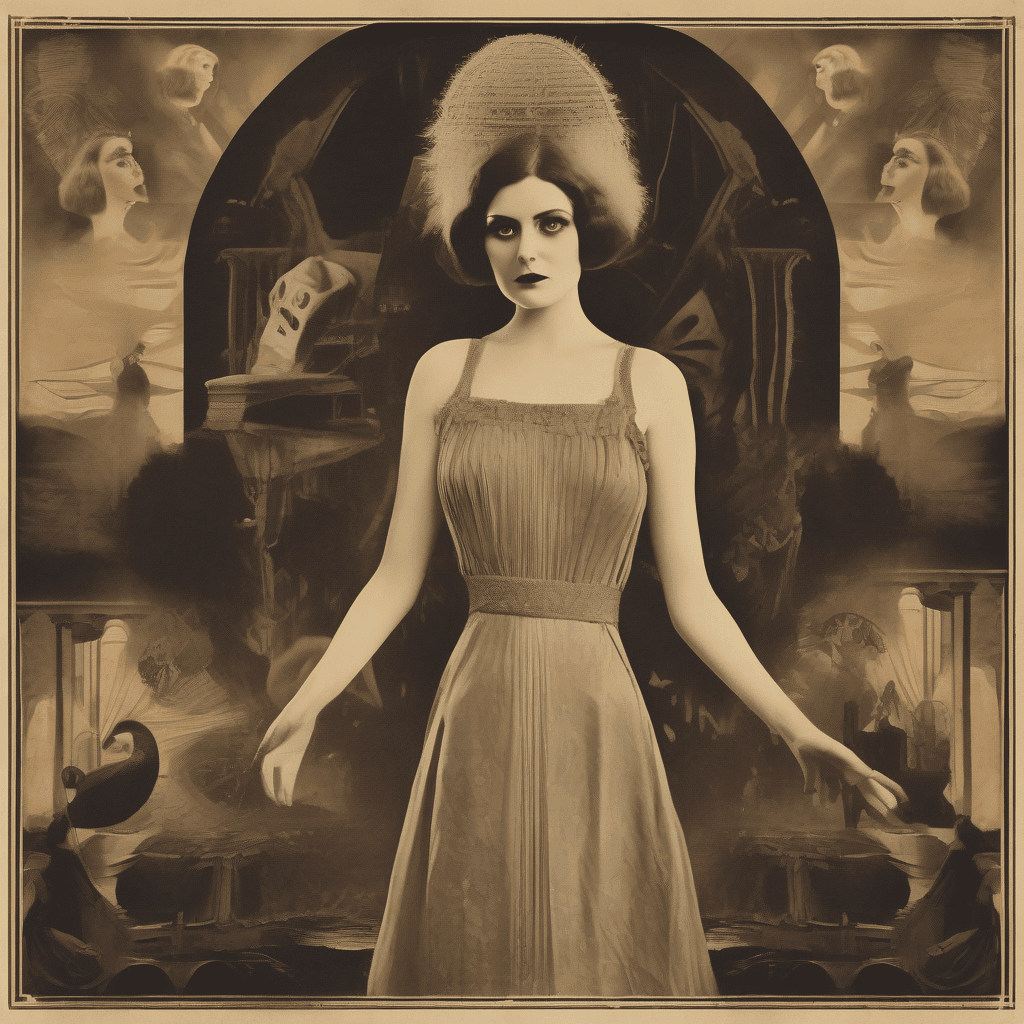
“Cult cinema, often associated with midnight screenings and fervent fanbases, has roots far deeper than commonly imagined. This article explores how the unconventional narratives and transgressive themes of early 20th-century films secretly laid the groundwork for today's most beloved niche obsession…”
Cult cinema, a vibrant, often rebellious corner of the cinematic landscape, conjures images of midnight screenings, passionate fan communities, and films that defy mainstream categorization. We typically associate it with the wild counter-culture of the 1960s and 70s, or the audacious independent films of later decades. Yet, to truly understand the enduring allure of cult films, we must journey back to cinema’s primordial ooze, to the flickering, often forgotten reels of the early 20th century. Long before the term 'cult film' existed, an undeniable 'cult gaze' was already forming, nurtured by the strange, the shocking, and the uniquely compelling narratives that emerged from the nascent art form.
These early cinematic anomalies, many produced between 1900 and 1918, were the proto-cults, the first whispers of a cinematic rebellion. They weren't intended to be 'cult' in the modern sense; indeed, many were dismissed as ephemeral entertainment, curiosities, or even moral threats. But in their very unconventionality, their willingness to tackle taboo subjects, their often bizarre narratives, and their raw, unpolished energy, they seeded the ground for the obsessive, communal, and often defiant spirit that defines cult cinema today. These were the films that whispered secrets from the screen, challenging nascent societal norms and beckoning audiences into a world beyond the conventional, laying the groundwork for what would become a global phenomenon.
The Shock of the New: Cinema as Spectacle and Subversion
At the dawn of the 20th century, cinema itself was a novelty, a moving picture show that captivated and sometimes bewildered audiences. Every flicker was a spectacle, every narrative a fresh exploration of storytelling possibilities. This inherent newness allowed for a freedom of expression that, in retrospect, seems remarkably subversive. Without established conventions, filmmakers were free to experiment, to shock, to provoke, and to entertain in ways that would later be codified and constrained by industry standards. The very act of watching a film was a communal ritual, an experience shared in darkened halls, where the bizarre and the transgressive could take root and flourish. This was an era where the medium was still defining itself, and in that fluidity, the seeds of cult obsession were unknowingly sown.
Consider the simple yet profound impact of films that presented the world in new, often unsettling ways. While not explicitly 'cult' in their original reception, their unique perspectives set them apart. Early shorts, even those depicting everyday life, held a fascination that transcended mere documentation. But it was in the narratives that truly pushed boundaries that we find the nascent cult appeal. These were not just stories; they were experiences, often raw and unrefined, that left an indelible mark on the collective consciousness, forging a pathway for the unconventional to be embraced, even celebrated.
Forbidden Narratives and Taboo Breakers
One of the most striking characteristics of cult cinema is its audacious engagement with taboo subjects, often challenging moral conventions and societal norms. This transgressive spirit was surprisingly present even in early cinema. Films like A Victim of the Mormons (1911) dared to tackle controversial religious themes, depicting a missionary seducing and kidnapping a young woman. While undoubtedly sensationalized and likely fueled by anti-Mormon sentiment of the era, such a narrative would have been profoundly shocking and conversation-starting, drawing audiences eager for forbidden thrills.
Similarly, Europäisches Sklavenleben (European Slave Life, 1912) and Broken Ties (1918) ventured into the fraught territories of social exploitation and racial prejudice. Broken Ties, with its story of a half-black woman raised by a white family, who then loves her adoptive uncle's nephew, would have been exceptionally controversial. These films, regardless of their artistic merit or their problematic portrayals by modern standards, ignited discussions and perhaps even attracted audiences drawn to their scandalous or challenging content. They tapped into anxieties and fascinations that mainstream fare typically avoided, creating a niche appeal for those seeking something 'other.'
The concept of marriage itself was often a site of early cinematic transgression. The Wife He Bought (1918) presents a revenge plot where a man forces a marriage, only for true love to blossom from apparent hatred. This dark premise, subverting traditional romantic tropes, hints at the kind of twisted narratives that would later define cult classics. These narratives, exploring the darker undercurrents of human relationships and societal structures, provided a raw, unfiltered glimpse into the human condition that resonated with audiences seeking more than just simple escapism.
Melodrama, Morality, and the Macabre
Early cinema often exaggerated emotions and moral dilemmas, a characteristic that, when viewed through a modern lens, can feel both earnest and delightfully over-the-top – a key ingredient in many cult films. Films like The Black Chancellor (1917), with its tale of forced marriages and secret lovers, or The Shadows of a Great City (1913), exploring class conflict and a profligate son, used heightened drama to explore universal themes. While perhaps not 'cult' in their initial release, their dramatic intensity and willingness to delve into moral ambiguities paved the way for later films that would be embraced for their unapologetic theatricality.
Even films with seemingly conventional themes sometimes carried an undercurrent of the bizarre or the tragic. The Painted World (1914) explores an actress's intense, almost obsessive mother-love, a theme that could easily veer into the psychological depths favored by cult audiences. The raw emotionality, often unburdened by subtle performance styles, created a powerful, visceral experience that was unique to the medium's early days, fostering a sense of engagement that transcended simple viewership.
The Laughter of the Absurd: Comedy and the Unconventional
Cult cinema isn't solely about horror or transgression; it also thrives on the absurd, the idiosyncratic, and the delightfully offbeat. Early comedies, in their often frantic pacing and reliance on slapstick and mistaken identity, offered a form of escapism that bordered on the surreal. Lunatics in Politics (1915), with its two female candidates whose political rivalry spills into domestic chaos, embodies an early form of anarchic humor. The premise itself, two women running for Chief of Police, might have been seen as unconventional for its time, hinting at a subversive streak beneath the comedic veneer.
Films like Mr. Fix-It (1918) and Officer 666 (1916) reveled in impersonation and disruption, showcasing characters who upended established decorum. This playful defiance of social rules, even in a comedic context, is a hallmark of many beloved cult films. The joy of seeing order collapse, or identities hilariously swapped, resonated deeply, providing a release from the rigidities of everyday life. The ABC of Love (1916), where a woman dresses in men's clothing to trick her fiancé, further exemplifies this early embrace of gender-bending and social masquerade, themes that would later become central to many cult classics.
The Chase and the Comic Chaos
The early cinema's fascination with chases and continuous action also contributed to a kinetic, often bewildering viewing experience. Films like In Pursuit of Polly (1918) and Three Hours Late (1915) capitalized on madcap scenarios, mistaken identities, and relentless motion. This high-energy, often illogical progression of events, where characters are perpetually on the run or entangled in misunderstandings, creates a kind of fever-dream logic that speaks to the heart of cult appeal. It’s not about realism; it’s about the ride, the spectacle of chaos unfolding on screen.
Even short, seemingly inconsequential comedies like Tar Baby (1917) or His Muzzled Career (1917) contributed to this tapestry of the absurd. They demonstrated a willingness to explore simple, often silly premises to their maximum comedic potential, proving that even the most fleeting cinematic moments could leave a lasting, peculiar impression. These were the moments of pure, unadulterated visual gag and narrative playfulness that allowed audiences to suspend disbelief and revel in the sheer joy of the moving image.
Shadows of the Psyche: Early Psychological Intrigue
Perhaps one of the most surprising discoveries in early cinema, when viewed through a cult lens, is the presence of psychological depth and even outright horror. Long before the slasher films or psychological thrillers of later decades, there were films that delved into the disturbed mind. The standout example here is When the Clouds Roll by (1919), which features a psychiatrist attempting to drive a patient to suicide. This is a profoundly dark and disturbing premise for any era, let alone the late 1910s. Such a film would have undoubtedly unsettled audiences, leaving a lasting, uncomfortable impression – a hallmark of truly effective cult horror or psychological drama.
The adaptation of literary works also provided an avenue for exploring complex human emotions and darker themes. Drama na okhote (Drama on the Hunt, 1918), an adaptation of Anton Chekhov’s novel, likely brought a sophisticated yet somber psychological realism to the screen. While not overtly 'cult' in its presentation, the exploration of human weakness, betrayal, and dark desires laid the groundwork for the more nuanced, character-driven cult films that would emerge later. These films proved that cinema could be more than just a fleeting spectacle; it could be a window into the troubled human soul, a place where anxieties and fears could be projected and explored.
Even films focused on ambition and manipulation, like The Boomerang (1919), which depicts a millionaire meat packer's greedy maneuvers, touch upon the darker aspects of human nature. This exploration of moral ambiguity, where characters are driven by less-than-noble intentions, resonates with the anti-hero worship often seen in cult followings. The fascination with the morally compromised, the flawed protagonist, is a timeless appeal that these early films began to tap into, showcasing complex characters who defied simple good-versus-evil dichotomies.
Mavericks and Misfits: Challenging Conventions
Cult cinema often celebrates the outsider, the rebel, and those who dare to live outside societal norms. Early films, perhaps unintentionally, provided a platform for such characters. My Lady Robin Hood (1919) is a fantastic example, featuring a female bandit who steals from gamblers to help a poor family. This inversion of gender roles and class dynamics, portraying a woman as an active, heroic (if criminal) figure, would have been a powerful, perhaps even inspiring, image for audiences of the time, predating many feminist icons in cinema.
The idea of transformation and defying one's given circumstances also appears. Three X Gordon (1918) tells the story of a spoiled, lazy heir who, after being disinherited, decides to reform himself. This narrative of self-reinvention, often against the odds, is a recurring motif in films that resonate deeply with niche audiences. It speaks to the human desire for change, for agency, and for overcoming adversity, even if the journey is fraught with comedic missteps or dramatic trials.
Even the early ethnographic films, like Paul Powell's Indian Life (1918), while potentially problematic in their colonial gaze, represented an attempt to explore and present 'the other' to mainstream audiences. This act of showcasing different cultures, even if through a limited lens, contributed to a broader understanding of the world and perhaps fostered a fascination with the unfamiliar, a curiosity that cult cinema often exploits by presenting alternative realities or perspectives. These films, in their very act of documentation, challenged the insularity of the viewing public, opening doors to new worlds and experiences.
The Grand and the Unconventional
While many early films were shorts, the emergence of 'feature' films allowed for grander narratives and spectacles. Films like Joseph in the Land of Egypt (1914) or Giuditta e Oloferne (Judith and Holofernes, 1909) were ambitious biblical epics, showcasing elaborate sets and large casts. Their scale alone would have been a marvel. While these might seem antithetical to 'cult' status, their very ambition and unique interpretations of well-known stories could have garnered dedicated followers. The sheer spectacle, the attempt to bring grand narratives to life on screen, created a sense of awe and wonder that transcended mere storytelling.
Similarly, films dealing with national identity or historical figures, such as Matija Gubec (1917), about a Croatian peasant revolt leader, or Nabat (1917), which likely alluded to revolutionary themes, resonated deeply with specific cultural or political groups. This kind of niche appeal, where a film speaks directly to a particular demographic or ideology, is a cornerstone of cult followings. These films provided a mirror for collective identity, a canvas upon which shared histories and aspirations could be projected, fostering a sense of belonging among their viewers.
The Birth of the Obsessive Gaze: Why These Films Matter
The films of the early 20th century, from the seemingly innocuous to the overtly scandalous, collectively contributed to the embryonic form of cult cinema. They taught audiences to look beyond the surface, to appreciate the unconventional, and to find fascination in the strange. The raw, experimental nature of early filmmaking meant that many films possessed an inherent oddity, an unpolished charm that, over time, has become a source of profound appreciation for film historians and enthusiasts alike.
The lack of a rigid cinematic language allowed for creative choices that, today, might be deemed eccentric but were simply part of the evolving medium. This unselfconscious embrace of the unusual, the unrefined, and the often emotionally charged laid the groundwork for a cinematic culture that values uniqueness over conformity. Audiences, accustomed to the novelty of the moving image, developed an appetite for the unexpected, a desire for narratives that challenged their perceptions and offered new perspectives.
From the psychological manipulation in When the Clouds Roll by to the social commentary in Broken Ties, from the gender-bending comedy of The ABC of Love to the audacious female outlaw in My Lady Robin Hood, these films represent a diverse tapestry of early cinematic experimentation. They demonstrated that film could be a powerful tool for social critique, psychological exploration, and pure, unadulterated entertainment – often all at once, in a wonderfully chaotic blend.
In conclusion, the spirit of cult cinema did not suddenly materialize in the mid-20th century. It was nurtured in the nickelodeons and early picture palaces, in the gasps and laughter of audiences witnessing the birth of a new art form. These early films, with their transgressive themes, their absurd humor, their psychological depths, and their sheer, unbridled originality, were the true pioneers. They cultivated an audience receptive to the 'other,' eager for the unconventional, and willing to embrace films that defied easy categorization. They are the neon fossils of cult cinema, their flickering images still capable of warping minds and sparking obsession, proving that the magic of the midnight movie has always been there, just waiting to be rediscovered. As film journalists and enthusiasts, it is our duty to unearth these forgotten gems and celebrate their enduring, maverick spirit, ensuring that the primal pulse of cult cinema continues to beat strong for generations to come.
Community
Comments
Log in to comment.
Loading comments…