
Cult Cinema
The Unofficial Canon: How Early Cinema's Peculiar Gems Paved the Way for Cult Film Obsession
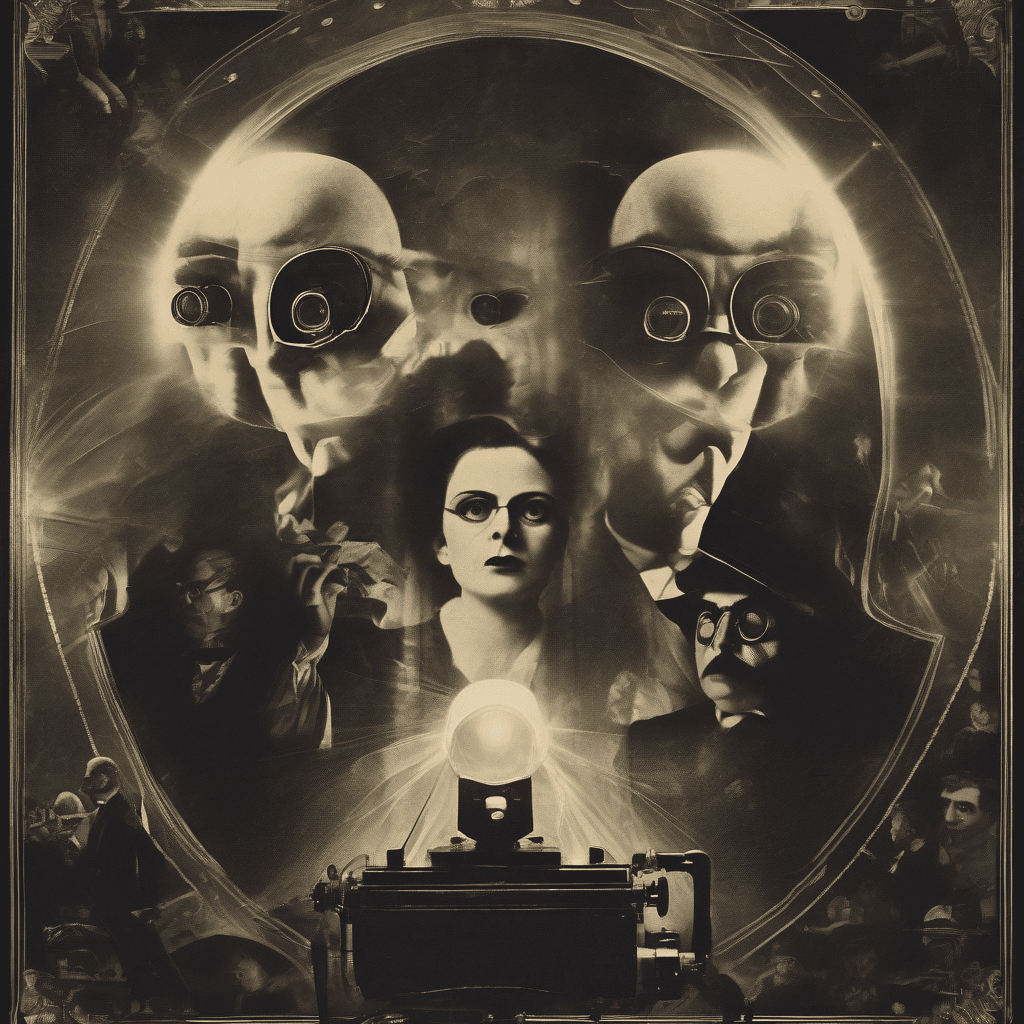
“Dive into the forgotten history of cult cinema, tracing its enigmatic origins back to the silent era's strange spectacles and unconventional narratives that captivated audiences long before 'midnight movies' became a phenomenon.”
Cult cinema. The very phrase conjures images of midnight screenings, fervent fan communities, obscure VHS tapes, and films that defy easy categorization. These are the cinematic rebels, the outcasts, the misunderstood masterpieces that find their true home in the hearts of dedicated cinephiles rather than on mainstream marquees. Yet, the roots of this enduring obsession run far deeper than the counter-culture explosion of the 1960s or the grindhouse circuits of the 1970s. To truly understand the allure of cult cinema, we must journey back to its primordial flicker, to an era when cinema itself was a peculiar novelty, and every projection held the potential for the bizarre, the transgressive, and the utterly unforgettable.
Long before the term 'cult film' existed, the seeds of this unique cinematic phenomenon were sown in the fertile, chaotic ground of early filmmaking. The films of the late 19th and early 20th centuries, often short, experimental, and unburdened by established narrative conventions, inadvertently created the blueprint for what would become the cult film psyche. These primitive projections, from industrial documentaries to melodramatic shorts, were the original anomalies, watched with a mixture of wonder, confusion, and sometimes, a nascent form of obsessive fascination.
The Dawn of the Anomalous: When Cinema Was Pure Spectacle
In cinema's infancy, every moving image was a spectacle. Audiences flocked to nickelodeons and vaudeville houses to witness the impossible: trains rushing towards them, workers leaving a factory, a simple kiss. There was no 'mainstream' in the way we understand it today; every film was, in a sense, an outlier. This era, roughly from the 1890s through the 1910s, was a wild west of filmmaking, where innovators experimented with narrative, special effects, and genre. It was here that the initial DNA of cult cinema began to form.
Consider the sheer diversity of early cinematic output. Some films captured mundane reality, like Brownie's Doggone Tricks, a short comedy that, while seemingly innocuous, showcased a kind of quirky, almost surreal humor. Others delved into more dramatic territory, such as The Sphinx, a tale of familial betrayal and forbidden love, or The King of Diamonds, a story of revenge and mistaken identity. These weren't 'cult films' in the modern sense, but their willingness to explore unusual plots, moral ambiguities, and heightened melodrama set a precedent. They hinted at a world beyond the polite, conventional narratives that would later dominate Hollywood.
The very act of watching these early films was a communal, almost ritualistic experience. Audiences would gather, often in dimly lit, makeshift theaters, to collectively gasp, laugh, or recoil. This shared experience, this collective immersion in a world of moving shadows, is a direct ancestor of the midnight movie ritual, where fans gather to celebrate and dissect their favorite unconventional films. The novelty factor, the sheer wonder of seeing life unfold on screen, meant that even the simplest shorts could generate a profound, almost hypnotic gaze.
Narratives of the Fringe: Characters That Challenged Norms
As cinema evolved beyond mere actualities, it began to tell stories, and with stories came characters. Early films, perhaps due to less rigid censorship or a nascent understanding of character archetypes, often featured protagonists who were far from conventional heroes. These were the outcasts, the rebels, the morally ambiguous figures who would later become staples of underground film and cult classics.
Films like My Lady Robin Hood presented a female bandit, stealing from the rich (gamblers) to give to the poor, a clear precursor to the anti-establishment figures celebrated in later cult cinema. Similarly, Protéa, with its daring female spy on a dangerous mission, offered a strong, independent woman in a genre typically dominated by men. These characters, in their defiance of gender norms or societal expectations, resonated with certain segments of the audience, offering glimpses of agency and rebellion.
The struggles of the downtrodden and the morally compromised were also prevalent. Mouchy, an orphan forced into a difficult life, or the harrowing experiences depicted in The Two Orphans, explored themes of poverty, exploitation, and resilience. These melodramas, while aiming for emotional impact, often presented stark realities and complex moral dilemmas that challenged viewers. Even seemingly straightforward dramas like Wild Youth, depicting a young woman forced into a cruel marriage, hinted at the darker undercurrents of society, a theme frequently explored in subversive storytelling.
Then there were the narratives of identity and deception. Alias Mrs. Jessop, with its identical cousins and tangled web of mistaken identity, or The Man Who Turned White, about a man embittered by injustice who becomes a leader of outlaws in the desert, showcased characters grappling with their place in the world, often outside the bounds of conventional society. This fascination with identity, transformation, and the 'other' is a hallmark of the cult film experience.
The Seeds of Subversion: Genre Bending and Transgression
Early cinema was a melting pot of genres, often blending elements in ways that would feel jarring to modern audiences but were perfectly natural in an era of experimentation. This genre fluidity, this willingness to push boundaries, is another key component of cult film's enduring appeal. The films weren't always designed to fit neatly into categories; they simply told their stories, however strange or unconventional they might be.
Supernatural and macabre elements, which would later become central to horror cults, made early appearances. Life Without Soul, a Frankenstein-esque tale of creating life from a statue with disastrous results, is a prime example of early cinematic horror and a precursor to countless monster movies and sci-fi cults. The very title Occultism suggests an early fascination with the mysterious and forbidden, a theme that has captivated niche audiences for decades.
Social commentary and moral transgressions, often veiled in melodrama, were also explored. Films like Sapho, depicting the struggles of a woman from the Parisian slums who becomes a courtesan, or The Sin of a Woman, explored societal judgment and the complexities of female agency in a restrictive world. These narratives, while perhaps intended as cautionary tales, often inadvertently celebrated the resilience and defiance of their 'sinful' protagonists, creating a subtle counter-culture appeal.
Even the more straightforward action and Westerns of the era contained elements that would resonate with cult followers. Six-Shooter Andy and Six Feet Four, with their tales of frontier justice and mistaken identity, offered visceral thrills and morally ambiguous heroes. The idea of a strong female lead navigating the rugged West in South of Santa Fe or a determined woman fighting food profiteers in Tempest Cody Bucks the Trust, showcases a spirit of independence and rebellion that transcends genre and time, forming a core part of the cult film aesthetic.
From Fleeting Glimpses to Enduring Obsession: The Rise of Fandom
The journey from these early cinematic curiosities to the modern cult film phenomenon is one of evolving audience engagement. In the early days, the sheer novelty of moving pictures meant that every film was an event. As cinema matured, however, certain films, for various reasons, failed to capture the broad appeal of the mainstream but found a devoted following in smaller, more dedicated circles. This is where the true genesis of cult obsession lies.
Films that were perhaps too strange, too experimental, too morally challenging, or simply too ahead of their time, often languished in obscurity before being rediscovered by passionate fans. Imagine the early viewers of The Testing of Mildred Vane, with its bizarre premise of tormenting the dead through their loved ones, or the psychological drama of The Shadow of Her Past. These weren't 'blockbusters'; they were unique experiences that demanded a certain kind of audience — one willing to delve into the unconventional.
The concept of ritual viewing, so central to cult cinema, also has its precursors here. While not yet organized midnight showings, the repeated visits to nickelodeons, the discussions about particular scenes or characters, and the shared excitement over a particularly shocking or unusual film, all contributed to a nascent fan culture. The desire to see something different, something that challenged expectations, was a powerful draw. Even seemingly innocuous comedies like What's Your Husband Doing?, with its farcical suspicions of infidelity, or the lighthearted romance of Gretna Green, could foster a sense of shared enjoyment and community among those who appreciated their particular charm.
The very act of preserving and rediscovering these early films today contributes to their cult status. Many were considered disposable, lost to time or neglect, only to be resurrected by archivists and film historians. This scarcity, this sense of unearthing a hidden treasure, fuels the cult film collector's passion. Films like The World Apart, a mining drama with familial conflict, or A Little Brother of the Rich, exploring class and ambition, might not have been widely celebrated in their time, but their survival and rediscovery allows them to be appreciated through a new, cult-sensibility lens.
The Legacy Lives On: From Silent Oddities to Midnight Classics
The legacy of these early cinematic anomalies is undeniable. They demonstrated that audiences craved more than just polished narratives; they desired the strange, the unsettling, the unique. They proved that films could provoke, challenge, and unite viewers in a shared experience that transcended mere entertainment. Without the experimental spirit of films like Der Onyxknopf or the psychological depth of Winning Grandma, the cinematic landscape would be far less rich.
The very freedom of early filmmaking, born from a lack of rigid industry standards, allowed for a creative wildness that, by today's metrics, often feels inherently 'cult.' From the dramatic intensity of Medea di Portamedina to the adventurous spirit of The Pool of Flame, these films, in their uninhibited exploration of human experience, laid down the foundational archetypes of cult cinema: the anti-hero, the femme fatale, the rebel, the visionary, the outcast.
The ability of cinema to transport, to shock, to mesmerize, was present from its earliest days. Whether it was the raw spectacle of a boxing match, the kinetic energy of a factory floor, or the emotional turmoil of a melodrama, these primitive projections fostered a deep, often irrational attachment in certain viewers. This attachment, this cinematic obsession, is the beating heart of cult film culture.
In conclusion, cult cinema is not a modern invention but a deeply ingrained aspect of film history, evolving from the very first flickering images. The seemingly disparate collection of early films – from grand melodramas to simple shorts – collectively formed an unofficial canon, a hidden blueprint for the unconventional narratives, transgressive themes, and unique characters that would define cult films for generations to come. They remind us that the allure of the strange, the powerful pull of the peculiar, has always been a fundamental part of the cinematic experience, drawing audiences into a world where the rules are rewritten and the outsiders reign supreme.
Community
Comments
Log in to comment.
Loading comments…