
Cult Cinema
The Alchemical Shadow: Tracing the Pre-War Subversions That Engineered Cult Cinema’s Rebel Soul
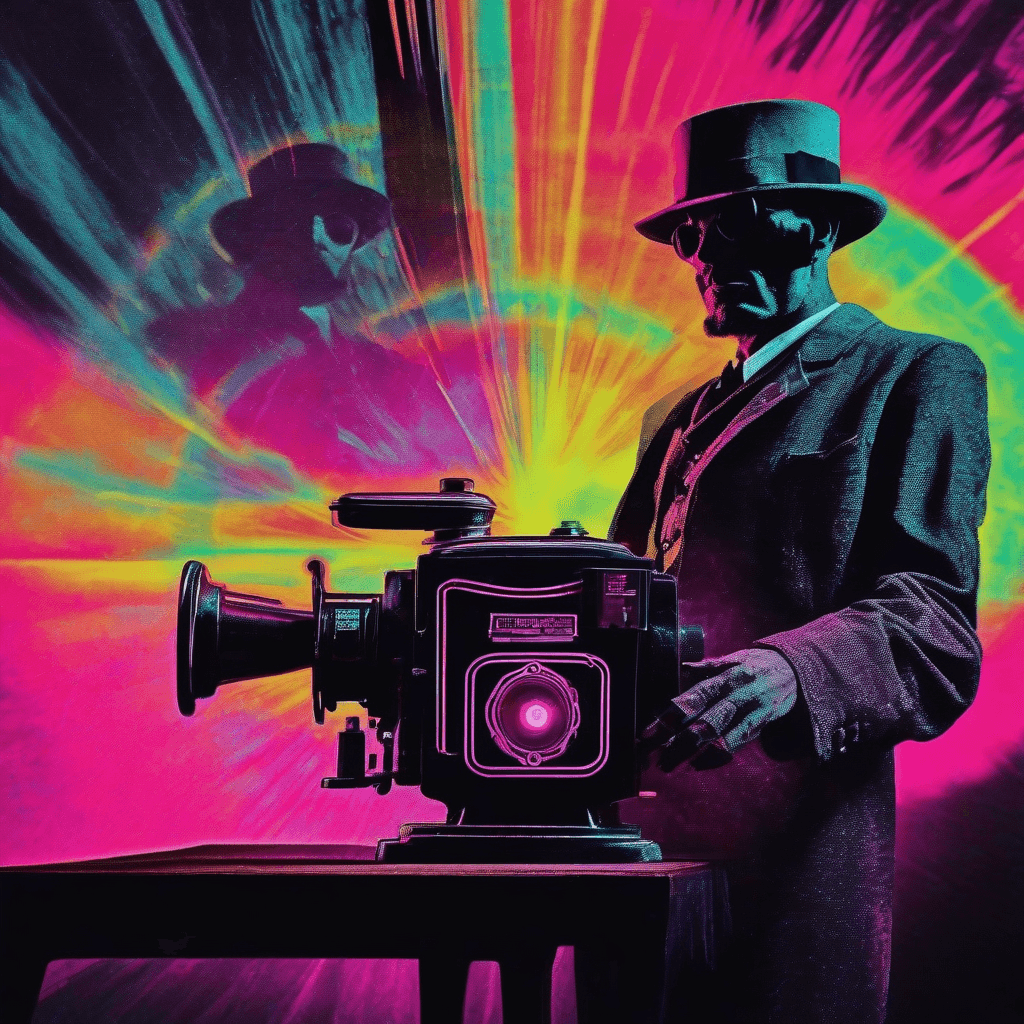
“A deep-dive investigation into how the transgressive narratives and visual anomalies of the 1910s silent era provided the foundational DNA for modern cult movie obsession.”
The history of cult cinema is often erroneously dated to the midnight movie craze of the 1970s, a neon-soaked era defined by the likes of El Topo and Pink Flamingos. However, to truly understand the genesis of the cult gaze, one must look further back into the flickering, nitrate-fueled shadows of the early 1910s. This was an era of cinematic lawlessness, a period where the medium was still defining its boundaries, and in that vacuum of convention, the first seeds of niche obsession were sown. From the psychological explorations of addiction to the surrealist leanings of early horror, the silent era provided a blueprint for the transgressive that continues to haunt modern screens.
The Transgressive Spark: Addiction and Taboo
At the heart of any cult film lies the element of transgression—the willingness to peer into the dark corners of the human experience that mainstream society would rather ignore. In the mid-1910s, filmmakers were already experimenting with these forbidden themes. Consider The Spirit of the Poppy, a psychological study of drug addiction that predates the 'trip' movies of the 1960s by half a century. By centering the narrative on the internal decay caused by the 'poppy,' the film invited a specific kind of voyeuristic fascination that defines the cult experience. It wasn't just entertainment; it was a warning and a spectacle, a duality that cult audiences have always craved.
Similarly, A Victim of the Mormons tapped into the era's social anxieties, using a narrative of kidnapping and religious seduction to create a sense of 'otherness' and fear. This film, and others like it, established the 'forbidden' nature of cult cinema. They were films that felt dangerous to watch, films that existed on the periphery of the polite, nickelodeon-going public. This sense of being 'in the know' about a dark secret is the primary currency of the cult fan, and it was minted in the 1910s.
The Melodrama of the Outcast
Cult cinema has always been a sanctuary for the disenfranchised, the weird, and the misunderstood. The silent era’s focus on the 'outcast' archetype provided a rich vein of inspiration for later subcultures. In Princess of the Dark, we see the squalor of a mining town and the isolation of a consumptive father and daughter. This aesthetic of poverty and despair, when filtered through the poetic lens of early cinema, created a romanticized marginalization. It allowed audiences to find beauty in the 'squalid,' a hallmark of the cult aesthetic that would later manifest in the works of directors like John Waters or Todd Solondz.
The narrative of the 'fallen woman' or the 'struggling artist' also played a significant role. The Heart of a Painted Woman and The Painted Madonna explored the duality of the city—a place of professional dreams and moral nightmares. These films, often focusing on women like Martha Redmond who leave small towns only to find themselves modeling for 'prominent artists' or hiding 'guilt' in the city, established the trope of the urban fever dream. They depicted a world where the lines between virtue and vice were blurred, a moral ambiguity that is essential to the cult film’s rejection of binary storytelling.
The Birth of the Genre Hybrid
One of the most defining characteristics of cult cinema is its refusal to stay within the lines of a single genre. The 1910s were a masterclass in genre-bending. Alraune und der Golem represents an early intersection of science fiction and folklore, a combination that would eventually lead to the high-concept cult classics of the 1980s. By merging the artificial life of the Golem with the botanical horror of Alraune, early filmmakers were creating chimeric narratives that defied easy classification.
We also see the beginnings of the 'action-comedy' and the 'surreal-adventure' in titles like Flirting with Fate. The premise—a man hiring a murderer to kill him during a bout of depression, only to change his mind—is pure black comedy. It is a narrative of existential absurdity that feels remarkably modern. This tonal whiplash—moving from deep despair to high-stakes chase—is exactly what keeps cult audiences coming back to films that 'don't know what they want to be.'
The Spectacle of the Strange: Early Experimentalism
Before the term 'avant-garde' was fully codified, early cinema was experimenting with visual storytelling in ways that were inherently 'cult.' Moon Madness (Zora’s longing for a French artist while raised by Bedouins) and Rübezahls Hochzeit (a mountain spirit infatuated with an elf) show an obsession with the ethereal and the fantastic. These films weren't just stories; they were visual séances, attempting to capture the impossible on celluloid.
The use of location and travel as a form of spectacle also contributed to the cult of the 'exotic.' Around the World in 80 Days and Assisi, Italy offered audiences a glimpse into worlds they would never visit. For the early filmgoer, these were not just travelogues; they were windows into a larger, stranger reality. This desire to be transported to a 'niche' or 'hidden' world is a fundamental driver of the cult movie experience, whether that world is a distant planet or a subculture within our own city.
The Archive of the Lost and the Rare
Part of the allure of cult cinema is the difficulty of access. In the silent era, this was not a marketing tactic but a tragic reality of the medium. Many of the films from this period, such as The Midnight Patrol or Lost: A Bridegroom, exist now only as fragments or titles in an archive. This 'lost' status creates a mythology of the missing reel. For the cult historian, the search for a complete print of The Grasp of Greed or the full bio-pic of The Life Story of David Lloyd George becomes a ritual in itself.
This scarcity breeds a specific kind of devotion. When a film is rare, every frame becomes a relic. The grainy textures, the nitrate decay, and the missing intertitles of films like Severo Torelli or Veritas vincit add a layer of 'hauntology' to the viewing experience. We aren't just watching a movie; we are witnessing a ghost. This spectral quality is something that modern cult filmmakers often try to replicate through artificial grain and lo-fi aesthetics, but it was born out of the physical fragility of early 20th-century film stock.
Ritualism and the Audience: From Nickelodeon to Midnight
Finally, we must consider the audience. Cult cinema is defined by the ritual of the viewing experience. In the 1910s, the cinema was a social hub, but it was also a place where the 'unnaturalness of existence' was explored, as noted in the description of The Night Workers. The idea of the 'night worker'—those who exist while the rest of the world sleeps—is the perfect metaphor for the midnight movie audience. These are the people who seek out the strange when the sun goes down.
The repetitive nature of early film exhibition, where shorts like Looney Lions and Monkey Business or Submarines and Simps would play on loops, encouraged a kind of obsessive re-watching. Fans would return to see their favorite gags or stunts, much like modern fans return to screenings of The Rocky Horror Picture Show. This transition from 'novelty' to 'ritual' is the final bridge between the silent era and the modern cult canon.
Whether it is the gritty underworld of The Midnight Patrol, the boxing ring drama of From Broadway to a Throne, or the whimsical tomboy antics of A Bunch of Keys, the diversity of the 1910s output ensured that there was something for every niche. This fragmentation of the audience into specific interest groups is the very definition of a cult. By providing a home for the 'harem-scarem tomboy' and the 'escaped convict' alike, early cinema ensured that the rebel spirit of film would never truly be tamed by the mainstream.
Conclusion: The Eternal Flicker
As we look back at these 50 formative films, we see more than just historical curiosities. We see the DNA of the anomalous. We see the origin of the 'midnight movie' in the 3 A.M. fever dreams of early directors who weren't afraid to be weird, dark, or confusing. The silent era didn't just invent the moving image; it invented the obsessive gaze that makes cinema a religion for the few rather than just a pastime for the many. The alchemical shadow of the 1910s continues to flicker, a reminder that before the cult was cool, it was a flickering light in a very dark room.
Community
Comments
Log in to comment.
Loading comments…