
DbcultAccessing Vault...
Director's Spotlight
Senior Film Conservator
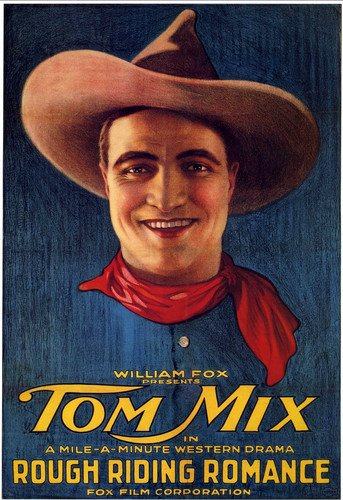
Director's Spotlight: United States
A Deep Dive into the 1919 Vision of Arthur Rosson
Analyzing Rough-Riding Romance (1919) requires a deep dive into the defining moment in cult history that Arthur Rosson helped create. Defining a new era of United States artistic expression, it transcends regional boundaries to tell a universal story.
In Rough-Riding Romance, Arthur Rosson pushes the boundaries of conventional narrative. The film's unique approach to its subject matter has sparked endless debates and interpretations among cinephiles and critics alike.
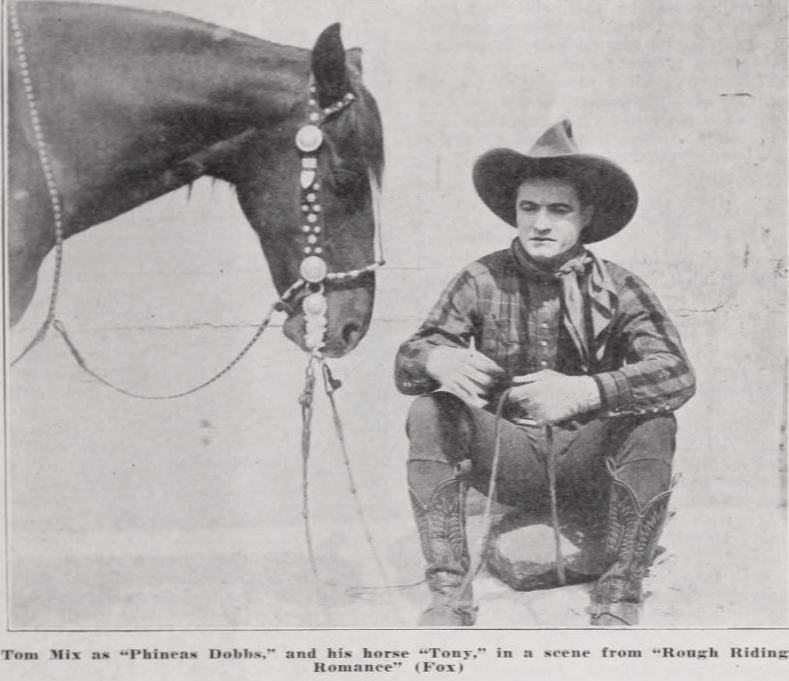
In this work, Arthur Rosson explores the intersection of cult and United States cultural identity. The meticulous attention to detail suggests a deep-seated commitment to pushing the boundaries of the medium, ensuring that Rough-Riding Romance remains a relevant topic of study for cult enthusiasts.
| Cinematography | Static |
| Soundtrack | Orchestral |
| Editing | Invisible |
| Art Direction | Kitsch |
Visualizing the convergence of Arthur Rosson's style and the core cult narrative.
Dreamer dairyman Phineas Dobbs of Cow Hollow suddenly acquires a fortune when oil is discovered on his ranch, and celebrates by throwing a party for the whole town. One day a young woman comes to town, delayed by train trouble. Dobbs rescues her from the town bully, and agrees to follow her to San Francisco. The woman is actually a princess who is being forced into a marriage with a man who wants to share her throne. Dobbs rides by Market Street to the St. Francis Hotel in his Western garb, and performs daring stunts to rescue the princess in distress. Together they free the princess' father. Dobbs then returns to Cow Hollow, and the princess gives up her throne to become Mrs. Phineas Dobbs.
Decades after its release, Rough-Riding Romance remains a vital piece of the cinematic puzzle. Its influence can be seen in countless modern works, solidifying Arthur Rosson's status as a master of the craft in United States and beyond.