
DbcultAccessing Vault...
Director's Spotlight
Senior Film Conservator
Director's Spotlight: United States
A Deep Dive into the 1917 Vision of Ben Turbett
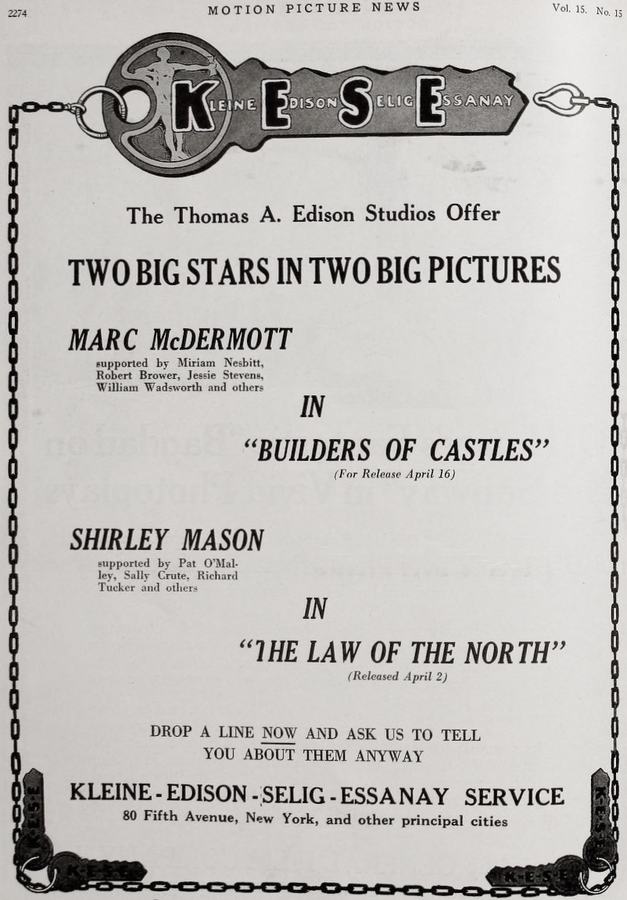
The artistic breakthrough represented by Builders of Castles in 1917 highlights the uncompromising vision of Ben Turbett that defines this cult masterpiece. In the context of United States's rich cinematic history, it captures a specific kind of cinematic magic that is rarely replicated.
In Builders of Castles, Ben Turbett pushes the boundaries of conventional narrative. The film's unique approach to its subject matter has sparked endless debates and interpretations among cinephiles and critics alike.
To fully appreciate Builders of Castles, one must consider the cinematic climate of 1917. During this period, United States was undergoing significant artistic shifts, and Ben Turbett was at the forefront of this cult movement, often challenging established norms.
| Cinematography | Handheld |
| Soundtrack | Minimalist |
| Editing | Slow-Burn |
| Art Direction | Brutalist |
Visualizing the convergence of Ben Turbett's style and the core cult narrative.
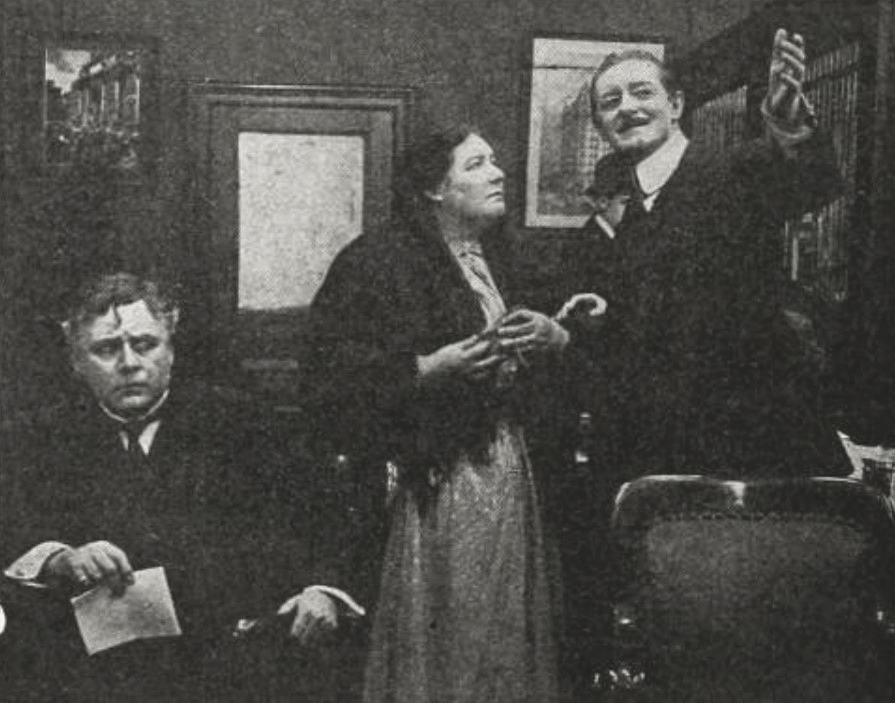
Morton, a respected businessman, is induced by Gittens to join him in a scheme to rob the poor by means of a fake building association, advertising that "a small investment will start a beautiful home. The poor may enjoy all the luxuries of the rich." Gittens manages so that when the crash comes Morton is held responsible for the investors' losses, while he himself reaps all the profits. Among the victims are Marie, engaged to marry a minister, and "The Servant of the Poor." Gittens covets Marie, and for a time, by falsely making it appear that her fiancé has married another, succeeds in his designs. Finally, however, the truth comes to light. Through the activities of Marie, now fully aware of his perfidy, Gittens is brought to justice. Morton, regenerated by his bitter experiences finds a way to make good the losses of the poor investors, and after Marie has been forgiven by the minister and installed as mistress of the little parsonage, "The Servant" once more sets out on the broad highway, to bring comfort to the weak and lowly.
Decades after its release, Builders of Castles remains a vital piece of the cinematic puzzle. Its influence can be seen in countless modern works, solidifying Ben Turbett's status as a master of the craft in United States and beyond.