Summary
A marble-faced financier, Morton, strides through gas-lit avenues flush with bourgeois pride until Gittens—part serpent, part carnival barker—whispers the immaculate con: a gilt-edged “building association” pledging rose-strewn cottages to every ragpicker and seamstress who can scrape together pocket change. Posters bloom on tenement walls like poppies, promising that the poor may sip champagne in parlors of their own. Morton signs, ink still damp with virtue. When the ledger collapses, the ledger’s author vanishes, leaving Morton crucified on headlines of public ruin. Victims swarm: Marie, a Sunday-school bride-to-be whose dowry evaporates; the Servant of the Poor, a gaunt pilgrim who once shared crusts and now clutches a worthless promissory note. Gittens, meanwhile, harvests the spoils, coveting Marie’s porcelain grief. He forges letters, stages a sham wedding, and for a moonless season imprisons her in velvet confusion. Yet truth, feral and phosphorescent, gnaws through his satin lies. Marie, forged in the crucible of betrayal, becomes inquisitor and archivist; she exhumes receipts, corners notaries, and drags Gittens into the merciless klieg of justice. Morton, stripped to the marrow, rediscovers conscience as if it were a rusted heirloom. He liquidates his last cufflinks, recompenses the cheated, and walks the wharves anonymously, coat collar high. In a final tableau suffused with Protestant glow, Marie—pardoned by her steadfast minister—crosses the threshold of a clapboard parsonage while the Servant shoulders bindle and Bible, striding back onto the endless highway to succor whoever still believes that tomorrow’s bread might taste of mercy.
Synopsis
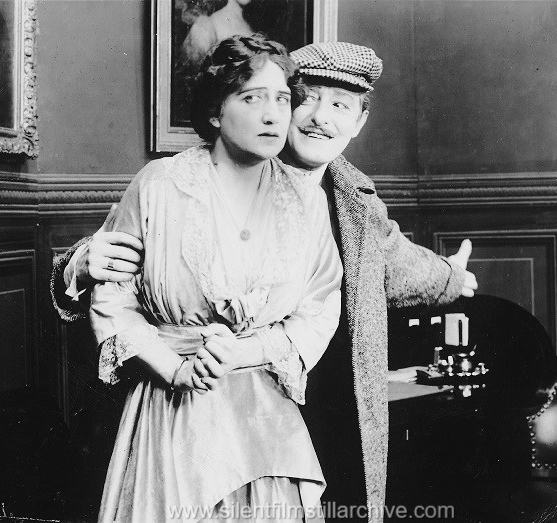
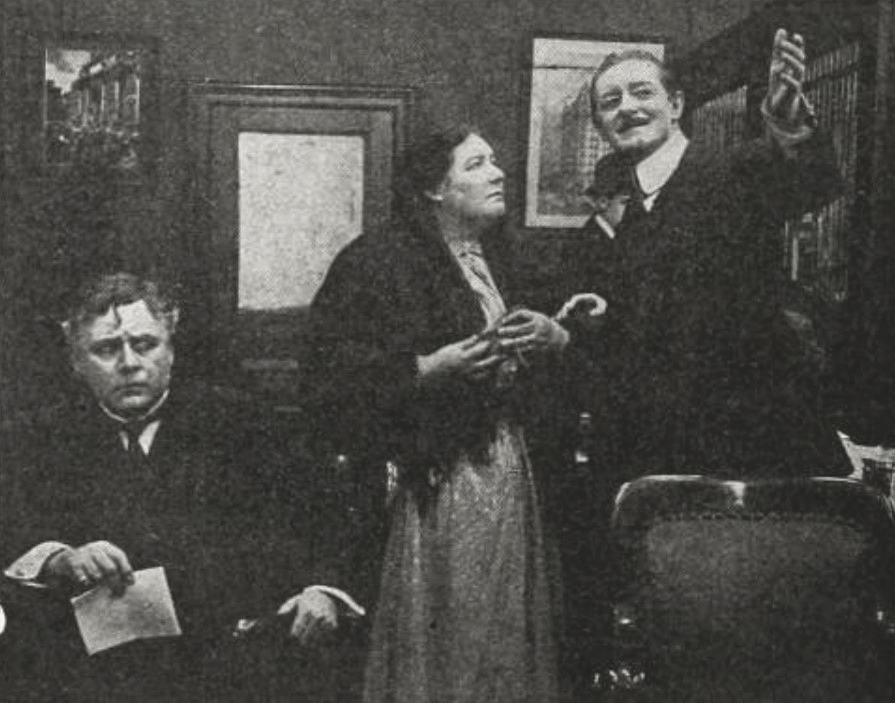
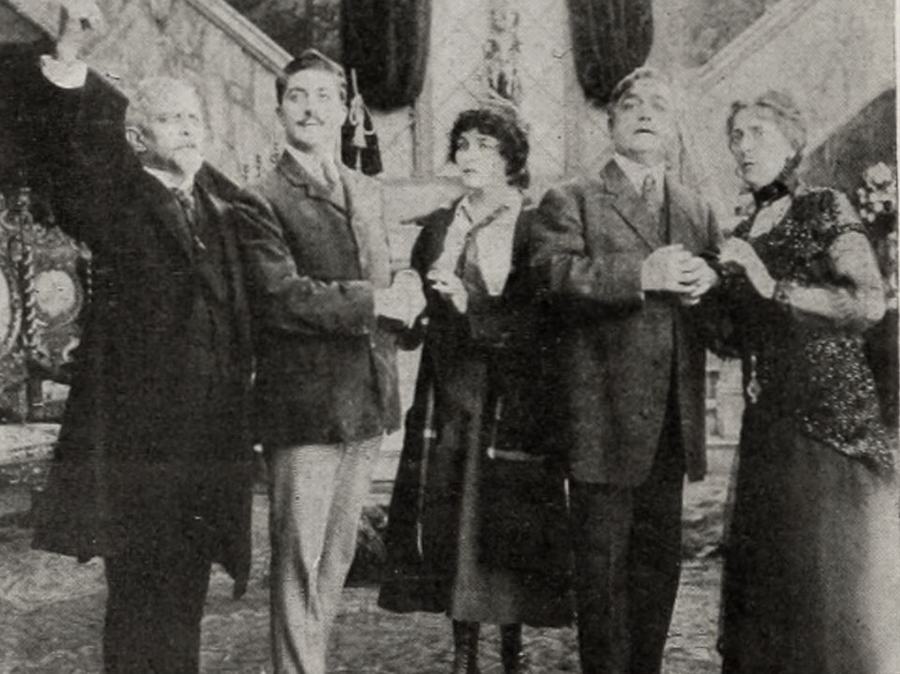
Morton, a respected businessman, is induced by Gittens to join him in a scheme to rob the poor by means of a fake building association, advertising that "a small investment will start a beautiful home. The poor may enjoy all the luxuries of the rich." Gittens manages so that when the crash comes Morton is held responsible for the investors' losses, while he himself reaps all the profits. Among the victims are Marie, engaged to marry a minister, and "The Servant of the Poor." Gittens covets Marie, and for a time, by falsely making it appear that her fiancé has married another, succeeds in his designs. Finally, however, the truth comes to light. Through the activities of Marie, now fully aware of his perfidy, Gittens is brought to justice. Morton, regenerated by his bitter experiences finds a way to make good the losses of the poor investors, and after Marie has been forgiven by the minister and installed as mistress of the little parsonage, "The Servant" once more sets out on the broad highway, to bring comfort to the weak and lowly.
Review Excerpt
"
The nickelodeon curtain lifts on a city that never sleeps because its eyelids are stitched with debt. Builders of Castles, that brittle 1917 one-reel marvel now resurrected by Eye Filmmuseum’s 4-K scan, feels like inhaling pulverized marble—every frame powders the lungs with ancestral scandal. Director Henry Albert Phillips, working from Everett McNeil’s dime-store parable, understood that the true horror of American capitalism is its Pollyanna syntax: it flatters before it flays.
The Archite..."