
DbcultAccessing Vault...
Director's Spotlight
Senior Film Conservator
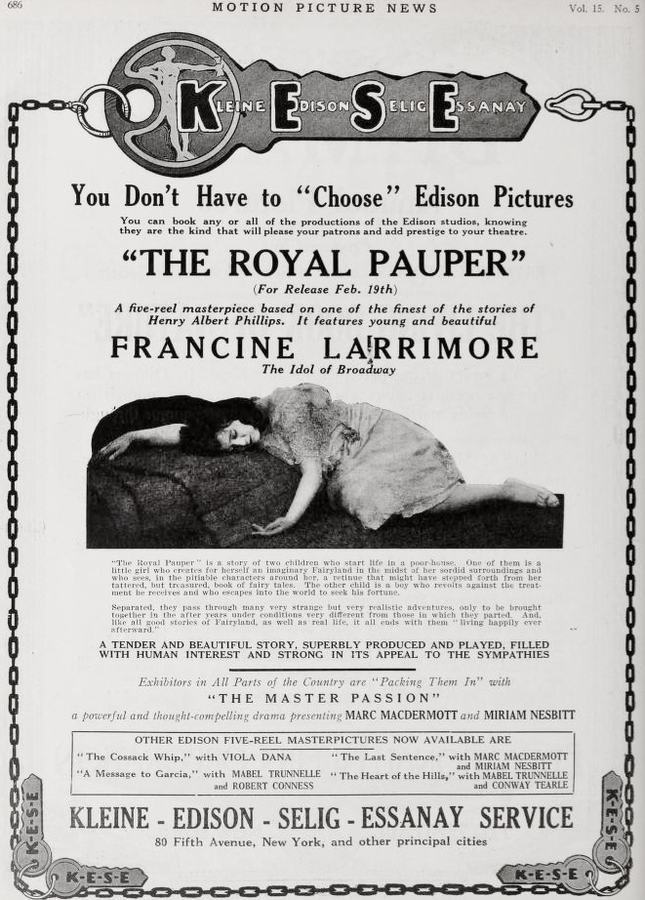
Director's Spotlight: United States
A Deep Dive into the 1917 Vision of Ben Turbett
To understand the modern evolution of United States film, one must first look at The Royal Pauper and the collaborative alchemy between Ben Turbett and the 1917 creative team. Subverting the expectations of the typical 1917 audience, it remains a vital reference point for anyone studying the evolution of Ben Turbett.
In The Royal Pauper, Ben Turbett pushes the boundaries of conventional narrative. The film's unique approach to its subject matter has sparked endless debates and interpretations among cinephiles and critics alike.
In this work, Ben Turbett explores the intersection of cult and United States cultural identity. The meticulous attention to detail suggests a deep-seated commitment to pushing the boundaries of the medium, ensuring that The Royal Pauper remains a relevant topic of study for cult enthusiasts.
| Cinematography | Handheld |
| Soundtrack | Diegetic |
| Editing | Rhythmic |
| Art Direction | Naturalist |
Visualizing the convergence of Ben Turbett's style and the core cult narrative.
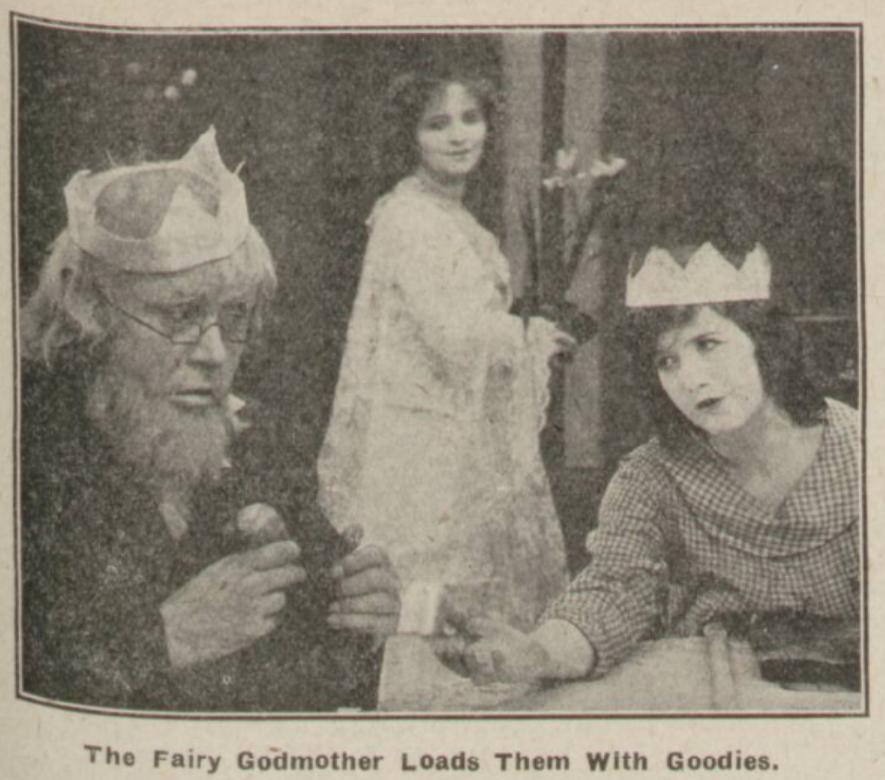
The Princess is a fairy-tale-loving workhouse child, who pretends an aged pauper and a boy inmate of her home are individuals like those she reads of. Ill-treated by the female superintendent, the three run away, and are sheltered by the childless wife of a mill-owner, who takes a fancy to the girl and adopts her, against her tyrant husband's wishes. The girl wins the tyrant's heart, and lives in the hope of meeting the runaway workhouse boy, her Prince Charming. Later on he turns up as the inventor of plans for a loom which will revolutionize the mill industry. Carruthers, a refined rogue, comes courting the " Princess," and overhears the inventor offering his loom for a huge sum of money and complete control of the works to his tyrant employer, which the latter refuses. Carruthers steals and hides the plans, which are unearthed by the workhouse dog, and find their way back the tyrant. A strike is declared, and the tyrant defies his men. The "Princess " intervenes, saves her adopted father's life, meets her "Prince," and Carruthers is "shown up" in all his villainy. A workhouse banquet, attended by the inmates, the adopted parents and the sweethearts, all in "ermined robes," to keep up the fairy tale, leads to mutual admiration, and happiness and wealth to all.
Decades after its release, The Royal Pauper remains a vital piece of the cinematic puzzle. Its influence can be seen in countless modern works, solidifying Ben Turbett's status as a master of the craft in United States and beyond.