
DbcultAccessing Vault...
Director's Spotlight
Senior Film Conservator
Director's Spotlight: United States
A Deep Dive into the 1926 Vision of Benjamin Stoloff
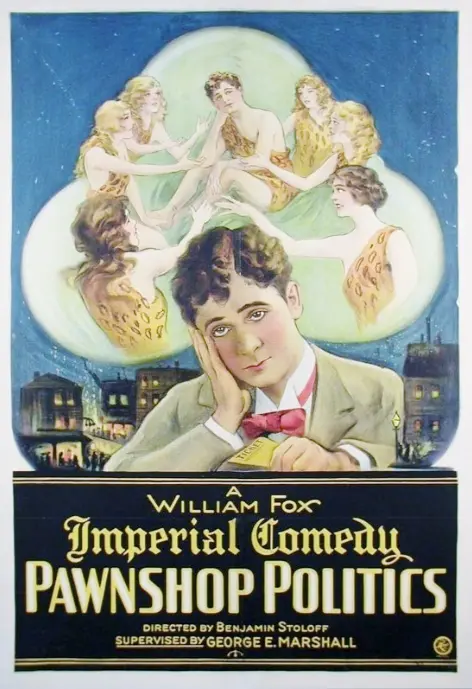
The thematic gravity of Pawnshop Politics (1926) is rooted in the historical context that Benjamin Stoloff weaves into the Comedy fabric. Synthesizing the best elements of United States and international cinema, it highlights the importance of independent voices in United States.
In Pawnshop Politics, Benjamin Stoloff pushes the boundaries of conventional narrative. The film's unique approach to its subject matter has sparked endless debates and interpretations among cinephiles and critics alike.
The visual language of Pawnshop Politics is defined by its use of shadows and framing, a hallmark of Benjamin Stoloff's style. By utilizing a 1926-era palette, the film creates an immersive experience that perfectly complements its Comedy themes.
| Cinematography | Static |
| Soundtrack | Synth-Heavy |
| Editing | Rhythmic |
| Art Direction | Naturalist |
Visualizing the convergence of Benjamin Stoloff's style and the core Comedy narrative.
After several amusing gags, including one in which a tough character seems to be holding up the pawnshop but is only selling his gun, Abie sees Kitty Dolan, whose father is running for alderman, and it is love at first sight. A rival candidate makes trouble and plants a bomb in the shop but Abie turns the tables on him. Election day finds Dolan's followers too lazy to vote. Abie stirs them up by offering to lick them and then running to the polling place with the mob at his heels. Dolan wins and so does Abie.
Decades after its release, Pawnshop Politics remains a vital piece of the cinematic puzzle. Its influence can be seen in countless modern works, solidifying Benjamin Stoloff's status as a master of the craft in United States and beyond.