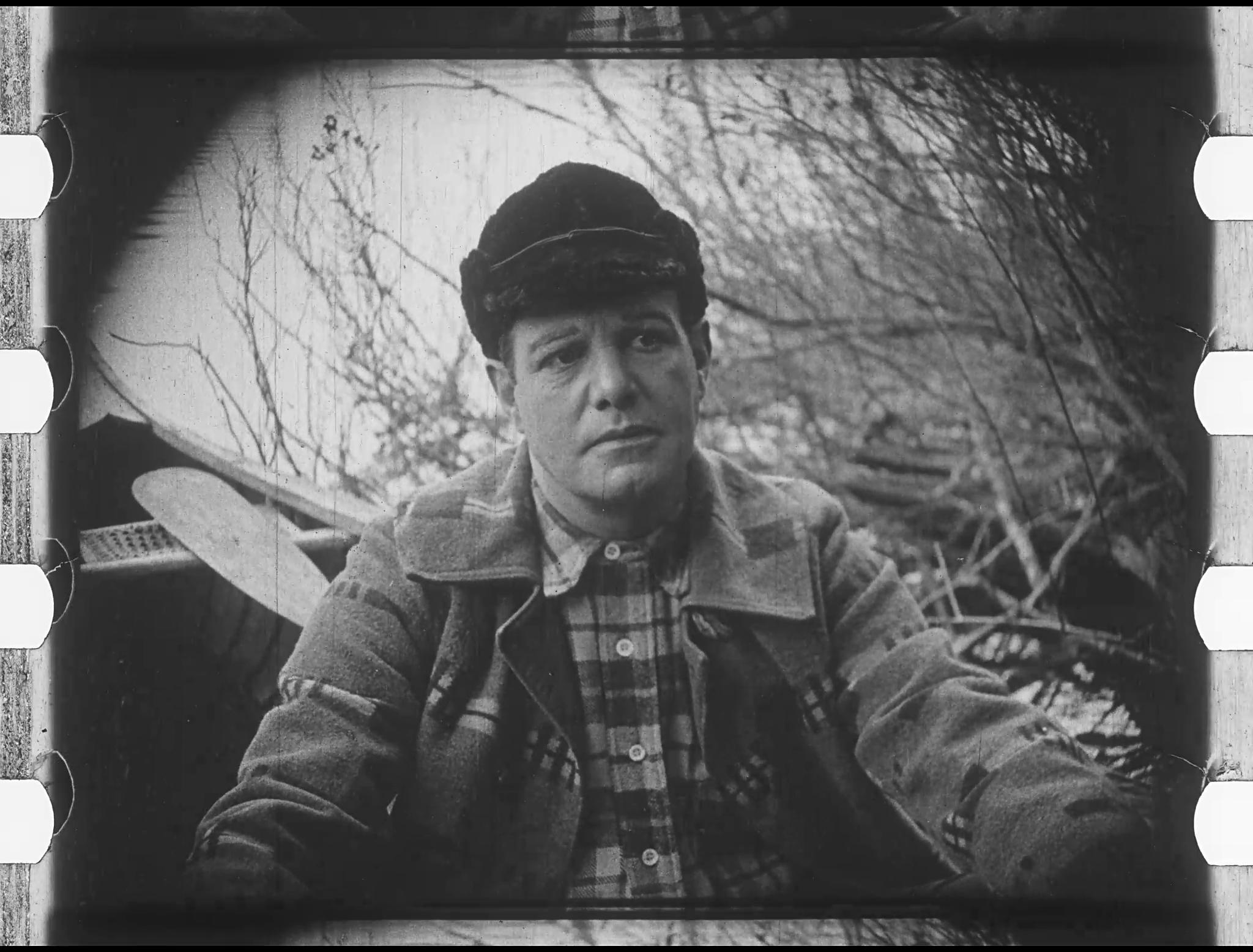
After several amusing gags, including one in which a tough character seems to be holding up the pawnshop but is only selling his gun, Abie sees Kitty Dolan, whose father is running for alderman, and it is love at first sight. A rival candidate makes trouble and plants a bomb in the shop but Abie turns the tables on him.
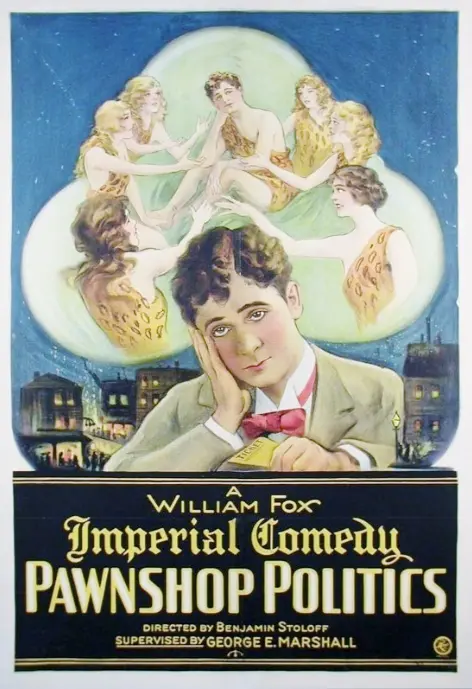
Should you invest your time in this nearly century-old silent comedy? Short answer: yes, but only if you appreciate the gritty, unpolished charm of 1920s independent filmmaking over the high-gloss production of the major studios. This film is for the cinephile who enjoys seeing how early cinema dismantled political apa...
Comparing the cinematic DNA and archive impact of two defining moments in cult history.
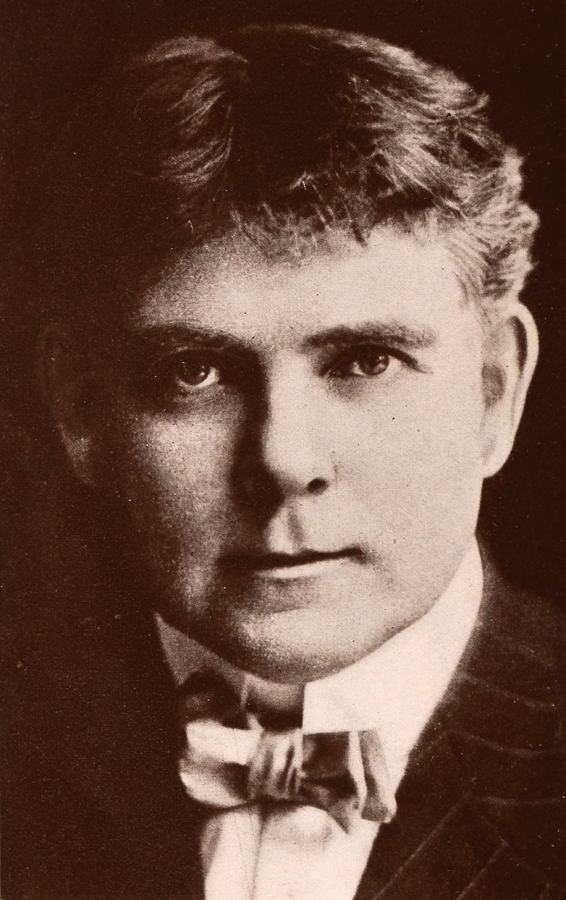
Benjamin Stoloff
Charley Chase
Community
Log in to comment.
"Should you invest your time in this nearly century-old silent comedy? Short answer: yes, but only if you appreciate the gritty, unpolished charm of 1920s independent filmmaking over the high-gloss production of the major studios. This film is for the cinephile who enjoys seeing how early cinema dismantled political apathy through slapstick; it is certainly not for anyone who finds the frantic, repetitive pacing of silent shorts to be a chore. It is a film that thrives on its own cynicism, which ..."
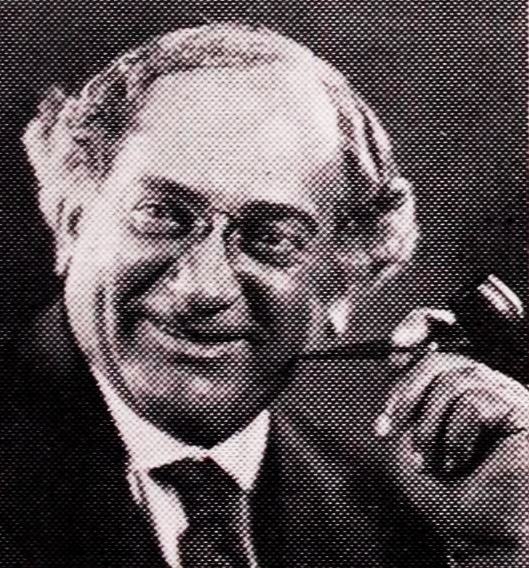
Sidney Franklin
Murray Roth, J. Walter Ruben
United States